Understanding the various costs associated with Medicare coverage is crucial for beneficiaries planning their healthcare budgets for 2027. From premiums and deductibles to copayments and coinsurance, gaining a comprehensive overview of Medicare’s financial aspects can help beneficiaries make informed decisions about their coverage. This guide aims to clarify the different expense categories within Medicare and explain factors that can influence these costs. With clear insights into Medicare’s financial obligations, beneficiaries can better prepare for future healthcare needs while exploring ways to manage expenses effectively.







Costs Associated with Medicare Coverage
Key Highlights
- Medicare costs involve premiums, deductibles, and copays impacting beneficiaries’ healthcare budgets for 2027.
- Inflation, policy changes, and technology advancements will influence Medicare cost dynamics in 2027.
- Medicare Advantage plans bundle services, often including benefits like vision, hearing, and dental.
- Understanding deductibles is key, as they significantly affect Medicare out-of-pocket expenses.
- MedicarePartCPlans.org assists beneficiaries in comparing Medicare plans for efficient cost management.
Compare plans and enroll online
Introduction to Medicare Costs
Understanding the intricacies of Medicare costs is critical for beneficiaries planning for 2027. As healthcare needs evolve, so do the expenses associated with Medicare coverage. From premiums and deductibles to copays and additional penalties, each component plays a role in your overall healthcare expenses. Familiarize yourself with these cost factors to manage your budget effectively and maximize the value of your Medicare plan. This guide will delve into the fundamental Medicare expenses and explore the various elements influencing cost changes anticipated in 2027.

Understanding Basic Medicare Expenses
When you break down Medicare expenses, you’re dealing with several key components that contribute to overall healthcare costs. Primarily, these include your monthly premiums, deductibles, and copays. Most beneficiaries are familiar with the term “Medicare-approved amount,” which refers to the pre-set price Medicare agrees to pay for covered services. Remaining costs typically fall to you in the form of deductibles and copays. It’s crucial to understand these terms, as they can significantly impact your out-of-pocket expenses.
Your monthly premium depends largely on the type of plan you choose. Original Medicare, which comprises Part A and Part B, has its own premium calculations often based on individual or family income levels. For Medicare Part A, many people don’t have to pay a premium due to previous employment tax contributions. Conversely, Part B premiums are income-adjusted, meaning higher earners may see increased amounts deducted. Medicare Advantage plans, also known as Part C, often include these costs within their pricing structure, impacting your premium payments.
Deductibles are another significant factor. These are the amounts you must pay before Medicare or any health plan starts to pay their part. Typically, Part A comes with a deductible for each benefit period, covering hospital services. Part B involves an annual deductible covering outpatient services. Each plan has its own rules, and understanding the specifics of your coverage is crucial in predicting potential out-of-pocket costs.
Lastly, copays, the fixed amounts you pay for medical services or drugs, depend on your specific plan structures and covered benefits. Services like doctor visits, lab tests, or prescription drugs may have different copay requirements under various plans. Understanding these expenses helps budget your healthcare needs more effectively and prepares you for potential changes in 2027.
Factors Influencing Medicare Costs in 2027
Several factors are poised to influence Medicare costs as we approach 2027, making it essential for beneficiaries to stay informed and proactive in their healthcare planning. Firstly, economic inflation and shifts in healthcare service demands substantially affect Medicare expenses. As inflation rises, the cost of hospital services, prescription drugs, and other medical services generally follow, leading to potential increases in the amounts Medicare beneficiaries need to pay.
Policy changes also create significant ripples in the cost landscape. Legislative adjustments to Medicare funding and coverage, such as modifications in healthcare laws or federal budget allocations, can directly impact premium amounts, plan structures, and deductible policies. Governmental strategies aimed at managing public healthcare funding play a critical role in determining these Medicare costs.
Another pivotal factor includes advancements and changes in healthcare technology. While technological improvements can enhance service efficiency and outcomes, they may also initially drive up costs before stabilizing. New drug developments and medical equipment upgrades can lead to adjustments in the Medicare-approved amount and influence the cost-benefit equation for different Medicare plans.
Demographics are a further consideration. As the baby boomer generation continues to age, the increased number of citizens enrolling in Medicare exerts pressure on available resources. This demand increase often requires plans to adjust their cost structures, impacting premiums and copays, especially under Medicare Advantage and Medigap plans.
Additionally, individual health status is a determining force. Beneficiaries experiencing chronic health conditions may face higher out-of-pocket costs, from frequent hospital visits to necessitating specialized medical resources. As healthcare needs vary across individuals, so will their Medicare cost perceptions.
Comprehending these variables will aid Medicare beneficiaries in creating more informed, strategic healthcare plans tailored to evolving conditions expected in 2027. Leveraging resources like MedicarePartCPlans.org can guide you in comparing available options to ensure optimal cost management.
| Cost Components | Factors Influencing Costs | Impact on Beneficiaries |
|---|---|---|
| Premiums | Economic inflation | Increased monthly financial obligations |
| Deductibles | Policy changes | Adjustments in out-of-pocket expenses |
| Copays | Technological advancements | Potentially varied cost-sharing requirements |
| Additional Costs | Demographic shifts | Changes in service demand and access |
This table provides a snapshot of the key elements affecting Medicare cost structures and how they influence beneficiaries’ financial planning for 2027.
Medicare Part C: An Overview
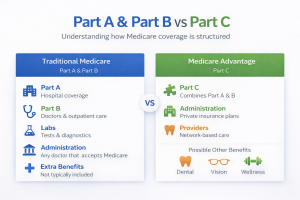
Medicare Part C, also known as Medicare Advantage, is an alternative to Original Medicare, combining health coverage with the services of private insurance companies. These plans must cover all services provided by Medicare Part A and Part B. Unlike Original Medicare, Medicare Advantage plans often include additional benefits like vision, dental, and hearing, making them a comprehensive solution for many. Understanding the scope of services covered, along with cost differences, is essential for beneficiaries considering this path. Lets explore the essential services these plans cover and how they compare to Original Medicare.
Essential Services Covered by Medicare Advantage Plans
Medicare Advantage plans, part of Medicare Part C, offer a wide range of services designed to encompass the health needs of beneficiaries, often extending beyond what Original Medicare provides. These plans cover all services offered under Medicare Part A, including hospital care and hospice services, and Part B, which covers doctor visits and outpatient care. Many also include prescription drug coverage, akin to Part D of Medicare, which helps manage the cost of necessary medications. Additionally, a significant draw of Medicare Advantage plans is their inclusion of often-overlooked services like dental, vision, and hearing care, which can lead to substantial savings over time for beneficiaries who require these types of health care services.
Monthly premiums for Medicare Advantage plans can vary, but they are often bundled, making it easier to manage compared to navigating separate premiums for Medicare Parts A, B, and D. While some plans may require higher premium payments, they potentially offset costs with reduced out-of-pocket expenses for services used frequently. It’s important for beneficiaries to assess their healthcare needs, as the amount they pay directly correlates with the specific plan and provider network they choose. Copays under these plans also differ, depending on the medical service or prescription drugs required, impacting the user’s total healthcare cost.
Assistance and resources are available to help beneficiaries assess and choose the right Medicare Advantage plan. Many turn to educational platforms like MedicarePartCPlans.org to compare options effectively. By utilizing these resources, beneficiaries can filter through available plans, focusing on the coverage that’s most suited to their health needs and financial circumstances, ensuring they select a plan offering both value and comprehensive service coverage.
Comparing Medicare Advantage with Original Medicare
When considering Medicare Advantage versus Original Medicare, beneficiaries must weigh several factors, chiefly the breadth of coverage, cost implications, and additional perks offered. Original Medicare includes essential hospital and medical services, with standardized premiums based on income levels. However, it often lacks additional health benefits like vision and hearing services. For those needing broader coverage, Medicare Advantage plans can be a compelling alternative, effectively harnessing private insurers to fill these gaps.
A notable distinction between these types of coverage is the structure of premium payments and out-of-pocket costs. While Original Medicare has separate premiums for Parts A and B, and the cost for Part D to consider, Medicare Advantage plans typically consolidate these into a single monthly premium. This integration often includes prescription drug coverage, simplifying the management of healthcare costs. While it’s crucial to be aware of any deductibles and copays that differ by plan, the integrated nature of Medicare Advantage can simplify understanding of overall expenses.
Furthermore, Medicare Advantage plans frequently operate within network restrictions, which could influence the choice and flexibility of healthcare providers. Original Medicare beneficiaries have more latitude in choosing providers, but this flexibility sometimes results in higher out-of-pocket costs for services. Evaluating the trade-offs, such as network limitations versus cost savings, is a pivotal step. Beneficiaries can lean on platforms like MedicarePartCPlans.org to navigate these choices, providing clarity and support through decision-making tools designed to align plan options with individual health and financial needs.
Find & Compare Plans Online
Understanding Deductibles and Out-of-Pocket Costs
Analyzing the structure of Medicare deductibles and out-of-pocket costs can greatly impact how beneficiaries manage their healthcare expenses in 2027. Within Medicare plans, understanding how deductibles work involves recognizing the amount you must pay before your Medicare or plan coverage kicks in. This practical understanding is crucial for anyone navigating the complexities of potential out-of-pocket costs associated with hospital stays, doctor visits, and prescription drugs. This section will explore deductibles further, focusing on their role in affecting your pay and overall healthcare costs in 2027, while considering the broader implications of premiums and copays.
How Deductibles Affect Your Pay in 2027
When it comes to Medicare, understanding deductibles is essential as they fundamentally affect your financial responsibilities and how much you’ll pay out-of-pocket before your plan begins to cover expenses. Simply put, a deductible is the amount you must pay for healthcare services before your Medicare coverage or health plan starts to pay their part. In 2027, the role of deductibles will remain pivotal in determining Medicare expenses, particularly as healthcare costs continue to evolve. Navigating this landscape means being well-versed in how these deductibles might influence your pay, especially in a year marked by potential policy and economic changes.
Medicare consists of different parts, each with its own cost-sharing scheme, including deductibles that you must meet. For Medicare Part A, which includes hospital care, there’s typically a deductible per benefit period. This deductible can significantly impact those requiring frequent hospitalization or long-term hospital stays. Similarly, Medicare Part B involves an annual deductible covering outpatient services. As costs for outpatient services like doctor visits and medical equipment rise, keeping abreast of deductible amounts becomes increasingly important.
Deciding between different Medicare plans can also affect how deductibles impact your financial outlays. Many beneficiaries opt for Medicare Advantage plans, or Medicare Part C, to streamline their health expenses by incorporating Part A, Part B, and often Part D (prescription drug) coverage into one plan. These plans sometimes offer lower overall deductibles compared to Original Medicare, although other costs such as monthly premium payments and copays may vary. Assessing your health needs carefully − do you visit doctors frequently or require special prescriptions? − can help you determine whether a plan’s deductible aligns with your lifestyle and how much out-of-pocket costs you’ll incur.
Besides deductibles, premiums and copays must also be considered. Monthly premium payments in your chosen Medicare plan contribute to your total out-of-pocket expenses. For beneficiaries on a tight budget or those with chronic health conditions, seeking assistance and utilizing available resources can facilitate a better understanding of how deductibles form part of broader cost management strategies. Tools and services from platforms like MedicarePartCPlans.org provide invaluable support, helping beneficiaries compare deductibles, copays, and the overall cost implications among various plans. Understanding these dynamics will allow you to weigh your options effectively, ensuring that your choice maximizes benefits and minimizes expenses in 2027.

Medicare Supplement Plans Explained
Medicare Supplement plans, also known as Medigap, play a vital role in managing the additional expenses not fully covered by Original Medicare. These plans aim to bridge the gap between what Medicare pays and the amounts you’re responsible for, such as deductibles and copays. Understanding how these plans work can significantly ease the financial burden for beneficiaries planning their healthcare budgets. We’ll explore how Medicare Supplements assist in cost management, offer strategic benefits, and provide valuable resources for informed decision-making.
The Role of a Medicare Supplement in Cost Management
Medicare Supplement, or Medigap plans, are designed to soften the blow of healthcare costs that beneficiaries encounter once Original Medicare has covered its share. When it comes to the health coverage provided by these supplements, they address the gaps left by Medicare Part A and Part B by paying for out-of-pocket expenses like copays, deductibles, and even the excess charges that Original Medicare does not cover. This ensures that beneficiaries have reduced financial anxiety when managing their health services and prescription needs. Medigap plans are particularly beneficial for those who frequently use healthcare services, as they help in keeping healthcare expenses predictable by covering the Medicare-approved amount, thus minimizing financial uncertainty.
One of the key components to understand about Medigap plans is the cost structure. They come with a monthly premium, which varies based on the plan chosen, your geographical location, and your age. Nevertheless, this fixed monthly premium brings stability to fluctuating medical costs, offering peace of mind to beneficiaries. Additionally, while Medigap plans don’t typically cover expenses like prescription drugs or stand in for Medicare Advantage plans, they offer the freedom of service choice. Beneficiaries aren’t limited to a network of doctors, meaning they can choose any healthcare provider that accepts Medicare. This aspect can be exceedingly valuable to those requiring specialized treatments from specific medical professionals.
Another crucial factor in employing Medicare Supplement plans is the consideration of penalties. For instance, if a beneficiary opts to delay their enrollment in a Medigap plan, they can face financial penalties later on. It’s important to enroll during the initial enrollment period, which starts when a beneficiary first becomes eligible for Medicare. Planning and timely decision-making here can lead to significant cost savings in the long run. Fortunately, there are numerous resources and assistance available to guide beneficiaries through these decisions. Platforms like MedicarePartCPlans.org offer critical insights and tools to compare different plans, ensuring that the choice made provides comprehensive coverage that matches one’s specific health needs and financial circumstances. Understanding these details can make all the difference in managing Medicare costs effectively, ensuring a smoother and more financially secure healthcare experience for 2027.
To further understand the potential benefits and considerations associated with Medigap plans, consider these insightful points:
- Review the different plan types available to match your healthcare needs and financial situation.
- Check eligibility criteria to avoid penalties from delayed Medigap enrollment.
- Compare monthly premiums across various plans for a cost-effective choice.
- Consider your healthcare usage frequency when evaluating potential savings from a Medigap plan.
- Verify that preferred healthcare providers accept Medicare to benefit from the plan.
- Explore available resources for an informed decision on Medigap plans.
- Assess if additional standalone prescription drug coverage might be needed.
These points highlight key factors that enhance your understanding of Medigap plans, helping tailor optimal healthcare solutions.
Using MedicarePartCPlans.org to Find Suitable Plans
Locating an ideal Medicare plan is crucial for managing healthcare costs, especially as Medicare options evolve for 2027. MedicarePartCPlans.org provides a comprehensive tool for comparing available plans, aiding users in finding options tailored to their specific needs and financial situations. This platform enables beneficiaries to explore plans that align with their healthcare requirements, taking into account factors like monthly premiums, copays, and coverage specifics. By leveraging such resources, beneficiaries can make informed decisions, ensuring their selected plan offers the necessary coverage while managing costs efficiently.

How to Use Our Plan Finder Tool for Comparing Medicare Options
Navigating the myriad of Medicare options can seem daunting, particularly with the many variables affecting costs such as premiums, deductibles, and copays. Using the plan finder tool on MedicarePartCPlans.org is an efficient way to compare the variety of Medicare plans available, which can help in finding a Medicare Advantage or Part C plan that suits your coverage needs and budget. To begin, you can enter your location and specific healthcare preferences, including considerations for prescription drug coverage, hospital services, and any supplemental needs. This personalized search narrows down options, showing you relevant plans based on the criteria that matter most to you. For numerous beneficiaries, understanding the dynamics of premium payments, whether monthly or on an annual basis, is crucial. The tool provides side-by-side comparisons of these costs under different plans, enabling a comprehensive assessment of potential out-of-pocket expenses.
With the myriad choices available, it’s essential to differentiate key plan features. For Medicare Advantage plans, knowing what additional benefits are included, such as vision or dental services, is just as critical as understanding how financial aspects like premium payments, copays, and deductibles interact in your selected plan. By using our plan finder tool, beneficiaries can see beyond the surface level of basic health coverage, allowing an in-depth view of what each plan covers and how it meets specific health and financial needs. This comparative approach provides clarity not only on the direct cost implications but also on potential assistance and resources for managing these costs.
Moreover, the tool addresses potential penalty costs for lapses in coverage or delayed enrollment in necessary parts like prescription drug plans. Keeping abreast of these facets via a comparison platform like MedicarePartCPlans.org ensures you are well-prepared to anticipate any financial discrepancies your chosen plan may entail. Assistance through this platform empowers beneficiaries with the ability to prioritize choice options based on convenience, cost, and coverage needed, effectively managing and predicting healthcare expenses in 2027. Engaging with this service supports informed decision-making, providing peace of mind and financial foresight. So, whether you’re planning for now or future Medicare costs, utilizing this resource can significantly influence selecting a Medicare Advantage plan with the right mix of coverage and affordability.
Navigating the costs associated with Medicare can feel daunting, but understanding these expenses is crucial to making informed decisions. Medicare Advantage plans offer diverse coverage options with varying premiums, deductibles, and copayments. By assessing your healthcare needs, comparing available plans in your area, and seeking resources like our free Medicare plans finder tool, you can effectively manage and plan for these costs. Partnering with a resource like MedicarePartCPlans.org ensures you receive the educational guidance needed to make sense of Medicare coverage expenses and ultimately choose a plan that aligns with your unique health and financial situation.
Compare plans and enroll online
Frequently Askes Questions
What are the main components of Medicare costs I should consider?
Medicare costs primarily involve premiums, deductibles, and copays. Understanding these elements is crucial for managing your healthcare expenses effectively. These costs affect your overall budget for services like hospital stays, doctor visits, and prescriptions.
How might Medicare costs change as we approach 2027?
Several factors can influence Medicare costs leading up to 2027, including inflation, policy changes, and advancements in healthcare technology. These factors could result in changes to premiums, deductibles, and overall plan structures.
What does Medicare Advantage (Part C) offer that Original Medicare doesn't?
Medicare Advantage plans, or Part C, usually provide additional benefits not covered by Original Medicare, such as vision, hearing, and dental services. These plans integrate these benefits into a single plan option.
How do Medicare Supplement (Medigap) plans help with Medicare expenses?
Medicare Supplement plans, or Medigap, help cover out-of-pocket costs not paid by Original Medicare, like deductibles and copayments. These plans aim to reduce the financial burden over time by covering the Medicare-approved amount.
How can MedicarePartCPlans.org assist in selecting a suitable Medicare plan?
MedicarePartCPlans.org provides tools for comparing different Medicare plans. By inputting your location and healthcare needs, you can see plans that match your criteria, helping you manage costs and ensuring that you choose coverage fitting your situation.
Have Questions?
Speak with a licensed insurance agent
1-877-436-2343
TTY users 711
Mon-Fri: 8am-9pm ET
Find & Compare Plans Online
ZRN Health & Financial Services, LLC, a Texas limited liability company