Understanding Medicare plan deadlines is crucial for beneficiaries seeking to maximize their healthcare benefits. Navigating the various enrollment periods efficiently ensures access to preferred coverage and can prevent penalties or gaps in medical insurance. Key dates include the Initial Enrollment Period, Annual Election Period, and Special Enrollment Periods, each providing unique opportunities to review, change, or enroll in Medicare Advantage (Part C) and other options. Staying informed about these important deadlines enables beneficiaries and their caregivers to make timely decisions that align with their healthcare needs and goals.







Medicare Plan Deadlines to Remember for 2027
Key Highlights
- Understanding Medicare enrollment periods is crucial to optimizing healthcare benefits and avoiding coverage gaps.
- The Initial Enrollment Period is a seven-month window around your 65th birthday for Medicare signup.
- Annual Open Enrollment from October 15 to December 7 allows changes in Medicare Advantage or Part D plans.
- Special Enrollment Periods provide flexibility during life changes like losing job-based insurance or moving.
- Location affects Medicare Advantage plan availability and costs, emphasizing the need for regional research.
Compare plans and enroll online

Understanding the Medicare Enrollment Periods
Navigating Medicare can feel daunting, especially with various enrollment periods to consider. These periods determine when you can sign up for Medicare, change plans, or drop coverage. Understanding these crucial Medicare enrollment periods can help ensure you make informed decisions regarding your healthcare plan. From the Initial Enrollment Period, when Medicare first becomes available, to the Annual Open Enrollment Period, each phase offers different opportunities to adjust your Medicare coverage. Making timely and informed decisions during these periods can safeguard your retirement years by providing optimal healthcare coverage, suited to your changing needs.
| Enrollment Period | Key Timing | Actions Allowed | Important Considerations |
|---|---|---|---|
| Initial Enrollment Period (IEP) | 3 months before, during, and 3 months after the month you turn 65 | Sign up for Medicare Part A and/or Part B | Delaying enrollment can result in premium penalties unless you qualify for a Special Enrollment Period (SEP) |
| General Enrollment Period (GEP) | January 1 to March 31 each year | Enroll in Medicare Part A and/or Part B if you missed IEP | Coverage begins July 1, and penalties may apply for late enrollment |
| Special Enrollment Period (SEP) | Varies based on individual circumstances | Enroll in Part A and/or Part B outside usual periods if criteria are met, such as losing employer coverage | No penalty if enrollment criteria are met; documentation may be required |
| Open Enrollment Period (OEP) | October 15 to December 7 each year | Change Medicare Advantage or Part D plans | New coverage starts January 1; review plan changes for the upcoming year |
| Medicare Advantage Open Enrollment Period | January 1 to March 31 each year | Switch Medicare Advantage plans or return to Original Medicare | Only one change allowed during this period; Part D changes allowed |
This table provides an at-a-glance overview of the vital Medicare enrollment periods, helping you navigate your coverage options with clarity and foresight.
Initial Enrollment Period: The Starting Point
The Initial Enrollment Period (IEP) is the pivotal starting point in your Medicare journey. This period is a seven-month window surrounding your 65th birthday, where you have the opportunity to sign up for both Medicare Part A and Part B without facing late enrollment penalties. The IEP begins three months before the month of your 65th birthday, includes your birthday month, and extends three months after your birth month. It’s a significant period because missing it without qualifying for a Special Enrollment Period can lead to penalties in the form of higher premiums for Part B, potentially lasting your entire life.
During the Initial Enrollment Period, understanding your Medicare options is crucial. You’ll decide whether you want Original Medicare or a Medicare Advantage Plan (Part C), which combines Part A and Part B benefits and might include additional coverage like dental or vision. Many also consider signing up for a Medigap policy to cover costs not paid by Original Medicare, as well as a Part D plan for prescription drug coverage. The choices made during this enrollment can impact your out-of-pocket costs and coverage flexibility for the rest of your life, reinforcing the importance of using resources like MedicarePartCPlans.org to compare plans and make informed decisions. Read through available resources, including the free Medicare plans finder tool, to ensure all your health needs will be met.
It is also paramount to understand how Medicare interacts with other insurance. For those still working and covered under a group health plan, you may opt to delay Part B enrollment until your employment or coverage ends, allowing for a Special Enrollment Period later. By thoroughly reviewing your options and understanding the terms of your employer’s insurance, you can strategize how best to organize your retirement healthcare coverage. The initial enrollment is the starting line for what will ideally be comprehensive Medicare coverage tailored to meet your personal health requirements.

Annual Medicare Open Enrollment Period: Key Changes Allowed
The Annual Medicare Open Enrollment Period, running from October 15 to December 7 each year, offers a chance to review and make changes to your Medicare coverage. This period is critical as it allows you to modify your existing coverage or enroll in a new Medicare Advantage Plan or Part D prescription drug plan. This annual opportunity helps ensure your plan continues to fit your healthcare needs, especially as those needs can alter from year to year. Understanding the nuances of what changes can be made during this period can prevent you from experiencing unnecessary gaps or overlaps in coverage.
During this time, beneficiaries may switch from Original Medicare to a Medicare Advantage Plan, switch from one Medicare Advantage Plan to another, or drop their Medicare Advantage Plan to return to Original Medicare. Additionally, you can join or switch Part D prescription drug plans or drop this drug coverage entirely. Any changes made during this period will take effect on January 1 of the following year, making it essential to review your current plan and any expected changes in health or prescriptions before this period begins.
Furthermore, careful evaluation of available plan options is vital during this period. Medicare Advantage Plans and Part D plans often update their benefits, premiums, and covered medications annually, which might directly impact your costs or desired coverage. Resources like MedicarePartCPlans.org can be incredibly beneficial by providing detailed comparisons and updates about any changes to ensure your selections remain aligned with your health needs and financial considerations.
Finally, understanding the Open Enrollment Period’s impact on your Medicare choices allows you to remain proactive. Planning ahead by listing current medications, healthcare needs, and desired services helps streamline the decision-making process, ensuring that by December 7, you’ve chosen the coverage that best meets your requirements. By utilizing available tools and continually reviewing your Medicare plan options, you can ensure a strategic and cost-effective approach to managing your insurance needs throughout your retirement years.
Special Enrollment Periods: Flexibility When Life Changes
Medicare’s Special Enrollment Periods (SEPs) provide crucial flexibility when unexpected life changes affect your coverage needs. SEPs allow you to sign up or switch your Medicare plans outside of standard enrollment periods, ensuring continuous healthcare coverage. Understanding these special enrollment opportunities is essential for anyone experiencing events such as retiring from a job or moving to a new location. By grasping the qualifying events and timing for SEPs, you can better navigate Medicare Advantage and Medigap options, ensuring your coverage transitions smoothly with life’s changes.
Qualifying Events for a Special Enrollment Period
Special Enrollment Periods (SEPs) are pivotal for those experiencing life changes that impact their Medicare coverage. Qualifying events for an SEP allow beneficiaries to adjust their Medicare plans without waiting for the standard enrollment period. Examples include losing employer-sponsored insurance, moving to a new service area, or when an insurance plan changes its agreement with Medicare. These situations can significantly impact your coverage, making it essential to understand the available options.
Losing or leaving your employer or union-based insurance is one of the most common qualifying events for an SEP. When someone’s employment or health coverage ends, they’re granted a time frame to enroll in Medicare Advantage or Medigap plans without penalty. This flexibility ensures that you don’t suffer a gap in healthcare coverage due to the transition. It’s crucial to use available resources, like the Medicare plans finder on MedicarePartCPlans.org, to explore new plan options and determine the best fit for your new situation.
Relocating to a new address, whether it’s a move across the city or country, can also trigger a Special Enrollment Period. Medicare Advantage and Medigap plans are often tailored to specific locations, and moving could affect your current plan’s viability. With a change of residence, you gain a window to explore plans that cater to your new area and align with your healthcare needs. During this period, reviewing plan options can ensure your coverage remains consistent with the local services and providers you prefer.
Sometimes, an insurance plan might modify its contract with Medicare, necessitating a change in coverage. If this happens, it qualifies you for an SEP, allowing you to switch to another plan without disruptions. Understanding the implications of such changes can help you make informed decisions and secure the most suitable plan.
Each SEP has its own rules concerning the timing and specific qualifying events. Generally, the SEP timeframe starts the month of the qualifying event and may last several months after, depending on the specific circumstances. For example, if you retire and lose your employer’s coverage, your SEP lasts for eight months following the end of employment or coverage, whichever occurs first. This generous period grants you time to assess your options thoroughly and ensure a seamless transition to the appropriate Medicare coverage.
It’s paramount to be proactive and track these events promptly with the Social Security Administration and Medicare to maintain dreamacula coverage. Navigating SEPs effectively involves understanding your eligibility, using comprehensive research and free tools available online, and closely monitoring any updates that could impact your coverage. With the right approach, you ensure that life’s changes won’t disrupt your access to healthcare.
Medicare Advantage and Part D Enrollment Periods
Understanding the Medicare Advantage and Part D Enrollment Periods is essential for maximizing your coverage flexibility and ensuring you get the most suitable plans for your needs. Throughout the year, various enrollment windows allow you to review and change your Medicare Advantage and Part D plans to better match evolving healthcare needs. From the Medicare Advantage Open Enrollment Period to the Annual Enrollment Period for Part C and D plans, each phase offers unique opportunities. These periods are crucial for adapting your healthcare plans without interruptions or unscheduled expenses, providing the coverage that best matches your medical and financial needs.
Find & Compare Plans Online
Transitioning During the Medicare Advantage Open Enrollment Period
The Medicare Advantage Open Enrollment Period (MA OEP) takes place annually from January 1 to March 31. This window provides an excellent opportunity for those currently enrolled in a Medicare Advantage Plan to reassess their coverage. Perhaps you’ve found that your current plan doesn’t quite meet your healthcare needs, or your circumstances have changed since you first selected it. This period allows beneficiaries to switch to a different Medicare Advantage Plan or drop their Medicare Advantage Plan and return to Original Medicare. It’s important to note, however, that changes are limited to beneficiaries already enrolled in a Medicare Advantage Plan.
Exploring the possibilities during this enrollment period can offer enhanced coverage flexibility. Switching plans may allow you to access more suitable healthcare networks, better fits for your prescription needs, or additional benefits such as dental or vision coverage not included in your current plan. Resources like those offered by MedicarePartCPlans.org can be instrumental in comparing available options. With the right tools, you can navigate the plan specifics, premiums, and network details to ensure a well-informed decision aligns with your healthcare priorities.
Additionally, during this period, the changes you make will become effective on the first day of the following month after your new plan processes your enrollment request. This quick turnaround ensures that any adjustments you make don’t leave gaps in your access to healthcare services and support. Timing is essential during this period, especially if a change in your health or prescriptions necessitates a different healthcare approach.
When transitioning plans, it’s wise to consider your financial situation. Switching from Medicare Advantage back to Original Medicare could lead to a need for Medigap coverage to fill potential gaps. Evaluating the costs associated with potential new plans, like premiums and out-of-pocket limits, is crucial for maintaining a budget that supports your healthcare journey. During the MA OEP, promptly assessing your current and future health service needs is key to securing the most optimal and beneficial coverage.
Finally, remember the available resources and tools online, such as the Medicare plans finder, which offers comprehensive comparisons. By leveraging these resources, you’ll have greater clarity on changes and can confidently decide during this Medicare Advantage Open Enrollment Period. Utilizing such tools can simplify complex details, ensuring transitions are smooth and aligned with both immediate and long-term healthcare goals.
As you consider your options during the Medicare Advantage Open Enrollment Period, here are some important factors to keep in mind:
- Compare different plans to see which offers the benefits most important to you.
- Evaluate available healthcare networks to ensure accessibility and convenience.
- Consider how potential plans accommodate your prescription medication needs.
- Look for additional benefits like dental, vision, or hearing coverage.
- Assess how plan changes could impact your overall healthcare costs.
- Utilize online resources to simplify complex plan details.
- Review how quickly your new plan choice will take effect after enrollment.
These points can guide you towards a well-informed decision during the Medicare Advantage Open Enrollment Period.
Medicare Part C and D Annual Enrollment Period: Options to Consider
The Medicare Part C and D Annual Enrollment Period (AEP), occurring from October 15 to December 7 each year, represents another pivotal opportunity for beneficiaries to evaluate and modify their plans. This inclusion further expands the potential options available for those looking to optimize their healthcare coverage. During this period, Medicare beneficiaries have the option to switch from their current Medicare Advantage Plan to a new one, change their Part D prescription drug plan, or even enroll for the first time if they hadn’t previously.
One key aspect of the Annual Enrollment Period is the dynamic nature of healthcare needs and plan offerings. Plan policies, covered services, and premiums may evolve, necessitating a detailed review. Beneficiaries should take this time to scrutinize plan notices and changes to anticipate any impacts. Part C plans, which bundle together health and drug coverage, often update their formularies, cost-sharing details, and benefit structures. A comparative analysis of these changes is crucial to ensure your selected plan continues meeting your medical and financial needs.
When exploring options during the AEP, consider any adjustments in your personal health or financial circumstances. Perhaps you’ve experienced a shift in prescription drug needs or anticipate an increase in healthcare services due to medical advice. During this time, updating your coverage to include plans aligning more closely with these needs is essential. Resources such as MedicarePartCPlans.org offer a unique advantage in simplifying plan selection by providing easy-to-access comparisons and decision-making tools tailored to your location and specific coverage considerations.
Flexibility during the AEP isn’t merely about change, but also about reinforcing the current benefits of your plan after thoughtful evaluation. It’s crucial to proactively review your current plan details against available options, ensuring any necessary changes are made well within the deadline. Remember, changes made during this period become effective the following year on January 1, giving ample time to prepare for transitions in coverage and costs.
By leveraging digital resources and expert guidance, beneficiaries can achieve a more adaptive and beneficial coverage package. This approach reduces the likelihood of unexpected financial burdens or gaps in necessary services. Ultimately, a well-strategized review during the AEP ensures that Medicare beneficiaries receive comprehensive, tailored coverage aligned with their healthcare needs and lifestyle preferences.
Medicare General Enrollment Period: Filling the Gaps
The Medicare General Enrollment Period (GEP) serves as a vital opportunity for individuals who missed their Initial Enrollment Period to sign up for Medicare Part A and Part B. Occurring every year from January 1 to March 31, this period allows eligible beneficiaries to fill gaps in their healthcare coverage. Understanding the importance of the GEP is essential as it offers a crucial chance to align your healthcare needs by choosing the right Medicare plan or making necessary changes without having to wait for another full year. It’s an ideal opportunity to bridge any lapses in Medicare coverage.
Implications for Delayed Enrollment
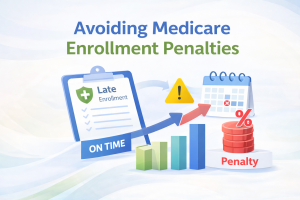
Delaying enrollment in Medicare can have significant implications for those eligible without other health coverage. Missing your Initial Enrollment Period or not qualifying for a Special Enrollment Period might expose you to a coverage gap, leaving essential health services uncovered. Moreover, if you delay enrolling in Medicare Part B during your Initial Enrollment without qualifying for a Special Enrollment Period, you might face a lifelong penalty. This penalty increases your premium by 10% for each full twelve-month period you were eligible but not enrolled, creating a financial strain during retirement years. Hence, understanding the Medicare General Enrollment Period (GEP) is crucial to avoid these penalties and ensure there’s no lapse in your healthcare coverage.
Enrolling during the GEP allows you to establish your Medicare coverage, but it’s important to notice that coverage doesn’t begin immediately. Instead, coverage starts on July 1 following your enrollment. This delay can be critical if your health circumstances change or if you require immediate healthcare services. For those turning 65 and missing their Initial Enrollment Period, or for those who previously had other insurance like employer coverage and now need to transition to Medicare, using the GEP is essential to ensuring continuity in healthcare services. However, this enrollment might not include Medigap or Medicare Advantage Plan (Part C) unless you qualify for Special Enrollment eligibility, potentially leaving some coverage gaps for out-of-pocket costs. It’s vital to use resources, such as those from MedicarePartCPlans.org, to understand your options fully and choose the most suitable plan during the GEP.
Additionally, during the GEP, planning for any gaps is crucial since there’s no provision for directly enrolling in Medicare Advantage or Part D. This limitation might compel you to rely solely on Original Medicare, which lacks coverage for some services like prescription drugs. To bridge such gaps, evaluating Medigap plans during open enrollment periods might be necessary. For instance, enrolling in a Medigap policy within six months after your Part B benefits start might allow you to bypass medical underwriting, ensuring coverage without additional costs or limitations due to pre-existing conditions. Keeping an eye on the timing and the interaction between different Medicare enrollment periods enhances your ability to craft a comprehensive coverage strategy that safeguards your health while considering your budget. Utilize available online tools and resources actively to ensure all potential gaps are filled effectively and well ahead of July to secure your healthcare pathway in retirement efficiently.
Maximizing Your Medicare Coverage Based on Location
Understanding Medicare coverage based on location is crucial for maximizing your plan benefits, especially as healthcare needs can vary significantly by area. When evaluating Medicare Advantage (Part C) plans, it’s essential to consider how your geographical location influences plan availability and coverage options. Each region offers distinct plans and networks, meaning the benefits you receive under Medicare Part C could vary greatly from one location to another. As such, utilizing resources like our free Medicare plans finder tool on MedicarePartCPlans.org can offer invaluable help in comparing what’s available in your area.
Medicare Advantage plans, which provide an alternative to Original Medicare, often bundle additional benefits such as dental, vision, and hearing, but these offerings can differ depending on where you live. For instance, some areas might have more comprehensive coverage for certain additional benefits due to differing healthcare provider agreements or population health needs. Thus, examining what’s offered locally is fundamental in ensuring your health needs are comprehensively covered without unnecessary out-of-pocket expenses.
Location also affects pricing. Plan premiums, copayments, and out-of-pocket maximums often hinge on the regional cost of living and provider rates. This variance means that relocating could impact your healthcare budget, especially if you’re transitioning to an area where healthcare is costlier. By strategically selecting plans aligned with both your current and potential future locations, you can maintain optimal coverage that adapts to shifting circumstances, whether you’re considering relocation for retirement or another personal reason. Planning ahead with a thorough understanding of costs and benefits in different regions can prevent unexpected financial strain.
Moreover, flexibility in your plan choice often depends on your location. SEPs allow for plan adjustments, particularly when moving to a new coverage area. Relocating grants a SEP, offering an opportunity to adjust or switch plans to better suit your new region’s needs. Such periods enable you to reevaluate your coverage without having to wait for traditional enrollment periods. Thus, understanding your options regarding SEPs can ensure a seamless transition should you move. The tools on MedicarePartCPlans.org can guide you in evaluating these options, helping ensure your plan is advantageous both in your current and future residences.
In conclusion, maximizing your Medicare coverage based on location involves actively keeping abreast of how geographical differences affect plan options and costs. By leveraging available resources and planning proactively, you can maintain the flexibility and comprehensive coverage needed to meet your unique health requirements. Visit MedicarePartCPlans.org to explore resources that simplify this process, ensuring that your Medicare coverage is both strategic and thoroughly aligned with your lifestyle and healthcare needs.
Understanding key Medicare enrollment dates is crucial for making informed decisions about your healthcare coverage. As you navigate the enrollment timelines and periods, it’s essential to be proactive and stay informed to ensure your healthcare needs are met on time. Utilize the resources available, such as the Medicare plans finder tool, to compare options and make decisions that align with your coverage preferences and budget. By keeping these deadlines in mind, you can take full advantage of the benefits offered and find a Medicare Advantage plan that suits your individual needs.
Compare plans and enroll online
Frequently Asked Questions
What is the Initial Enrollment Period for Medicare?
The Initial Enrollment Period (IEP) is a seven-month window that includes the three months before, the month of, and the three months after your 65th birthday. During this time, you can sign up for Medicare Parts A and B without facing late penalties.
When is the Annual Election Period for Medicare?
The Annual Election Period (AEP) takes place between October 15 and December 7 each year. During this period, you can review and make changes to your Medicare Advantage (Part C) or Part D prescription drug coverage.
What is a Special Enrollment Period in Medicare?
Special Enrollment Periods (SEPs) allow changes to Medicare plans outside the usual enrollment times due to life events such as moving or losing job-based insurance. The timing and eligibility depend on the type of event.
How does location affect Medicare Advantage plan availability?
Medicare Advantage plans are region-specific. Availability, benefits, and costs can vary by location, so it’s essential to research what’s offered in your area using resources like MedicarePartCPlans.org.
What options are available during the Medicare Advantage Open Enrollment Period?
The Medicare Advantage Open Enrollment Period, from January 1 to March 31, allows those currently in a Medicare Advantage Plan to switch to another Medicare Advantage Plan or revert to Original Medicare. Changes take effect on the first day of the following month.
Have Questions?
Speak with a licensed insurance agent
1-877-436-2343
TTY users 711
Mon-Fri: 8am-9pm ET
Find & Compare Plans Online
ZRN Health & Financial Services, LLC, a Texas limited liability company