Medicare Advantage plans, also known as Medicare Part C, offer diverse network types that can significantly impact your healthcare experience. Understanding these networks is crucial when navigating your options, as they dictate which healthcare providers and facilities you can access. In this guide, we’ll explore various network models including Health Maintenance Organizations (HMOs), Preferred Provider Organizations (PPOs), and others. Armed with this knowledge, you’ll be better equipped to make informed decisions about choosing a plan that aligns with your healthcare needs and preferences. Discover how network types can affect your access and costs today.







Medicare Advantage Plan Network Types
Key Highlights
- Medicare Advantage plans consolidate coverage into a single plan, often including drug coverage.
- HMOs require using network providers, promoting coordinated care through a primary care provider.
- PPO plans offer more flexibility, allowing visits to out-of-network providers without referrals.
- In-network care reduces costs and simplifies billing under Medicare Advantage plans.
- Out-of-network care can increase out-of-pocket expenses due to lack of pre-negotiated rates.
Compare plans and enroll online
Introduction to Medicare Advantage Plans
Medicare Advantage plans provide an alternative to traditional Medicare, offering additional health plan options. These plans, also known as Medicare Part C, are health plan substitutes that bundle hospital, medical, and often drug coverage into one comprehensive plan. Understanding these plans is crucial for Medicare beneficiaries seeking more comprehensive benefits and specialized services that fit their coverage needs. In this section, we’ll explore what makes Medicare Advantage distinctive and highlight the key advantages it offers. Beneficiaries will gain insights into plan networks, premiums, and how services are managed to optimize their healthcare experience.

What is Medicare Advantage?
Medicare Advantage, or Medicare Part C, takes traditional Medicare a step further by consolidating multiple types of coverage into a single health plan. Offered by private insurance companies, these plans contract with Medicare to provide all Part A and Part B services, sometimes including drug coverage. The essence of Medicare Advantage lies in its network structure. Plans often use provider networks like Health Maintenance Organization (HMO) or Preferred Provider Organization (PPO) to deliver services efficiently. As a beneficiary, understanding these provider networks ensures you maximize your plan benefits while minimizing out-of-pocket expenses. Moreover, these plans often feature additional services that traditional Medicare may not cover, such as vision and dental care, making them a valuable option for comprehensive health coverage.
Key Benefits of Medicare Advantage Plans
One of the notable advantages of Medicare Advantage plans is their extensive coverage, often extending beyond what traditional Medicare offers. These plans typically bundle hospital, medical, and drug coverage, often at a lower premium than purchasing separate plans. With a Medicare Advantage plan, beneficiaries benefit from structured plan networks that can streamline care and potentially reduce costs. These structured networks promote continuity, as they usually require choosing a primary care provider to manage your healthcare effectively. Additionally, these plans frequently offer extra services such as gym memberships or wellness programs, enhancing your overall health experience. Exploring plan options through resources like MedicarePartCPlans.org can help you tailor choices to fit individual needs and local provider availability.
Understanding Plan Types: HMOs and PPOs
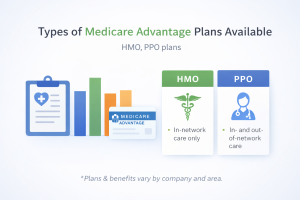
Choosing the right Medicare Advantage plan involves understanding different network types, each offering unique benefits. Health Maintenance Organizations (HMOs) and Preferred Provider Organizations (PPOs) are common options that provide varying flexibility and cost structures. HMOs generally focus on requiring members to use a set network of providers, making them suitable for those seeking consistent care within a specific network. Conversely, PPOs allow more flexibility, enabling beneficiaries to visit a variety of providers without needing referrals. Familiarizing yourself with these plan types will empower you to select a health plan that aligns with your healthcare priorities and budgetary needs.
| Plan Type | Provider Flexibility | Primary Care Provider Requirement | Referral Requirement | Cost Consideration |
|---|---|---|---|---|
| HMO | Limited to network providers | Required | Usually required for specialists | Generally lower costs |
| PPO | Greater flexibility, including out-of-network providers | Not required | Usually not required | Generally higher costs |
This table encapsulates the distinct characteristics of HMO and PPO plans, aiding in informed decision-making for Medicare Advantage beneficiaries.
Health Maintenance Organization (HMO) Plans
Health Maintenance Organization, or HMO plans, are a popular choice for Medicare Advantage beneficiaries due to their structured approach to care. By joining an HMO, you agree to use a network of providers, ensuring that care is consistent and efficiently managed. One key feature of HMOs is the requirement to choose a primary care provider (PCP), who will coordinate most of your healthcare services. This system helps enhance the continuity and quality of care, as all services are funneled through a central point of contact. Typically, HMOs require referrals for specialist services, ensuring that every aspect of your care aligns with network guidelines. While HMOs might restrict provider choice compared to other networks, they often come with lower premiums and out-of-pocket costs, proving advantageous for those who frequently access in-network care. Understanding these health maintenance principles is critical for maximizing your benefits under a Medicare Advantage plan.
To further explore the advantages and considerations of HMO plans, consider the following key points about their structure and benefits:
- Emphasizes preventive care and early detection through regular check-ups and screenings.
- Ensures coordinated care by requiring specialist referrals from your primary care provider.
- Often includes lower prescription drug costs within the network.
- Provides a clear understanding of expected healthcare expenses with predictable co-pays.
- Incorporates wellness programs and resources to encourage healthy lifestyle choices.
- Facilitates access to a network of trusted healthcare professionals and facilities.
- Streamlines care management by maintaining a centralized health record with your primary care provider.
These aspects offer insights into how HMOs operate and deliver value for members.
Diverse Network Options in PPO Plans
Preferred Provider Organization (PPO) plans provide Medicare Advantage beneficiaries with flexibility and choice when selecting healthcare providers. Unlike HMO plans, PPOs allow you to visit any providers, whether they’re part of the network or not, without a referral. This flexibility makes PPOs appealing if you require specialist care or travel frequently outside your area. However, it’s important to remember that using in-network providers can significantly reduce your healthcare expenses due to better-negotiated rates with the plan network. By leveraging provider networks efficiently, PPO plans aim to offer a balance between accessibility and cost. While making an informed decision between HMO and PPO plans, consider your healthcare needs, preferred provider access, and financial situation. This choice ultimately impacts your out-of-pocket costs and coverage availability. Resources like MedicarePartCPlans.org can help you navigate these options, ensuring you find an advantage plan that suits both your health needs and geographical preferences.
Find & Compare Plans Online
Exploring Coverage: In-Network vs. Out-of-Network Care
Making informed decisions about healthcare starts with understanding the differences between in-network and out-of-network care within Medicare Advantage plans. The choices you make regarding network care can significantly affect both coverage and costs. By examining how in-network and out-of-network care works, you can better assess which Medicare Advantage plan meets your healthcare needs efficiently while keeping expenses manageable. This section will delve into the advantages of staying within a provider network and how stepping outside it could impact your healthcare spending.

Importance of In-Network Care for Better Coverage
In-network care plays a pivotal role in optimizing coverage under Medicare Advantage plans. When you select healthcare providers, doctors, or hospitals within the plan’s network, you’re making cost-effective decisions. These providers have agreements with your plan to offer services at lower rates, reducing your expenses greatly. Staying within the provider network also simplifies the billing process, as the plan takes care of most payments to healthcare providers. Moreover, in-network care helps maintain continuity as your primary care provider manages your services, ensuring cohesive and coordinated attention. This streamlined approach often leads to better health outcomes, as your primary care doctor can effectively monitor all aspects of your medical care. Ensuring you understand your Medicare Advantage plan’s network limitations and benefits is crucial for making the most out of your healthcare experience.
How Out-of-Network Choices Impact Costs
Choosing out-of-network providers while enrolled in a Medicare Advantage plan can significantly impact costs. Out-of-network doctors and hospitals typically don’t have pre-negotiated rates with your plan, meaning you may pay more for services. This can lead to higher out-of-pocket expenses compared to in-network care. However, some plans, like PPOs, offer more flexibility by covering a portion of out-of-network costs, albeit often at reduced reimbursement rates. It’s crucial to consider this balance when evaluating Medicare Advantage plans. While out-of-network options enhance accessibility to diverse providers, benefiting those requiring extensive or specialized care, understanding the financial implications is essential. Being mindful of these choices allows you to make informed decisions that align with both your healthcare needs and financial capabilities. Consider leveraging tools such as those provided by MedicarePartCPlans.org to compare costs and ensure your selections align with your geographical preferences and health requirements.
Understanding the various types of Medicare Advantage plan networks is crucial for making informed healthcare decisions. Each network type offers distinct benefits and limitations, and knowing these can help tailor your choice to your healthcare needs and preferences. Always review the details of provider networks, geographic restrictions, and plan features before enrolling. This knowledge ensures that you access the care you need while managing costs effectively. For further assistance, explore our free Medicare plans finder tool to compare available options by location and personal coverage requirements.
Compare plans and enroll online
Frequently Asked Questions
What are Medicare Advantage plans also known as?
Medicare Advantage plans are also known as Medicare Part C. They are private plans that bundle hospital, medical, and often drug coverage into one.
What is the difference between HMO and PPO network types?
HMO plans generally require you to use a set network of providers and choose a primary care provider who will coordinate your care. PPO plans offer more flexibility, allowing visits to out-of-network providers without referrals, but usually at a higher cost.
How do in-network care costs compare to out-of-network care under Medicare Advantage plans?
In-network care typically reduces out-of-pocket expenses as providers have agreed-upon rates with your plan. Out-of-network care often leads to higher costs due to the absence of pre-negotiated rates.
What additional services may be offered by Medicare Advantage plans that are not typically covered by traditional Medicare?
Medicare Advantage plans often include additional services such as vision, dental care, gym memberships, or wellness programs, enhancing your overall health coverage.
Why is understanding network types important when choosing a Medicare Advantage plan?
Understanding network types is crucial as they determine which healthcare providers and facilities you can access, affecting both coverage and costs. Familiarizing yourself with these models helps in selecting a plan that aligns with your healthcare needs and budget.
Have Questions?
Speak with a licensed insurance agent
1-877-436-2343
TTY users 711
Mon-Fri: 8am-9pm ET
Find & Compare Plans Online
ZRN Health & Financial Services, LLC, a Texas limited liability company