Navigating the intricacies of Medicare plans in Pennsylvania can be challenging, especially when comparing Health Maintenance Organization (HMO) and Preferred Provider Organization (PPO) plans. Understanding their differences can aid Medicare beneficiaries in selecting coverage that aligns with their healthcare needs. While HMO plans typically require choosing a primary care physician and referrals for specialist visits, PPO plans offer more flexibility regarding provider selection without needing referrals. This comprehensive overview explores the unique characteristics, benefits, and potential drawbacks of each plan type to help you make informed decisions about your Medicare options.







The Differences Between Medicare HMO and PPO Plans
Key Highlights
- Medicare HMO plans require selecting a primary care physician and offer coordinated care within a network.
- Medicare PPO plans provide flexibility, allowing access to in-network and out-of-network providers without referrals.
- HMOs focus on preventive care, potentially lowering costs, but with network limitations.
- PPOs offer greater provider choice, beneficial for frequent travelers or those needing specialist care.
- Use the MedicarePartCPlans.org finder tool to compare region-specific Medicare plan options.
Compare plans and enroll online

Comparing Medicare HMO and PPO Plans: An Introduction
Navigating the world of Medicare can be daunting, especially when it comes to choosing between Medicare HMO and PPO plans. These two types of Medicare Advantage plans offer distinct benefits and considerations, making it crucial to understand their differences. From the structure of plan networks to how they handle healthcare providers and specialist referrals, both plans have unique features. This section will explore the fundamentals of HMO and PPO plans and delve into their unique characteristics, helping you make an informed decision about which plan aligns best with your healthcare needs.
What is Medicare HMO?
Medicare HMO plans, a popular choice among Medicare beneficiaries, operate under a network of healthcare providers. When you select an HMO plan, you’re required to choose a primary care physician who becomes the central figure in managing your health care. This doctor provides referrals if specialist care is needed, ensuring coordinated care. Such plans generally emphasize preventive care, aiming to maintain your health and avoid serious illnesses. However, one of the primary considerations is that you’re typically limited to using doctors and facilities within the HMO network. If you seek services outside the network, you might face higher costs, except in emergencies. This structure can be advantageous for those who have doctors they trust within the network and want a clear, coordinated care path. Understanding these elements can help when considering how HMO plans differ from other Medicare plans.
Understanding Medicare PPO
Medicare PPO plans offer another layer of flexibility compared to HMOs. With a PPO plan, you’re not required to select a primary care physician, and specialist referrals are often unnecessary, providing more freedom in choosing healthcare providers. This can be particularly advantageous for those who prefer choosing specialists directly without going through a referral process. Furthermore, PPO plans generally offer a broader range of provider options, allowing you to receive care both inside and outside a specified network, albeit at different cost structures. While using in-network healthcare providers usually incurs lower costs, out-of-network services are still accessible at a higher cost. This flexibility makes PPO plans appealing for those who value choice and convenience. Choosing between a PPO and an HMO plan involves considering how much flexibility and control you want over your healthcare decisions, as well as the potential cost implications of each plan’s network setup.
Key Differences Between Medicare HMO and PPO Plans
Understanding the key differences between Medicare HMO and PPO plans is essential for informed decision-making. These plans differ fundamentally in their network structures, coverage, and flexibility. HMO plans require selecting a primary care doctor within a specific network, focusing on coordinated care, while PPO plans allow more freedom by offering choices both in and out of the network, often without referrals. By exploring these differences, you can determine which type aligns better with your healthcare needs. Let’s dive into how these two health plan options navigate provider networks and manage coverage.
| Aspect | Medicare HMO Plan | Medicare PPO Plan |
|---|---|---|
| Network Requirements | In-network only | In-network or out-of-network |
| Referrals for Specialists | Referrals Required | No referrals needed |
| Provider Flexibility | Limited provider choice | Greater provider choice |
| Cost Considerations | Potentially lower costs | Higher costs for out-of-network services |
This table provides a concise comparison of the structural and operational differences between Medicare HMO and PPO plans, helping you navigate your healthcare choices more effectively.
Navigating Provider Networks and Coverage Options
One of the fundamental differences between Medicare HMO and PPO plans lies in how they handle networks and coverage. In a Medicare HMO plan, you are often required to use healthcare providers within a designated plan network. This means your doctor must typically be in-network, and referrals are generally needed for specialist services. This structure supports coordinated and potentially more cost-effective care but limits your choice of providers. If you’re considering an HMO, it’s vital to ensure your preferred healthcare providers are within the plan’s network to avoid unexpected out-of-pocket expenses.
In contrast, Medicare PPO plans offer more flexibility with their network rules. They allow beneficiaries to seek care from both in-network and out-of-network providers. While you generally save on costs by choosing in-network healthcare providers, PPO plans provide the freedom to see out-of-network doctors, albeit at a higher cost. This flexibility can be particularly beneficial for those who travel frequently or need specialist care that’s not available within the HMO’s network. Understanding these differences allows beneficiaries to tailor their health plan choice to their specific needs, balancing cost with access to preferred providers.
Both plan types can coexist with regional influences, as insurers like Anthem and Medicaid often offer region-specific plans. As a Medicare beneficiary, it’s crucial to assess how each plan type aligns with your health care requirements and region-specific needs. Use resources like MedicarePartCPlans.org to compare insurance options and explore plan variations based on your location.
Advantages and Considerations of HMO Plans
Choosing an HMO plan comes with distinct advantages and certain considerations. Medicare HMO plans emphasize coordinated care within a defined network, requiring you to choose a primary care doctor. This setup ensures that your health needs are managed efficiently through specialist referrals. While HMO plans offer potential cost savings, they’re accompanied by network limitations, requiring careful consideration of coverage options. These plans can be particularly advantageous if your doctor is in-network and you’re comfortable receiving care within defined guidelines. Understanding these aspects is crucial for selecting a plan aligned with your healthcare preferences.
Understanding Network Limitations and Benefits
A central feature of Medicare HMO plans is their network constraints, which can significantly impact how you access healthcare services. With an HMO plan, your access to healthcare providers is generally limited to those within a pre-approved network, meaning that choosing a primary care doctor from this network is essential. This central doctor then becomes your healthcare coordinator, making specialist referrals when necessary. These network restrictions often result in lower out-of-pocket costs if you adhere strictly to in-network services. Opting for care outside the network, however, may lead to increased expenses, barring emergencies. The advantage of this limitation lies in its structured approach to healthcare management, promoting preventive measures and ensuring cohesive care delivery. It’s essential to evaluate whether your current or preferred doctors are part of the HMO network to ensure seamless access to healthcare. Additionally, understanding how an HMO plan works with Medicaid benefits can further refine your choices if you qualify for dual coverage. We at MedicarePartCPlans.org can assist with tools to compare these aspects and make informed decisions, ensuring your plan fits your healthcare needs comprehensively.

Exploring the Benefits of a Medicare PPO Plan
Medicare PPO plans offer a significant level of flexibility and choice, making them an appealing option for many beneficiaries. Unlike Medicare HMO plans, which mandate a specific network of providers and primary care doctor assignments, PPO plans allow you to choose healthcare providers more freely, both in and out of the plan’s network. This autonomy can be particularly advantageous for those valuing access to a broader range of doctors and specialists without frequent referrals. This section will delve into the unique benefits and considerations of Medicare PPO plans, highlighting flexibility, coverage, and network dynamics.
Flexibility and Coverage Offered by PPO Plans
A Medicare PPO plan provides greater flexibility than other types of Medicare Advantage plans, particularly in how it handles the plan network and coverage. One of the key advantages of PPO plans is that they don’t require you to select a primary care doctor, nor do they demand referrals to see specialists. This means you can visit any doctor or specialist, both within the PPO network and beyond. However, opting for in-network services usually means lower out-of-pocket costs, as these services are often negotiated at preferred rates by the insurance providers.
The flexibility of PPO plans extends to coverage choices as well. With a Medicare PPO, you can access a wide array of hospitals, specialists, and healthcare facilities. This is ideal if you travel or live in different regions throughout the year, as you won’t be limited to a specific geographic area for your healthcare needs. While in-network coverage is more cost-effective, the freedom to access out-of-network services when necessary is an invaluable feature that distinguishes PPO plans.
The plan’s network is extensive, meaning it already comprises many healthcare professionals, making it convenient for most enrollees to find preferred doctors. Nevertheless, seeing your doctor outside the network is always an option, albeit at a higher cost. This unique blend of coverage and flexibility makes PPO plans a practical choice for those who require more control over their healthcare decisions. Through these options, MedicarePartCPlans.org helps you understand the intricate balance of cost and flexibility, facilitating informed choices about your insurance coverage.
How to Choose Between Medicare HMO and PPO
Deciding between Medicare HMO and PPO plans requires careful consideration of your healthcare needs and the specific features each plan offers. Both health plans provide valuable coverage, but their differences in flexibility, network constraints, and primary care requirements can significantly impact your decision. Whether you prefer the coordinated care pathway of an HMO or the doctor and specialist choice freedom offered by a PPO, understanding these factors can guide you toward the best Medicare Advantage plan for your lifestyle. We’ll explore key aspects to consider, including primary care needs and the flexibility of each plan’s structure.
Find & Compare Plans Online
Assessing Your Healthcare Needs and Plan's Features
When choosing between HMO and PPO plans, it’s essential to assess your healthcare needs thoroughly. Begin by evaluating the importance of having access to your current primary care doctor. If a strong, ongoing relationship exists, ensuring they’re within a plan’s network is crucial. HMO plans typically require you to select a primary care physician who coordinates all aspects of your healthcare, including referrals to specialists. This setup can streamline your healthcare but might limit your choice if your doctor isn’t in-network.
On the other hand, PPO plans offer greater flexibility. With no requirement for a primary care doctor or referrals for specialist visits, PPO plans cater well to those who see various specialists or prefer direct access. If you travel often or require medical care in multiple locations, a PPO’s broader network might better suit your lifestyle, despite potentially higher out-of-pocket costs when choosing out-of-network providers.
Also, consider the benefits beyond the basics. HMO plans often emphasize preventive care, which can be advantageous in maintaining long-term health, but PPO plans might offer more extensive coverage options. Weigh both health plan features against your healthcare priorities to determine the best fit. Use tools like MedicarePartCPlans.org’s plan finder to compare options based on your healthcare needs. Ultimately, the decision should reflect your personal health goals, preferred level of provider access, and coverage flexibility.
Important Factors to Consider in Evaluating Healthcare Needs Between HMO and PPO Plans
- Evaluate your current relationship with your primary care physician and their network status.
- Determine your need for specialist visits without requiring referrals.
- Consider the implications of traveling frequently on your healthcare access.
- Assess preventive care benefits in line with your long-term health goals.
- Weigh the importance of flexibility and broader coverage networks.
- Factor in potential out-of-pocket costs for out-of-network services.
- Utilize available tools for plan comparisons tailored to your healthcare requirements.
Careful consideration of these aspects will guide you towards a well-informed choice that aligns with your health priorities.
Region-Specific Plan Variations: What You Need to Know
Medicare Advantage plans, including HMO and PPO options, vary significantly by region, impacting the network and coverage available to beneficiaries. Each area might have distinct Medicare HMO and PPO plan structures based on local healthcare provider networks and insurance offerings. Understanding these region-specific plan variations is crucial for choosing the right Medicare plan that suits both your healthcare needs and lifestyle. Resources like MedicarePartCPlans.org offer invaluable tools to compare these options, helping you navigate complex insurance decisions tailored to your location and circumstances.
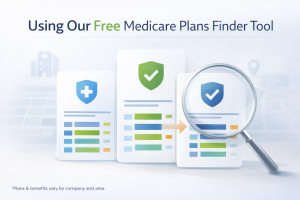
Using MedicarePartCPlans.org's Finder Tool by Location
Navigating the variety of Medicare Advantage plans, including location-specific options like Medicare HMO and PPO, can be daunting. The private insurance landscape is heavily influenced by regional factors, meaning the plan network and benefits can differ based on where you live. Enter the MedicarePartCPlans.org finder tool, an essential resource for Medicare beneficiaries exploring plan variations tailored to their geographic needs. This tool allows users to compare the coverage and costs of both HMO and PPO plans, highlighting how private healthcare providers and networks differ by location. Whether you’re considering the consistent structure of an HMO or the flexible coverage of a PPO, understanding the specific offerings in your area can make a significant impact on your satisfaction with your insurance plan.
Moreover, the tool provides insights into how regional healthcare providers partner with insurers like Anthem and Medicaid to deliver targeted Medicare Advantage options. If you’re someone who frequently travels or resides temporarily in different areas, this tool will be useful in evaluating how these Medicare plans accommodate such mobility within their network boundaries. With customizable search features, the finder tool distinguishes itself by providing a clear, unbiased way to explore and compare plans that ensure your healthcare needs align with available region-specific choices. Utilizing the MedicarePartCPlans.org finder tool is a proactive step in securing a Medicare plan that offers both comprehensive coverage and convenience tailored to your location.
Frequently Asked Questions About HMO and PPO Plans
Medicare beneficiaries and their caregivers often have questions about HMO and PPO plans, which are both integral parts of Medicare Advantage. Understanding these frequently asked questions can ease the decision-making process, especially when choosing between plans with varying provider networks and flexibility. Addressing common queries can clarify how these health plans function, detailing their structure, coverage options, and how they handle specialist referrals. Read on to learn more about the crucial aspects of HMO and PPO plans that help manage your health plan preferences wisely.
Addressing Common Queries for Beneficiaries and Caregivers
One common query from beneficiaries is about the difference in provider networks between HMO and PPO plans. With HMO plans, you’re required to use a network of healthcare providers that the insurance company pre-approves, and a primary care physician (PCP) manages your care. This approach means your doctor will give you specialist referrals, ensuring all your healthcare needs are coordinated within the network. In contrast, Medicare PPO plans offer more flexibility, allowing you to see both in-network and out-of-network providers, though at different cost levels. PPOs don’t require a PCP or specialist referrals, giving you more control over your provider choices.
Caregivers often ask about which plan better suits beneficiaries with ongoing health needs. If maintaining consistent care with a specific doctor within a limited budget is vital, an HMO plan might be preferable due to typically lower costs and the coordinated care approach. However, a PPO plan may be more appropriate if the beneficiary needs regular specialist visits or prefers direct access to providers without needing referrals, despite potential higher costs. Understanding these nuances is essential for making informed health plan decisions.
Both HMO and PPO plans come with distinct advantages that cater to different healthcare priorities, from managing costs with HMO’s structured networks to enjoying flexibility with a PPO’s broader choices. Exploring your healthcare needs, whether requiring strict primary care supervision or expansive provider access, can guide you toward the Medicare Advantage plan that aligns with your lifestyle and health requirements. Use tools on MedicarePartCPlans.org to compare plans by region, ensuring an ideal blend of coverage and convenience.
Deciding between a Medicare HMO or PPO plan requires careful consideration of your healthcare needs, preferences, and budget. Each plan offers distinct advantages and potential limitations, making it crucial to understand how they align with your personal situation. By evaluating factors like network restrictions, flexibility in choosing providers, and cost-sharing requirements, you can make an informed choice. Use our resources and tools at MedicarePartCPlans.org to further compare and explore your options, ensuring you find a plan that effectively meets your healthcare needs while maximizing your benefits.
Compare plans and enroll online
Frequently Asked Questions
What is the main difference between Medicare HMO and PPO plans?
Medicare HMO plans require you to select a primary care physician and use a network of doctors, often needing referrals for specialists. In contrast, Medicare PPO plans offer more flexibility, allowing you to see both in-network and out-of-network providers without needing referrals.
How do Medicare HMO plans handle healthcare coordination?
Medicare HMO plans emphasize coordinated care by requiring you to have a primary care physician. This doctor manages your healthcare and provides referrals for specialist services, often leading to more structured and potentially cost-effective care.
What flexibility do Medicare PPO plans offer in choosing healthcare providers?
Medicare PPO plans do not require choosing a primary care physician or referrals for specialist visits. They provide the flexibility to see any doctor or specialist, either in-network or out-of-network, though out-of-network services may incur higher costs.
What should I consider when choosing between an HMO and a PPO plan?
When choosing between an HMO and PPO plan, consider your healthcare preferences, such as the importance of having a primary care doctor, the need for flexibility in provider choice, and potential cost differences between network services. Use resources like MedicarePartCPlans.org to compare options based on your location.
How can regional factors influence Medicare Advantage plans?
Medicare Advantage plans can vary significantly by region, affecting the network and coverage available. These variations may be based on local healthcare provider networks and insurance offerings, making it essential to assess region-specific plans using tools like the MedicarePartCPlans.org finder.
Have Questions?
Speak with a licensed insurance agent
1-877-436-2343
TTY users 711
Mon-Fri: 8am-9pm ET
Find & Compare Plans Online
ZRN Health & Financial Services, LLC, a Texas limited liability company