If you’re exploring Medicare Advantage options, Kaiser Permanente might have caught your attention. As a trusted name in healthcare, Kaiser Permanente offers a range of Medicare Advantage plans that integrate medical and prescription drug coverage, a network of healthcare providers, and additional benefits to enhance healthcare convenience and choice. Understanding how Kaiser Permanente’s offerings align with your healthcare needs is crucial, especially for Medicare beneficiaries seeking comprehensive options. In this guide, we’ll delve into the details of what Kaiser Permanente provides and how it fits into the broader Medicare Advantage landscape.







Is Kaiser Permanente a Medicare Advantage Plan?
Key Highlights
- Kaiser Permanente integrates medical and drug coverage within Medicare Advantage plans for comprehensive healthcare.
- Permanente plans offer distinctive benefits such as wellness programs and a vast provider network for quality care.
- Understanding enrollment periods like IEP, AEP, and SEP is crucial to accessing Kaiser’s Medicare Advantage plans.
- Reviewing policy fine print ensures awareness of network limits and coverage details, including dental and vision.
- Kaiser offers a range of plans designed to fit diverse needs, supported by our free Medicare plans finder tool.
Compare plans and enroll online
Understanding Kaiser Permanente and Medicare Advantage
Kaiser Permanente is a significant player in the Medicare Advantage landscape, offering unique health plan options tailored to diverse coverage needs. Understanding how Medicare Advantage plans work and how Kaiser Permanente’s offerings fit into this framework can help beneficiaries make informed decisions. By exploring what makes Medicare Advantage plans distinct and how Kaiser Permanente’s specific options cater to Medicare beneficiaries, you’ll be better equipped to navigate your healthcare choices. Whether you’re new to Medicare or reassessing your plan, it’s crucial to comprehend the benefits and distinctions that Kaiser Permanente’s Medicare strategy provides.

What are Medicare Advantage Plans?
Medicare Advantage plans, also known as Medicare Part C, are health plans offered by private companies like Kaiser Permanente, which contract with Medicare to provide Part A (Hospital Insurance) and Part B (Medical Insurance). These plans often include additional benefits that Original Medicare doesn’t cover, such as prescription drugs, dental, vision, and hearing services. A Medicare Advantage plan can simplify your healthcare by consolidating all benefits under one plan, often reducing the complexity of managing multiple plans. Kaiser Permanente’s Medicare Advantage plans offer comprehensive coverage that might include HMO plans, providing a network of doctors to help manage your care. Unlike Original Medicare, these plans may have different cost-sharing structures and rules, emphasizing the importance of reviewing plan details carefully. As you explore Permanente’s offerings, assessing how a Medicare Advantage plan aligns with your healthcare needs can ensure you choose a plan that’s tailored to your specific requirements.
The Role of Permanente Medicare Options
Kaiser Permanente’s Medicare Advantage health plans offer a variety of options to cater to different levels of healthcare needs and preferences. As a trusted provider, the Kaiser Foundation Health Plan ensures high-quality care through its network of Permanente doctors and hospitals. These plans are designed to offer seamless integration of services within their comprehensive network, making it easier for members to receive coordinated care. Permanente offers unique benefits, such as advanced care technology and streamlined communication between patients and providers, improving overall healthcare experiences. When you consider Kaiser Permanente’s offerings, it’s essential to examine the scope of coverage, which often extends beyond standard Medicare benefits to include wellness programs, preventive care, and other member services. To fully appreciate the advantages of Kaiser Permanente’s Medicare Advantage plans, evaluate how they fit within your location-specific needs and their value based on your health priorities and budget.
To further explore the benefits of Kaiser Permanente’s Medicare Advantage plans, consider these key features and how they can enhance your healthcare experience:
- Broad access to a network of experienced Permanente doctors and specialized healthcare facilities.
- Integration of advanced care technology for improved patient outcomes and streamlined service delivery.
- Comprehensive coverage extending beyond standard Medicare, including wellness and preventive care services.
- Customized health programs tailored to individual needs, focusing on proactive health management.
- Efficient communication systems for patient-provider interactions, promoting transparency and understanding.
- Location-specific plans to address regional healthcare requirements and preferences.
- Options that may align with personal health goals and financial considerations.
These elements collectively contribute to the quality and reliability Kaiser Permanente is known for, offering tailored care solutions.

Kaiser Permanente Plans: Coverage and Benefits
Kaiser Permanente offers a range of Medicare Advantage plans designed to meet diverse healthcare needs while providing comprehensive coverage. These plans integrate various healthcare services, promoting quality care and efficiency. With key features like prescription drug coverage and access to a network of doctors, Kaiser Permanente ensures its members receive quality care tailored to their individual requirements. Understanding how these Permanente plans align with Medicare Advantage can help beneficiaries navigate their options effectively and make informed decisions about their healthcare journey.
| Key Features | Healthcare Services | Preventive Benefits | Alignment with Medicare Advantage |
|---|---|---|---|
| Coordinated care model | Primary care physician visits | Annual wellness exams | Integrated provider network |
| Comprehensive plan options | Specialist consultations | Health screenings | Includes Medicare Part A, B, and additional coverage |
| Flexibility in coverage choices | Hospital & emergency care | Vaccinations | Offers prescription drug coverage (Part D) |
| Emphasis on preventive care | Outpatient care services | Lifestyle management programs | Follows Medicare Advantage regulations |
This table highlights how Kaiser Permanente plans integrate essential healthcare services with preventive benefits, aligning closely with Medicare Advantage to offer comprehensive and coordinated coverage options.
Find & Compare Plans Online
Key Features of Permanente Plans
Kaiser Permanente’s plans are structured to provide a comprehensive approach to healthcare, incorporating benefits that extend beyond what Original Medicare alone can offer. Key features include coverage for prescription drugs, which is a significant advantage for those who require ongoing medication. Additionally, Kaiser Permanente enhances access to a network of experienced doctors, ensuring quality interactions and personalized care plans. These plans focus on delivering coordinated care through integrated services within the Kaiser Foundation Health Plan, which guarantees a seamless experience for members across various health services.
The inclusion of preventive care benefits, such as regular health screenings, wellness programs, and access to specialists, further distinguishes Kaiser Permanente’s offerings. By prioritizing quality of care, Kaiser Permanente strives to improve health outcomes for its members, helping them manage chronic conditions effectively. The overall goal is to support members in maintaining a healthy lifestyle while making healthcare more accessible and manageable. With a foundation in quality care, Permanente plans also emphasize the importance of clear communication between patients and providers, fostering trust and satisfaction in the healthcare journey.
How Permanente Plans Align with Medicare Advantage
Kaiser Permanente’s Medicare Advantage plans align closely with the overarching goals of Medicare Advantage, offering benefits that provide more than Original Medicare. These plans are structured to cater to both preventive and advanced healthcare needs, ensuring comprehensive coverage through a mix of hospital insurance, medical insurance, and additional services not covered by traditional Medicare. By incorporating drug coverage and offering a well-coordinated system, Permanente plans simplify the healthcare process for members, reducing the stress of managing multiple plans while still receiving quality care.
These plans are particularly advantageous for Medicare beneficiaries seeking simplified management of their healthcare services, as they bring together hospital, medical, and prescription drug coverage under a single plan. Kaiser Permanente’s emphasis on quality care is reflected in the ratings and reviews of its plans, reinforcing its reputation as a trusted provider within the Medicare Advantage segment. Understanding how these plans align with the specific requirements of Medicare Advantage enables beneficiaries to make informed decisions tailored to their healthcare needs and geographical location, ensuring they receive the benefits and coverage that best suit their lifestyle and health priorities.
Enrollment and Policy Considerations
Navigating the complexities of enrolling in a Kaiser Permanente Medicare Advantage plan involves understanding critical enrollment periods and thoroughly reviewing policy details. This knowledge empowers Medicare beneficiaries to make informed decisions and maximize their healthcare benefits. Whether you’re in California or Washington, it’s essential to understand how Kaiser Permanente structures its enrollment periods under the Medicare framework and the significance of reading the fine print. Each component, from enrollment to the specifics of your policy, plays a crucial role in ensuring comprehensive medical and prescription drug coverage tailored to your needs.
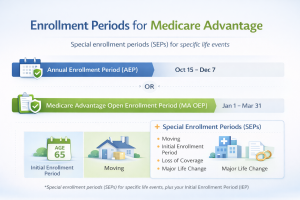
Important Enrollment Periods to Know
Understanding the key enrollment periods for Medicare is crucial for anyone considering a Kaiser Permanente Medicare Advantage plan. Primarily, there are three significant windows: the Initial Enrollment Period (IEP), the Annual Enrollment Period (AEP), and the Special Enrollment Period (SEP). The IEP is when you first become eligible for Medicare, typically around your 65th birthday. During this time, you can choose a Medicare Advantage plan, including those offered by Kaiser Permanente. The AEP runs from October 15 to December 7 each year and allows existing Medicare beneficiaries to review and change their plans. This period is crucial for those wanting to switch to a Kaiser plan or update their current policy for better coverage. SEPs are for special circumstances, such as moving to a new area like California or Washington, where different Kaiser Permanente plans may be available. These enrollment periods are essential for ensuring access to quality care, tailored to individual health needs and location. By aligning with federal guidelines, Kaiser Permanente ensures that these periods offer flexibility for members to adapt their healthcare coverage accordingly.
Reading the Fine Print: Understanding Your Policy
Deciphering the fine print of your Kaiser Permanente policy is critical to understanding the scope and limitations of your Medicare Advantage plan. Policies can vary widely between states, such as California and Washington, in terms of network availability, drug coverage, cost structure, and additional benefits. Knowing these details helps you avoid unexpected costs and ensures that your healthcare needs are met efficiently. A key aspect of understanding your policy is recognizing what is included under Part C, which often encompasses services that original Medicare doesn’t cover. This might include routine dental, vision, and hearing checks, making a thorough review of your policy vital. Moreover, understanding your policy’s network limitations is essential. Kaiser Permanente often operates in a Health Maintenance Organization (HMO) model, which requires using doctors and facilities within its network to maximize benefits. By carefully reading and understanding the policy’s fine print, you can make informed healthcare decisions, optimize your coverage, and benefit from any additional services offered by Kaiser Permanente.
In summary, Kaiser Permanente offers a variety of Medicare Advantage plans designed to fit the unique needs of Medicare beneficiaries. These plans combine hospital, medical, and often prescription drug coverage into one comprehensive plan. By exploring the options available, individuals can find a plan tailored to their healthcare needs and preferences. For a clearer understanding and a personalized comparison of plans in your area, consider using our free Medicare plans finder tool. This can help take the next steps towards selecting a Medicare Advantage plan that aligns best with your requirements.
Compare plans and enroll online
Frequently Asked Questions
What are Medicare Advantage plans, and how do they differ from Original Medicare?
Medicare Advantage plans, also known as Medicare Part C, are health plans offered by private companies that contract with Medicare. These plans provide both Part A (Hospital Insurance) and Part B (Medical Insurance) coverage, and often include benefits not covered by Original Medicare, such as prescription drugs, dental care, vision, and hearing services.
What additional benefits do Kaiser Permanente Medicare Advantage plans offer?
Kaiser Permanente Medicare Advantage plans offer additional benefits like wellness programs, preventive care, prescription drug coverage, and access to a network of doctors. These plans may also include dental, vision, and hearing services, personalized care plans, and advanced care technology.
How does Kaiser Permanente ensure quality care with its Medicare Advantage plans?
Kaiser Permanente ensures quality care through a vast provider network of doctors and hospitals, offering coordinated and integrated services. This approach improves communication between patients and providers, leading to better healthcare experiences and management of chronic conditions.
What should Medicare beneficiaries know about enrollment periods for Kaiser Permanente plans?
Understanding key enrollment periods is essential. The Initial Enrollment Period (IEP) occurs around your 65th birthday. The Annual Enrollment Period (AEP) runs from October 15 to December 7 and allows changes to existing plans. Special Enrollment Periods (SEP) apply under specific circumstances, like moving to a new area. These periods enable beneficiaries to access coverage that suits their needs.
Why is it important to review the fine print of a Kaiser Permanente Medicare Advantage plan?
Reviewing the fine print is crucial to understanding your plan’s scope and limitations, including network availability, drug coverage, cost structure, and additional benefits. This helps avoid unexpected costs and ensures your healthcare needs are efficiently met within the HMO model, which may require using in-network doctors and facilities.
Have Questions?
Speak with a licensed insurance agent
1-877-436-2343
TTY users 711
Mon-Fri: 8am-9pm ET
Find & Compare Plans Online
ZRN Health & Financial Services, LLC, a Texas limited liability company