Navigating the complexities of dental insurance can be challenging, especially when it comes to understanding coverage for dental implants. These high-cost procedures offer a lasting solution for missing teeth, making them a popular choice. However, insurance coverage varies widely, leaving many wondering if their plan includes implants. This comprehensive guide dives into the cost and coverage landscape, empowering you with essential insights to decide on dental implants. Delve into factors influencing coverage, evaluate potential out-of-pocket expenses, and learn how to assess your plan’s benefits to make informed decisions regarding this significant oral health investment.







Does Dental Insurance Cover Implants?
Key Highlights
- Dental insurance coverage for implants varies widely, often categorizing them as elective or cosmetic.
- Understanding specific insurance plan details is crucial to managing implant costs effectively.
- Geographic differences significantly impact dental insurance coverage for implants.
- Medicare Part C may offer partial dental implant coverage, but it varies by provider and plan.
- Careful plan evaluation and comparison aid in selecting suitable implant coverage options.
Compare plans and enroll online
Understanding Dental Insurance for Implants
For many, dental implants represent a significant investment in oral health, but navigating dental insurance for implants can often be complex. While dental insurance plans vary, understanding what your dental insurance plan may cover is crucial to managing costs. Many dental insurance companies don’t cover tooth implants, but some plans do offer partial coverage. Knowing the specifics of implant insurance is essential for planning. We’ll unpack what typical dental insurance might cover and provide insights into how to optimize your coverage options. Armed with this knowledge, you can make informed decisions about dental implants and insurance coverage.
What Does Dental Insurance Cover?
Dental insurance, as a financial tool, aims to reduce the burden of dental procedure costs, yet its nuances often leave many wondering, “Does dental insurance cover implants?” Indeed, many dental insurance companies don’t cover tooth implants fully, viewing them as an elective or cosmetic procedure rather than essential dental care.
Full coverage dental insurance might not exist for implants specifically, meaning beneficiaries often shoulder a portion of the expense. However, understanding the finer details of your insurance plan can illuminate potential benefits. Your dental insurance plan may cover some preparatory procedures, such as extractions or x-rays, which are necessary preliminaries for dental implants. Coverage dental benefits often extend to these essential components, easing some upfront costs.
The extent of dental insurance coverage varies significantly across providers, making it essential to thoroughly review policy details. Some plans categorize implants under major dental work, offering partial coverage which could significantly alleviate costs. Meanwhile, others may not cover implants at all, requiring out-of-pocket funding. Insurance companies might include limits or caps on reimbursement amounts, so it’s crucial to verify these financial thresholds when planning for implants.
Dental implants, therefore, necessitate a careful examination of how your insurance provider structures their offerings. Comparing different plans is advisable to find any that offer the greatest support for implant insurance needs. Ultimately, the assurances of dental insurance aid significantly, yet only through understanding your specific plan’s nuances will you maximize potential benefits.
Evaluating Dental Coverage Options
Choosing the right dental coverage can be daunting, especially when considering the specific needs of dental implants. Not all dental plans cover implants, making it essential to understand what each insurance provider offers. Many dental benefit plans help ease costs, but coverage can vary widely.
By exploring different companies, like Delta Dental, you’ll get a clearer picture of implant insurance and how it might fit into your overall healthcare plan. The details of services covered can influence your decision, highlighting the importance of thorough evaluation. Let’s take a closer look at how dental plans handle implant coverage.
Exploring Dental Plans and Implant Coverage
When it comes to dental plans, the landscape is quite varied, with each insurance company providing different levels of coverage for procedures like dental implants. Dental plans typically categorize implants as major services, which may affect whether or not they are fully covered.
Many dental plans might include dental implants under their umbrella of major dental services, but the extent of implant insurance often depends on your chosen plan and provider. An insurance company like Delta Dental might offer specific implant coverage, or suggest using broader coverage options to mitigate costs. The coverage of implants in dental plans can also be influenced by factors like policy limits and maximum annual benefits. To truly understand if your dental insurance plan may cover some costs of a dental implant, you’ll need to delve into specifics about what’s included in your policy.
Some plans might provide broader coverage through their network of providers while others might limit implant coverage altogether, leaving you to cover the cost out-of-pocket. Insurance providers often highlight which services are covered fully, partially, or not at all, emphasizing the necessity of gauging these details to align your expectations with reality.
Evaluating several dental plans could reveal the most cost-effective approach to dental implants, allowing you to balance monthly premiums against potential savings on dental services. Take advantage of resources like a free Medicare plans finder to compare options in your area. It’s about finding the right mix of dental coverage that meets your needs without overwhelming your budget, allowing for informed decision-making regarding your dental care.
Dental Implants: An Overview
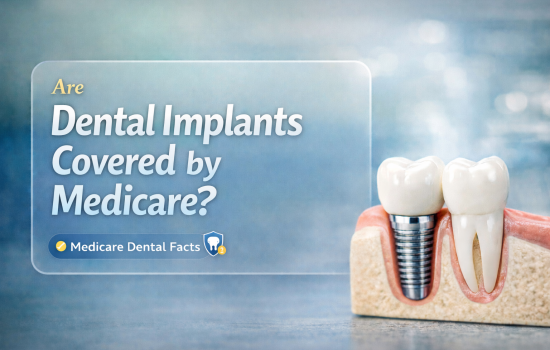
Dental implants stand as a vital solution for those seeking a long-term replacement for missing teeth. While they offer numerous benefits, such as improved dental structure and enhanced oral function, understanding how dental insurance intersects with implant costs is crucial. Varying insurance policies might cover aspects of dental implants, but full coverage is rare. This section delves into how different dental insurance plans handle implant coverage, exploring critical factors like service categorization, policy limits, and the role of providers like Delta and Humana. With informed insights, beneficiaries can navigate their options effectively.
Key Considerations for Dental Implant Coverage
When pondering dental implants, understanding the intricacies of implant coverage is invaluable. Dental insurance plans, including those from major providers like Delta, Humana, and Cigna, may categorize implants under major dental services, potentially affecting the coverage you receive. Typically, implant procedures are seen as elective or even cosmetic, leading many insurance plans to bypass full coverage.
Insurance for dental implants might include partial coverage, but this often depends on the specifics of your policy and the provider network. It’s critical to assess policy details, especially stipulations regarding service categorization, out-of-pocket costs, and annual benefit caps.
Supplemental insurance could provide additional support for dental services that traditional plans might exclude. If your standard dental plan doesn’t cover implants, considering a supplemental plan might mitigate costs more effectively.
Moreover, some plans offer coverages for preparatory procedures, like extractions, which are necessary before implants and might ease overall expenses. Furthermore, understanding the terms of different providers, such as those offering full coverage dental terms ambiguously, is essential to avoid unexpected costs.
The landscape of dental insurance is further complicated by geographic differences, where specific providers might offer better implant insurance coverage in certain regions.
Evaluating these variances, along with the comparisons of service coverage among major players, provides a strategic advantage. Before making a decision, utilize available tools like Medicare plans finder to compare benefits regionally. With careful consideration of implant insurance, and how it applies to dental services within your chosen plan, you’ll make well-informed decisions that align with both financial and healthcare needs.
Cost of Dental Implants
The cost of dental implants can be substantial, often leading individuals to seek insurance cover to alleviate these financial burdens. While implants offer significant oral health benefits, they come with various costs, including the implant procedure itself, consultations, and follow-up care. Understanding dental implant costs is essential in preparing financially for the procedure and evaluating how your dental insurance plan might aid in reducing these expenses. Coverage often varies by policy, and navigating these different options effectively can help maximize your benefits and minimize out-of-pocket expenses.
Breaking Down Implant Costs and Insurance Cover
When considering dental implants, it’s vital to break down the different components of implant costs. Typically, the expense begins with consultations and assessments, where dental professionals evaluate your overall oral health. This initial stage sets the groundwork for the implant procedure.
Next comes the actual implant surgery, which can be costly due to its complex nature and the materials used. Depending on your needs, the cost may also include preparatory procedures like extractions or bone grafting, which ensure the success of the implant. These steps collectively add to the implant cost significantly.
Navigating the insurance landscape requires understanding how your provider categorizes dental implants within their coverage levels. Some insurance companies may label implants as major dental services, offering partial coverage for these procedures.
This partial coverage is important as it could ease the cost of dental implants to a notable extent. However, full implant coverage is rare, so it’s crucial to verify what your specific policy entails. Insurance can also cover ancillary costs like x-rays or follow-up visits, further mitigating the overall expense.
Knowing the limits and caps on your insurance policy can prevent surprises. Limits might dictate the maximum coverage amount annually or per procedure, impacting how much of the implant costs you can reclaim.
Exploring different insurance options, like supplemental plans, might broaden your coverage, especially if your primary dental insurance doesn’t offer extensive implant coverage. By leveraging available resources, such as a free Medicare plans finder, you can identify insurance plans that align with your implant and overall dental care needs, ensuring that you make informed financial decisions.
Consider these factors to uncover potentially hidden aspects of implant costs and insurance coverage:
- Consult secondary opinions to ensure a comprehensive understanding of your oral health needs.
- Ask your insurance provider for a detailed breakdown of implant coverage specifics.
- Review other potential benefits like wellness programs that might include dental care aspects.
- Maximize savings through flexible spending accounts or health savings accounts.
- Investigate payment plans or dental financing options if upfront costs are challenging.
- Explore group plans that may offer additional benefits for family members.
- Check for any local dental clinics offering cost-effective services or community dental health initiatives.
These strategies will help you navigate implant costs and insurance effectively, optimizing your financial and dental wellness.
Find & Compare Plans Online
How Dental Coverage Varies by Location
The coverage dental insurance provides for implants can differ significantly based on where you live. Various factors, such as regional insurance policies, local providers, and state regulations, play a crucial role in shaping dental insurance coverage.
Understanding these geographic differences is pivotal for those considering dental implants, as it can impact what’s covered and what’s not by your insurer. As you dive into understanding how location affects dental coverage, youll be better positioned to maximize your insurance benefits and make well-informed decisions about your dental care, possibly using resources like Medicare plans finder for local insights.
Geographic Differences in Dental Implant Coverage
Geographic differences in dental implant coverage can greatly affect your overall dental insurance experience. Insurance companies often tailor their plans based on state regulations, local market factors, and the availability of dental services within a region.
For instance, dental plans in urban areas might offer more comprehensive coverage for dental implants because of a higher density of dentists and dental specialists. Conversely, in rural settings, dental insurance plans might not cover as many services, including implants, given the limited number of providers available.
Insurance cover varies, and this variance often results in differing coverage for the same procedure depending on where you are insured. For example, some states may have more stringent requirements that affect whether a dental insurance provider offers full or partial coverage for implants.
Insured individuals need to research how dental implants are categorized under local insurance policies, in some locations, they might be classified as major services, impacting out-of-pocket costs significantly.
Local nuances also mean that insurance providers might negotiate different terms with dentists across regions, affecting what’s covered and at what cost. It’s imperative for insured individuals to engage directly with their insurance company to understand these details, as two similar policies might offer divergent coverage due to geographic influences.
Using online tools to compare dental coverage across various regions can provide clarity and aid in selecting the most suitable insurance plan. Ultimately, being informed about these geographic nuances can help dental implant candidates make financially sound decisions tailored to their specific coverage dental needs.
Comparing Medicare Advantage Plans for Dental Benefits
When exploring dental benefits under Medicare Advantage plans, understanding the nuances of coverage for procedures like dental implants is crucial. Medicare Part C plans, offered by private insurance companies such as Humana and Cigna, often include dental services, but the extent of coverage can vary significantly.
With costs for dental implants being substantial and coverage varying by location, it’s essential to compare available Medicare Advantage plans to identify the one that best fits your needs. This section will delve into how dental implants are covered under Medicare Part C, highlighting key considerations for beneficiaries.
How Dental Implants Are Covered Under Medicare Part C
Medicare Part C, also known as Medicare Advantage, offers an alternative way to receive Medicare benefits through private insurance companies. These plans often include additional benefits not typically covered under Original Medicare, such as dental insurance, which can encompass dental services and, in some cases, dental implants.
However, understanding how dental implants are covered under Medicare Part C requires scrutinizing the details of each plan, as coverage can vary widely between insurance providers. Typically, dental implants are categorized as a major dental service, which impacts the level of coverage offered. While some Medicare Advantage plans might offer partial coverage, others may exclude them entirely, leaving beneficiaries responsible for significant out-of-pocket expenses.
As you evaluate how dental implants are covered under Medicare Part C, it is important to consider that these plans might cover preliminary procedures necessary for implants, such as extractions or x-rays. Exploring your specific plan’s services can potentially reveal benefits that ease the financial burden associated with acquiring dental implants.
Different Medicare Advantage plans might provide varying levels of coverage, including those offered by leading insurance companies like Humana and Cigna. Additionally, the plan’s network of providers plays a critical role in dictating the availability and cost of dental services, further influencing the coverage you might receive. Evaluating these aspects will help ensure you’re insured correctly for the services you require.
Utilizing resources such as a Medicare plans finder can significantly aid beneficiaries in comparing different plan options by location, as coverage dental insurance offers for implants can differ across regions. Such tools provide valuable insights into the options available in your area, showcasing differences in policy limits, service categorization, and provider networks, all crucial factors in your decision-making process.
Moreover, considering supplemental coverage could prove beneficial if your primary plan inadequately addresses the expenses of dental implants. To make informed decisions, carefully assessing how dental implants are covered under Medicare Part C and leveraging every resource at your disposal is essential in aligning your insurance coverage with your healthcare needs and financial capacity.
Making Informed Decisions on Dental Plans
Understanding the nuances of dental plans is crucial, especially when considering dental implants. Each dental insurance provider offers different levels of coverage for implants, making it vital to evaluate options carefully. Selecting the right dental insurance can significantly impact the costs associated with implants.
By gaining insights into dental plans, coverage types, and insurance policies, beneficiaries can make well-informed decisions. Weв explore strategies to aid in choosing insurance plans that cover implants effectively and discuss the importance of evaluating service providers to align coverage with individual needs.
| Coverage Type | Policy Limits | Service Categorization | Geographic Impact |
|---|---|---|---|
| Basic Coverage | Annual Maximums | Preventive and Diagnostic | Regional Networks |
| Major Treatment | Lifetime Limits | Restorative and Surgical | Out-of-Area Charges |
| Advanced Replacement | Out-of-Pocket Caps | Specialized Procedures | Location Variability |
| Comprehensive Plan | Combined Service Ceilings | Implant Specific | State Regulations |
This table serves as a guide to evaluating dental insurance plans, focusing on dental implants. It highlights different aspects to consider, such as the type of coverage available, financial caps imposed by the policy, how services are categorized, and how geographical differences can impact coverage. By understanding these elements, consumers can make more informed decisions when selecting a dental insurance plan that best suits their dental implant needs.
Tips for Selecting the Right Dental Insurance for Implants
Choosing the right dental insurance plan for implants requires careful consideration of several key factors. First, its important to understand the types of dental plans available and how they categorize services related to implants.
For example, many dental insurance companies, like Delta or Humana, classify implants under major dental services, which can influence the coverage offered. Evaluating whether a plan offers full, partial, or no coverage for implants is essential. Recognizing that full coverage is rare can help set realistic expectations and guide your insurance decisions.
When exploring dental plans, pay close attention to policy limits and any caps on the coverage of services. Some insurance providers may impose limits on annual benefits or specific service categories, which could affect how much you end up paying out-of-pocket for implants.
Assessing these financial thresholds in your insurance policy can provide insights into how the insurance provider structures their offerings and what you can claim for implant-related costs.
Its also beneficial to compare dental plans from different insurance companies, such as Cigna or supplemental options, to identify those that best align with your implant needs. Use available tools to compare dental coverage based on location, as geographic differences can significantly influence what’s covered.
Services that might be covered in urban areas could differ from those in rural settings, due to variations in local providers and state regulations. By employing these tips, you can make informed choices about dental insurance coverage, ensuring you select a plan that best supports your financial and healthcare requirements.
Evaluating dental insurance coverage for implants can be complex, as policies vary widely. By understanding plan options and costs, you can make informed decisions that align with your health needs and budget.
It’s helpful to explore different plan benefits and consult with your dentist to clarify coverage details. MedicarePartCPlans.org offers tools and resources to compare local plans efficiently. Empower your dental health choices by staying informed about how coverage can aid with managing implant costs, ensuring you’re prepared to navigate this essential aspect of dental care.
Compare plans and enroll online
Frequently Asked Questions
Does dental insurance cover dental implants?
Dental insurance coverage for implants varies significantly. Many plans classify implants as elective or cosmetic, offering partial or no coverage. It’s essential to review your specific insurance policy details to understand coverage levels for implants.
How can geographic location impact dental implant insurance coverage?
Geographic differences can greatly affect dental insurance coverage for implants. Regional policies, local dental provider availability, and state regulations can influence the extent of coverage. Urban areas might offer more comprehensive benefits due to a higher density of dental services.
What is the role of Medicare Part C in dental implant coverage?
Medicare Part C, or Medicare Advantage, may provide partial dental implant coverage. The extent of coverage varies by provider and plan specifics. Reviewing your plans details will help understand what procedures are covered under Part C.
What are common limitations or caps with dental insurance for implants?
Insurance policies may have limits or caps on the coverage amount annually or per procedure, impacting the out-of-pocket costs for dental implants. This makes it important to verify these financial thresholds when planning for implants.
How should I evaluate different dental plans for implant coverage?
Evaluating dental plans involves understanding the coverage levels for implants and whether they are classified under major services. Comparing plans from several providers and understanding policy limits will help in selecting a plan that aligns with your needs.
Have Questions?
Speak with a licensed insurance agent
1-877-436-2343
TTY users 711
Mon-Fri: 8am-9pm ET
Find & Compare Plans Online
ZRN Health & Financial Services, LLC, a Texas limited liability company