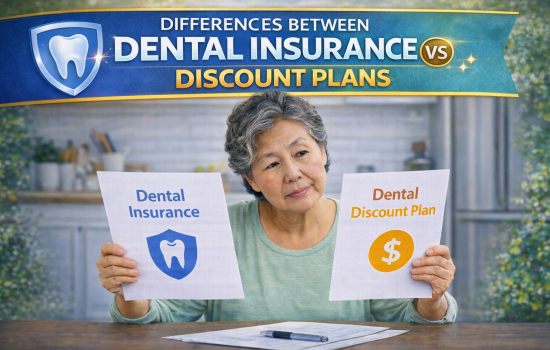
To understand the true cost implications of dental discount plans versus traditional dental insurance, it’s important to evaluate out-of-pocket expenses thoroughly. Dental discount plans differ significantly from insurance in that they require a yearly membership fee paid up front.
This fee provides access to significant savings through a network of participating dental providers. When services are received, members simply pay a discounted fee directly to the provider, rather than navigating claims or waiting for reimbursements. This upfront transparency in pricing allows individuals to plan their dental care budget without unexpected costs creeping in.
Traditional dental insurance, however, often comes with more variables. Policyholders usually face monthly premium payments alongside deductibles and copayments. These costs can vary widely based on the plan type and coverage levels. For example, while preventive services might be largely covered, basic and major services often entail copayments or coinsurance obligations.
This adds a layer of complexity when comparing dental plans, as individuals must carefully calculate their likely out-of-pocket expenses over a year. The predictability of costs in discount plans is a major advantage, eliminating the surprise bills associated with insurance usually arising from treatment that’s not fully covered.
Furthermore, insurance companies manage risks by implementing coverage limits and exclusions, influencing the total costs paid by the insured. Annual maximums in dental insurance, for instance, cap the benefit one can receive over a year, potentially requiring out-of-pocket payment once a certain threshold is reached.
This is not a concern with dental discount plans, where benefits can be drawn upon as needed, up to the extent of treatment desired, without hitting a pre-set limit. This flexibility can be especially valuable for those with significant dental needs or those seeking cosmetic procedures, which are often not covered by traditional dental insurance.
Both dental discount plans and dental insurance have their merits, but choosing the right option depends on individual circumstances, such as dental care needs and financial priorities. Whether seeking immediate savings through a discount plan or long-term coverage via insurance, understanding the full scope of out-of-pocket expenses is key to making an informed decision. Explore options on MedicarePartCPlans.org to compare and learn about potential plans available in your area, ensuring your dental care aligns with your budget and coverage preferences.
Understanding the distinctions between dental discount plans and traditional insurance is crucial for making a choice that aligns with your dental health needs. While insurance provides comprehensive coverage for a range of services, discount plans offer immediate reductions in treatment costs. By evaluating the scope of coverage, costs, and specific dental requirements, beneficiaries can select a solution that optimizes their healthcare and financial interests.
Utilizing available tools and resources can further assist in navigating these options effectively, ensuring dental care remains accessible and aligned with personal needs and preferences.