Navigating dental care costs can be challenging for seniors in retirement, as oral health is crucial for overall well-being. By understanding the range of dental care options available, seniors can better manage these expenses while maintaining optimal health. From adopting preventive care practices to exploring supplemental insurance options, there are several strategies to help ease the financial burden of dental services. This guide provides practical insights and resources to aid seniors in making informed decisions and securing the most cost-effective solutions for their dental care needs in a way that aligns with their overall retirement budget.







Cost-Saving Tips for Senior Dental Care
Key Highlights
- Medicare Advantage plans may include dental benefits, covering routine and extensive dental care needs.
- Dental insurance offers broader dentist networks and extensive coverage compared to Medicare Advantage plans.
- Discussing financial constraints with dentists can lead to tailored, affordable care options.
- FSAs and HSAs help seniors use pre-tax income for dental expenses, easing financial burdens.
- Regular checkups and daily dental care habits significantly reduce future dental costs for seniors.
Compare plans and enroll online
Understanding Dental Insurance and Medicare Advantage Plans
As you navigate your dental care options in retirement, it’s crucial to grasp the distinctions between dental insurance and Medicare Advantage (Part C) plans. These choices impact not just your dental health but also your financial health.
Medicare Advantage plans can sometimes offer dental benefits, while standalone dental insurance typically provides extensive coverage for routine and specialized procedures. Understanding the nuances can help you make informed decisions that maximize your care and control costs. Let’s delve into how Medicare Advantage plans address dental care and explore the key differences between these insurance options.
How Medicare Advantage (Part C) Plans May Cover Dental Care
Medicare Advantage (Part C) plans offer an alternative to Original Medicare, combining hospital and medical coverage and often including additional benefits like dental care. While Original Medicare doesn’t cover routine dental services, Medicare Advantage plans frequently incorporate dental benefits, which can be a boon for seniors seeking comprehensive healthcare coverage.
Depending on the specific plan, you might have access to preventive services such as cleanings, exams, and X-rays, among others. Some plans may offer coverage for more extensive dental work, like fillings, extractions, and even dentures. It’s essential to review each plan carefully, as coverage can vary significantly between different providers and regions.
When evaluating these plans, consider the dental network involved. Many Medicare Advantage plans operate within a network of dentists, which might limit your choices if your preferred dentist isn’t included. Understanding the plan’s structure can ensure you select an option that aligns with your needs.
Additionally, pay attention to costs such as co-pays and deductibles associated with dental care under these plans. By leveraging the right tools, like a Medicare plan finder, you can compare the dental options offered by different Medicare Advantage plans based on your specific location and coverage requirements.
Key Differences Between Dental Insurance and Medicare Options
While both dental insurance and Medicare Advantage plans provide coverage for dental care, significant differences exist between them that can affect your decision-making process. Standalone dental insurance typically offers a more straightforward structure, focusing solely on dental benefits.
These plans are often designed to cover a comprehensive range of services, from preventive care to major procedures like crowns and root canals. On the other hand, Medicare Advantage plans bundle dental with other types of care, which can simplify your healthcare management but might also come with more restrictions.
One key factor to consider is the network of dentists. Dental insurance often provides a broader network of dentists, allowing more flexibility when choosing providers. With Medicare Advantage, you might be limited to a specific group of dentists, which can affect your choice based on location and service quality.
Additionally, the cost-sharing components like deductibles, co-pays, and premiums can differ significantly. Dental insurance might have a higher premium but could cover more extensive services with less out-of-pocket cost, whereas Medicare Advantage could have lower premiums but higher costs for dental care.
Understanding your options thoroughly can help in creating a dental care strategy that aligns with your financial abilities and personal preferences. Always consider the plan’s coverage limits, waiting periods, and any applicable exclusions.
Research and comparison are crucial, and tools like a free Medicare plan finder tool can be invaluable in comparing various plans based on your needs. This strategic approach positions you to make informed decisions about managing retirement dental care costs effectively.
To further assist in your decision-making process, here are some practical considerations when evaluating dental insurance and Medicare Advantage plans:
- Examine the dental services covered in each plan for a comprehensive understanding.
- Compare network options to ensure accessibility to preferred dental care providers.
- Evaluate cost-sharing components such as premiums, deductibles, and co-pays for clarity on financial commitments.
- Check for any applicable waiting periods that might delay access to certain services.
- Understand any exclusions or limitations that might affect long-term dental care needs.
- Utilize available tools for plan comparison tailored to your specific dental care requirements.
- Consider the implications of bundling dental services with other Medicare Advantage benefits.
Taking these factors into account will aid in crafting a personalized dental care strategy.
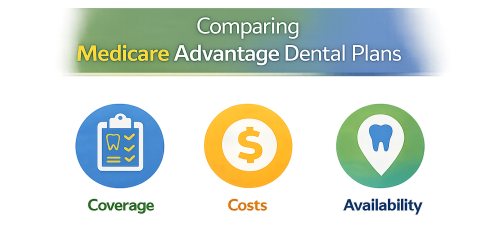
Budgeting for Dental Care: Share Your Financial Constraints
Dental care costs can feel overwhelming, especially in retirement. Engaging in candid discussions with dentists about your financial situation can open doors for more affordable solutions. Understanding the benefits of flexible spending accounts (FSA) and other health savings programs can help ease these costs. Seniors must explore various member benefits and assistance programs that health services offer, ensuring they access necessary care without financial strain. Leveraging such options ensures seniors can maintain oral health while managing expenses effectively. This approach allows for a balance between quality care and budgetary constraints.
Discussing Costs with Your Dental Care Provider
When it comes to managing dental care expenses, open communication with your dentist is key. Discussing your financial constraints candidly can lead to more personalized care solutions. Dental care providers often have various member benefits and might offer discounts or assistance programs to seniors.
Explaining your budget limits enables dentists to tailor treatment plans that fit your financial situation while still addressing your oral health needs. Don’t hesitate to ask about flexible payment options or any senior discounts available at your dental practice.
Additionally, consider inquiring about the necessity of certain dental services. Sometimes, immediate treatment can be postponed or alternative solutions might be available that are more affordable. Many dentists understand the importance of balancing cost with necessary care and are willing to discuss effective but less expensive treatment options.
It’s essential to stay informed about the costs associated with various procedures and negotiate whenever possible. This proactive approach not only makes dental care more manageable financially but also ensures that you continue receiving the services you need without undue stress.
Exploring Flexible Spending Accounts (FSA) and Health Savings Options
Flexible Spending Accounts (FSAs) and Health Savings Accounts (HSAs) offer strategic options for covering dental expenses. These accounts allow you to set aside pre-tax income for qualified medical costs, including dental care.
By utilizing FSAs and HSAs, seniors can effectively reduce their taxable income and have funds specifically earmarked for health-related expenses, easing the overall financial burden. It’s crucial to understand how these savings options work, as they have different rules and benefits.
FSAs are typically employer-sponsored, allowing contribution limits that vary annually. Planning contributions based on anticipated dental services can prevent unexpected financial stress. Health Savings Accounts offer more flexibility for those with high-deductible health plans, allowing funds to roll over annually if unused.
As you budget for dental care, consider your retirement strategy for these accounts and how they can maximize your member benefits. Many financial services or retirement programs provide guidance on the best practices for contributing to these accounts, ensuring your approach aligns with future healthcare needs and helps manage costs effectively.
With the right strategy, FSAs and HSAs become valuable tools in retirement planning, supporting seniors in maintaining their oral health without compromising their financial well-being. Explore these options thoroughly and consult with a financial advisor to optimize your savings approach, utilizing programs designed to benefit your unique needs while aligning with your dental care objectives.
The Importance of Preventive Care for Seniors
Maintaining oral health becomes increasingly crucial in your golden years, and preventive care plays a significant role in this. Routine checkups and daily dental practices are essential for seniors to manage oral health effectively. As you embrace this stage of life, understanding how regular dental visits and good habits can prevent more severe health issues and expenses down the line is vital.
Preventive care not only safeguards your health but also offers significant savings over time by reducing the need for extensive treatments. Let’s delve deeper into the significance of routine checkups and habitual dental care practices.
| Aspect of Preventive Care | Practices/Recommendations | Benefits |
|---|---|---|
| Routine Dental Checkups | Schedule biannual visits to the dentist | Early detection of issues; avoids complex treatments |
| Proper Oral Hygiene | Brush twice daily with fluoride toothpaste | Reduces the risk of cavities and gum disease |
| Flossing | Incorporate daily flossing into oral care routine | Maintains gum health and prevents plaque build-up |
| Dietary Considerations | Limit sugary foods and beverages | Helps in the prevention of tooth decay |
This table illustrates the essential preventive care measures for seniors, emphasizing the balance between routine checkups and daily dental habits to enhance oral health and decrease future costs.
Routine Checkups: A Cornerstone of Dental Health
For seniors, regular dental checkups are indispensable to maintaining optimal oral health. As we age, we become more susceptible to a variety of oral health issues, such as gum disease, tooth decay, and even oral cancers.
By scheduling routine checkups, you’re enabling your dentist to catch potential problems early on, when they are most treatable and less costly. Typically recommended every six months, these appointments are crucial for early prevention and thus, can lead to noteworthy savings as they help avoid more complex procedures later.
During these checkups, dentists conduct thorough examinations to monitor for signs of oral health issues, provide professional cleanings, and offer personalized advice tailored to your specific needs.
Through these visits, your dentist can also review existing conditions like dentures or dental implants, ensuring everything remains in good condition and functions correctly. It’s essential to discuss any concerns or changes in your oral health with your dentist during these visits. Leveraging a soft-bristled toothbrush and ensuring you brush twice daily are practical recommendations that they’ll often reinforce.
Medicare Advantage plans might cover some aspects of these routine checkups, depending on the plan. It’s important to explore your benefits and use tools such as the Medicare plans finder to compare how different plans support your preventive care needs.
By pairing your plan benefits with routine checkups, you optimize both your oral health and potential savings, reducing the financial burden associated with unforeseen dental issues.
Incorporating Habitual Dental Care Practices
Incorporating effective dental care habits at home is just as vital as attending regular dental appointments. For seniors, maintaining these practices helps ensure long-term oral health and can significantly minimize future dental costs.
Start with a simple yet effective routine: brush your teeth twice a day using a soft-bristled toothbrush, which is gentle on your gums while effective at removing plaque. Using fluoride toothpaste and flossing at least once daily helps prevent complications such as cavities and gum disease.
Another habit that’s often overlooked is maintaining a balanced diet rich in nutrients that support oral health. Foods high in calcium, such as dairy products, leafy greens, and certain fish, are beneficial for keeping teeth strong.
Additionally, reducing intake of sugary drinks and foods lowers the risk of tooth decay and related health issues. Drinking water throughout the day helps wash away food particles and bacteria, playing a role in sustaining a healthy oral environment.
Educating yourself on the importance of these habits can be vital for maintaining oral health while managing costs. Tools and resources, such as those offered by Delta Dental, provide valuable insights and guidelines.
Encouraging regular consultations with your dentist can reinforce these practices, adapting them to changes in your health over time. By diligently integrating these habits, you achieve a proactive stance in your dental care, further lowering the probability of needing expensive dental treatments in the future.
Find & Compare Plans Online
Comparing Dental Plans: What to Consider Before You Purchase
Choosing a dental plan in retirement involves more than just comparing costs; its about understanding coverage levels, network providers, and the pros and cons of standalone plans. While the cheapest plan might seem appealing initially, evaluating what each option offers based on your unique needs can prevent unexpected expenses.
Considering aspects such as network accessibility and potential savings can lead to smarter decisions. To effectively manage dental care expenses in retirement, understanding the nuances of different dental plans is crucial. Let’s look at how coverage levels, network providers, and standalone plans play into your decision-making process.
Evaluating Coverage Levels and Network Providers
When selecting dental plans, its essential to consider the coverage levels offered and how these align with your dental care needs. Many plans, including those offered by Delta Dental, have varying levels that cover preventive, basic, and major services in different proportions. Understanding these distinctions can ensure you have the coverage appropriate for your anticipated dental care needs.
Often, preventive services like regular cleanings and exams may be covered at a higher percentage or even fully, which is beneficial for maintaining routine oral health. However, coverage for major procedures, such as root canals or dentures, might only be a fraction, leaving you with more considerable out-of-pocket expenses.
The network of providers that a dental plan accesses is another critical factor. Some dental plans, especially discount plans, offer substantial savings if you use network providers. However, your preferred dentist or specialist might not be part of this network, and visiting an out-of-network provider can lead to higher costs.
Before settling on a plan, verify whether your current dentist is within the network, and if not, consider the quality and accessibility of the network dentists. Taking the time to research and contact these providers can help you assess their services and determine if they meet your standards for care.
Ultimately, evaluating these elements thoroughly allows you to align your dental care plan with your personal health requirements, ensuring adequate coverage without unexpected expenses. Leverage tools like the Medicare plans finder to compare dental options and make an informed decision based on precise provider networks and coverage needs.
Understanding the Role of Standalone Dental Plans
Standalone dental plans offer targeted dental coverage independent of overall health insurance, which can be a strategic choice for seniors focusing on specific dental needs. Unlike bundled Medicare Advantage plans, standalone plans typically offer more comprehensive dental coverage, from basic preventive care to complex procedures, under one umbrella.
They are particularly beneficial for those whose existing Medicare Advantage plan lacks extensive dental benefits or who prefer not to change their current healthcare setup.
One of the primary advantages of these standalone plans is flexibility. You have the option to select a plan tailored precisely to your dental care needs, without worrying about how it fits with your existing healthcare coverage.
Many standalone plans, such as those from Delta Dental or similar providers, offer extensive networks of dentists and often broader choices of providers. This makes it easier to maintain your existing relationship with your dentist or select one based on quality, convenience, and your comfort level.
However, its important to weigh these benefits against potential higher premiums. While standalone plans might offer richer benefits, they often come at a higher cost than including dental coverage in a Medicare Advantage plan. Understanding these variables is crucial in balancing your total health care expenses and optimizing coverage.
Thorough research and direct consultations with potential providers can unlock insights into the member benefits available, ensuring you select a plan that provides comprehensive care and aligns with your financial strategy.
Whether youre looking to maximize flexibility or prioritize savings, understanding the role of standalone plans empowers you to make choices that enhance your dental health management in retirement. Engage with resources like MedicarePartCPlans.org to access detailed comparisons and insights, equipping you to navigate your options effectively.
By implementing these cost-saving strategies, seniors can effectively manage dental expenses during retirement while maintaining good oral health. Considering different insurance options, utilizing dental schools for lower-cost services, and embracing preventive care are practical methods to reduce out-of-pocket costs.
These proactive steps help in planning and budget management, ensuring that dental health remains a priority. Additionally, leveraging community resources and discount programs can provide further assistance. Understanding available choices empowers seniors to make informed decisions tailored to their unique needs, fostering a healthier, more financially secure future.
Compare plans and enroll online
Frequently Asked Questions
What are Medicare Advantage (Part C) plans and do they cover dental care?
Medicare Advantage (Part C) plans are alternatives to Original Medicare, often including additional benefits such as dental care. These plans might cover preventive services like cleanings, exams, and X-rays, and potentially more extensive procedures like fillings and dentures, depending on the specific plan. Coverage details vary by provider and location.
How does standalone dental insurance differ from Medicare Advantage plans?
Standalone dental insurance typically provides comprehensive dental coverage, focusing solely on dental care, and often includes a broader network of dentists than Medicare Advantage plans. In contrast, Medicare Advantage plans bundle dental coverage with other healthcare services, which can simplify management but may come with more network limitations.
Are there ways to manage dental expenses in retirement beyond insurance options?
Seniors can manage dental costs by using Flexible Spending Accounts (FSAs) and Health Savings Accounts (HSAs) to pay for dental expenses with pre-tax income. Additionally, discussing financial constraints with dentists can lead to tailored, affordable care solutions. Participating in preventive care practices like regular checkups and good dental hygiene can significantly reduce future dental costs.
Why is preventive dental care important for seniors?
Preventive dental care, including regular checkups and good daily dental practices, is crucial for seniors as it helps detect and address oral health issues early, reducing the need for more costly and intensive treatments later. Maintaining a routine that includes professional cleanings and examinations can offer significant long-term savings and protect overall health.
What should seniors consider when choosing a dental plan in retirement?
When selecting a dental plan, seniors should consider coverage levels, the network of providers, and whether a standalone plan or a Medicare Advantage plan best meets their needs. Evaluating factors such as preventive and major service coverage, network accessibility, and any out-of-pocket costs will help ensure the plan aligns with both dental care requirements and financial plans.
Have Questions?
Speak with a licensed insurance agent
1-877-436-2343
TTY users 711
Mon-Fri: 8am-9pm ET
Find & Compare Plans Online
ZRN Health & Financial Services, LLC, a Texas limited liability company