Medicare Part D is an essential component of your healthcare coverage, designed to help manage the cost of prescription drugs. However, understanding its deductibles can be challenging. This introductory guide will walk you through the fundamentals of Medicare Part D deductibles, how they impact your out-of-pocket expenses, and the roles they play in insurance plans. By understanding these key elements, you can make informed decisions about managing medication costs and selecting plan options that cater to your unique healthcare needs.







Medicare Part D Deductible
Key Highlights
- Medicare Part D helps manage prescription drug costs with premiums, deductibles, and copayments.
- Understanding Part D deductibles is key to optimizing coverage and controlling out-of-pocket expenses.
- Part D drug plans vary; compare them to fit your needs and manage prescription expenses effectively.
- Enrollment periods are crucial for choosing or changing your plan to avoid penalties or coverage gaps.
- Annual reviews of your Part D plan help adapt to health changes and maintain cost-effective coverage.
Compare plans and enroll online
Introduction to Medicare Part D Deductibles
Understanding Medicare Part D deductibles is crucial for managing your prescription drug costs and maximizing your benefits. A Medicare Part D plan typically involves various costs, including premiums, deductibles, and copayments. Knowing how these deductibles work can significantly affect your coverage decisions. In this section, we’ll explore what a deductible is, how it impacts your plan and what you need to be aware of regarding out-of-pocket costs. This knowledge is essential for those new to Medicare and current beneficiaries looking to optimize their prescription drug coverage.
What Is a Deductible and How Does It Affect Your Coverage?
A deductible is the amount you must pay out of pocket for your prescription drugs before your Medicare Part D plan begins to cover your costs. Your deductible can vary depending on the specific plan you choose. Understanding how this affects coverage is vital for effectively managing your prescription drug expenses.
Deductibles can influence the overall affordability of your plan, especially in the initial coverage phase, where out-of-pocket costs might be more noticeable. While some plans offer a low or $0 deductible, others might have higher deductibles, impacting how quickly you reach full coverage.
Its essential to understand your deductible and how it integrates with premiums and copayments, ensuring you’re prepared for the financial aspects of your prescription drug plan. Make sure to regularly review and compare different plans using tools like the one available on MedicarePartCPlans.org to find options tailored to your specific needs and understand how changes in coverage affect your overall costs.
How Medicare Part D Works with Prescription Drug Coverage
Medicare Part D offers prescription drug coverage designed to help beneficiaries manage their medication expenses effectively. Understanding how these plan types operate is key to making informed decisions about your healthcare needs. Medicare Part D primarily works through private providers offering various drug plans tailored to meet specific needs, with each plan differing in terms of premiums, coverage, and cost-sharing components.
Knowing the intricate details, like the role of deductibles and copayments, is crucial. Whether new to Medicare or reviewing existing coverage, comprehending these elements ensures you optimize your benefits and manage your prescription costs.
| Plan Type | Premiums | Cost-Sharing Components | Formulary & Coverage | Decision Factors |
|---|---|---|---|---|
| Stand-alone Prescription Drug Plan (PDP) | Varies by plan and location | Deductibles, co-pays, co-insurance | Varied range of covered drugs; tiers for cost-sharing | Compatibility with other insurance, specific medication needs |
| Medicare Advantage Plan (Part C) | May include plan premium plus original Medicare premium | Network restrictions, co-pays, co-insurance | Integrated with medical coverage; formulary may differ | Provider network, plan flexibility, additional benefits |
| Dual-Eligible Plan (Medicare/Medicaid) | Premium assistance may be available | Reduced cost-sharing; assistance programs available | Comprehensive drug coverage aligned with needs | Eligibility for financial aid, extent of overlap with Medicaid |
This table highlights the critical components of Medicare Part D plans, helping beneficiaries navigate their options with a clear understanding of plan dynamics and potential cost implications.
The Role of Drug Plans in Medicare Part D
Drug plans under Medicare Part D serve as the backbone of prescription drug coverage. Each drug plan, provided by private insurance companies, is designed to offer essential coverage for prescription drugs. Understanding the variety of plans available can greatly impact your overall healthcare strategy, as these plans come with differing benefits, premiums, and cost-sharing structures.
A key feature is the formulary, which is the list of drugs covered by the plan; this dictates the coverage extent for your medications. When considering a Medicare Part D drug plan, it’s important to evaluate how each plan aligns with your prescription drug needs and financial situation. Factors such as monthly premiums, the cost of drugs, and coverage levels should all be considered.
Cost-sharing mechanisms like copayments, coinsurance, and the prescription drug deductible can significantly influence your out-of-pocket expenses. Furthermore, the cost of a plan may vary depending on providers, so comparing options is essential. Navigating these plans requires understanding terminology and plan specifics, which can support better decision-making and potentially lead to significant savings on medication costs.
Utilizing resources like the Medicare plans finder tool can help break down the complexities, providing clear information on pharmacy networks, drug costs, and plan benefits that match your healthcare needs. Staying informed about these aspects can assist you in choosing a drug plan that balances coverage and affordability. This proactive approach is vital, especially with potential changes in your health affecting your overall Part D plan and costs.
Understanding the Costs: Premiums, Deductibles, and Copayments
When navigating Medicare Part D, beneficiaries often encounter various costs such as premiums, deductibles, and copayments. These payment structures determine how much you pay for your prescription drugs and can influence your out-of-pocket expenses significantly. It’s crucial to comprehend these elements to make informed decisions about your coverage. You’ll need to understand the role of monthly premiums, how deductibles can affect initial drug costs, and the impact of copayments in daily medication management. Grasping these concepts helps Medicare beneficiaries manage financial commitments while ensuring they receive necessary prescription drug coverage.
Breaking Down the Costs Associated with Part D
The costs that come with Medicare Part D plans comprise several key components: monthly premiums, deductibles, and copayments. The premium is a monthly fee you pay to maintain your Part D coverage. These premiums can vary by plan, and some plans may include additional costs if you choose brand-name drugs or have high-income brackets.
Understanding what goes into these premiums helps you anticipate monthly expenses without surprises. Deductibles, another critical component, are the amounts you must pay out of pocket on certain prescription drugs before your plan starts covering costs. Some plans feature zero or minimal deductibles, especially if generic drugs are involved, which might help minimize your initial drug costs.
Finally, copayments or coinsurance are payments made each time you fill a prescription, playing a vital role in regular budget planning. While generic medications typically have lower copayments, brand-name drugs can be pricier, requiring careful consideration to manage ongoing drug costs effectively. By examining each part of these payment structures, you align your healthcare choices with your financial and medical needs, ensuring you’re well-prepared to manage your prescription drug expenditures.
The Stages of Prescription Drug Coverage in Medicare Part D
Medicare Part D drug plans are structured to cover comprehensive prescription drug needs efficiently through various stages, aimed at optimizing out-of-pocket expenses. These stages – the initial coverage, the coverage gap, and catastrophic coverage – define how payments, including premiums and deductibles, are managed over the year. By understanding each stage, beneficiaries can learn how their Medicare Part D plan evolves, affecting costs and coverage. This progression is essential for those seeking to manage drug expenses effectively, ensuring financial preparedness throughout the year, and making informed decisions regarding their healthcare needs.
Exploring the Coverage Gap and Catastrophic Coverage
Within Medicare Part D, the coverage gap, frequently referred to as the “donut hole,” emerges after surpassing your initial coverage threshold in annual prescription drug costs. Initially, you’ll share a fixed cost with your plan, covering a percentage of drug costs until reaching this threshold. Once in the gap, you might face varying costs for prescription drugs. Though its narrower than it once was, understanding its implications on your pocket is vital.
During the gap, beneficiaries benefit from discounts on brand-name and generic drugs. These discounts apply whether pursuing the plan’s formulary or paying out-of-pocket, aiding in maintaining affordability. Once your total out-of-pocket costs surpass the coverage gap threshold, catastrophic coverage begins.
During this stage, you pay a significantly reduced copay or coinsurance for the remainder of the year. This stage ensures high-cost medication needs remain attainable, safeguarding beneficiaries from financial strain.
Understanding the transition between these stages is crucial for budgeting annual medication expenses effectively. Partnering with resources like the Medicare plans finder tool empowers users to compare benefit options and anticipate these shifts within coverage, equipping Medicare beneficiaries to make educated choices tailored to their specific situations.
Find & Compare Plans Online
Enrollment Periods for Medicare Part D
Understanding the enrollment periods for Medicare Part D is crucial for ensuring uninterrupted prescription drug coverage. Whether you’re enrolling for the first time or reviewing your current plan, knowing when to take action affects how you manage your drug costs and coverage during the year. These critical periods dictate when you can sign up for or change your drug plan without incurring penalties. Additionally, your decision during these periods can impact your overall drug coverage and costs, including any enrollment penalty that might apply if you delay your decision.
When to Enroll and What to Consider
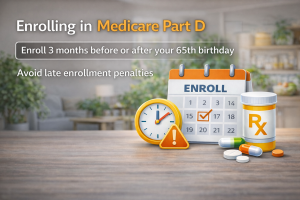
The enrollment periods for Medicare Part D are a fundamental aspect of managing your prescription drug plan effectively. Generally, you can enroll during the Initial Enrollment Period when you first become eligible for Medicare. This period lasts seven months, beginning three months before the month you turn 65 and ending three months afterward.
Missing this period may result in a late enrollment penalty, affecting your drug costs significantly. Another opportunity to enroll or make changes to your Medicare Part D plan is during the Annual Election Period, which runs from October 15 to December 7. During this time, beneficiaries can compare different plans, switch Medicare drug plans, or add a plan if they previously didnt have one.
Its essential to weigh various factors like plan coverage, deductible amounts, and potential out-of-pocket costs when choosing a plan. Assessing your current prescription drugs and how they fit into a plans formulary will help you avoid unexpected expenses.
Remember, enrolling in a plan that doesnt align with your prescription needs can lead to higher drug costs throughout the year. Additionally, consider your budget and health changes, as these can influence the costs associated with your plan, including premiums and deductibles.
For those needing more guidance, tools like the free Medicare plans finder available on MedicarePartCPlans.org can be invaluable. They offer an in-depth comparison of plans, helping ensure you make informed decisions tailored to your unique needs.
Tips for Choosing the Right Medicare Part D Plan
Choosing the right Medicare Part D plan is important when managing your prescription drug coverage efficiently. With varying benefits, costs, and plan options, it’s crucial to learn about available plans and compare them effectively. Understanding these elements ensures that you’re maximizing your benefits and controlling out-of-pocket expenses. This section will guide you through learning about plan options while highlighting the importance of comparing benefits to make an informed decision about your prescription drug coverage.
I am text block. Click edit button to change this text. Lorem ipsum dolor sit amet, consectetur adipiscing elit. Ut elit tellus, luctus nec ullamcorper mattis, pulvinar dapibus leo.

How to Learn About Plan Options and Compare Benefits
The first step in choosing the right Medicare Part D plan involves learning about different plan options available to you. Understanding these options will enable you to compare benefits effectively, ensuring your chosen plan meets your needs. Begin by familiarizing yourself with basic components of each plan, such as premiums, deductibles, and copayments.
Often, factors like these can significantly influence the annual costs of your prescription drugs. Furthermore, it’s important to recognize that each plan’s formulary, or list of covered drugs, varies; some plans might favor generic drugs, while others cover more brand-name options. Gathering information on plan options can be done by exploring resources, like the Medicare plans finder tool on the MedicarePartCPlans.org website. This tool allows you to compare plan benefits, costs, and even the pharmacies within a plan’s network.
This comprehensive approach ensures you can assess how each plan aligns with your prescription drug needs and financial considerations. Additionally, consider how plan changes can affect you annually, as premiums and drug costs may fluctuate. By comparing different plans during the enrollment periods, you can choose a plan that best fits your healthcare needs, ensuring a thorough understanding of how benefits translate into practical coverage and costs.
Continue your exploration with these key points to consider when evaluating your Medicare Part D plan options:
- Assess any additional plan benefits, such as vision or dental coverage.
- Check for restrictions on specific pharmacies and their locations in your area.
- Identify coverage levels for both generic and brand-name medications.
- Understand how your chosen plan handles out-of-pocket costs.
- Consider how accessible customer support is through the plan provider.
- Evaluate any changes in plan formulary since your last enrollment.
- Review customer feedback and satisfaction ratings for each plan.
These factors will help you make an informed decision tailored to your unique healthcare needs.
The Importance of Reviewing Your Prescription Drug Needs Annually
Reviewing your prescription drug needs annually is vital for managing your healthcare expenses and ensuring optimal Medicare Part D benefits. Each year, plans may alter their costs, formularies, and coverage specifics, influencing how well they fit your health needs. Changes in your health can also affect these needs, impacting which plan remains most economical and beneficial. Re-evaluating annually enables you to adapt to these changes, keeping your prescription drug coverage aligned with your current situation and future considerations, while allowing you to control out-of-pocket costs effectively.
How Changes in Your Health Can Affect Your Part D Plan
Health changes can significantly influence your Medicare Part D plan selection and its associated costs. As you experience shifts in health, whether due to aging or new diagnoses, your prescription drug needs are likely to evolve. Consequently, the plan that once worked perfectly might no longer provide the optimal coverage you require.
Reviewing the formulary each year is essential, as any additions or removals can directly impact the coverage of your essential drugs. It’s crucial to verify if your current plan still effectively covers your prescriptions at an affordable cost. Furthermore, unexpected health changes could lead to an increase in your overall prescription medication expenses.
This makes it important to continually compare different Medicare Part D plans to ensure you maintain the best possible coverage. Checking the deductible and copayments for each plan can reveal differences in out-of-pocket costs, helping you manage your budget more effectively. Tools like the Medicare plans finder on MedicarePartCPlans.org can support these comparisons by providing up-to-date information tailored to your needs.
Staying proactive about your plan choices ensures your health changes don’t negatively impact your financial situation, maintaining both coverage and cost control. By understanding the intricacies of Medicare Part D deductibles, you can make informed decisions about your prescription drug coverage. Being aware of how deductibles impact your overall costs helps you plan effectively and find a plan that aligns with your financial and healthcare needs.
It is vital to review your options annually, considering factors like medication costs and changes in plan benefits. Use our free Medicare plans finder tool to explore and compare available options in your area, ensuring your plan fits your healthcare requirements and enhances your Medicare experience.
Compare plans and enroll online
Frequently Asked Questions
What is the purpose of Medicare Part D?
Medicare Part D is designed to help beneficiaries manage prescription drug costs effectively. It’s a vital component of healthcare coverage focused on reducing out-of-pocket expenses for medications.
How does a Medicare Part D deductible work?
A Medicare Part D deductible is the amount you pay out of pocket for your prescription drugs before your plan starts covering the costs. This deductible amount can vary depending on the specific plan you choose.
Why is it important to compare different Medicare Part D plans?
Comparing different Medicare Part D plans is important because each plan has distinct benefits, premiums, and cost-sharing components. Finding a plan that aligns with your prescription needs and budget can help optimize your coverage.
What are some common costs associated with Medicare Part D plans?
Common costs associated with Medicare Part D plans include monthly premiums, deductibles, and copayments. Understanding these costs helps you plan financially and manage out-of-pocket expenses efficiently.
When can you enroll or change your Medicare Part D plan?
You can enroll or change your Medicare Part D plan during specific enrollment periods. The Initial Enrollment Period is when you first become eligible for Medicare, and the Annual Election Period runs from October 15 to December 7 each year.
Have Questions?
Speak with a licensed insurance agent
1-877-436-2343
TTY users 711
Mon-Fri: 8am-9pm ET
Find & Compare Plans Online
ZRN Health & Financial Services, LLC, a Texas limited liability company