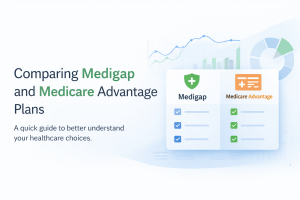
To optimize your investment in a Medicare Supplement Plan, it’s essential first to understand the various factors that influence plan costs, including premiums and policy deductibles. One effective strategy is to compare different plan types and their corresponding costs.
By using tools like our free Medicare plans finder, you can easily compare policies from multiple insurance providers. This tool allows you to assess the average costs and coverage benefits each plan offers in your specific location. Knowing these details helps you make an informed decision about which supplement plan best fits your budget and healthcare needs.
A crucial aspect of optimizing outcomes is selecting the right time to enroll. During the initial enrollment period, you typically have a guaranteed right to choose any Medigap policy without undergoing medical underwriting.
This period provides a valuable opportunity to lock in favorable rates and avoid surcharges that could inflate monthly premiums based on pre-existing health conditions. Being proactive in enrollment decisions is an integral strategy to minimize plan costs while securing comprehensive coverage.
Analyzing your anticipated healthcare needs is another key strategy. For instance, if you require frequent medical care or have chronic conditions, a plan with higher premiums but lower out-of-pocket costs might be more economical over time. On the other hand, if your healthcare utilization is minimal, a lower-cost plan with higher deductibles may suffice, balancing monthly expenses with eventual healthcare savings.
Adjusting your policy deductibles can also have substantial implications. Policies with higher deductibles generally result in lower premiums, which might be advantageous if you anticipate low healthcare utilization. This approach can help manage monthly expenses while retaining coverage for unexpected medical events.
Regularly reviewing your supplement plan against any lifestyle or health changes is advisable as well. As healthcare needs evolve, your chosen plan should reflect these changes. Thus, annual reviews and plan comparisons are recommended to ensure ongoing alignment with your requirements and to potentially discover cost-saving opportunities.
Ultimately, leveraging support tools and professional advice when evaluating Medicare Supplement Plans will ensure your selections are financially sound and comprehensive, maximizing your investment wisely.
Consider the following additional strategies to further optimize your Medicare Supplement Plan investment effectively:
- Seek expert advice to understand nuanced differences between Medigap policies.
- Track healthcare expenses to identify patterns and inform plan adjustments.
- Check if your preferred doctors accept new Medigap plans regularly.
- Review any new healthcare legislation that might affect your plan.
- Customize plan options by analyzing regional healthcare trends.
- Monitor insurance company rate changes to anticipate future cost impacts.
- Utilize online forums for real-life experiences with different plans.
Employing these strategies can refine your approach, ensuring efficient management of your supplemental healthcare investment.
Understanding the average costs of Medicare Supplement plans for 2027 is crucial for budgeting and making informed decisions. As premiums can vary based on factors like age, location, and health, potential enrollees should consider their personal healthcare needs and budgets when exploring available options.
Utilizing resources like cost comparison tools and educational content can aid in selecting a plan that aligns with individual needs. Staying informed and proactive allows individuals to secure coverage that supports their healthcare journey and provides peace of mind during retirement. For more detailed guidance, explore our website or consult with a Medicare expert.