Understanding the differences between Medigap and Medicare Advantage plans is essential for Medicare beneficiaries seeking coverage that suits their healthcare needs. Medigap, also known as Medicare Supplement Insurance, helps cover out-of-pocket costs not covered by Original Medicare. In contrast, Medicare Advantage plans, or Part C, offer an alternative way to receive Medicare benefits through private insurers. Each option provides unique benefits and coverage details, impacting your overall healthcare experience. This guide will explore key differences to help you make informed decisions about your Medicare coverage choices.







Difference Between Medigap and Medicare Advantage Plans
Key Highlights
- Medicare Advantage combines Part A and Part B, often with Part D, via private insurers.
- Medigap supplements original Medicare, covering expenses like copays and deductibles.
- Medicare Advantage plans may include dental and vision, unlike Medigap policies.
- Medigap policies offer flexible provider choice; Medicare Advantage may have network restrictions.
- Enrolling in Medigap during its open period avoids health underwriting and premium hikes.
Compare plans and enroll online
Introduction to Medicare Advantage and Medigap Policies
Navigating the maze of Medicare options can feel daunting, but understanding Medicare Advantage and Medigap policies is crucial for maximizing your healthcare coverage. Both options address different aspects of what Medicare offers, providing beneficiaries with unique choices. Medicare Advantage, also known as Part C, integrates original Medicare coverage into an all-in-one plan offered by private insurance companies. On the other hand, Medigap insurance supplements your original Medicare, covering out-of-pocket costs. By exploring these options, you can find supplemental insurance that suits your health and financial needs.
Let’s delve into the particulars of these plans, highlighting their distinctive features and benefits.

Overview of Medicare Advantage Plans
Medicare Advantage plans, often referred to as “MA Plans,” are an alternative way to receive your Medicare benefits through private insurance companies approved by Medicare. These plans bundle Part A (hospital insurance) and Part B (medical insurance) and frequently include Part D (prescription drug coverage), offering a seamless package of healthcare services. Medicare Advantage plans are attractive to many beneficiaries because they include additional benefits not covered by original Medicare, such as dental, vision, and hearing care.
With Medicare Advantage, you get your Medicare coverage while having the convenience of a single insurance company handle your needs.
These advantage plans vary widely in terms of cost, coverage, and the network of healthcare providers. Some plans may require higher out-of-pocket expenses for accessing care, while others provide lower premiums and extensive coverage. It’s important to compare different Medicare Advantage plans to find one that meets your personal health needs and budget preferences. Additionally, while these plans must offer at least the same level of coverage as original Medicare, the specific benefits and scope of care can vary significantly based on the insurance company offering the plan and your geographic location.
Another key factor with Medicare Advantage is understanding how these plans fit within your overall healthcare strategy. Since the plans are offered by various private companies, each brings its own features, costs, and benefits. To choose the right plan, beneficiaries should consider factors like plan structure (such as HMO or PPO), provider networks’ size, and additional policy benefits.
Knowing that Medicare Advantage plans can also operate with certain restrictions, such as requiring you to use specific doctors or hospitals, is essential in making an informed decision. Always ensure a comprehensive review of plan details to secure the best health, care, and coverage combination for your personal needs.
Understanding Medigap Policies
Medigap insurance, also known as Medicare Supplement Insurance, is designed to bridge the “gaps” left by original Medicare. These policies cover additional healthcare costs, like copays, coinsurance, and deductibles, offering a financial buffer against unexpected medical expenses. Medigap policies are standardized across different insurance companies, meaning the benefits are the same no matter which insurer you choose, but costs can vary. This standardization ensures a simplified comparison of policies, allowing beneficiaries to focus on selecting a plan that aligns with their healthcare demands and financial situation.
To qualify for Medigap, you must first have Medicare Part A and Part B. Unlike Medicare Advantage, Medigap policies typically do not cover prescription drug coverage, meaning beneficiaries might need to purchase a separate Medicare Part D plan to cover medications. The structure of Medigap plans offers unique advantages, as they do not restrict you to specific provider networks, giving you the freedom to use any doctor or hospital that accepts Medicare. This can be particularly advantageous for individuals who travel frequently or reside in areas with limited healthcare offerings.
Choosing a Medigap plan involves evaluating not only the policy premiums but also understanding that the more comprehensive the coverage, the higher the premium cost. Medigap policies can provide additional peace of mind by offering coverage for emergency care while traveling abroad, a unique benefit for frequent travelers. Since Medigap policies supplement original Medicare, enrolling during the six-month Medigap open enrollment period after you turn 65 and have Part B is crucial to securing your coverage without health screening hurdles or premium increases.
As with any insurance decision, reviewing and comparing all available options is key to aligning your health and financial goals for optimal care coverage.
Key Differences Between Medicare Advantage and Medigap
Understanding the difference between Medigap and Medicare Advantage is essential for anyone navigating Medicare options. Medicare Advantage plans, often bundling additional benefits like dental and vision, are offered by private insurance companies. These advantage plans integrate all parts of Medicare under one, typically more affordable plan. In contrast, Medigap policies act as Medicare supplements, offsetting costs not covered by original Medicare, such as copayments and deductibles.
Each option has distinct benefits, coverage structures, and cost implications, so understanding these key differences helps in selecting the most suitable plan for your healthcare needs.
Coverage and Benefits Comparison
When evaluating Medicare Advantage plans and Medigap policies, the difference in coverage and benefits is a significant consideration. Medicare Advantage plans, also called MA Plans or Part C, are an alternative way to get your Medicare benefits through a private insurance company. They include all the coverage of original Medicare and often provide extra coverage you can buy, like dental, vision, and hearing benefits.
Many beneficiaries find these bundled advantages appealing because they simplify coverage by combining varied aspects of healthcare services into a single plan. However, plan specifics can vary greatly based on the insurance company you choose and your location.
In contrast, Medigap policies are standardized Medigap insurance supplements. These policies cover healthcare costs that original Medicare doesn’t, such as copayments, coinsurance, and deductibles, offering an essential buffer against high, unforeseen medical expenses. Unlike Medicare Advantage plans, Medigap policies do not require beneficiaries to choose a network of providers, offering greater flexibility. A Medigap policy allows you to see any doctor or specialist that accepts Medicare, essential for those who travel or live in areas with limited provider access.
However, it’s important to note that Medigap plans don’t typically cover additional benefits like dental or vision, nor do they include prescription drug coverage.
Both Medicare Advantage and Medigap have their unique benefits, and the choice often depends on individual health requirements and financial situations. While Medigap policies offer expansive coverage to fill gaps left by original Medicare, Medicare Advantage plans offer additional non-medical benefits under a single policy. Understanding these differences helps facilitate an informed choice between these Medicare plan options, ensuring that you can choose a strategy that aligns well with your healthcare needs and budget.
| Plan Type | Benefits Included | Coverage Flexibility | Cost Structure | Ideal For |
|---|---|---|---|---|
| Medicare Advantage | Often includes additional benefits such as dental, vision, and hearing coverage | Requires use of network providers; potential need for referrals to see specialists | Lower premiums with possible copays and coinsurance; out-of-pocket limits | Those seeking bundled services with additional benefits and lower upfront costs |
| Medigap | Helps cover costs like copayments, coinsurance, and deductibles not covered by Original Medicare | Provides freedom to choose any provider that accepts Medicare; no network restrictions | Higher premiums but lower out-of-pocket expenses, as it covers many additional costs | Individuals who prefer flexibility in choosing providers and anticipate higher medical expenses |
The table provides a clear comparison of the structural and financial differences between Medicare Advantage and Medigap, assisting readers in identifying a plan that matches their healthcare needs and budget.
Cost Structures of Each Plan Type
The financial considerations of Medicare Advantage plans and Medigap policies significantly impact individuals seeking optimum healthcare coverage. Medicare Advantage plans are known for their varied cost structures, which often appeal to cost-conscious consumers. These advantage plans generally offer lower premiums than Medigap, but they may entail higher out-of-pocket costs when accessing care, such as copayments and deductibles. It’s crucial to evaluate how the plan balances between premiums and potential out-of-pocket expenses to gauge overall affordability.
Many Medicare Advantage plans also offer those extra features without additional premiums, which can be a decisive factor for budget-sensitive beneficiaries.
Conversely, Medigap policies, while often carrying higher monthly premiums, provide predictability in out-of-pocket costs. Medigap plans are designed to cover costs that original Medicare doesn’t, like copayments, coinsurance, and deductibles. This setup is particularly suitable for individuals who anticipate frequent healthcare needs and prefer a consistent and predictable budgeting approach for medical expenses. However, the initial cost of Medigap can be higher, and these policies do not cover prescription drugs, necessitating a separate Medicare Part D policy, which adds to overall costs.
Choosing between these plans should involve a careful assessment of your health needs, financial situation, and preferred approach to managing healthcare costs. While Medicare Advantage offers a more comprehensive and simple strategy under a single policy, Medigap provides extensive coverage with added financial security against unexpected medical expenses. Comparing these cost structures and coverage benefits ensures that beneficiaries can craft a personalized strategy that optimally balances costs, benefits, and peace of mind.
To further assist in making a well-informed decision, consider these key factors when evaluating Medicare Advantage and Medigap plans:
- Review out-of-pocket maximums for potential financial protection.
- Examine network restrictions and provider access in your area.
- Consider your current and projected healthcare needs.
- Assess the availability of extra benefits like vision or dental coverage.
- Investigate prescription drug plans compatible with Medigap.
- Evaluate premium costs against potential long-term savings.
- Factor in convenience and simplicity versus comprehensive coverage needs.
Understanding these aspects can help you navigate Medicare plan options with confidence and clarity.
Find & Compare Plans Online
Enrollment Rules and Deadlines
Understanding the enrollment rules and deadlines for Medicare Advantage and Medigap is crucial for obtaining the right Medicare coverage for your needs. These guidelines determine when you can enroll in a plan, change plans, or potentially face late enrollment penalties. The timelines differ significantly between Medicare Advantage plans and Medigap policies, impacting your ability to modify coverage or secure extra coverage you can buy.
In the following sections, we’ll delve into the specific timelines associated with Medicare advantage enrollment and the intricacies of medigap enrollment periods, helping you navigate these essential aspects of Medicare coverage.
Timelines for Medicare Advantage Enrollment
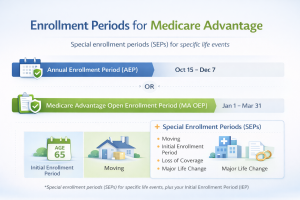
Enrolling in Medicare Advantage plans involves understanding specific timelines and rules to ensure seamless coverage. The Annual Election Period (AEP), which occurs from October 15 to December 7 each year, is a crucial time for Medicare beneficiaries. During this period, you can enroll in Medicare Advantage, switch plans, or return to original Medicare. This flexibility allows you to modify coverage in response to changes in personal health needs, financial situations, or provider networks linked to these advantage plans. Missing the AEP could mean waiting until the following year to make changes, which may not align with urgent health or care needs.
The Initial Coverage Election Period (ICEP) is another vital timeline for individuals newly eligible for Medicare. This period starts three months before turning 65 and ends three months after, providing a seven-month window to select a Medicare Advantage plan. If you’re eligible for Medicare due to a disability, the ICEP is adjusted accordingly to accommodate your particular eligibility circumstances. It’s also essential to consider the Medicare Advantage Open Enrollment Period (OEP), occurring from January 1 to March 31.
During the OEP, current Medicare Advantage enrollees have a chance to change to a different Medicare Advantage plan or revert to original Medicare, offering additional flexibility once you’ve experienced a plan’s benefits.
Understanding these timelines ensures that beneficiaries can secure or adjust coverage efficiently, aligning with personal health and financial requirements. Failing to grasp these timelines might lead to unexpected costs or coverage gaps if changes are needed outside designated periods. Each insurance company offering Medicare Advantage plans may have varying specifics that influence the decision-making process. Therefore, being aware of these nuances can significantly impact your overall healthcare strategy, particularly when changes in health circumstances dictate an adjustment in coverage.
Understanding Medigap Enrollment Periods
The Medigap enrollment periods differ from Medicare Advantage timelines and are critical for securing supplemental coverage efficiently and affordably. The most pivotal period is the Medigap Open Enrollment Period, which starts the month you turn 65 and are enrolled in Medicare Part B. This six-month timeframe offers a unique opportunity to purchase a Medigap policy without undergoing medical underwriting, meaning insurance companies cannot deny coverage or charge higher premiums based on health conditions. This period is advantageous, allowing beneficiaries to access extensive coverage at standard rates regardless of their current health.
If you miss the Medigap Open Enrollment Period, enrolling in a Medigap plan can become more challenging. Outside this window, insurance companies can impose stricter requirements, including health screenings, which could result in higher premium costs or denial of coverage, especially if there are existing health issues. This makes understanding the Medigap enrollment periods crucial for planning and managing healthcare needs effectively.
There are some special situations, like when other health coverage is lost or if you move out of a Medicare Advantage plan’s service area, where you might have guaranteed issue rights, allowing you to purchase a Medigap policy without underwriting, regardless of timing.
It’s also important to note that Medigap policies can only supplement original Medicare and cannot be combined with Medicare Advantage plans. This rule requires beneficiaries to choose between comprehensive gap coverage or the bundled services of Medicare Advantage. It highlights the importance of considering not only the medical needs but financial implications of each option. Adequate understanding and timely decisions during enrollment periods ensure that health, care, and coverage align well with long-term healthcare goals, minimizing unexpected costs and enhancing peace of mind.
Choosing Between Medicare Advantage and Medigap
Deciding between Medicare Advantage and Medigap policies is vital for optimizing your Medicare coverage. Both these options serve different purposes, catering to specific healthcare needs while impacting costs significantly. Medicare Advantage plans combine Original Medicare with additional benefits, whereas Medigap policies fill the gaps left by Original Medicare. With varying factors affecting each choice, such as out-of-pocket costs, network restrictions, and benefit coverage, it’s crucial to understand these elements to select a plan that aligns with your health and financial circumstances.
Factors to Consider for Your Medicare Plan
When evaluating the difference between Medigap and Medicare Advantage, it’s imperative to consider several critical factors that can influence your decision. Firstly, understanding your healthcare coverage needs is crucial. Medicare Advantage plans, or MA Plans, are offered by private insurance companies and often include extra coverage you can buy, like dental and vision services, alongside prescription drug coverage.
This makes them appealing if you’re looking for a comprehensive care package under a single plan. However, these plans might involve using a network of doctors and hospitals and could require referrals for specialist visits, depending on the plan type, such as an HMO or PPO.
In contrast, Medigap policies, also known as Medicare Supplement Insurance, provide significant flexibility by allowing you to see any doctor or specialist who accepts Medicare, regardless of your location. This can be a considerable advantage if you travel frequently or live in an area with limited healthcare providers. However, Medigap policies don’t typically include prescription drug coverage, which means you may need to purchase a separate Medicare Part D plan to cover medications.
Additionally, Medigap premiums tend to be higher than those of Medicare Advantage, yet they offer the financial predictability of covering out-of-pocket costs like copayments and coinsurance. This setup can safeguard against high, unexpected medical expenses, providing peace of mind.
Another crucial consideration is the cost structure involved. Medicare Advantage plans often have lower premiums than Medigap policies but might entail higher out-of-pocket costs when accessing care, such as copayments and deductibles. On the other hand, Medigap policies generally result in higher monthly premiums but offer predictable out-of-pocket expenses, which can be beneficial for budgeting health costs.
Reflecting on factors like health condition, financial situation, and lifestyle, such as traveling, can guide you toward the right plan. Understanding these considerations ensures you get your Medicare benefits tailored to your unique needs, balancing budget and coverage effectively.
Understanding the distinctions between Medigap and Medicare Advantage plans is crucial for making informed decisions about your healthcare coverage. By assessing your individual health needs, financial situation, and desired benefits, you can identify which type of plan aligns best with your circumstances. Remember to utilize resources such as our Medicare plans finder tool to explore available options tailored to your location.
This ensures that you are well-equipped with the knowledge needed to compare plans effectively, empowering you to choose a policy that meets your specific healthcare requirements while navigating the complexities of Medicare coverage.
Compare plans and enroll online
Frequently Asked Questions
What is the difference between Medicare Advantage and Medigap?
Medicare Advantage, also known as Part C, is an alternative way to receive Medicare benefits through private insurers, combining Part A and Part B, and often Part D. Medigap, or Medicare Supplement Insurance, helps cover out-of-pocket costs not covered by Original Medicare. Each option offers unique benefits and coverage.
How do Medicare Advantage plans work with Medicare Part A, B, and D?
Medicare Advantage plans bundle Part A (hospital insurance), Part B (medical insurance), and often include Part D (prescription drug coverage) into a single plan provided by private insurers. This can simplify coverage and may include extra benefits like dental and vision care.
What additional benefits are typically covered by Medicare Advantage plans?
Medicare Advantage plans often provide additional benefits not found in Original Medicare, such as dental, vision, and hearing care. The specific benefits can vary based on the plan and the insurer.
What should I consider when choosing between Medicare Advantage and Medigap?
Consider your healthcare needs, financial situation, and preferences for provider flexibility. Medicare Advantage may suit those looking for additional non-medical benefits and lower premiums, while Medigap is preferred for its extensive coverage of out-of-pocket costs and provider flexibility.
How does the enrollment process differ for Medicare Advantage and Medigap?
Medicare Advantage enrollment occurs during specific periods like the Annual Election Period. Medigap has a 6-month open enrollment period starting when you turn 65 and enroll in Part B, during which you can obtain a plan without health underwriting.
Have Questions?
Speak with a licensed insurance agent
1-877-436-2343
TTY users 711
Mon-Fri: 8am-9pm ET
Find & Compare Plans Online
ZRN Health & Financial Services, LLC, a Texas limited liability company