As healthcare expenses continue to evolve, understanding the costs associated with Medicare Supplement Plans for 2027 is crucial for beneficiaries. These plans, which help cover certain out-of-pocket costs not paid by Original Medicare, vary in price depending on location, provider, and specific plan type. Our guide provides valuable insights into average pricing trends and considerations for selecting a plan that aligns with your healthcare needs and budget. Whether you are new to Medicare or reviewing current coverage, this information aims to equip you with the knowledge necessary to make informed decisions about your healthcare options.







2027 Medicare Supplement Plan Costs
Key Highlights
- Medicare Supplement Plans, or Medigap, fill coverage gaps in Original Medicare by covering copayments, coinsurance, and deductibles.
- Factors affecting Medigap costs include age, location, and plan coverage level, often requiring early enrollment for lower premiums.
- Popular Medigap plans like Plan F, G, and N offer varying coverage levels to suit different healthcare needs and financial situations.
- MedicarePartCPlans.org’s free finder tool helps compare plans based on coverage needs and location, simplifying decision-making.
- Staying informed on plan costs and coverage is crucial to aligning insurance with healthcare needs and financial strategies for 2027.
Compare plans and enroll online
Understanding Medicare Supplement Plans for 2027
Medicare Supplement Plans, often called Medigap, play a crucial role in 2027 in filling gaps not covered by original Medicare. These plans, designed to cover costs such as copayments, coinsurance, and deductibles, provide comprehensive coverage options that cater to diverse needs. As we delve further into these supplement plans, it’s essential to grasp their differences from traditional Medicare and understand the benefits they offer. By educating yourself about these plans, you can make informed decisions based on your healthcare needs and budget, potentially enhancing your overall Medicare coverage experience.

Differences Between Medicare and Medicare Supplement Plans
Understanding the distinctions between Medicare and Medicare Supplement Plans, known as Medigap, is essential for anyone navigating the complexities of healthcare coverage. At its core, Medicare comprises Part A and Part B, covering hospital insurance and outpatient medical services, respectively. However, these Medicare parts often leave gaps in coverage that can result in out-of-pocket expenses for beneficiaries. This is where Medicare Supplement Plans come into play.
These supplement plans are designed specifically to fill those gaps by covering additional costs like copayments, coinsurance, and deductibles that Medicare does not cover.
Medicare Supplement Plans are private insurance policies offered by various insurance companies, providing a standardized set of coverage options. For instance, all Medigap plans must cover Part A coinsurance and hospital costs, but the extent of additional coverage varies among different policies.
It’s worth noting that Medigap policies do not cover prescription drugs, which requires a separate Part D plan. Furthermore, unlike Medicare Advantage plans that replace your original Medicare with a bundled plan, Medigap policies work alongside your existing Medicare coverage. This characteristic means you can retain the freedom to choose any healthcare provider that accepts Medicare. Considering the substantial benefits and flexibility offered by Medicare Supplement Plans, understanding these differences is imperative for making sound decisions about your healthcare coverage.
Why Consider a Medicare Supplement Plan?
Choosing a Medicare Supplement Plan can be a prudent decision for many beneficiaries looking to enhance their healthcare coverage and minimize unexpected expenses. Medigap plans offer several benefits that make them an attractive option. One of the primary advantages is the potential reduction of out-of-pocket costs not covered by Medicare. These supplement plans provide additional coverage for expenses such as copayments, coinsurance, and deductibles, which can otherwise add up significantly over time.
Additionally, Medicare Supplement Plans offer a high degree of flexibility in choosing healthcare providers. Unlike many Medicare Advantage plans, Medigap policies work in conjunction with Original Medicare, allowing beneficiaries the freedom to consult with any doctor or hospital that accepts Medicare. This feature can be particularly beneficial for those who travel frequently or require specialized medical services nationwide.
The structure of Medicare Supplement Plans also contributes to easier budgeting by offering predictable healthcare costs. While premiums may differ based on factors such as age and location, the coverage provided helps manage unexpected expenses, offering financial peace of mind. As you explore your healthcare coverage options, considering a Medicare Supplement Plan alongside your existing Medicare can significantly enhance your access to comprehensive and reliable medical care, making it a valuable component of your overall healthcare strategy.
Projected Average Costs of Medicare Supplement Plans
As we move into 2027, understanding the projected average costs of Medicare Supplement Plans becomes crucial for those seeking to manage their healthcare expenses effectively. These costs are influenced by various factors including age, location, and the specific supplemental insurance policy chosen. Whether you’re a new enrollee or a current beneficiary reassessing your options, being informed about the average cost and what contributes to these costs will help you make more strategic choices. This section dives into the key factors affecting plan premiums and offers insights into estimating your monthly premiums for 2027.
Factors Influencing the Average Cost
The average cost of a Medicare Supplement Plan, or Medigap, is influenced by several key factors that determine how much you may pay in monthly premiums. One major factor is age. Typically, the younger you are when you enroll, the lower the monthly premiums, due to lower health risks expected by insurance carriers. This makes early enrollment or renewal of your supplemental insurance policy potentially advantageous if you’re strategizing on long-term cost management.
Location is another significant factor. Healthcare costs vary from state to state, and so do the premiums. For example, states with higher healthcare costs may see higher plan premiums, reflecting the overall cost of healthcare services in that area.
Moreover, the level of coverage also plays a crucial role in determining costs. Plans that cover a broader range of deductibles and out-of-pocket expenses often come with higher premiums. Some plans cover only the basics, like Part A coinsurance, while others cover additional costs like the Medicare Part B deductible. The specific plan type you choose can significantly impact your costs. Furthermore, individual insurers may price their plans differently based on company policies and competitive factors.
This variability underlines the importance of using resources such as our Medicare plans finder tool at MedicarePartCPlans.org to compare specific plan premiums in your location. By understanding these factors, beneficiaries can tailor their choices to their needs and budgetary constraints, ensuring adequate coverage without unnecessary expenditure.
| Factor | Impact on Cost | Explanation |
|---|---|---|
| Age of Beneficiary | Higher Age, Higher Cost | As age increases, premiums tend to rise due to a higher risk of medical needs. |
| Plan Type | Comprehensive, Higher Cost | Plans offering more comprehensive coverage generally have higher premiums. |
| Location | Varies by Region | Costs are influenced by regional healthcare expenses and provider networks. |
| Health Status | Poor Health, Higher Cost | Individuals with pre-existing conditions may face higher premium rates. |
| Enrollment Time | Early Enrollment, Stable Costs | Enrolling during initial eligibility may result in more stable premium rates. |
This table summarizes the key factors influencing the projected costs of Medicare Supplement Plans in 2027, aiding beneficiaries in estimating their potential premiums.
Find & Compare Plans Online
Estimating the Monthly Premium for 2027
Estimating the monthly premium you might pay for a Medicare Supplement Plan in 2027 involves a blend of understanding your personal healthcare needs and external price determinants. As healthcare costs in the U.S. continue to evolve, it’s crucial to anticipate changes in plan premiums and make informed decisions accordingly. Monthly premiums for Medicare Supplement Plans can vary widely based on the type of coverage selected. Plans with comprehensive coverage, especially those covering a higher percentage of out-of-pocket costs like deductibles and coinsurance, generally have higher monthly premiums.
Another aspect to consider is community-rated versus issue-age-rated and attained-age-rated premiums. Community-rated premiums mean the plan premium does not increase with age, while issue-age-rated premiums are based on the age you are when you buy the policy. Attained-age-rated premiums start low but increase as you age. Understanding these differences can aid in making projections for your 2027 costs, especially considering these factors contribute significantly to the long-term affordability of Medicare Supplement Plans.
Furthermore, policy changes and inflation may impact the average monthly premiums. Monitoring these trends can also provide insights into potential cost projections. Utilizing tools like the Medicare plans finder at MedicarePartCPlans.org empowers beneficiaries to compare different plans across providers based on projected 2027 costs and personal needs. By staying informed and taking advantage of available resources, you can better estimate your monthly premium for 2027, ensuring your Medicare Supplement Plan aligns with your financial and healthcare requirements.
To help you anticipate and plan for your 2027 Medicare Supplement Plan costs, consider these essential tips:
- Review historical premium trends to predict future rate changes effectively.
- Evaluate your current healthcare needs to choose suitable coverage.
- Understand the difference between community-rated, issue-age-rated, and attained-age-rated premiums.
- Keep an eye on policy changes that may influence premium calculations.
- Inflation factor when budgeting for healthcare costs next year.
- Utilize Medicare plans finder tools for comparing various provider options.
- Stay informed on industry developments affecting Medicare plans.
These considerations will empower you to make well-informed financial choices for your healthcare planning.
Types of Medicare Supplement Plans Available
Navigating through Medicare Supplement Plans, commonly known as Medigap, involves understanding the diverse range of options designed to enhance your Medicare coverage for 2027. These types of plans aim to fill the coverage gaps in Original Medicare by covering additional costs like copayments, coinsurance, and deductibles. The variety in plan offerings allows beneficiaries to tailor their supplemental insurance policy to their specific healthcare needs and financial situation, ensuring optimal coverage. Exploring these types of plans helps in identifying the most suitable Medigap option for you, thus enhancing your Medicare experience significantly.
Popular Plan Options for Different Needs
When it comes to choosing a Medicare Supplement Plan, also known as Medigap, understanding the different plan options is crucial. Each Medigap policy is standardized across providers, but the coverage level varies to address diverse healthcare needs. Popular types include Plan F, Plan G, and Plan N, with each offering unique aspects relevant to different beneficiary requirements. Plan F, known for its comprehensive coverage, is quite popular but only available to those who were eligible for Medicare before 2020. It covers almost all out-of-pocket expenses, making it an attractive option for beneficiaries wanting minimal additional costs.
However, new enrollees often turn to Plan G as a preferred substitute, offering extensive coverage much like Plan F, but without Part B deductible coverage. Plan G remains a top choice due to its robust offerings while being widely accessible to all Medicare beneficiaries. Meanwhile, Plan N serves as a cost-effective alternative, covering basic benefits but requiring beneficiaries to shoulder certain copayments for doctor visits and emergency care.
The diversity in Medigap plan types ensures you can choose one aligned with your healthcare needs and budgetary constraints, providing a personalized supplemental insurance experience. Knowing the differences between these popular options and how they cater to various situations, whether it’s frequent travel, specialized healthcare, or fiscal efficiency, plays a significant role in selecting the right plan. MedicarePartCPlans.org’s free Medicare plans finder tool can further aid in navigating plan options based on location and coverage needs, making financial planning smoother and more efficient.
Understanding Medigap Plan Variations
Delving into Medigap plan variations offers critical insights into customizing supplemental insurance that complements your Medicare. Each type of Medigap plan, offered universally by private insurers, adheres to standardized coverage as mandated by law, yet variations exist in what each covers beyond basic standard features. Understanding how these plans work, such as Plans A through N, helps beneficiaries compare what meets their healthcare priorities versus their budget. For instance, some plans like Plan A offer minimal coverage for those paying lower premiums, while others, like Plan G and Plan N, extend to more comprehensive coverage options.
The variations can include differences in coverage for services not included under Original Medicare, such as foreign travel emergencies. If you frequently travel outside the United States and need additional coverage, Medigap policies like Plan F or Plan G could be the right choice, covering 80% of emergency medical costs after meeting a deductible. Another significant variation is in the way certain plans handle costs related to Medicare Part B copayments and deductibles, which can greatly influence the price of premiums.
By exploring Medigap plan variations, beneficiaries can strategically select a plan that balances coverage breadth with affordability, a crucial factor in ensuring long-term satisfaction with your policy. A thorough understanding prevents unexpected healthcare expenses, guaranteeing that your supplemental coverage aligns well with both your health requirements and personal finance landscape. Utilizing tools like MedicarePartCPlans.org can effectively facilitate this exploration, providing a comprehensive comparison of plan variations, ensuring you make well-informed decisions tailored to your circumstances.
Choosing the Right Supplement Plan
In the quest to choose the right supplement plan, understanding how to navigate Medicare’s complexity is key. It involves identifying a Medicare Supplement Plan, also known as Medigap, that bridges the gap between what Original Medicare covers and your specific healthcare needs. These plans provide additional coverage, such as for copayments, coinsurance, and deductibles, which can significantly reduce out-of-pocket expenses.
Utilizing educational resources and tools can greatly aid this process, enabling you to make informed decisions that align with your health and financial goals. Importantly, MedicarePartCPlans.org offers a free plan finder tool to simplify this decision-making journey.
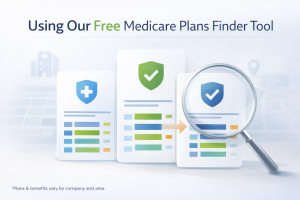
Using MedicarePartCPlans.org's Free Plans Finder Tool
Choosing the right Medicare Supplement Plan can initially seem daunting, given the variety of options and variables to consider. This is where MedicarePartCPlans.org’s free plans finder tool becomes invaluable. It streamlines the process by allowing you to compare different Medicare supplement plans tailored to your coverage needs and location. Contrary to conventional methods, it leverages technology to provide personalized plan recommendations based on specific healthcare needs and budget, without the need to manually sift through numerous policy documents.
The tool functions by assessing core components such as the extent of supplemental insurance coverage required, expected medical services, location-specific offerings, and budgetary considerations. Then it offers a curated list of possible Medicare plans that best fit your unique profile. This not only saves time but also enhances the likelihood of selecting a plan that optimally complements your Original Medicare Parts A and B, avoiding the pitfalls of under- or over-insuring.
Beneficiaries benefit immensely from such user-friendly resources. For instance, if you’re frequently visiting specialists or have chronic conditions, the tool can highlight Medicare supplement plans that cover higher costs associated with consistent medical care. Moreover, it provides access to current policy details and rates, ensuring that your decision is based on up-to-date information. As an educational resource, MedicarePartCPlans.org demystifies supplemental insurance, empowering beneficiaries to take control of their healthcare coverage with confidence.
By harnessing the plans finder tool, you not only simplify the process of choosing a Medigap plan but also ensure that you are well-informed. This alignment of your insurance policy to your health care needs and financial situation meets the demand for a strategic approach to managing healthcare costs in 2027. Ultimately, it sets the foundation for a more secure and predictable healthcare experience, enabling you to maximize the benefits of your Medicare supplement plan effectively.
Understanding Medicare Supplement plan costs for 2027 can help beneficiaries make informed decisions about their healthcare needs. By comparing different plan options and considering factors like coverage, geographical location, and personal healthcare requirements, individuals can better navigate these supplemental plans. It’s important to stay informed about what each plan covers and review how these align with your existing medical needs and financial situation. As costs can vary widely, MedicarePartCPlans.org provides tools to help you explore and compare plans in your area, ensuring a clearer path to securing your healthcare coverage.
Compare plans and enroll online
Frequently Asked Questions
What are Medicare Supplement Plans or Medigap?
Medicare Supplement Plans, also known as Medigap, are insurance policies designed to fill the coverage gaps in Original Medicare (Part A and Part B). They help cover additional costs such as copayments, coinsurance, and deductibles, which Original Medicare does not fully cover.
How do Medigap costs vary?
Medigap costs can vary based on several factors including age, location, and the specific level of coverage chosen. Generally, enrolling earlier in life can lead to lower premiums. Additionally, premiums may differ due to geographical differences and the specific benefits included in each plan type.
What are some popular Medigap plans?
Popular Medigap plans include Plan F, Plan G, and Plan N. Plan F offers comprehensive coverage but is only available to individuals who were eligible for Medicare before 2020. Plan G is similar to Plan F but does not cover the Part B deductible, and Plan N requires some copayments for doctor visits and emergency care.
How do Medigap plans differ from Medicare Advantage plans?
Medigap plans supplement Original Medicare and cover additional out-of-pocket expenses. In contrast, Medicare Advantage plans, also known as Medicare Part C, replace Original Medicare with a bundled plan that often includes additional benefits like dental or vision care. Medigap works alongside Original Medicare to provide more flexible provider access.
How can MedicarePartCPlans.org assist in choosing a Medigap plan?
MedicarePartCPlans.org offers a free tool to help beneficiaries compare Medigap plans. This tool allows users to find plans that meet their coverage needs and are available in their location. It simplifies decision-making by providing insights into plan details and premium costs, thus aiding in choosing the right plan.
Have Questions?
Speak with a licensed insurance agent
1-877-436-2343
TTY users 711
Mon-Fri: 8am-9pm ET
Find & Compare Plans Online
ZRN Health & Financial Services, LLC, a Texas limited liability company