Medicare vs Advantage Plans Pros and Cons

Navigating the healthcare landscape can be complex, especially when comparing Medicare and Medicare Advantage plans in terms of hospital coverage. Each option presents unique benefits and limitations that can significantly impact your healthcare experience. Understanding these differences is crucial for making informed decisions about your coverage needs.

This guide provides an in-depth analysis of hospital-related pros and cons associated with traditional Medicare and Medicare Advantage plans, helping beneficiaries evaluate which plan type aligns best with their personal healthcare requirements and preferences. Explore the various facets of both options to determine the most suitable path for your medical needs.

Key Highlights

  • Original Medicare offers flexibility in provider choice without network restrictions.
  • Medicare Advantage plans often include additional benefits like dental and vision care.
  • Medicare Advantage can result in cost savings through integrated premiums and out-of-pocket maximums.
  • Both plans have distinct strengths in hospital coverage; choice depends on personal needs.
  • Utilize resources like MedicarePartCPlans.org to make informed plan comparisons and decisions.

Compare plans and enroll online

Understanding Original Medicare and Its Basics

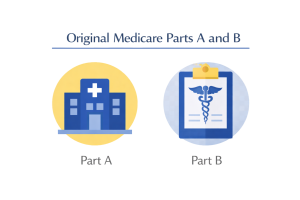
For many seniors navigating Medicare, understanding Original Medicare is foundational. Original Medicare, also known as traditional Medicare, comprises Part A and Part B. It’s administered by the federal government and serves as a bedrock of hospital and medical coverage for millions. Grasping its essentials helps you make informed decisions about coverage, supplemental insurance, and out-of-pocket costs. By exploring key features and the medical care it covers, you’ll appreciate why it remains a trusted option for those seeking straightforward, flexible healthcare without network restrictions often found in alternative plans.


Medicare Part Coverage Focus Key Features Supplement Options Considerations
Part A Inpatient Hospital Services Automatic Enrollment for those eligible; no premium for most beneficiaries Medigap Plans can help cover additional costs Does not cover long-term care
Part B Outpatient Care Monthly premium applies; covers doctor visits and preventive services Works with Medigap to reduce out-of-pocket expenses Does not provide vision, dental, or hearing coverage

This table provides a concise overview of Original Medicare, illustrating how Medicare Part A and Part B form the backbone of healthcare coverage for seniors. By distinguishing their coverage areas and highlighting essential features, beneficiaries can better understand the roles these parts play and recognize the value of supplemental plans like Medigap in bridging coverage gaps, thereby enhancing healthcare security.

Key Features of Original Medicare

Key Features of Original Medicare

The core of Original Medicare lies in its simplicity and broad reach. Managed by the federal government, it offers a tried-and-true healthcare solution for many seniors. The plan is composed of Part A, which covers basic hospital services such as inpatient stays, care in a skilled nursing facility, hospice, and some home health care. Part B provides coverage for medically necessary services and preventive measures, including doctor visits, outpatient care, and preventive services to keep serious illnesses at bay.

One of the most attractive key features of Original Medicare is the flexibility it offers. You can visit any doctor or healthcare facility that accepts Medicare, without worrying about being confined to a specified network. This is in stark contrast to some Medicare Advantage (Part C) plans that might limit your choices to a specific network of doctors and hospitals. Additionally, without the need for referrals, Original Medicare allows you to seek specialist care when needed, offering a sense of freedom that can be integral to personalized healthcare decisions.

However, it is important to note that while Original Medicare covers a substantial portion of healthcare costs, it doesn’t cover everything. Beneficiaries are responsible for covering deductibles, copayments, and coinsurance. This is where Medicare Supplement Plans, or Medigap, can be beneficial. Medigap policies help cover the ‘gaps’ in Original Medicare, offering peace of mind by reducing out-of-pocket expenditures.

A fundamental aspect when considering Original Medicare is understanding what’s not covered. Services like routine dental, hearing, and vision care, as well as long-term care, fall outside its scope. Thus, individuals must carefully weigh their healthcare needs against what Original Medicare offers, considering supplemental insurance when necessary to ensure comprehensive health coverage.

Lastly, splitting your attention between Original Medicare and additional insurance can seem daunting. But resources like the MedicarePartCPlans.org can be invaluable, providing extensive information in understandable language to help beneficiaries navigate their options effectively. Accessing such educational tools ensures that not only are you well-informed but also prepared to make wise decisions that fit your health priorities and budget constraints.

What Medical Care Does Original Medicare Cover?

Original Medicare covers a wide array of medical services, focusing on both hospital and general medical needs. Under Part A, Medicare covers basic hospital services extensively. This means when you’re admitted to a hospital, whether it’s for a short-term stay due to a serious illness or for surgery, a significant portion of those costs will be covered. Additionally, it provides coverage for skilled nursing facility care, which is vital for those recovering from an illness or surgery and needing more intensive rehabilitation than what can be provided at home.

Hospice care is another critical component included under Part A. For those facing terminal illnesses, hospice care offers a compassionate option that prioritizes comfort and quality of life, rather than aggressive treatments. This care is conducted in various settings, whether at home or in a hospice center, and ensures both the patient and their family’s support systems are involved in the care process.

Part B of Original Medicare complements this by covering outpatient medical services. It includes regular doctor visits, which are essential to maintaining health and catching potential issues early on. Moreover, preventive services, such as screenings, vaccinations, and annual wellness visits, are emphasized. This proactive approach helps in managing health conditions before they escalate, aligning with a more modern healthcare philosophy focused on prevention rather than cure.

Part B also covers medical equipment like wheelchairs and walkers, outpatient procedures, and even some home health services. However, beneficiaries need to understand that Part B requires a premium and generally has a deductible and coinsurance. This is where understanding your specific healthcare needs is crucial, as Medigap plans can help cover these additional expenses, ensuring that unexpected costs don’t become a financial burden.

Original Medicare’s coverage philosophy allows beneficiaries to access care simultaneously across various settings and needs, promoting a holistic approach to health. When selecting this traditional option, pairing it with a trusted supplementary policy ensures that both gaps in coverage are addressed and financial predictability is maintained. With resources like MedicarePartCPlans.org at your disposal, you can dive deeper into these coverage nuances, ensuring every aspect of your Medicare plan suits your lifestyle and long-term health goals.

An Introduction to Medicare Advantage Plans

In exploring senior healthcare options, Medicare Advantage plans, or Part C, offer a compelling alternative to Original Medicare. These plans are provided by private insurance companies but must offer at least the same benefits as Medicare Parts A and B. What’s more, they often include additional perks like dental, vision, and even fitness memberships. With provider networks and varying plan premiums, these plans can be tailored to meet specific healthcare and budget needs. However, understanding their intricate details is crucial. Let’s delve into how these advantages differentiate Medicare Advantage from traditional Medicare without overwhelming specifics.

Exploring the Benefits of Medicare Advantage

Medicare Advantage plans present a modern twist on traditional healthcare for seniors by packaging extensive coverage with additional benefits, offering a considerable advantage over Original Medicare. Unlike the latter, which leaves some coverage gaps, Medicare Advantage plans generally bundle hospital, medical services, and often Part D prescription drug coverage into a single plan. This can lead to cost savings with an integrated plan’s premiums rather than paying separately for prescription coverage.

One of the prime benefits of Medicare Advantage plans is the inclusion of extra benefits not typically covered by Original Medicare. These can encompass valuable services such as routine dental, vision, and hearing care, a considerable advantage for those seeking comprehensive medical coverage in a single plan. Many plans also offer wellness programs and fitness benefits, such as free or discounted gym memberships, encouraging beneficiaries to maintain an active lifestyle. These additional benefits highlight how Medicare Advantage plans have evolved to meet the modern healthcare needs and lifestyles of today’s seniors.

Furthermore, Medicare Advantage plans work through provider networks, which can sometimes mean lower out-of-pocket costs when using in-network providers. While this may seem restrictive, many beneficiaries find the trade-off beneficial, as the healthcare network often includes extensive lists of physicians and specialists, some of whom are renowned.

This structured network setup transforms into savings for many, helping them effectively manage their healthcare budget while ensuring a high standard of care.
Additionally, the cap on out-of-pocket expenses, a feature of Medicare Advantage plans, provides a safety net not available with Original Medicare alone. This cap gives peace of mind to beneficiaries, knowing that there’s a limit to the annual healthcare expenditure, which is reassuring for planned or unexpected medical needs.

Medicare Advantage plans prove to be an appealing option for those exploring robust healthcare coverage alongside the convenience of having insurance managed by a single entity. However, navigating Medicare Advantage plans, with their provider networks and plan premiums, can be complex. Therefore, utilizing tools like MedicarePartCPlans.org is advisable, as they simplify the comparison process, allowing beneficiaries to evaluate plans in an understandable manner, tailored to their location and specific health requirements.

How Medicare Advantage Differs from Traditional Medicare

Understanding the differences between Medicare Advantage and traditional Medicare is essential for beneficiaries aiming to optimize their healthcare experience. One of the most significant differences lies in the structure and operation of the two options. Traditional Medicare, governed by the federal government, offers straightforward plans comprising Part A and Part B, giving flexibility to visit any doctor or hospital nationwide that accepts Medicare. In contrast, Medicare Advantage plans operate through private insurance companies, often requiring members to adhere to designated provider networks such as HMOs or PPOs.

A noticeable difference is how the plans approach specialist care. While Original Medicare allows direct appointments with specialists without referrals, many Medicare Advantage plans might require referrals, promoting more coordinated care under a singular healthcare framework. This structured approach, while potentially limiting in choice, fosters comprehensive care management that could benefit patients with chronic conditions, ensuring continuity in treatment and care.

From a cost perspective, Medicare Advantage plans often have a set plan premium and might include additional out-of-pocket cost-saving aspects due to managed care networks. They’re designed to offer competitive pricing, often lumping multiple coverages together like drug plans and supplemental benefits, thus easing the financial planning for enrollees. On the other hand, traditional Medicare typically relies on beneficiaries acquiring Medigap for supplementary coverage, which adds another layer of premiums and complexity to one’s health budgeting, though it provides broader access to healthcare providers.

Moreover, the range of healthcare services offered differs significantly. Medicare Advantage plans often encompass a wider variety of supplemental benefits, such as routine vision, hearing, and dental care. These enhancements directly address the routine healthcare expenses that traditional Medicare, supplemented by Medigap, might not cover, providing beneficiaries with a more holistic healthcare package that anticipates diverse healthcare needs.

When choosing between these options, understanding the local availability and differences in Medicare Advantage plans within one’s specific region can be crucial. Local provider networks, plan types, and available extra benefits can vary significantly, influencing not only healthcare access but also the overall experience. Resources like MedicarePartCPlans.org offer invaluable support in navigating these complexities, presenting plans in clear, comparative formats that help beneficiaries select coverage that aligns with their healthcare priorities and lifestyle needs without being tethered by the restrictions often associated with managed care networks.

To continue exploring the differences and benefits associated with Medicare Advantage and Traditional Medicare, consider the following key points:

  • Medicare Advantage often includes additional wellness programs not available in Traditional Medicare.
  • Depending on the plan type, out-of-pocket costs may vary for Medicare Advantage enrollees.
  • Some Medicare Advantage plans integrate prescription drug coverage within their structure.
  • Geographic location can dramatically affect the availability and variety of Medicare Advantage plans.
  • Specialty services like chiropractic and acupuncture might be covered under certain Medicare Advantage plans.
  • Traditional Medicare provides coverage flexibility across the U.S., suitable for travelers.
  • Understanding plan-specific rules and restrictions is crucial when selecting a Medicare Advantage plan.

Viewing these factors provides a more comprehensive perspective, helping beneficiaries make informed healthcare choices.

Find & Compare Plans Online

Speak with a licensed insurance agent

1-877-436-2343TTY 711

Mon-Fri: 8am-9pm ET

Comparing Traditional Medicare and Medicare Advantage

When examining healthcare options for seniors, understanding the distinctions between Traditional Medicare and Medicare Advantage plans is crucial. These programs, while both designed to serve Medicare beneficiaries, offer different approaches to hospital coverage and healthcare services. Traditional Medicare, managed by the federal government, provides certain freedoms in provider choice, whereas Medicare Advantage, facilitated by private insurers, often emphasizes coordinated care within specific networks.

Each comes with its own set of benefits and possible limitations, impacting costs, access, and available services. This section explores key differences along with pros and cons of hospital coverage within these plans.

Key Differences and Similarities

In comparing Traditional Medicare and Medicare Advantage plans, one must first examine the structural distinctions. Traditional Medicare, composed of Part A and Part B, is administered by the federal government, offering flexibility without the constraints of a network. Beneficiaries can choose any doctor or hospital that accepts Medicare, ensuring widespread access to health services without concerns over provider networks.

This flexibility is one of the hallmark advantages cited by those who favor Traditional Medicare, as it simplifies the process of seeking care from specialists without the need for referrals. However, to address the gaps, particularly around costs like copayments, coinsurances, and deductibles, supplemental insurance through Medigap is often necessary, adding another layer to the overall strategy.

Conversely, Medicare Advantage plans, often referred to as Medicare Part C, are run by private insurance companies. These plans are required to cover the same services as Original Medicare but often include additional benefits such as dental, vision, and hearing coverage. However, they operate within specified provider networks, which can impact a patient’s ability to freely choose their healthcare providers.

With Medicare Advantage, the downside for some might be these network restrictions, which could limit the ease of access to certain specialists or facilities. On the positive side, the inclusion of extra benefits makes them attractive for those looking to simplify their healthcare into one cohesive plan.

Another key area of difference is the emphasis on out-of-pocket costs. Medicare Advantage plans might offer lower deductible costs or comprehensive coverage for services but tend to cap annual out-of-pocket expenses. This can provide a crucial safety net for beneficiaries, ensuring that they have a predictable ceiling on their healthcare spending annually. Traditional Medicare doesn’t have such a cap, leading many beneficiaries to seek the financial predictability offered by Medigap policies. While this adds to monthly premiums, it broadens access to providers and services without restrictive networks.

Despite these key differences, both Traditional Medicare and Medicare Advantage serve the primary goal of providing access to necessary health services. Beneficiaries must weigh the benefits of having more choices and flexibility against potentially lower costs and more comprehensive coverage under a managed care system. Tools like the Medicare plans finder on MedicarePartCPlans.org can offer tailored comparisons to help users identify which option would be most advantageous according to their specific health and budget needs, while ensuring their choices align with local provider offerings.

Pros and Cons of Hospital Coverage

The nuanced differences between Traditional Medicare and Medicare Advantage plans are also reflected in their hospital coverage. Traditional Medicare, through Part A, provides robust hospital insurance covering inpatient care, hospice care, and short-term stays in a skilled nursing facility after a qualifying hospital stay. The freedom from network restrictions is undoubtedly one of its greatest strengths, allowing beneficiaries to receive care from nearly any hospital or medical facility in the country.

This is highly beneficial for those who frequently travel or live in areas with limited healthcare providers. Nevertheless, it’s important to consider that while hospital services are covered extensively, individuals remain liable for cost-sharing responsibilities such as deductibles and coinsurance, which can add up without a Medigap plan to cover these gaps.

Medicare Advantage plans, by contrast, meld hospital, medical, and sometimes prescription drug coverage into a single plan. These plans often set up provider networks like HMOs or PPOs, which can require using specific hospitals and physicians to fully benefit from lower out-of-pocket expenses. While this may seem restrictive, the setup often results in lower plan premiums and can provide beneficiaries with more bundled benefits under a singular insurance umbrella. Plus, many plans feature an annual maximum for out-of-pocket expenses, offering a significant advantage for those worried about high medical costs in the event of serious illness or hospitalization.

Another point of consideration is the potential for additional hospital services beyond what is typically covered under Original Medicare. Medicare Advantage plans often offer extra benefits that can include wellness programs or, in some cases, even transportation to and from medical appointments, which can significantly enhance a beneficiary’s overall healthcare experience. These additional services align with the modern healthcare demand for integrated care that advocates for preventative services and improved health outcomes.

Despite these benefits, the cons of Medicare Advantage hospital coverage should also be acknowledged. These plans sometimes require prior authorization for certain procedures or specialist visits, potentially delaying care and adding paperwork for patients. Furthermore, care received outside of the network can be costly without coverage, which can be a distinct disadvantage for patients who need specialized care not available within their plan’s network.

Thus, while Medicare Advantage plans can offer significant benefits and value, they necessitate diligent investigation and understanding of what exactly the plan covers and the requirements involved in receiving care. Engaging with resources like MedicarePartCPlans.org, beneficiaries can make informed decisions based on an array of comparisons that factor in both individual health requirements and plan variances within their geographic area.

Choosing the Right Plan for Your Health Needs

Choosing the Right Plan for Your Health Needs

Deciding on the right Medicare plan involves evaluating your health needs, financial situation, and lifestyle preferences. Whether you’re considering staying with Original Medicare or switching to a Medicare Advantage plan, it’s important to comprehend each option’s unique benefits and costs. Factors such as network restrictions, supplemental coverage, and overall healthcare services should all play a vital role in your decision. Let’s delve into these aspects to aid in your endeavor of choosing a plan that best aligns with your current and future healthcare requirements.

Factors to Consider When Deciding

Selecting between Medicare Advantage and Original Medicare requires a detailed analysis of numerous factors, chiefly because of how each handles coverage, network access, and out-of-pocket costs. First, understanding the healthcare services each option covers is paramount. Traditional Medicare, or Original Medicare, namely Part A and Part B, offers a federal government-administered program without provider network constraints.

It provides broad access to hospitals and doctors nationwide, ensuring freedom in choosing healthcare providers. This flexibility may appeal to beneficiaries who value visiting different specialists without referral restrictions, which is common if their health involves complex or ongoing treatments that require multiple healthcare experts.

In contrast, Medicare Advantage plans, also known as Part C, are provided by private insurance companies approved by Medicare. These plans typically require adherence to certain network restrictions and might necessitate referrals to specialists to manage care within HMOs or PPOs.

Though this may seem limiting, these structures often come with more thorough care coordination that could be beneficial for those with chronic health conditions. Furthermore, the care network often results in potentially lower costs due to negotiated rates within the network, making these plans financially appealing for some.

Another major consideration involves supplemental coverage. Traditional Medicare doesn’t cover all health costs, such as copayments, coinsurance, or deductibles. Beneficiaries frequently opt for Medigap plans, also known as supplemental insurance, to cover these expenses, which entail extra premiums. Conversely, many Medicare Advantage plans integrate extra benefits automatically, like prescription drug coverage, dental, and vision care, consolidating these features into one plan. This integration simplifies the healthcare management process for enrollees who prefer to have a one-stop solution to cover their various health coverage needs.

Cost dynamics are also crucial in your decision-making process. Medicare Advantage plans often offer more predictable pricing through fixed copayments and an annual out-of-pocket maximum, providing financial security against unexpected high expenses. Traditional Medicare lacks this cap, meaning out-of-pocket costs could potentially be higher without a Medigap policy. Budget-conscious individuals might appreciate the cost-saving structure of Medicare Advantage, especially when it encompasses all elements, including prescription drugs, in a single plan.

When choosing between these plans, it’s important to factor in location-dependent elements. Different Medicare Advantage plans offer different coverage based on geographic location, which significantly impacts available services, participating providers, and local network offerings. This variance is particularly vital for those who might find themselves traveling frequently or living in less populated areas where provider networks could be less comprehensive. Using resources like MedicarePartCPlans.org, you can effectively navigate these complexities by comparing plans according to your locale and thereby ensuring you select coverage that suits your specific needs.

Ultimately, choosing the right plan requires a holistic understanding of your healthcare priorities. By weighing out the pros and cons of traditional Medicare compared to Medicare Advantage, enrollees can make educated decisions that align with both their financial circumstances and their health goals. Engaging with informative resources can equip beneficiaries with the insights needed to demystify the varied options and select a plan that provides optimal support for their health journey now and in the future.

Navigating the complexities of Medicare and Medicare Advantage plans can be overwhelming, but understanding their differences equips you with the tools needed to make an informed decision. Compare aspects like hospital coverage, benefits, and costs to align with your health and financial needs. Use our free Medicare plans finder tool to explore options in your area, ensuring the best possible match for your individual circumstances. By taking the time to research and compare, you’re empowering yourself or your loved ones with the knowledge needed to confidently manage healthcare choices effectively.


Compare plans and enroll online

Frequently Asked Questions

What is the main difference between Original Medicare and Medicare Advantage?

Original Medicare, administered by the federal government, provides flexibility in provider choice without network restrictions. Medicare Advantage, offered by private companies, can include additional benefits like dental and vision care but often requires using a specified provider network.

What are the benefits of choosing Medicare Advantage plans?

Medicare Advantage plans may offer bundled features such as hospital, medical services, and prescription drug coverage. They also typically include additional benefits like dental, vision, and hearing care, along with an annual cap on out-of-pocket expenses, providing integrated health management.

Are there any coverage gaps in Original Medicare?

Yes, Original Medicare does not cover everything. Beneficiaries are responsible for costs like deductibles, copayments, and coinsurance. Medigap plans can help cover some of these gaps, offering additional coverage to reduce out-of-pocket expenses.

What should I consider when choosing between Medicare Advantage and Original Medicare?

Consider factors such as your healthcare needs, financial situation, desired provider flexibility, and whether you need additional benefits such as dental and vision care. Assess how important network restrictions are to your healthcare access, and compare associated costs carefully.

How can I get more information about Medicare plan options?

To gain a comprehensive understanding of your options, use resources like MedicarePartCPlans.org for detailed plan comparisons and educational materials about Medicare and Medicare Advantage plans available in your area.

Have Questions?

Speak with a licensed insurance agent

1-877-436-2343

TTY users 711

Mon-Fri: 8am-9pm ET

Find & Compare Plans Online

Speak with a licensed insurance agent

1-877-436-2343TTY 711

Mon-Fri: 8am-9pm ET

ZRN Health & Financial Services, LLC, a Texas limited liability company