Explore Medicare Advantage plans in Michigan 2027 and discover how Medicare Part C can enhance your healthcare coverage. Designed to integrate all original Medicare benefits along with potential additional services, these plans offer a comprehensive approach to health management. Whether you’re new to Medicare or reviewing your options, understanding the specifics of Michigan’s Medicare Advantage offerings will empower you to make informed decisions. With a multitude of plans available, tailored to unique needs and locations such as Illinois, you can find one that aligns with your personal healthcare priorities and lifestyle requirements.







Best Medicare Part C Plans Michigan 2027
Key Highlights
- Medicare Advantage (Part C) offers additional benefits and coverage through private insurers, providing an alternative to Original Medicare.
- Plans can include prescription drugs, vision, dental, and hearing services, providing comprehensive coverage tailored to individual needs.
- Enrollment requires eligibility for Medicare Parts A and B, with specific periods for enrolling, switching, or dropping plans.
- The Medicare Plans Finder Tool aids in comparing plans, focusing on cost, coverage, and provider networks for informed decisions.
- UnitedHealthcare, Anthem, and Blue Cross offer diverse Medicare Advantage plans, each with unique benefits and network access.
Compare plans and enroll online
Understanding Medicare Advantage (Part C) Plans in Michigan
If you’re a Medicare beneficiary in Michigan, you might be exploring the options available under Medicare Part C, also known as Medicare Advantage plans. These plans offer an alternative to Original Medicare by providing additional benefits and coverage through private insurance companies. With options ranging from PPO plans to those that cover prescription drugs, understanding the landscape of Medicare Advantage in Michigan can help you find a plan that aligns with your healthcare needs and lifestyle. Let’s delve into the basics of what these plans offer and how they differ from standard Medicare coverage.

What Are Medicare Advantage Plans?
Medicare Advantage plans, also referred to as Medicare Part C, are an all-in-one alternative to Original Medicare. These plans are provided by private insurance companies approved by Medicare and encompass both Medicare Part A (hospital insurance) and Part B (medical insurance), often bundled with additional benefits such as prescription drug coverage. A standout feature of Medicare Advantage plans is their ability to offer covered services through specific network arrangements, such as HMOs or PPO plans, providing flexibility in choosing healthcare providers.
In Michigan, insurers tailor these plans to accommodate local healthcare providers and pharmacies, enhancing access for members who may require specialized services within their communities.
Another significant aspect of Medicare Advantage plans is their potential to include benefits not typically covered by Original Medicare. For example, many plans incorporate dental, vision, or hearing services, offering more comprehensive health coverage tailored to individual healthcare needs. This feature can be particularly beneficial for those seeking to reduce out-of-pocket expenses by opting for plans with fixed copays for doctor visits and medical services.
While exploring advantage plans, potential members should consider how each plan aligns with their healthcare priorities, including whether they need additional coverage for routine services or particular prescription drugs.
Michigan residents must compare Medicare Advantage plans to understand what different providers offer in terms of network restrictions, copays, and overall benefits. Using resources like the Medicare plans finder tool on MedicarePartCPlans.org can help beneficiaries make informed decisions by comparing different advantage plans based on personalized preferences. This way, individuals within this age group can adequately address their healthcare needs, ensuring health coverage that complements their lifestyle and financial situation effectively.
Comparing Medicare Part C and Other Medicare Options
When considering your healthcare coverage, understanding the differences between Medicare Part C and other Medicare options becomes essential. Medicare Advantage, known as Part C, offers an alternative approach by bundling your benefits. It’s important to compare Medicare Advantage plans with Original Medicare and Medicare Supplement options to see how they align with your healthcare requirements. This comparison can help you identify which option provides the best coverage for your needs, whether you’re seeking network flexibility, additional benefits, or cost-effectiveness in your plan choices.
Key Differences Between Medicare Advantage and Original Medicare
Medicare Advantage plans, or Medicare Part C, differ significantly from Original Medicare in terms of coverage structure and benefits. While Original Medicare, consisting of Part A and Part B, offers basic hospital and medical insurance directly from the federal government, it lacks additional coverage like prescription drugs. One primary advantage of Medicare Advantage is its potential to include various extra benefits, such as vision, dental, and hearing services, which aren’t typically covered under Original Medicare. This inclusion provides a more comprehensive health plan tailored to diverse beneficiary needs.
Another crucial difference is how services are provided. Original Medicare allows you to visit any provider accepting Medicare, facilitating greater freedom in provider choice. However, Medicare Advantage plans often require you to use specific networks, such as Health Maintenance Organization (HMO) or Preferred Provider Organization (PPO) networks, which can limit your options unless you opt for a plan with out-of-network benefits. This network-based approach can affect how easily you access healthcare services and specialists.
Medicare Advantage plans also often come with specific plan rules and cost structures, including copays, coinsurance, and sometimes a cap on out-of-pocket expenses. Unlike Original Medicare, where such caps aren’t included, Part C plans often provide financial predictability which can be appealing to those managing their healthcare on a fixed income. Understanding the balance between network restrictions, potential cost savings, and the broader coverage of Medicare Advantage plans versus Original Medicare can guide you to a fitting decision.
It’s advantageous to evaluate these aspects, particularly if you’re considering a transition from Original Medicare to Medicare Advantage in Michigan.
Understanding Costs and Benefits of Medicare Plans
When selecting a Medicare plan, comprehending the costs and benefits is crucial for making informed healthcare decisions. Medicare Advantage, also known as Medicare Part C, offers diverse benefits that cater to varied needs, including prescription drug coverage and additional wellness features. Understanding the nuances of plan costs, premiums, deductibles, coinsurance, and copays can significantly affect your overall healthcare expenses. Delving into how these plans balance out-of-pocket costs with coverage can help beneficiaries in Michigan choose an option that aligns with their financial and health needs.
| Factor | Plan Premiums | Deductibles & Copays | Additional Benefits | Geographical Influence |
|---|---|---|---|---|
| Impact on Costs | Monthly premium varies by plan and provider | Out-of-pocket costs depend on service usage | Can offer vision, dental, or wellness programs | Availability and pricing affected by location |
| Benefits Included | Basic coverage similar to Original Medicare | Cost-sharing for doctor visits and hospital stays | Potential coverage for non-medical services | Plan options vary by state and county |
This table highlights the key factors affecting the costs and benefits of Medicare Advantage plans, enhancing understanding of how these elements impact healthcare expenses.
Factors That Influence the Costs of Medicare Advantage Plans
The cost of Medicare Advantage plans can vary widely based on numerous factors, which can significantly impact your healthcare expenditures. One of the primary components of plan costs includes the premiums you pay monthly. While some advantage plans may offer low or even $0 monthly premiums, others may have higher premiums in exchange for lower out-of-pocket costs when accessing healthcare services. Deductibles, which are amounts you need to pay before the plan starts covering services, can also vary and should be evaluated when comparing different options.
For instance, a plan with a higher monthly premium might have a lower deductible, balancing where you spend on your healthcare throughout the year.
Another significant factor is how plans manage copays and coinsurance. These are the fixed amounts or percentages you pay for each healthcare visit, which can vary between providers and services. For example, visiting a specialist might incur a higher copay compared to a primary care visit. Coinsurance is usually a percentage of the total cost of the service, and understanding this can help foresee potential expenses. Additionally, plan benefits such as prescription drug coverage can influence overall costs. Plans integrating prescription drug coverage may result in higher premiums, yet they offer value by reducing medication costs.
Geographical location is another determining element. In Michigan, compared to other states such as New Jersey, providers tailor plans to meet local healthcare needs, impacting both the cost structure and the available network of doctors and facilities. Plans might offer different benefits or cost-sharing terms in urban areas compared to rural ones, influenced by regional healthcare costs and provider availability. Wellness benefits that some plans include, such as vision, dental, or fitness programs, also factor into overall expenses. These added benefits can reduce out-of-pocket spending for services not typically covered under basic Medicare, potentially justifying a higher premium.
Find & Compare Plans Online
Eligibility and Enrollment for Medicare Advantage in Michigan
Understanding eligibility and enrollment for Medicare Advantage plans in Michigan is crucial for beneficiaries seeking coverage. To enroll in Medicare Advantage, also known as Medicare Part C, you must first be eligible for Medicare Parts A and B. Enrollment periods play a key role in determining when you can join a plan. Factors such as age, disability status, and end-stage renal disease may affect your eligibility for these plans. This section covers the how-to of enrolling in a plan, detailing essential steps and considerations for beneficiaries eager to make informed enrollment decisions.
When and How to Enroll in Medicare Advantage
Enrolling in a Medicare Advantage plan, or Medicare Part C, involves understanding the specific enrollment periods that allow you to join a plan. Initially, your first opportunity to enroll is during your Initial Enrollment Period (IEP), which starts three months before you turn 65, includes your birth month, and ends three months after. If you’re eligible for Medicare due to a disability, your IEP begins three months before your 25th month of disability benefits and lasts for seven months. Being aware of these timelines ensures you don’t miss the chance to secure coverage that meets your healthcare needs.
Another critical period is the Annual Enrollment Period (AEP), running from October 15 to December 7 each year. During this time, you can switch from Original Medicare to a Medicare Advantage plan, or enroll in, switch, or drop an existing plan. Changes made during the AEP take effect on January 1 of the following year. Special Enrollment Periods (SEPs) also exist for specific life events, such as moving out of your plan’s service area or losing your current coverage, allowing you to enroll outside the usual periods.
To enroll in a Medicare Advantage plan, you’ll need to choose a plan that fits your health and budgetary requirements. Consider factors like monthly premiums, copays, network restrictions, and additional benefits such as prescription drug coverage or wellness programs. Once you’ve identified a suitable plan, the enrollment process can typically be completed online through the plan provider’s website or using resources like the Medicare plans finder tool provided by MedicarePartCPlans.org. This tool can help you compare plan options, understand costs, and assess coverage based on your specific needs.
Through careful evaluation and timely enrollment, you ensure your health coverage effectively supports your medical and financial circumstances.
Following your understanding of the enrollment timelines and how to select an appropriate plan, consider these tips to streamline your Medicare Advantage enrollment:
- Check your eligibility to determine your qualifying enrollment periods and ensure timely action.
- List your healthcare priority needs to choose a plan that best aligns with them.
- Compare plan costs, including premiums, copays, and additional fees, to meet your budget.
- Review provider networks to ensure your preferred doctors and facilities are covered.
- Assess any additional benefits that might be important, like dental or vision services.
- Utilize online tools to compare multiple plan options conveniently and accurately.
- Seek assistance from Medicare resources for any specific questions or clarifications during enrollment.
These actionable steps aid in a smooth enrollment process and help you secure suitable coverage for your needs.
Utilizing the Medicare Plans Finder Tool
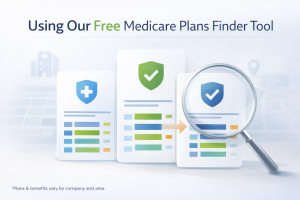
The Medicare Plans Finder Tool is an invaluable resource for Michigan residents exploring Medicare Advantage options. This tool, available on MedicarePartCPlans.org, allows beneficiaries to efficiently compare various Medicare plans, considering factors such as premiums, deductibles, and overall plan benefits. By leveraging this tool, you can personalize your search to find the best combination of coverage and cost that suits your healthcare needs. From evaluating prescription drug plans to understanding network restrictions, this tool streamlines the decision-making process, empowering you to make informed choices about your healthcare coverage.
How Our Tool Helps You Compare Advantage Plans
Our Medicare Plans Finder Tool is designed to simplify the complex task of comparing Medicare Advantage plans, making it easier to navigate the abundance of plan options available to you. By entering specific information, such as your zip code and preferred coverage needs, the tool filters through a vast database of available plans to provide a customized list of suitable options in your area. This includes an in-depth look at important plan details, like monthly premiums, which can vary significantly. By displaying these variations side-by-side, you can quickly identify plans that align with your budget and healthcare priorities.
The finder tool also highlights significant plan components, including medical and prescription drug benefits, enabling you to assess which plans offer the most comprehensive advantage coverage for your specific needs. With an understanding of whether you’ll need frequent access to prescription drug coverage, you can tailor your search to prioritize plans that effectively manage these costs. Additionally, the tool provides insights into each plan’s network, revealing whether your preferred healthcare providers are included, which is crucial for maintaining continuity in your medical care.
Moreover, the tool’s intuitive design allows you to easily compare plan options regarding insurance metrics like deductibles, copays, and other out-of-pocket costs. By comparing these financial elements alongside the benefits offered, such as vision or dental services, you can choose a plan that minimizes your healthcare expenditures while maximizing coverage. With the support of our finder tool, Michigan beneficiaries are better equipped to make informed decisions about their Medicare plans, ensuring their selections meet their healthcare and financial needs accurately.
Use this tool to confidently navigate the myriad of advantage plans available, fostering a healthcare strategy that supports your lifestyle and medical well-being.
Top Providers of Medicare Advantage Plans in Michigan
Michigan offers a diverse range of Medicare Advantage Plans, also known as Medicare Part C, catered by prominent providers committed to delivering comprehensive healthcare coverage. Among these, UnitedHealthcare, Anthem, and Blue Cross stand out with distinctive plan options and advantage plans tailored to meet various needs. Understanding the offerings from these providers helps Medicare beneficiaries make informed choices about prescription drug coverage, network access, and additional benefits.
Let’s explore what each major provider offers in terms of coverage, plan flexibility, and member resources, ensuring these options align with your healthcare and lifestyle needs.
Overview of UnitedHealthcare Medicare and Other Options
UnitedHealthcare Medicare Advantage plans are noted for their extensive network and service offerings, which cater to the needs of Michigan residents seeking comprehensive healthcare coverage through Medicare Advantage. UnitedHealthcare provides both HMO and PPO plans, allowing members to choose their healthcare providers within a broader network or opt for out-of-network services at a higher cost. This flexibility is particularly beneficial for those who wish to maintain relationships with specific doctors or specialists across Michigan.
UnitedHealthcare additionally integrates prescription drug coverage within many of its plans, ensuring that members have access to necessary medications without the hassle of separate policy purchases.
Moreover, their plans often include additional benefits such as dental, vision, and hearing services, enriching the member experience with broader coverage that Original Medicare lacks. Anthem Medicare Advantage plans present another viable option for beneficiaries, known for their competitive packages and emphasis on member wellness. Anthem plans frequently cover wellness programs and preventive services, enhancing overall health outcomes. Similarly, Blue Cross offers options tailored to local healthcare needs, with a focus on providing extensive provider networks and accessible advantage plans designed to suit varied financial and medical requirements.
Choosing between UnitedHealthcare, Anthem, and Blue Cross plans involves assessing your specific health needs, such as whether prescription drug coverage or additional dental and vision services are priorities. It’s essential to consider factors like monthly premiums, copays, insurance network restrictions, and any potential for out-of-pocket cost savings. Using tools like the Medicare plans finder available at MedicarePartCPlans.org can significantly aid in comparing these options, offering a detailed breakdown of plan benefits that cater to your unique preferences and needs.
By understanding the full scope of what each provider offers, Michigan beneficiaries can make educated decisions that optimize their healthcare coverage under Medicare Advantage.
Exploring Medicare Part C plans in Michigan involves understanding a variety of factors, including coverage options, network rules, and out-of-pocket costs. MedicarePartCPlans.org is here to educate and assist you in navigating these complexities with ease. By equipping yourself with the information available, you can make an informed decision that suits your healthcare needs and aligns with your lifestyle. Use our free Medicare plans finder tool to compare options available in your area, ensuring you select a plan that meets your requirements. Empower your Medicare journey by staying informed and proactive in your plan selection.
Compare plans and enroll online
Frequently Asked Questions
What is Medicare Part C?
Medicare Part C, also known as Medicare Advantage, offers an all-in-one alternative to Original Medicare. These plans are provided by private insurers approved by Medicare and include Part A (hospital insurance) and Part B (medical insurance), often with additional benefits like prescription drugs, vision, dental, and hearing services.
How are Medicare Advantage plans different from Original Medicare?
Medicare Advantage plans differ from Original Medicare in that they are offered by private insurers and may include additional benefits not covered by Original Medicare, such as vision, dental, and hearing services. Original Medicare consists of Part A and Part B and is provided directly by the federal government. Additionally, Medicare Advantage plans often have specific network arrangements like HMOs or PPOs.
How can Medicare beneficiaries in Michigan compare Medicare Advantage plans?
Michigan residents can use the Medicare Plans Finder Tool on MedicarePartCPlans.org to compare different Medicare Advantage plans. The tool helps evaluate plans based on premiums, deductibles, coverage options, provider networks, and additional benefits, allowing individuals to make informed decisions about their healthcare coverage.
What benefits might Medicare Advantage plans include beyond Original Medicare?
Beyond the coverage offered by Original Medicare, many Medicare Advantage plans provide additional benefits such as prescription drug coverage, vision, dental, hearing services, and wellness programs. These benefits cater to diverse healthcare needs and may help reduce out-of-pocket expenses.
What are the key enrollment periods for Medicare Advantage plans?
Enrollment in Medicare Advantage plans is possible during specific periods: the Initial Enrollment Period (IEP), which is around an individual’s 65th birthday, the Annual Enrollment Period (AEP) from October 15 to December 7, and Special Enrollment Periods (SEPs) for certain life events. These periods allow beneficiaries to enroll, switch, or drop plans as needed.
Have Questions?
Speak with a licensed insurance agent
1-877-436-2343
TTY users 711
Mon-Fri: 8am-9pm ET
Find & Compare Plans Online
ZRN Health & Financial Services, LLC, a Texas limited liability company