Embarking on your journey to find the most suitable Medicare Advantage Plan for 2027 in Wisconsin can feel overwhelming, but understanding your options in Medicare Part C can help simplify the process. Whether you’re newly eligible for Medicare or evaluating current plans, this guide offers valuable insights into available plan types, benefits, costs, and enrollment rules specific to Wisconsin. Equip yourself with the knowledge to compare Medicare Plan C options based on your location, such as Missouri compared to Wisconsin, and coverage needs, ensuring a well-informed decision that harmonizes with your unique healthcare requirements.







Best Medicare Part C Plans Wisconsin 2027
Key Highlights
- Medicare Advantage plans in Wisconsin provide an all-in-one alternative to Original Medicare, offering comprehensive coverage and flexibility.
- Plans often include additional benefits such as dental, vision, and wellness programs, catering to broader healthcare needs.
- Choosing between HMOs and PPOs is crucial: HMOs offer cost savings within networks, while PPOs provide provider choice flexibility.
- Enrollment periods, especially the initial and annual, determine access to benefits and influence healthcare cost planning.
- Using plan finder tools from MedicarePartCPlans.org aids in efficiently comparing plans by coverage, costs, and network access.
Compare plans and enroll online
Understanding Medicare Advantage in Wisconsin
Delving into Medicare Advantage plans in Wisconsin provides an essential understanding of Medicare’s comprehensive health coverage options. These plans, also known as Medicare Part C, offer a valuable alternative to Original Medicare by bundling hospital, doctor, and sometimes prescription drug coverage into a single plan.
Wisconsin residents have access to a variety of plans tailored to their healthcare needs and budget. As you explore these options, it’s important to consider the details of each plan, including benefits, coverage, premiums, and provider networks, to find the best match for your health care needs. Let’s explore the core elements of these plans and their associated benefits.
| Plan Features | Coverage Inclusions | Cost Management | Provider Flexibility |
|---|---|---|---|
| Comprehensive Benefits | Includes Part A (Hospital) and Part B (Medical) | Predictable Out-of-Pocket Costs | Network Types: HMO and PPO |
| Vision, Dental, and Hearing | Part D (Prescription Drug) Included | Variety of Plan Premiums | HMO: Requires Primary Care Provider |
| Wellness Programs | Additional Coverage Options | Annual Out-of-Pocket Maximum | PPO: Greater Provider Choice |
| Customizable Coverage | Emergency and Urgent Care | No or Low Deductible Options | Network and Out-of-Network Coverage (PPO) |
This table outlines the essential elements of Medicare Advantage plans in Wisconsin, highlighting how they offer comprehensive and customizable healthcare solutions.

What are Medicare Advantage Plans?
Medicare Advantage plans, also known as Medicare Part C, offer an all-in-one alternative to Original Medicare. In Wisconsin, these plans are administered by private insurance companies but must adhere to guidelines set by the Centers for Medicare & Medicaid Services (CMS). The appeal of Medicare Advantage lies in its ability to provide combined coverage, which includes Medicare Part A (hospital insurance) and Medicare Part B (medical insurance). Many plans also include Part D (prescription drug coverage), offering a convenient package for beneficiaries who wish to simplify their healthcare management under one plan.
The diverse array of Medicare Advantage plans available in Wisconsin allows coverage to be tailored according to individual health needs and preferences. This customized approach offers a significant advantage over Original Medicare, which often requires supplemental plans (such as Medigap) to cover additional benefits.
By exploring plan options through resources like MedicarePartCPlans.org, beneficiaries can effectively compare different plans, assess the benefits each offers, and find one that aligns with their specific requirements. Given that Medicare Advantage plans typically offer additional benefits such as vision, dental, and hearing coverage, they present a comprehensive solution to healthcare needs.
For those who prioritize provider access, many Medicare Advantage plans include networks of doctors and hospitals, allowing beneficiaries to choose within those networks for the best cost savings. However, it’s crucial to review plan specifics regarding out-of-network coverage, as costs can significantly differ. Whether you’re a new enrollee or considering a switch, understanding your options in Wisconsin is the first step towards making an informed decision about your healthcare coverage. Continued awareness of plan updates and CMS guidelines can also impact the choice of the most suitable Medicare Advantage plan.
Benefits of Choosing Medicare Part C
Choosing a Medicare Advantage plan, or Medicare Part C, in Wisconsin offers numerous benefits that enhance the overall healthcare experience for beneficiaries. One of the primary advantages is the comprehensive coverage these plans provide. Unlike Original Medicare, Medicare Advantage includes extra benefits like dental, vision, and even wellness programs, catering to a broader spectrum of healthcare needs. This can be especially beneficial for those looking for more than what the traditional Medicare Parts A and B offer.
Financial predictability is another attractive feature of Medicare Advantage plans. With these plans, Wisconsin residents can manage their healthcare expenses more effectively due to the out-of-pocket maximums they provide. This means beneficiaries have a clearer picture of their annual healthcare costs, which isn’t the case with Original Medicare alone. Additionally, premiums for Medicare Advantage plans can be competitive, and the inclusion of Part D prescription drug coverage in many of these plans presents a simplified and cost-effective way to manage medication needs.
Moreover, the flexibility in provider choice through various plan types like Health Maintenance Organizations (HMOs) and Preferred Provider Organizations (PPOs) allows beneficiaries to choose plans that match their specific provider access preferences. While HMOs generally require using network doctors for covered services, PPOs provide more leeway, letting beneficiaries visit out-of-network providers at a higher cost. This flexibility is essential for those who wish to maintain long-standing relationships with specific healthcare providers.
Lastly, beneficiaries can access valuable resources that guide them through choosing the right Medicare Advantage plan. Platforms like MedicarePartCPlans.org offer tools to find and compare plans based on individual coverage needs, ensuring that beneficiaries make informed decisions. Given the complexity of healthcare decisions, having access to such comprehensive resources ensures that Wisconsin residents can make educated choices about their Medicare coverage, maximizing their benefits while minimizing costs.
Exploring the Best Medicare Advantage Plans in Wisconsin
Wisconsin offers a wealth of Medicare Advantage plans designed to meet diverse healthcare needs and preferences. As more residents reach Medicare eligibility, examining factors like plan benefits, costs, and provider access becomes crucial. With top providers like Anthem and Network Health offering a range of plans, you can enjoy comprehensive coverage options. This section dives into the variety of plans available in 2027, focusing on significant regional considerations and the performance of these plans based on CMS star ratings. Let’s take a closer look at how these plans can benefit you.
Analyzing Plan Options for 2027
When considering Medicare Advantage plans in Wisconsin for 2027, it’s essential to explore various options that fit specific healthcare needs. The market offers numerous plan types, including those provided by well-known companies such as Anthem and Security Health Plan. With a focus on personalized coverage, these plans blend Medicare Part A and B while often incorporating Part D for prescription drugs. Notably, Network Health also offers its Network Health Armor (PPO), catering to those needing flexibility and a wide provider network.
The key to analyzing your options lies in understanding how these plans differ in terms of coverage, costs, and benefits. For instance, plans often include additional benefits such as dental, vision, and wellness programs, which are vital for maintaining overall health beyond the typical scope of Original Medicare. By weighing these extras against any potential costs or restrictions, beneficiaries can better determine which plan aligns with their lifestyle and health requirements.
One of the critical elements to consider is the CMS star rating, which offers an objective measure of a plan’s quality and performance. The star ratings range from one to five, with five being the highest, and assess categories such as member experience, customer service, and preventive care. This systematic evaluation helps beneficiaries make informed decisions when selecting a plan by comparing the ratings among options.
Moreover, regional differences can significantly affect the availability and variety of plans. It is important to shop carefully and find a plan that best suits the local provider networks and facilities. Access to a reliable Medicare plans finder tool, such as the one offered by MedicarePartCPlans.org, can provide indispensable support throughout this process. These tools allow beneficiaries to compare plans side by side, emphasizing aspects like network coverage, plan star ratings, and the reputation of top providers, ensuring a well-rounded decision-making process.
Top Providers in the State
In Wisconsin, several top providers stand out for their Medicare Advantage offerings, prominently featuring Anthem and Network Health. Each brings unique benefits to the table, making them leading choices for many Medicare beneficiaries. Anthem Medicare Advantage plans are particularly popular, boasting comprehensive coverage options and competitive star ratings. These plans often include extra benefits like wellness programs and preventative care services, aligning well with the needs of health-conscious seniors.
Network Health holds a strong presence in Wisconsin, with its Network Health Armor (PPO) offering flexibility that caters to a diverse population. The PPO model gives beneficiaries the freedom to choose their healthcare providers while still managing costs effectively within a network. This choice is beneficial for those who may require out-of-network care or have longstanding relationships with specific doctors.
Security Health Plan is another notable provider in Wisconsin, known for its tailored plans that cater to local preferences and healthcare needs. Its plans are praised for customer satisfaction and offer a robust combination of benefits, further supported by solid CMS star ratings. Their plans focus on enhancing the healthcare experience for Wisconsin’s Medicare recipients through accessible and comprehensive care options.
Regional considerations also play a pivotal role in selecting a provider. Accessibility to preferred medical facilities and practitioners can vary, so it’s essential to understand the local landscape. Comparing each provider’s plan options, benefits, and star ratings through resources like MedicarePartCPlans.org gives beneficiaries a head start in determining the right fit. This platform can streamline the comparison process, ensuring that Wisconsin residents make informed decisions about their Medicare Advantage coverage, optimizing their healthcare experience.
When choosing a Medicare Advantage plan in Wisconsin, it’s essential to keep several key factors in mind:
- Network Coverage: Analyze each provider’s network to ensure your preferred doctors and healthcare providers are included, avoiding disruptions in your healthcare continuity.
- Prescription Drug Coverage: Check the availability of prescription drug coverage and ensure it aligns with your medication needs, as this can significantly affect your long-term healthcare costs.
- Financial Considerations: Review plan premiums, annual deductibles, and out-of-pocket limits to understand the potential financial commitments involved, helping you budget effectively.
- Additional Benefits: Consider any additional wellness benefits like gym memberships, nutritional programs, and telehealth services, which can enhance your health and wellness routine.
- Customer Service: Evaluate customer service satisfaction ratings to gain insights into plan administration and support, as a reliable service can improve your overall experience.
- Geographical Restrictions: Investigate any geographical restrictions that may affect access to nearby medical facilities, ensuring you have convenient access to care when needed.
By focusing on these factors, you’ll gain a clearer picture of selecting an ideal Medicare Advantage plan in Wisconsin. Careful consideration will help ensure you choose a plan that accommodates your healthcare needs and financial situation.
Comparing Medicare Advantage Plans: HMOs, PPOs, and More
Medicare Advantage plans, encompassing varied plan types such as HMOs and PPOs, cater to diverse healthcare needs in Wisconsin. These plan types offer unique structures and benefits, allowing beneficiaries to select options aligning with their preferences and health requirements. While HMOs might suit those seeking cost-effective solutions within network constraints, PPOs provide flexibility for visiting out-of-network providers.
As you evaluate these plans, consider factors like coverage, network access, and additional offerings like prescription drugs or wellness programs. Understanding these different plan types is crucial for making informed decisions regarding your Medicare Advantage coverage.
Find & Compare Plans Online
Key Differences in Plan Types
The landscape of Medicare Advantage plans in Wisconsin offers primarily two types: Health Maintenance Organizations (HMOs) and Preferred Provider Organizations (PPOs). Each of these plan types caters to different preferences and healthcare needs. HMOs are generally more structured with a focus on coordinated care. They emphasize keeping healthcare costs predictable by requiring members to use a network of doctors and hospitals.
This network limitation helps in managing costs efficiently, often resulting in lower premiums and out-of-pocket expenses. However, when opting for an HMO, it’s crucial to understand that seeing specialists usually requires referrals, and out-of-network care is typically limited to emergencies, which could impact how you access certain services.
On the other hand, PPO plans such as the Network Health Armor (PPO) offer greater flexibility. PPOs allow beneficiaries to see any doctor or specialist without needing a referral, providing a more extensive network of providers. While choosing out-of-network services incurs higher costs compared to staying within network confines, the flexibility appeals to those who value provider choice. This flexibility often comes with higher premiums compared to HMOs, but it benefits those who need or prefer wider access to healthcare providers or specialist care.
Choosing between these plan types entails evaluating what is most important to you, whether it’s cost-effectiveness with HMOs or flexibility with PPOs. By using resources like MedicarePartCPlans.org, you can thoroughly compare these plan options based on coverage needs, costs, and personal preferences. It’s a valuable tool to help navigate the complex decision-making process, ensuring that Wisconsin beneficiaries find an advantage plan tailored to meet their specific requirements.
Understanding Network Health Options
Network Health plays a significant role in the Wisconsin Medicare Advantage market with its distinctive approach to healthcare coverage. Their plans, such as the Network Health Armor (PPO), are known for integrating expansive network services with comprehensive benefits, making them a strong contender for those valuing both choice and structure in their healthcare plans. One of the key elements in Network Health’s offerings is their emphasis on accessible and community-oriented services that align with the local healthcare system, enhancing the beneficiary experience by providing tailored options that suit the regional demography.
It’s important for beneficiaries in Wisconsin to understand how Network Health manages its network and contributions to healthcare accessibility and affordability. They build their network with a focus on quality care providers and hospitals to ensure their members benefit from seamless healthcare services. Choosing a plan from Network Health could mean access to specialized programs and benefits beyond typical Medicare Advantage offerings, such as wellness programs and preventive care initiatives.
Besides their network strengths, Network Health also provides options that include additional services like dental and vision benefits, which cater to a broad spectrum of healthcare needs. Balancing cost and comprehensive care, their plans are structured to offer competitive premiums that sit well with many Medicare beneficiaries. Their emphasis on member satisfaction and service quality supports their strong CMS star ratings, making them a preferred choice for many.
For those considering Network Health options, employing the MedicarePartCPlans.org tool can be a pivotal step. This platform allows beneficiaries to compare Network Health’s plans against other providers based on coverage benefits, quality ratings, and overall costs. Such a detailed approach ensures informed decision-making, optimizing healthcare coverage tailored explicitly to personal conditions and regional healthcare needs in Wisconsin.
Enrollment Information for Wisconsin Residents
Understanding how and when to enroll in Medicare Advantage plans is crucial for Wisconsin residents wishing to maximize their healthcare benefits. Enrollment periods are tightly regulated, ensuring that coverage aligns with personal health needs and life changes. Special considerations, particularly for Wisconsin, require attention to regional healthcare system intricacies and CMS guidelines.
By staying informed about optimal enrollment times and specific state considerations, you can navigate the Medicare Advantage landscape more effectively, ensuring that you select a plan tailored to your needs and preferences. Dive into the specifics of Medicare enrollment to make a well-informed decision.
When to Enroll in Medicare Advantage Plans
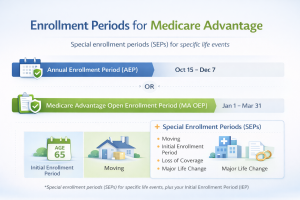
Knowing when to enroll in Medicare Advantage plans can significantly impact your access to healthcare benefits. For Wisconsin residents, the initial enrollment period for Medicare Advantage (also known as Medicare Part C) typically begins three months before you turn 65 and extends for a total of seven months, covering three months after your birthday month. This window provides the opportunity to choose a plan that fits your health requirements, ensuring no lapse in coverage. During this time, you can switch from Original Medicare, upgrade to a Medicare Advantage plan, or change plans if already enrolled, provided it better suits evolving needs.
In addition to the initial enrollment period, there’s the Annual Election Period, occurring from October 15 to December 7 each year. This is a critical time for existing beneficiaries to reassess their plans and make adjustments based on changing health circumstances or plan offerings. The availability of new plans or changes to existing ones may mean the difference in securing better benefits or lower costs. It’s a period characterized by dynamic decision-making as CMS updates, star ratings, and new plan benefits become available, potentially influencing your choice.
Supplemental enrollment times include Special Enrollment Periods (SEPs) that one might qualify for due to life events such as changes in Medicaid status, relocation, or loss of other health coverage. Understanding these periods and the criteria adjacent to them is vital for taking advantage of any additional enrollment opportunities that may arise throughout the year. Having access to a resourceful Medicare plans finder tool, like those provided by MedicarePartCPlans.org, can assist in comparing plans during these times, ensuring that you stay aligned with your coverage needs and maximize your healthcare investments.
Special Considerations for Wisconsin
Wisconsin offers unique considerations when it comes to choosing Medicare Advantage plans, influenced by both the state’s healthcare system and regulatory environment. For instance, Wisconsin’s rich benefits framework might increase the number of available plans, reflecting a desire to cater to diverse health needs. This variety requires that you carefully evaluate each plan’s offerings, including benefits, premiums, and provider networks, to ensure the coverage aligns with your expectations and lifestyle.
The interplay between Medicaid and Medicare can also introduce special considerations, as some beneficiaries may qualify for Medicaid in tandem with Medicare, influencing plan choices and potential benefits. Dual eligibility allows you to access extra resources while selecting Medicare Advantage plans that complement this dual coverage, optimizing total coverage and minimizing costs. Access to information regarding Medicaid benefits is crucial, ensuring you navigate these options effectively without missing out on possible entitlements.
Regional considerations, including provider networks that vary across Wisconsin, should be a fundamental aspect of your decision-making process. Access to healthcare facilities and trusted providers can greatly affect your satisfaction with a chosen plan.
Using the Medicare plan finder tool on MedicarePartCPlans.org, you can assess plan options relative to these geographic and personal preferences, taking into account CMS star ratings and other quality measures that rank plans across Wisconsin. This comprehensive approach ensures that you enroll in a plan that not only fits your immediate healthcare needs but also adapts to any changes in preferences or health priorities over time.
Finding the Right Medicare Advantage Coverage for You
Choosing the right Medicare Advantage plan in Wisconsin can be a strategic process aimed at balancing personal healthcare needs with available coverage options. With providers like Anthem and Network Health offering a range of plans, understanding how to identify the plan that best suits your needs is crucial. Through careful evaluation of coverage benefits, cost structures, and network availability, you can unlock the potential of Medicare Part C for comprehensive and personalized healthcare coverage. Utilizing available tools, resources, and regional insights enhances your decision process.
Using Medicare Part C Plan Finder Tools
Finding the right coverage can be simplified with the help of effective Medicare Part C plan finder tools. These tools allow beneficiaries to navigate the array of Anthem Medicare Advantage plans and others available in Wisconsin, offering a streamlined approach to comparing different options. With the increased variety of benefits and coverage differences across plans, finding the right fit can be daunting.
Plan finder tools come equipped with functionalities like filtering based on network health accessibility, star ratings, premium costs, and specific benefits such as dental or vision coverage. By using these resources, you gain access to a comprehensive overview that aids in making an informed decision about your insurance choices.
While using the Medicare plan finder, focus on determining the coverage that aligns with personal health requirements and budget constraints. Tools that provide reviews and ratings also highlight the strengths and potential weaknesses of various plans, ensuring that your selection process is thorough. Features that incorporate user reviews can offer insights into customer satisfaction and service reliability, which are vital components in choosing an Anthem or other health insurance provider. These insights form the basis for a decision that not only meets immediate healthcare needs but also adapts to any changes or anticipated future health requirements.
Furthermore, selecting the right Medicare Part C plan is about more than just comparing premiums or coverage benefits. The finder tool also aids in accessing information related to network health and provider availability, which can have direct implications on healthcare access and overall coverage quality. CMS star ratings provided in the tool serve as an objective measure of plan quality, giving beneficiaries a detailed understanding of plan performance in Wisconsin. Ultimately, using a detailed Medicare plan finder tool can steer you toward the plan that harmonizes with your lifestyle, coverage needs, and regional considerations.
Security Health Plan and Regional Considerations
Understanding regional considerations and evaluating the Security Health Plan can significantly influence your Medicare Advantage plan choice in Wisconsin. Security Health Plan offers tailored coverage that meets the distinct healthcare needs of residents, focusing on regional specifics that benefit local beneficiaries. When examining Security Health Plan, consider how their Medicare Advantage plans integrate with existing health services and facilities within Wisconsin, ensuring seamless access to necessary care.
Security Health Plan is recognized for its commitment to customer satisfaction, with plans designed to complement regional healthcare requirements. This emphasis ensures that Wisconsin beneficiaries can access a healthcare network comprising highly regarded doctors and hospitals. Choosing a Security Health Plan means benefiting from its solid CMS star ratings and comprehensive coverage options, often including additional benefits such as wellness programs and preventive care services. With network health considerations in mind, these options reflect a focus on personalized, high-quality care.
Regional differences also play a crucial role in how beneficiaries approach their plan choices. Local provider networks can impact access to care and influence how effectively a plan meets individual needs. Security Health Plan places importance on understanding these geographic variances, thereby offering plans that cater to a variety of regional preferences. Beneficiaries are encouraged to use tools like the one available at MedicarePartCPlans.org to evaluate how Security Health Plan’s offerings compare to other regional choices, emphasizing distinctions in network quality, access, and comprehensive benefits coverage.
In conclusion, comprehending the regional implications and special considerations of plans like the Security Health Plan allows beneficiaries in Wisconsin to make informed decisions tailored to their health and lifestyle needs. By leveraging resources and plan finder tools, residents can perfectly align their Medicare Advantage selection with regional healthcare landscapes, making the most of their Medicare Part C coverage and ensuring optimal health care outcomes.
For those residing in Wisconsin, understanding Medicare Advantage plan options can be challenging. Using our resources, beneficiaries can compare different plans based on their specific needs and preferences. These plans often offer additional services like vision and dental, providing a comprehensive healthcare solution. To explore feasible options tailored to your situation, utilize our free Medicare plans finder tool. Being informed empowers you to make the ideal choice for your health and budget requirements, ensuring a comfortable transition to the coverage that meets your expectations. Costs for Medicare Advantage Plans for 2027 also vary by area, like South Carolina compared to Wisconsin, so it’s important to be informed.
Compare plans and enroll online
Frequently Asked Questions
What is Medicare Advantage and how does it differ from Original Medicare?
Medicare Advantage, also known as Medicare Part C, is an alternative to Original Medicare. Administered by private insurance companies and adhering to CMS guidelines, these plans provide combined coverage for hospital (Part A), medical (Part B), and often prescription drug services (Part D) in a single plan. They typically offer additional benefits such as dental, vision, and wellness programs, which are not covered by Original Medicare.
What are the main types of Medicare Advantage plans available in Wisconsin?
In Wisconsin, the primary types of Medicare Advantage plans include Health Maintenance Organizations (HMOs) and Preferred Provider Organizations (PPOs). HMOs usually provide cost savings with a network of providers, while PPOs offer greater flexibility in choosing healthcare providers, including options outside the network at a higher cost.
When can I enroll in a Medicare Advantage plan?
There are several enrollment periods for Medicare Advantage plans. The initial enrollment period starts three months before you turn 65 and lasts for seven months. Additionally, the Annual Election Period from October 15 to December 7 allows you to change your Medicare Advantage plan each year. Special Enrollment Periods may also be available if you qualify due to specific life events.
How do Medicare Advantage plans compare to Medigap policies?
Medicare Advantage plans are comprehensive and may include extra benefits like vision and dental, often with lower premiums, but require using provider networks. Medigap, or Medicare Supplement Insurance, helps cover out-of-pocket costs not covered by Original Medicare and allows flexibility in choosing any provider that accepts Medicare, but does not include extra benefits like those of Medicare Advantage plans.
What resources are available to help compare Medicare Advantage plans?
To efficiently compare Medicare Advantage plans, beneficiaries in Wisconsin can use plan finder tools like those offered on MedicarePartCPlans.org. These tools allow you to compare plans based on coverage, costs, network access, and CMS star ratings, helping you make an informed decision that matches your healthcare needs.
Have Questions?
Speak with a licensed insurance agent
1-877-436-2343
TTY users 711
Mon-Fri: 8am-9pm ET
Find & Compare Plans Online
ZRN Health & Financial Services, LLC, a Texas limited liability company