Medicare Part D Plans 2027 Comparison

As Medicare beneficiaries consider their healthcare needs for 2027, understanding Medicare Part D prescription drug plans becomes crucial. Medicare Part D plans are designed to help cover the costs of medications, and with varying premiums, copayments, and formularies, the choices can seem daunting. Our comprehensive comparison of 2027 Medicare Part D plans helps to simplify the selection process by providing clear information on available options, ensuring that beneficiaries can make informed decisions based on budget, specific medication needs, and coverage preferences.

Explore plan variations to find the ideal fit for your health and financial requirements.

Key Highlights

  • Medicare Part D plans help cover medication costs, with diverse premiums, copayments, and formularies for 2027.
  • Integration of Part D with Medicare Advantage or Original Medicare is essential for comprehensive drug coverage.
  • Evaluate Medicare drug lists as formularies can change annually, affecting medication costs and coverage.
  • Compare drug plans based on cost structures, coverage details, and network pharmacy options for optimal savings.
  • Timing enrollment in Medicare Part D during IEP, AEP, or SEP ensures effective prescription drug coverage.

Compare plans and enroll online

Understanding Medicare Part D Plans for 2027

With numerous options available, understanding Medicare Part D plans for 2027 is crucial for efficient drug coverage. Unique features tailored for 2027 make planning essential for beneficiaries. This section explores key aspects of Medicare Part D plans, highlighting integration with existing coverage to help you make informed choices. Discover how these plans can optimize your prescription drug benefits by aligning them with other parts of Medicare, ensuring comprehensive protection. Whether you’re new to Medicare or reviewing your options, gaining insights into Medicare Part D plans for 2027 will support your health coverage needs.

Key Features of a Medicare Part D Plan

Key Features of a Medicare Part D Plan

Medicare Part D plans have evolved significantly, offering diverse plan options to better meet beneficiaries’ drug coverage needs. Each plan provides varying levels of benefits, making it important to carefully analyze the available options. Typically, a Medicare Part D plan includes a formulary, or drug list, which indicates the medications covered under the plan. This list varies with each provider and is subject to annual changes, affecting the cost and accessibility of medications crucial for your health. In 2027, it will be vital to review each plan’s formulary to ensure it aligns with your prescription needs.

Cost plays a significant role in choosing a Medicare Part D plan. While premiums are a known component, the deductible and copayment structure can influence overall expenses. Many plans continue to offer options with low or no deductibles; however, copayments may vary by medication tier. Beneficiaries must evaluate their personal usage of prescription drugs and their financial situation to determine which plan offers the most cost-effective coverage. In 2027, anticipate changes in copayment structures that reflect adjustments in medication pricing and coverage policies.

Some Medicare Part D plans offer additional benefits, such as mail-order pharmacy services for added convenience and potentially lower costs. Additionally, plans may have varying networks of pharmacies, and so beneficiaries should consider pharmacy access when choosing a plan. Considering the many aspects involved, using resources like MedicarePartCPlans.org can be advantageous. Their comprehensive Medicare plans finder tool helps you compare the myriad options available for 2027, ensuring that the plan you select provides the best coverage based on your location, budget, and health needs.


Key Features Cost Considerations Integration Strategies Additional Benefits
Provides a range of prescription drug options Annual deductible and monthly premium aspects Coordination with existing Medicare programs Access to a comprehensive network of pharmacies
Different coverage tiers for various medications Potential out-of-pocket expenses for higher-tier drugs Streamlining with Medicare Advantage plans Availability of medication therapy management programs
Formulary lists subject to annual review Impact of the coverage gap, often called the “donut hole.” Compatibility with supplementary insurance plans Incentives for use of generic drugs
Flexibility in choosing preferred pharmacies Consideration of cost-sharing rules Options for automatic prescription refills Programs supporting medication adherence

This table provides a concise overview of the evolving features and strategic considerations of Medicare Part D plans for 2027.

How Medicare Part D Integrates with Existing Coverage

Integrating Medicare Part D with your existing coverage is essential to maximizing your healthcare benefits. For many beneficiaries, including those with Medicare Advantage plans or Original Medicare, adding a Part D plan offers crucial prescription drug coverage. This integration helps close gaps, reducing out-of-pocket expenses for medications. A key consideration when adding Part D to existing coverage is how its drug coverage complements the medical benefits provided under Medicare Part A and Part B. Such strategic integration enables beneficiaries to manage their medications more effectively and cost-efficiently.

When you’re weighing your options, recognize that Medicare Part D plans can also work alongside supplemental insurance such as Medigap. Although Medigap plans do not typically offer drug coverage themselves, pairing them with a Part D plan ensures that your medical and prescription needs are comprehensively covered. In 2027, coordinating between these plans will remain crucial as the landscape of healthcare coverage continues to evolve, ensuring beneficiaries are financially protected against unforeseen high prescription costs.

For those with current employer or union health coverage, integrating Part D requires a nuanced understanding. It’s vital to determine how adding a Medicare Part D plan may impact existing creditable drug coverage offered through these plans. Depending on your employment status and other existing benefits, enrolling in Part D can be beneficial, but it must be done strategically to avoid disruptions in coverage or incurring penalties.

To navigate this complex territory, seeking guidance through resources like the MedicarePartCPlans.org website can provide clarity. Their insights help effectively align Part D plans with your overall coverage strategy for 2027, empowering informed decisions and streamlined integration.

Navigating the Medicare Drug List

Navigating the intricacies of the Medicare drug list is crucial for maximizing your Prescription Drug Plan benefits. The drug list, or formulary, details which medications are covered under each plan, influencing out-of-pocket costs and accessibility. Understanding what’s included in these lists and their impact on costs can significantly aid your decision-making process. By thoroughly exploring the Medicare drug list, you ensure that your chosen Part D plan aligns with your healthcare needs and ultimately provides comprehensive drug coverage. Stay informed to optimize your healthcare investments effectively.

What is Included in the Medicare Drug List?

The Medicare drug list, also known as a formulary, outlines the prescription drugs covered by your Part D plan. This list doesn’t just include high-demand medications but extends to a wide range that can address various health needs. When evaluating a drug plan, it’s crucial to ensure that your necessary prescriptions are included. The formulary is categorized into tiers, which dictate the cost-sharing structure, directly affecting out-of-pocket expenses.

Typically, lower-tier drugs, being generics, come at a reduced cost, while brand-name drugs on higher tiers require more out-of-pocket spending. For Medicare beneficiaries, understanding this tiered system is vital, as it can significantly impact their overall healthcare budget throughout the year. It’s also important to note that formularies can change annually, based on factors like the availability of new drugs or changes in drug effectiveness.

Therefore, it’s advisable to review the drug list thoroughly every year during the open enrollment period. With ongoing advancements in medical treatments, staying informed about updates on the Medicare drug list can ensure that your health management strategies remain responsive and cost-effective. Keeping abreast of these formulary changes can help mitigate surprises at the pharmacy counter, where minor shifts in your plan’s drug list can have noticeable impacts on your prescription bills.

Find & Compare Plans Online

Speak with a licensed insurance agent

1-877-436-2343TTY 711

Mon-Fri: 8am-9pm ET

How the Drug List Affects Out-of-Pocket Costs

Understanding how the Medicare drug list influences out-of-pocket costs is essential for optimizing your Part D plan. The structure of the drug list directly correlates with your financial responsibility. Each tier in the formulary determines different copayment or coinsurance amounts, meaning the tier your medication is in impacts the amount you pay. For example, choosing a plan where most of your medications fall under a lower tier can significantly reduce expenses.

However, if a crucial medication is placed in a higher tier, your out-of-pocket costs could rise markedly. Such dynamics underscore the importance of carefully comparing drug plans to ensure they meet your current and anticipated healthcare needs. Beyond tier assignments, network pharmacies play a crucial role in how costs are managed. Using in-network pharmacies generally reduces out-of-pocket expenses, and some plans may offer additional savings through preferred networks or mail-order options.

It’s also noteworthy that some plans may include specialized drug coverage for certain high-cost medications. These specialized coverages can substantially affect how you budget your healthcare spending. Equally crucial is understanding the protection offered during the catastrophic coverage phase, where out-of-pocket costs for medications drop significantly after reaching a certain spending threshold.

By thoroughly understanding how the Medicare drug list shapes out-of-pocket costs, you can choose a drug plan that aligns not only with your medical but also financial needs, enhancing your access to necessary treatments while controlling costs effectively.

Comparing Drug Plans: What to Look For

Finding the right Medicare Part D plan for 2027 involves understanding various factors that can impact your healthcare costs and access to medications. When comparing drug plans, consider key aspects like cost structure, coverage details, and how these plans complement your existing Medicare benefits. This guide will help you evaluate costs and discern between different drug plan options, aiding your decision-making process as you seek comprehensive drug coverage. We aim to empower you with insights that simplify choosing a plan tailored to your health needs and budget.

Evaluating Costs and Coverage of Drug Plans

When comparing Medicare Part D plans, evaluating their costs and coverage is crucial to finding the plan that fits your needs. Start by analyzing the premiums, which vary among drug plans, influencing your monthly expenses. Consider how the deductible impacts initial costs; some plans may offer a low deductible or none at all, but this often correlates with higher premiums. Copayments and coinsurances are another piece of the puzzle.

These out-of-pocket costs vary depending on the medication tier; generic drugs usually incur lower costs, whereas brand-name drugs may require higher contributions. Understanding these components helps you forecast your potential annual spending on prescription medications.

In addition to costs, coverage specifics are equally vital. Each drug plan has a formulary, determining which medications are covered and under which circumstances. Drug plans list medications in tiers, impacting your share of the cost and availability of prescriptions vital to your health. Review the formulary to ensure your prescriptions are covered and understand how plan tiers may affect your expenses.

Be on the lookout for any upcoming changes to the formulary in 2027, as these might impact drug availability and costs. Comparing drug plans also involves considering network pharmacies. Some drug plans offer broader networks or preferred pharmacy options, potentially reducing your costs further.

If you frequently travel or prefer mail-order services, verify how each plan supports these preferences. A detailed evaluation of costs and coverage in drug plans ensures you pick a solution aligned with your health priorities and financial considerations. Remember, resources like MedicarePartCPlans.org’s free finder tool can assist in narrowing down your choices by comparing plan types and costs specific to your location.

How to Analyze Different Drug Plan Options

Analyzing various drug plan options requires a strategic approach to leverage benefits effectively. Begin by compiling a list of your current medications, including doses and frequencies. This list will be your cornerstone, ensuring the plans you consider accommodate all your prescriptions efficiently. Next, evaluate how different plans catalog your medications within their formularies. A plan placing most of your drugs in lower-cost tiers may offer substantial savings. However, anticipate potential changes in formularies for 2027 as healthcare providers adjust to new regulations and drug developments.

Beyond medication coverage, consider the broader plan options available to you. Many drug plans today incorporate innovative benefits designed to enhance convenience and minimize costs for beneficiaries. For instance, several plans offer discounts on medications filled through mail-order pharmacies, an appealing feature if managing chronic conditions. Additionally, understanding the reach and reputation of a plan’s network pharmacies can also influence your experience and convenience in acquiring medications.

Cost is a pivotal factor, but it’s also essential to factor in the ‘Extra Help’ program if your income level qualifies you for assistance. This federal program can dramatically reduce premiums and out-of-pocket costs, allowing access to needed medications without financial strain. Also, understanding any plan’s coverage gap phases and their impact on your drug costs over the year is beneficial for comprehensive budgeting.

To aid your analysis, utilizing comparative tools like the one available on MedicarePartCPlans.org is advisable. Such platforms enable efficient side-by-side evaluations of drug plans based on location-specific offerings and personal medical requirements. They simplify the process of discerning which plans provide necessary coverage while maintaining budget-friendliness. By following a structured approach and utilizing available resources, comprehensively analyzing drug plan options equips you to make informed decisions tailored to your health and financial situations.

Enrollment Tips for Medicare Part D

Enrolling in a Medicare Part D plan is crucial for managing prescription drug costs, especially as healthcare needs continue to evolve. For Medicare beneficiaries, understanding the enrollment process, deadlines, and requirements ensures optimal plan selection. This section provides valuable insights into when to enroll, outlining the most favorable times and conditions for beneficiaries. Knowledge of key Medicare enrollment periods helps avoid late fees and guarantees continuous coverage. By exploring these tips, you can effectively navigate the complexities of Medicare Part D and secure comprehensive prescription drug benefits tailored to your needs.

When to Enroll in a Medicare Part D Plan

When to Enroll in a Medicare Part D Plan

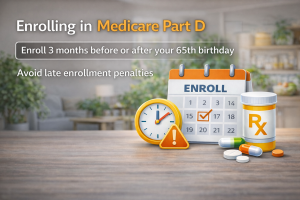
Timing your enrollment in a Medicare Part D plan is essential for taking advantage of full prescription drug benefit coverage. For new Medicare beneficiaries, the Initial Enrollment Period (IEP) is typically the best time to enroll. This period begins three months before the month you turn 65 and continues for three months after that birthday month. Enrolling during this window ensures seamless coverage and avoids late enrollment penalties that could affect your costs long-term.

If you’re under 65 and have received Social Security Disability Insurance for 24 months, you automatically qualify for Medicare, including Part D, starting the 25th month, making this a strategic period to consider enrollment.

Additionally, if you miss the IEP, the Annual Enrollment Period (AEP) from October 15 to December 7 provides another opportunity to join, switch, or drop a Part D plan. Changes made during AEP take effect on January 1 of the following year. This period is also an ideal time to review your current plan’s formulary updates, copayments, and networks to ensure it still meets your healthcare needs.

Should your situation change, such as retirement or losing employer-based drug coverage, the Special Enrollment Period (SEP) offers flexibility to adjust your Medicare Part D coverage without penalties. SEPs are vital for adapting your plan in response to significant life changes, securing continual access to necessary medications.

Moreover, if you qualify for programs like Extra Help due to limited income, you can switch Part D plans at any time throughout the year. This assistance can significantly lower your costs, making it easier to maintain access to essential medications.

Understanding these enrollment periods and options helps you effectively manage your healthcare strategy, optimize financial resources, and ensure your prescriptions are consistently covered. Harnessing tools like MedicarePartCPlans.org’s Medicare plans finder empowers you to compare plans efficiently, tailoring selections to fit your health needs and budget, providing peace of mind regarding your prescription drug coverage.

To provide a comprehensive overview of the enrollment options available for Medicare Part D, let’s consider some key points to keep in mind:

  • Begin researching plans a few months before your Initial Enrollment Period.
  • Utilize the Medicare plans finder to compare available options efficiently.
  • Consider changes in your health needs and prescriptions during Annual Enrollment.
  • Review the list of covered drugs and copayment structures of your current plan.
  • Be aware of potential penalty fees for late enrollment.
  • Adjust your plan during a Special Enrollment Period if experiencing life changes.
  • Check eligibility for assistance programs like Extra Help for cost reductions.

These points will guide you in making informed decisions regarding your Medicare Part D plan, ensuring continued access to your medications.

Understanding the nuances of Medicare Part D plans for 2027 empowers you to make more informed decisions regarding your prescription drug coverage. By utilizing resources like our comprehensive comparison tools, you can assess the plans that align with your individual health needs and financial circumstances. We encourage you to explore various plan features, including formulary lists, premiums, and copayment structures, to find a plan tailored to your situation. Visit MedicarePartCPlans.org to access our Medicare plans finder tool and further support your journey in selecting the appropriate coverage in 2027.


Compare plans and enroll online

Frequently Asked Questions

What is Medicare Part D?

Medicare Part D is a program designed to help cover the costs of prescription medications. It offers various plan options with different premiums, copayments, and formularies to meet beneficiaries’ medication needs.

How can I integrate Medicare Part D with other Medicare plans?

Medicare Part D can be integrated with Medicare Advantage or Original Medicare to provide comprehensive drug coverage. This integration ensures that beneficiaries have reduced out-of-pocket expenses for medications.

What factors should I consider when choosing a Medicare Part D plan?

When choosing a Medicare Part D plan, consider the cost structure (premiums, deductibles, copayments), formulary coverage, network pharmacy options, and how they align with your budget and health needs.

When should I enroll in a Medicare Part D plan?

Enrollment in a Medicare Part D plan should be timed with your Initial Enrollment Period (IEP), Annual Enrollment Period (AEP), or any Special Enrollment Period (SEP) to avoid penalties and ensure coverage.

Can I pair Medicare Part D with Medigap?

Yes, you can pair Medicare Part D with Medigap to ensure comprehensive coverage. While Medigap doesn’t offer drug coverage, adding Part D covers your prescription needs.

Have Questions?

Speak with a licensed insurance agent

1-877-436-2343

TTY users 711

Mon-Fri: 8am-9pm ET

Find & Compare Plans Online

Speak with a licensed insurance agent

1-877-436-2343TTY 711

Mon-Fri: 8am-9pm ET

ZRN Health & Financial Services, LLC, a Texas limited liability company