Medicare Advantage Plans, also known as Medicare Part C, often come with attractive coverage benefits that make them a popular choice among eligible seniors. One intriguing feature of some Medicare Advantage Plans is the absence of a premium, raising questions about how this is possible. This webpage delves into the mechanics of Medicare Advantage Plans, exploring how these plans operate, their funding structure, and the reasons behind their premium pricing. By understanding these factors, Medicare beneficiaries can make more informed decisions about their healthcare options available through these plans.







How Can Medicare Advantage Plans Have No Premium?
Key Highlights
- Zero-premium Medicare Advantage plans offer coverage without additional monthly premiums but may include other expenses like copayments.
- These plans are funded through Medicare payments to private insurers, enabling them to offer Part A and B benefits.
- Zero-premium plans often include extra benefits like vision and dental, appealing to those on fixed incomes.
- Medicare Advantage plans’ features and costs can vary significantly by location, affecting plan choice and availability.
- Enrollment periods are critical for accessing Medicare Advantage plans, with tools available to aid in comparing options.
Compare plans and enroll online
Understanding Zero-Premium Medicare Advantage Plans
Zero-premium Medicare Advantage plans are an intriguing option for many Medicare beneficiaries, offering coverage without an additional monthly premium. Understanding how these plans can offer such benefits is essential for making informed decisions. While it may sound like these plans are entirely free, it isn’t completely so. Instead, beneficiaries benefit from how private insurance companies are able to structure these plans under Medicare guidelines. This section will unpack the mechanics of these plans, their benefits, and important factors to consider.

How Zero-Premium Medicare Advantage Plans Work
Zero-premium Medicare Advantage plans, or plans that boast no monthly premium, can seem like a surprising offer. However, the mechanics behind these plans are straightforward once you understand the Medicare Advantage framework. Medicare Advantage, also known as Medicare Part C, enables private insurance companies to create plans conforming to Medicare’s regulations. These private insurers receive funding from Medicare to manage and deliver Part A and Part B benefits to plan members. Consequently, some companies design their plans to exclude an additional monthly premium by efficiently allocating these funds.
In essence, while the advantage plan itself might not demand a premium from the beneficiary, funding is still channelized from Medicare’s payments to the insurance provider. This allows these plans to cover typical Medicare services at no added cost to the premium. It’s important to note that although zero-premium plans are available, beneficiaries might still have other expenses, such as copayments, coinsurance, and deductibles to consider. These out-of-pocket costs ensure that while the premium may be zero, it isn’t completely free in total cost.
Potential members must evaluate individual needs against the inherent coverage of a zero-premium plan. Not all plans will provide equal value, as the lack of a premium might reflect other areas where the plan economizes. Reviewing coverage specifics such as network restrictions, provider availability, and additional benefits like prescription drugs, vision, or dental can be instrumental in gauging the plan’s overall suitability. Understanding these plans helps in making informed decisions that align with one’s healthcare needs and budgetary realities.
Benefits of Zero-Premium Medicare Plans
Opting for a zero-premium Medicare Advantage plan comes with unique benefits that appeal to many Medicare beneficiaries. First and foremost, the primary attraction is the elimination of an additional monthly premium, which can lead to significant cost savings. This attribute is especially beneficial for retirees on a fixed income looking to minimize regular expenditures while maintaining adequate healthcare coverage.
Beyond immediate cost savings, zero-premium plans often include coverage that traditional Medicare doesn’t offer, such as vision, hearing, and dental care. Some plans even incorporate fitness programs and wellness benefits, which contribute to a holistic approach to healthcare. These additional features are designed to enhance beneficiaries’ quality of life without incurring extra premium costs, making it a very appealing proposition for those seeking comprehensive care within a constrained budget.
However, while these plans present numerous benefits, potential enrollees must understand that despite the allure of no monthly premium, zero-premium Medicare, like any Medicare Advantage plan, may include varying copayments and coinsurance, which still contribute to the overall Medicare costs. It’s also necessary to ensure that medications and current health providers fall within a plan’s network to avert unexpected pocket costs.
When considering a zero-premium plan, it’s advantageous to utilize resources like MedicarePartCPlans.org to use tools like the Medicare plans finder tool. This not only helps compare plans but also juxtaposes plan features, costs, and coverage particulars efficiently. As such, beneficiaries can discern the value offered by different zero-premium plans and ensure their choice aligns well with health requirements and financial circumstances. Taking the time to assess these advantages and nuances helps in ultimately choosing a plan that favors both present needs and potential future changes in health or budget.
Exploring Medicare Advantage Plan Types
Navigating Medicare Advantage plans means understanding the various types of plans available, each offering different benefits and varying levels of coverage. With a range of choices, Medicare beneficiaries can find a plan that closely matches their healthcare needs and financial situation. This section will delve into the key features of these plans and compare how they vary based on location, offering insights into selecting the right plan amidst the diverse options available.
Find & Compare Plans Online
Key Features of Medicare Advantage Plans
Medicare Advantage plans, also referred to as Medicare Part C, present a versatile option for those eligible for Medicare. One of the defining features of these plans is their expanded coverage. They often go beyond what’s available through Original Medicare (Part A and Part B), including additional benefits like vision, dental, and even prescription drug coverage in many cases. This bundled approach can simplify healthcare management by consolidating most coverage needs under a single plan. It’s important to note that while premiums can be minimized or even zero, other costs, such as copayments, coinsurance, and out-of-pocket expenses, may still apply.
These plans are offered by private insurance companies, which contract with Medicare to deliver Part A and Part B benefits. Such arrangements allow them the flexibility to tailor plan offerings, influencing everything from premiums to the range of additional services provided. This means that the features of an Advantage Plan can vary significantly, depending on the provider and the specific plan in question. Understanding the role of private insurers is crucial in recognizing how these plans maintain competitive premiums while offering extensive coverage options.
A crucial aspect for beneficiaries to consider is the plan’s network restrictions. Medicare Advantage plans often require members to choose healthcare providers within a specified network, or they might offer different costs for using out-of-network services. Health Maintenance Organization (HMO) plans and Preferred Provider Organization (PPO) plans are common types, each with unique network stipulations. For instance, HMOs typically enforce stricter network rules compared to PPOs, which might allow for more flexibility in choosing care providers.
Another appealing element of Medicare Advantage plans is the potential for predictable costs through maximum out-of-pocket limits. Unlike Original Medicare, these plans can cap the extent of out-of-pocket costs, offering financial predictability and protection. This can be particularly beneficial for those who frequently require healthcare services. Additionally, features like fitness programs and wellness initiatives are often included to enhance overall health and well-being, beyond immediate medical needs.
Ultimately, understanding the intricacies of Medicare Advantage plans involves assessing whether the covered services align with individual health requirements and financial constraints. Tools such as the Medicare plans finder tool on MedicarePartCPlans.org can provide invaluable assistance in evaluating options, ensuring that beneficiaries choose a suitable plan tailored to their specific needs.
| Plan Feature | Description | Network Type | Location Impact |
|---|---|---|---|
| Health Maintenance Organization (HMO) | Requires use of a network of doctors and hospitals; typically needs referrals for specialists. | Closed network | Plan options and network size may vary, impacting access to in-network care in different regions. |
| Preferred Provider Organization (PPO) | Offers more flexibility with a larger network; no referrals needed for specialists. | Open network | Availability of diverse PPO options may depend on regional healthcare networks. |
| Special Needs Plans (SNP) | Designed for specific groups of people, such as those with certain chronic conditions. | Specialized network | SNP availability may be limited to areas with sufficient populations meeting the plan’s criteria. |
| Private Fee-for-Service (PFFS) | Allows visiting any provider that accepts the plan’s terms; fewer network restrictions. | Variable network | Provider acceptance can vary significantly by area, affecting plan usability. |
This table encapsulates the diverse elements of Medicare Advantage plans, emphasizing how geographic factors can influence plan availability and features.
Comparing Different Advantage Plans Based on Location
When exploring Medicare Advantage plans, location plays a pivotal role in determining available options. Plan availability and specifics, including premiums, benefits, and provider networks, can vary significantly by geographic region. Private insurance companies can tailor their plan offerings to the needs and demographics of different areas, which subsequently influences the choices available to Medicare beneficiaries.
In metropolitan areas, for example, the abundance of healthcare providers and infrastructure can lead to a wider variety of plan options with competitive rates. Beneficiaries in these regions might enjoy more extensive healthcare networks, allowing greater flexibility in selecting providers and pharmacies. Rural areas, on the other hand, may present limited plan choices due to fewer participating providers, which can affect network size and service accessibility.
Consider the health landscape of your location, as it heavily influences the kind of Medicare Advantage plans on offer. Some regions might emphasize plans with a strong focus on chronic disease management, while others may provide robust preventive care programs. Such differences are crucial when considering the long-term health benefits and costs associated with a plan. In areas with a higher population of retirees or specific health trends, plans might include specialized services or focus on common health concerns particular to that region.
For optimal decision-making, beneficiaries should research not only the plan features but also the performance and reputation of plans within their locale. Utilizing local resources and consulting with local healthcare professionals can provide insight into what plans are best supported and which networks offer the most comprehensive care. Software tools like the free Medicare plans finder on MedicarePartCPlans.org can be particularly helpful, offering tailored plan comparisons based on zip code, making it easier to identify plans that meet both healthcare needs and budgetary constraints.
Additionally, considering the local cost of living and relative health care costs can guide beneficiaries in selecting a plan that fits within their financial framework. Medicare Advantage plans’ premiums and out-of-pocket costs can fluctuate greatly depending on the economic environment of an area. Therefore, it’s essential to evaluate plans not only on their immediate number but also on how they integrate with local healthcare dynamics and long-term healthcare needs.
By closely examining the aspects influenced by location, beneficiaries can align their choice of Medicare Advantage plan with personal health goals and regional offerings, ensuring a coherent approach to their healthcare strategy.
Enrollment Essentials for Medicare Advantage
Choosing the right Medicare Advantage plan begins with understanding when and how to enroll. Medicare Advantage plans offer an alternative to Original Medicare and can include additional benefits, but enrolling requires careful consideration of timing and coverage needs. Knowing the enrollment periods, procedures, and specific plan offerings is vital to making informed decisions. This section will guide you through these aspects to help effectively navigate the Medicare Advantage enrollment process.
When and How to Enroll in a Medicare Advantage Plan
Enrolling in a Medicare Advantage plan, also known as Medicare Part C, is an important decision for many Medicare beneficiaries looking to optimize their healthcare coverage and control costs. These plans are managed by private insurance companies and cover what Original Medicare (Parts A and B) offer, often with added benefits. To successfully enroll in a Medicare Advantage plan, understanding the enrollment timeline and procedure is essential.
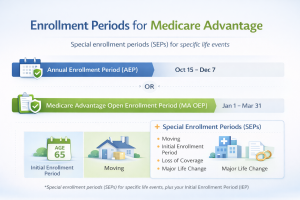
The Initial Enrollment Period (IEP) is the first opportunity for most individuals to sign up for a Medicare Advantage plan. This seven-month window begins three months before the month you turn 65, includes your birthday month, and extends three months afterward. During this time, you can choose to enroll in a Medicare Advantage plan that fits your healthcare and financial needs. Notably, enrollment coincides with your eligibility for Original Medicare, allowing a seamless transition into a Medicare Advantage plan if desired.
Another critical enrollment opportunity is the Annual Enrollment Period (AEP), running from October 15 to December 7 each year. During the AEP, those already enrolled in Medicare can switch between Medicare Advantage plans, join a Medicare Advantage plan for the first time, or return to Original Medicare. This period offers the chance to reassess healthcare needs and adjust coverage as necessary, considering changing health conditions or financial situations.
Certain beneficiaries may qualify for a Special Enrollment Period (SEP) due to specific circumstances, such as moving to a new area, losing existing coverage, or changes in Medicaid eligibility. These SEPs allow individuals to make changes to their Medicare Advantage plan outside standard enrollment periods, ensuring continuous and relevant healthcare coverage despite life changes.
When considering options, it’s essential to compare the monthly premium, coverage benefits, network restrictions, and additional costs like copayments or coinsurance that can impact overall expenses. Many are drawn to zero-premium Medicare Advantage plans, which often attract individuals looking to manage costs by minimizing upfront premium payments. However, assessing such plans for hidden costs, like higher copayments or restricted networks, is crucial.
Ultimately, choosing the right Medicare Advantage plan involves a balance of coverage needs, budget considerations, and understanding private insurance companies’ offerings. Tools like the Medicare plans finder on MedicarePartCPlans.org can help beneficiaries compare plan costs, coverage details, and provider networks efficiently. By carefully evaluating each option, you can ensure a Medicare Advantage plan that aligns with your healthcare needs and financial situation, paving the way for comprehensive and affordable healthcare coverage.
To enhance your understanding of enrollment opportunities and considerations for Medicare Advantage plans, here are key factors to keep in mind:
- Evaluate the plan’s network of doctors and hospitals for accessibility.
- Verify prescription drug coverage and formulary specifics within the plan.
- Consider out-of-pocket maximums to understand potential financial limits.
- Assess additional benefits, such as dental and vision care coverage.
- Review any restrictions on specialists and referral requirements.
- Check the plan’s star ratings for insights on quality and performance.
- Inquire about customer service support and available resources.
Keeping these factors in mind will help you make an informed decision regarding your Medicare Advantage plan selection.
Understanding the intricacies of Medicare Advantage plans is crucial as you make informed decisions about your healthcare coverage. These plans often feature $0 premiums thanks to the way they are funded and structured, providing access to essential benefits while maintaining affordability. It’s important to explore the available options comprehensively, taking into account factors such as additional benefits, network restrictions, and out-of-pocket costs. By comparing these aspects, you can select a plan that aligns with your health needs and budget. Use our Medicare plans finder tool for guidance tailored to your specific location and requirements.
Compare plans and enroll online
Frequently Asked Questions
What is a Medicare Advantage plan?
Medicare Advantage, also known as Medicare Part C, is an alternative to Original Medicare. These plans are offered by private insurance companies and provide Part A and Part B benefits, often including additional services like vision and dental.
How can a Medicare Advantage plan have a $0 premium?
Some Medicare Advantage plans have a $0 premium because they are funded by Medicare payments to private insurers, allowing them to cover Part A and B benefits without charging an extra monthly premium. However, beneficiaries may still have other expenses like copayments.
What additional benefits can Medicare Advantage plans offer?
Many Medicare Advantage plans offer benefits beyond Original Medicare, such as vision, dental, hearing care, and wellness programs. These benefits aim to provide comprehensive coverage for beneficiaries.
When can I enroll in a Medicare Advantage plan?
Enrollment periods for Medicare Advantage include the Initial Enrollment Period, Annual Enrollment Period from October 15 to December 7, and, in certain circumstances, a Special Enrollment Period. These periods are crucial for switching or choosing plans.
How does location affect my Medicare Advantage plan options?
Your location greatly impacts the availability and specifics of Medicare Advantage plans. Plan options, premiums, benefits, and network size can vary depending on geographic region, affecting your choices and coverage.
Have Questions?
Speak with a licensed insurance agent
1-877-436-2343
TTY users 711
Mon-Fri: 8am-9pm ET
Find & Compare Plans Online
ZRN Health & Financial Services, LLC, a Texas limited liability company