Navigating Medicare’s Annual Enrollment Period (AEP) is essential for those considering Medicare Advantage plans. This period, occurring each year, offers a critical window for Medicare beneficiaries to evaluate and adjust their healthcare coverage. Understanding key dates and differences between AEP and Open Enrollment allows informed decisions about healthcare needs. Whether exploring different plans or contemplating changes to current coverage, being aware of enrollment opportunities ensures your plan aligns with evolving medical requirements. Here, we provide detailed insights into these enrollment periods, enabling Medicare recipients to compare options effectively and strategically prepare for the upcoming year.







Annual Enrollment Period for Medicare Advantage
Key Highlights
- Navigating Medicare’s AEP is crucial for adjusting healthcare plans effectively.
- Understanding Medicare’s parts helps tailor coverage to health needs and financial peace.
- Annual Enrollment Period (AEP) runs from October 15th to December 7th.
- Plan finder tools aid in comparing Medicare Advantage options by location.
- Differentiate between AEP and Open Enrollment for strategic health planning.
Compare plans and enroll online
Understanding Medicare Enrollment: Key Concepts and Basics
Getting a handle on the basics of Medicare enrollment can significantly impact your healthcare experience. Understanding the different parts of Medicare and how they fit together allows beneficiaries to make informed choices about coverage and insurance needs. It’s essential to be aware of Medicare enrollment periods, as timing plays a crucial role in starting or modifying your health plan. Here, we’ll explore the fundamental elements of Medicare coverage by breaking down its components and shedding light on key enrollment nuances to guide you in assessing your Medicare Part and Advantage plans.

What is Medicare and Its Different Parts?
Medicare, a federal health insurance program, is designed primarily for people 65 and older, those with certain disabilities, and individuals with End-Stage Renal Disease. It’s broken down into parts: Original Medicare, which includes Part A and Part B, is typically seen as the core coverage. Part A usually covers hospital insurance, which includes inpatient hospital stays, care in a skilled nursing facility, home healthcare services, and hospice care. Part B deals with medical insurance, covering certain doctors’ services, outpatient care, medical supplies, and preventive services.
Beyond Original Medicare, there is Medicare Part C, known as Medicare Advantage, which offers an alternative to Parts A and B. These Advantage plans, offered by private insurance companies, often include additional benefits such as prescription drug coverage, dental, or vision services. Speaking of medications, Medicare Part D provides prescription drug coverage and can be added to Original Medicare or integrated into some Medicare Advantage plans. Understanding these parts helps beneficiaries determine which combination aligns best with their healthcare needs.
Medicare beneficiaries can also consider Medigap policies, supplemental plans that help cover some healthcare costs not paid by Original Medicare, such as copayments, coinsurance, and deductibles. As each part of Medicare serves distinct roles, recognizing how they can complement each other is crucial for accessing comprehensive coverage. Staying informed about these options enables beneficiaries to construct a tailored care plan that addresses their specific health requirements and provides financial peace of mind.
To further explore how Medicare components can work together to provide comprehensive healthcare coverage, consider these key elements:
- Evaluate specific health needs to determine appropriate Medicare parts and Medigap combinations.
- Understand the unique benefits of Medicare Advantage plans beyond Original Medicare.
- Consider potential out-of-pocket costs when choosing between Original Medicare and Medicare Advantage.
- Explore prescription drug plans to ensure medication needs are covered effectively.
- Check if additional benefits like vision and dental are necessary for your situation.
- Analyze how supplemental plans might offset costs not covered by Original Medicare.
- Stay updated on enrollment periods to avoid missing vital deadlines.
Recognizing these elements helps in crafting a well-rounded healthcare plan tailored to individual needs.
Navigating the Medicare Enrollment Process
Embarking on the Medicare enrollment journey can appear daunting, but understanding the process makes it more manageable. The initial step involves knowing when you’re eligible to join: enrollment periods are specifically timed. For most individuals, the journey begins three months before they turn 65 and extends to three months after their birthday month. However, if you qualify due to a disability, your enrollment timeline shifts to align with your 25th month of receiving disability benefits.
During these enrollment periods, beneficiaries can join, switch, or even drop a plan, making it essential to choose a plan that fits evolving health needs and life circumstances. It’s vital to acknowledge that failing to enroll during the specified window might lead to penalties or suffering from coverage gaps. Special Enrollment Periods offer exceptions, triggered by life events like moving to a new area or losing current health insurance coverage, enabling adjustments outside the standard timeframe.
Alongside these, annual enrollment periods present opportunities to review and adjust existing plans or even transition from Original Medicare to a Medicare Advantage plan. It’s during such open enrollment periods that one can also join a new Medicare Advantage or Medicare prescription drug plan, ensuring the chosen plan aligns with future healthcare desires and anticipated needs in the following months. Obtaining advice from educational resources, like MedicarePartCPlans.org, can illuminate these processes, empowering beneficiaries to feel confident about their Medicare plan decisions. Accessible plan finder tools also enhance decision-making by allowing comparisons tailored to specific location-based coverage options, making the selection more precise and adaptable to individual circumstances.
Find & Compare Plans Online
Exploring the Annual Enrollment Period for Medicare Advantage
The Annual Enrollment Period (AEP) for Medicare Advantage is a significant opportunity for current enrollees and new beneficiaries to review and adjust their healthcare plans. Understanding key dates and how this period impacts your Medicare Advantage plan options is crucial for maintaining optimal coverage tailored to your health needs. In this section, we’ll delve into the important dates and deadlines you should be aware of and explore how the Annual Enrollment Period affects your Medicare Advantage choices. By grasping these elements, you can strategically manage your healthcare plan during this crucial timeframe.
Important Dates and Deadlines to Remember
The Annual Enrollment Period, also known as the AEP, occurs annually from October 15th to December 7th. During this time, individuals enrolled in Medicare have the opportunity to make strategic adjustments to their Medicare Advantage or Medicare prescription drug plans. Remembering these dates is key to ensuring your coverage reflects your current health status and future needs. If you’re considering switching from Original Medicare to a Medicare Advantage plan, this is the window to make that change without any hassle. Additionally, if you’re already enrolled in a Medicare Advantage plan, this period allows you to switch to a different plan that might better suit your needs. It’s also an optimal time to enroll in a new prescription drug plan if you anticipate changes in your medication needs.
Aside from making these switches, the AEP is crucial for reviewing your current coverage to ensure it aligns with your health care priorities. Keeping track of these enrollment dates is fundamental, as missing this Annual Enrollment Period could mean waiting until the next year to make similar changes. This can potentially leave gaps in necessary coverage or result in unexpected healthcare costs. Taking advantage of tools like the free plan finder at MedicarePartCPlans.org is invaluable. This resource can help compare plan options based on location and the specific benefits you desire, ensuring that your Medicare Advantage plan and drug coverage meet your expectations. Understanding these critical deadlines ensures you make informed decisions about your Medicare coverage.
How the Annual Enrollment Period Affects Your Choices
The Annual Enrollment Period (AEP) dramatically opens up the array of choices available to you, allowing flexibility to tailor your Medicare Advantage plan according to evolving needs. During this period, you can reconsider your Medicare Advantage options, especially if your current plan no longer adequately addresses your healthcare demands or if your circumstances have changed, such as a shift in health conditions or financial situations. It’s a chance to reassess whether your current advantage plan offers sufficient drug coverage for any new prescriptions or if additional health benefits like dental or vision are necessary.
For beneficiaries currently enrolled in a Medicare Advantage plan, the AEP provides an opportunity to shift to a plan with better terms or lower costs, or even to switch back to Original Medicare if you find the traditional coverage more favorable. It’s an essential time to evaluate not only your coverage choices but also how your plan’s network could affect your access to preferred doctors and specialists. Understanding these options can prevent unforeseen costs and ensure continued access to needed services. Beneficiaries should utilize resources such as the Medicare plan finder to effectively compare coverage options, location-based plan details, and cost differences to help you make a decision that aligns with your personal needs.
Furthermore, this enrollment period doesn’t just permit changes to existing plans but also serves as an informative experience for better understanding the complexities of Medicare coverage. With changes in the healthcare landscape, benefits, costs, and plan networks can shift, necessitating periodic reviews to ensure you’re making the best choice given current information and forecasts. The insights gained during this period could also prepare you for more efficient decision-making in the future. Effectively leveraging the AEP helps you to secure a Medicare Advantage plan that truly suits your needs, ensuring peace of mind and comprehensive healthcare coverage throughout the year.
Medicare Advantage Open Enrollment: What You Need to Know
Medicare Advantage Open Enrollment is a crucial period specifically for beneficiaries currently enrolled in a Medicare Advantage plan. This window allows for modifications to your insurance coverage to better suit your healthcare needs. Understanding the nuances of this period, such as the differences from the Annual Enrollment Period, can empower you to make informed choices about your health and drug coverage. By grasping these details, you are better equipped to navigate the complexities of Medicare Advantage plans, ensuring optimal coverage and care.
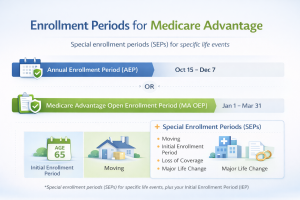
Navigating the Medicare Advantage Open Enrollment Period
The Medicare Advantage Open Enrollment Period begins on January 1st and ends on March 31st each year. Unlike the Annual Enrollment Period, it’s exclusive to current Medicare Advantage plan members. During this time, you have the option to switch from your current Medicare Advantage plan to another Advantage plan within the same timeframe or revert to Original Medicare. It’s a key moment to reassess whether your plan continues to meet your health needs, provides sufficient drug coverage, or if you need a different type of care plan.
If you’ve found your existing Medicare Advantage plan unsatisfactory due to network changes, premium increases, or alterations in drug coverage, this period serves as the perfect opportunity to explore other plans that might offer more fitting benefits. It’s essential to note that you can only make one change during this time, so thorough research and plan comparison are crucial. An advantage of making a change within this period is the potential avoidance of long-term dissatisfaction with your healthcare providers or plan structure.
Tools like the free Medicare plan finder available on MedicarePartCPlans.org can assist you in reviewing and comparing different plans, focusing on coverage specifics, prescription drug costs, and wider network options. This resource is particularly beneficial in identifying location-specific plans that might better support your healthcare preferences and financial situation. Remember, no changes to Part D prescription drug coverage alone can be made unless it’s tied to a Medicare Advantage plan adjustment. Thus, it’s imperative to consider your entire healthcare picture before deciding. Engaging with resources and taking older adults’ unique circumstances into account ensures that your plan choice is informed and beneficial for your long-term health strategy.
Differences Between Medicare Advantage Open Enrollment and Annual Enrollment
Understanding the differences between the Medicare Advantage Open Enrollment and the Annual Enrollment Period is vital for strategic planning. The Annual Enrollment Period, running from October 15th to December 7th, allows any Medicare-eligible individual to join, switch, or drop a plan. This is the primary time for beneficiaries to consider entering a Medicare Advantage plan or changing their prescription drug plan, making it a broader enrollment opportunity compared to the Medicare Advantage Open Enrollment Period.
The Medicare Advantage Open Enrollment is reserved for those already enrolled in an Advantage plan, offering a more narrow scope focused on refining or altering current plan choices. Unlike the wide-ranging changes you can make during the Annual Enrollment Period, this period doesn’t allow beneficiaries to join a Medicare Advantage plan for the first time or enroll in Part D drug coverage separately; changes must be related to altering an existing Advantage plan. This distinction is crucial for planning when considering new enrollments versus changes to existing coverage.
Beneficiaries must be keenly aware of these differences to avoid missed opportunities in enhancing coverage, as changes during these periods can significantly impact future health and financial planning. Leveraging the MedicarePartCPlans.org resource can help clarify these distinctions through easy-to-understand guides and comprehensive plan comparisons that are tailored to individual needs. This ensures that decisions made during these periods are strategic, informed, and aligned with your health objectives and geographic considerations. By appreciating the nuances of each enrollment period, beneficiaries can better navigate the complexities of Medicare plans and avoid unnecessary coverage gaps or financial pitfalls.
| Enrollment Period | Eligibility | Actions Allowed | Important Considerations |
|---|---|---|---|
| Medicare Advantage Open Enrollment Period | Existing Medicare Advantage Plan members | Switch to Original Medicare or another Medicare Advantage Plan | Occurs once per year from January 1st to March 31st |
| Annual Enrollment Period | All Medicare beneficiaries | Enroll in, drop, or switch Medicare plans | Runs from October 15th to December 7th and allows broader plan changes |
This table provides a concise overview of the Medicare Advantage Open Enrollment period compared to the Annual Enrollment Period, aiding in strategic planning.
Enhancing Your Medicare Coverage: Tips for Selecting the Right Plan
Choosing the right Medicare plan is a pivotal step in ensuring your healthcare needs are adequately met. By understanding how different plans fit into your lifestyle and health requirements, you can make an informed decision that optimizes your Medicare coverage. Utilizing location-based tools to compare Medicare Advantage plans can streamline this process, offering personalized options that cater to your specific needs. Here, we’ll explore how using such tools, especially during critical enrollment periods, can help you select the most suitable plan. These tips aim to guide you through the complexities and aid in finding a plan tailored to your healthcare needs.
Using Location-Based Plan Finders to Compare Medicare Advantage Options
When navigating the array of Medicare Advantage plans available, leveraging location-based plan finders can significantly enhance your ability to find a plan that’s tailored to your needs. These tools simplify comparing options by narrowing down plans based on your geographic area, allowing you to view Medicare plans that are specific to your location, ensuring the plan you consider is available in your area. Additionally, these finders provide insights into how different plans perform concerning Medicare coverage, such as whether they include comprehensive health and drug plan options crucial for your current and future health needs.
Moreover, location-based comparisons enable you to evaluate plans based on network coverage, a factor that influences which healthcare providers and hospitals you can access. This is particularly beneficial if you have specific doctors or specialists you prefer, ensuring that the Medicare Advantage plan you join maintains your existing care plan without having to compromise on the quality or convenience of care. Addressing coverage gaps is another critical aspect, especially during the open enrollment period. This period is your chance to switch or adjust plans, so having detailed information about the health and drug plan offerings in your region helps in making well-informed choices.
Beyond coverage details, these plan finders offer a comprehensive look at the cost implications of each plan. It’s essential to consider monthly premiums, deductibles, and any out-of-pocket costs associated with each Medicare Advantage plan. Understanding these financial aspects helps manage your healthcare budget effectively, ensuring that switching plans can be done without unexpected expenses during the enrollment period. The consistent updates and personalized aspects of these tools, such as those available at MedicarePartCPlans.org, make the comparison process easier. They align your decision-making with your specific situation, ensuring your Medicare coverage is both current and forward-thinking. By integrating these strategies into your plan review process, you maintain control over your health insurance choices, confidently navigating toward a Medicare Advantage plan that meets your comprehensive healthcare and financial needs.
Understanding the Annual Enrollment Period (AEP) and Open Enrollment dates for Medicare Advantage is crucial for making informed decisions about your healthcare coverage. Take the time to review your current plan and explore different plan options available in your area. Remember that your needs and circumstances may change, so it’s essential to reassess your coverage options annually. Utilizing resources like MedicarePartCPlans.org’s free Medicare plans finder tool can aid in comparing plans in your region and ensuring you select the one that best aligns with your healthcare requirements and financial situation.
Compare plans and enroll online
Frequently Asked Questions
What is the Annual Enrollment Period (AEP) for Medicare Advantage?
The Annual Enrollment Period (AEP) occurs each year from October 15th to December 7th. It allows Medicare beneficiaries to evaluate and make changes to their Medicare Advantage or prescription drug plans.
How does the Annual Enrollment Period (AEP) differ from Open Enrollment?
The AEP is for adjusting Medicare Advantage and prescription drug plans for any eligible individual, while the Medicare Advantage Open Enrollment Period, from January 1st to March 31st, is exclusive to current Medicare Advantage plan members for refining their coverage.
Can Medicare beneficiaries join a Medicare Advantage plan for the first time during the Medicare Advantage Open Enrollment Period?
No, during the Medicare Advantage Open Enrollment Period (January 1st to March 31st), beneficiaries can only switch from one Medicare Advantage plan to another or revert to Original Medicare. It’s intended for those already enrolled in a Medicare Advantage plan.
How can beneficiaries use plan finder tools for comparing Medicare Advantage options?
Beneficiaries can use plan finder tools, like the one at MedicarePartCPlans.org, to compare Medicare Advantage options based on their location. These tools allow a comparison of plan benefits, costs, and coverage networks available in the specific area.
What are Medigap policies, and how do they work with Original Medicare?
Medigap policies are supplemental plans that help cover some of the healthcare costs not paid by Original Medicare, such as copayments, coinsurance, and deductibles. They complement Original Medicare for more comprehensive coverage.
Have Questions?
Speak with a licensed insurance agent
1-877-436-2343
TTY users 711
Mon-Fri: 8am-9pm ET
Find & Compare Plans Online
ZRN Health & Financial Services, LLC, a Texas limited liability company