Average Costs of Medicare Supplement Plans

Understanding the average costs of Medicare Supplement Plans in 2027 is crucial for Medicare beneficiaries who seek comprehensive healthcare coverage. This overview examines the factors influencing premiums, including age, location, and plan choice, helping you make informed decisions about managing healthcare expenses.

With various options available, it’s important to consider how these plans complement Original Medicare by covering out-of-pocket costs like copayments and deductibles. Explore this guide to better understand how different plans align with your healthcare needs and budget, offering clarity on the financial implications of selecting a Medicare Supplement Plan in 2027.

Key Highlights

  • Medicare Supplement Plans help cover costs not included in Original Medicare, such as copayments, coinsurance, and deductibles.
  • Plan costs vary widely due to factors like the insurance company, your location, age, and plan type.
  • Medicare Advantage plans offer additional benefits and require network usage, unlike Medigap which complements Original Medicare.
  • Regional price differences impact plan costs significantly; urban areas may offer lower premiums than rural locations.
  • Use resources like a free plan finder to compare plan costs and find aligning coverage for your healthcare needs.

Compare plans and enroll online

Understanding Medicare Supplement Plan Options

Medicare Supplement Plans, also known as Medigap plans, are crucial for managing out-of-pocket expenses not covered by Original Medicare. These plans offer a range of benefits and are provided by private insurance companies to help cover healthcare costs like copayments, coinsurance, and deductibles. Choosing the right Medicare supplement plan requires understanding your coverage needs, eligibility, and how these plans differ from Medicare Advantage. This section delves into what a Medicare Supplement Plan is and explores the differences between Medicare Advantage and Medigap plans to guide you effectively.

What Is a Medicare Supplement Plan?

Medicare Supplement Plans, commonly known as Medigap, are designed to cover gaps in Original Medicare coverage. When you enroll in a Medicare plan, you might find that Medicare Part A and Part B don’t cover all your medical expenses. This is where a supplement plan comes in handy.

Medigap plans help pay for out-of-pocket costs such as copayments, coinsurance, and hospital stays that Original Medicare doesn`t fully cover. These policies are sold by private insurance companies and are standardized, meaning the coverage for each plan type is consistent across different insurers. However, not all plans are available in every location, so it’s important to find a policy that suits your needs.

When considering a Medicare supplement plan, it’s crucial to compare the average costs and evaluate what plans are offered in your area. The amount you pay for a Medigap plan depends on various factors, including your location, the insurance company, and the specific plan you choose. Eligibility for these plans typically requires you to already have Medicare Part A and Part B.

During your initial enrollment period, you have a guaranteed right to buy any Medigap policy offered in your state without concern for health underwriting. Understanding these aspects can help you make an informed decision when selecting a Medigap plan that aligns with your healthcare needs and financial situation.

Differences Between Medicare Advantage and Medigap Plans

Medicare Advantage and Medigap plans serve distinct purposes and cater to different needs. A Medicare Advantage plan, also known as Medicare Part C, is an alternative way to receive your Medicare coverage. These plans are offered by private insurance companies and combine Part A (hospital insurance) and Part B (medical insurance).

Many Medicare Advantage plans also include Part D prescription drug coverage, often providing extra benefits like dental, vision, and hearing coverage that Original Medicare doesn`t offer. However, with Medicare Advantage plans, you typically need to use the plan`s network of providers, which can be a limitation for those who require flexibility.

On the other hand, Medigap plans work alongside Original Medicare, allowing you to keep your existing Medicare coverage while supplementing it with additional benefits. Unlike Medicare Advantage, Medigap plans do not cover prescription drugs, meaning you`ll need to enroll in a separate Part D plan for medication coverage.

Choosing between these two options depends largely on your healthcare needs, preferences for provider flexibility, and expected medical expenses. While Medigap plans generally entail higher monthly premiums, they can save you money by reducing out-of-pocket costs for services, offering potentially greater coverage predictability.

Understanding the key differences between these plans can lead to smarter healthcare decisions. Both Medicare Advantage and Medigap plans have their advantages, but they are fundamentally different in structure and coverage scope.

An in-depth comparison of policy benefits and costs will be instrumental in identifying which option best meets your health care coverage needs. When assessing both types of plans, consider factors like premiums, out-of-pocket expenses, and the breadth of coverage each plan type provides to ensure that you or your loved ones make an informed choice.

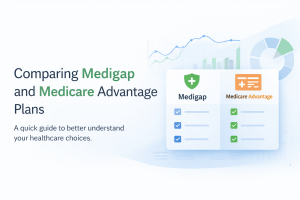
Comparing Medigap and Medicare Advantage Plans

Average Costs of Medicare Supplement Plans in 2027

Medicare Supplement Plans, commonly referred to as Medigap plans, are a vital component in managing costs that Original Medicare doesn`t fully cover. Understanding the average cost of these plans in 2027 can significantly impact your healthcare budgeting.

The cost varies widely and is influenced by several factors, including insurance company policies and regional price differences. This section explores the key factors affecting plan costs and examines how costs vary across different regions to help you navigate these crucial aspects effectively.

Key Factors Affecting Plan Costs

The cost of Medicare Supplement Plans, also known as Medigap plans, is influenced by a variety of factors that potential enrollees should be aware of. One primary factor is the insurance company providing the policy. Each company sets its rates based on multiple considerations, including its administrative costs and expected payouts.

Another key factor is the method insurance companies use to price their policies. This can include attained-age pricing, where costs increase as you age; issue-age pricing, which bases costs on your age at purchase; or community-rated pricing, where everyone pays the same rate regardless of age. Understanding these pricing models is crucial as they directly affect monthly premiums and overall plan costs.

Additionally, demographic factors such as your age, gender, and health status can all influence the average Medicare supplement plan premiums you may encounter. While your health cannot affect the pricing during the initial enrollment period due to guaranteed issue rights, it may be considered if you apply later.

Geographic location is also a significant influencer; supplement costs may range differently across states and even within regions due to varying medical cost trends and local regulations. The amount you pay will also depend on the plan type you select, as some plans offer broader coverage with potentially higher supplement costs, while others cover only basic expenses.

Moreover, deductibles and out-of-pocket limits associated with each plan type can impact the overall valuation of supplement costs. Higher deductible plans often feature lower monthly premiums, which might be attractive if you expect lower healthcare utilization. However, if you anticipate more frequent use of medical services, choosing a plan with lower deductibles but higher premiums could be more economical in the long run.

The importance of shopping and comparing plan costs cannot be understated, as it provides you the opportunity to find a policy that aligns well with your financial and coverage needs. Regardless of these factors, understanding your options and how they fit your personal circumstances is essential for managing the costs effectively.

Find & Compare Plans Online

Speak with a licensed insurance agent

1-877-436-2343TTY 711

Mon-Fri: 8am-9pm ET

Regional Differences in Plan Cost

Regional differences considerably affect Medicare supplement plan costs, resulting in variations in what you might pay based on where you live. The nationwide average costs can differ by hundreds of dollars depending on the state or even within metropolitan areas within the same state.

This disparity is due to several factors, including the cost of healthcare services, regional regulations, and the level of competition among insurance providers in each area. For instance, densely populated areas with numerous healthcare facilities and competing insurers may offer lower premiums compared to rural areas with limited access to medical services and fewer insurance options.

Local health insurance policies and government mandates can also influence costs. States that have specific rules about Medigap plan standardization or consumer protection might see higher average costs due to increased administrative expenses borne by insurance companies.

Furthermore, lifestyle and demographic trends in a region, such as a higher prevalence of chronic conditions, can drive up healthcare demands and impact plan pricing. These regional variations underscore the importance of not just looking at national price ranges but evaluating specific plan costs in your locality.

To navigate these discrepancies, leveraging tools like the Medicare Part C Plans’ free Medicare plans finder on our website can be beneficial. This tool enables you to compare plan costs according to your location and needs, helping to ensure you make an informed decision.

Given the complexity of these pricing factors, consulting professionals or using available resources can provide detailed insights into the most cost-effective plans in your area. Being proactive in understanding the regional pricing landscape will equip you with the knowledge to manage your Medicare supplement costs efficiently and choose a plan that provides value both financially and in terms of coverage.

Comparing Plan Costs and Monthly Premiums

When considering a Medicare Supplement Plan, understanding the nuances of plan costs and monthly premiums is paramount. These plans, intended to fill the gaps left by Original Medicare, come with varying premiums that depend on several factors including the insurance company and coverage needs.

Broaching the specifics of monthly premiums and how they fluctuate with different coverage options can provide clarity for beneficiaries. This section covers what to expect in terms of monthly premiums and delves into how costs vary based on coverage needs, helping you make an informed decision that aligns with your budget and healthcare requirements.

Medicare cost

Monthly Premiums: What to Expect

Monthly premiums for Medicare Supplement Plans can be challenging to navigate due to the myriad of factors that influence them. The insurance company you choose plays a significant role in determining your plan’s premiums.

Each company sets its premiums based on administrative costs, expected claims, and competitive strategies in its respective markets. Generally, monthly premiums for Medigap policies can range from modest to considerable, depending largely on your chosen plan, location, and the insurer’s pricing model.

These pricing models often include attained-age, issue-age, and community-rated plans, each with distinct structures. In an attained-age plan, premiums increase as you age, reflecting the rising healthcare costs typically associated with aging. Issue-age plans calculate premiums based on your age at the time of purchase, meaning younger buyers may secure lower starting premiums. Community-rated plans set the same premium for all policyholders, regardless of age, providing predictability.

One must also consider the coverage extent provided by their chosen Medigap policy. Plans offering comprehensive coverage generally come with higher monthly premiums but can mitigate extensive out-of-pocket expenses later. For instance, Plans F and G are known for their broad coverage, which includes most, if not all, of the deductibles and copayments that Original Medicare doesn’t cover.

Conversely, less comprehensive plans like Plan K or L might offer lower premiums but come with increased cost-sharing responsibilities. The policy you select should reflect both your financial capacity and expected healthcare usage, to ensure you don’t overpay or underprepare for medical expenses. Analyzing your healthcare needs in conjunction with available Medigap plans can help manage your monthly insurance expenditure efficiently.

How Supplement Costs Vary by Coverage Needs

Supplement costs are highly contingent on the type and extent of coverage you elect. Choosing a policy largely depends on how much out-of-pocket cost you can afford to shoulder and the coverage’s breadth required for peace of mind. Plans that offer more extensive benefits, like covering foreign travel emergencies or additional hospital days beyond Medicare’s limits, typically carry higher costs.

For those who anticipate needing routine medical services or have chronic conditions requiring regular attention, investing in a more expensive plan might offer reassurance and financial savings against unexpected hefty medical bills. However, if you rarely visit healthcare providers, a lower-cost plan with basic benefits might suffice, thus lowering your premiums while still providing a safety net for unforeseen circumstances.

It’s crucial to recognize that supplemental costs also vary by the deductible you opt to handle. Plans with higher deductibles generally feature lower monthly premiums, suitable for those comfortable paying upfront for services until the deductible is met. Conversely, low-deductible plans often have higher premiums but reduce the burden of significant out-of-pocket expenditures over time. Moreover, eligibility impacts your costs.

Beneficiaries who enroll during their initial Medigap enrollment period often enjoy more favorable pricing as insurance companies cannot impose surcharges based on pre-existing conditions or health status during this timeframe. Evaluating deductible levels against coverage requirements and financial flexibility is vital for optimizing insurance investment.

The free Medicare plans finder offered by MedicarePartCPlans.org is an indispensable tool for this purpose, enabling a detailed comparison of plans based on location and personal healthcare needs.

By leveraging such resources, you can pinpoint a Medigap plan that balances monthly premiums with your expected usage, ensuring comprehensive coverage that aligns seamlessly with your health management strategy. Always approach Medigap plan selections with a clear understanding of your healthcare trajectory and financial potential, as striking this harmony will render the most value in the long run.


Plan Type Premium Influences Coverage Implications Considerations
Plan A Age, location, tobacco use, and gender. Community-rated model used. Basic benefits with limited excess charge coverage. Suitable for those preferring lower premiums and minimal excess charges.
Plan F Issue-age rated, costs vary based on age at enrollment. Comprehensive coverage, including Medicare Part B excess charges. Ideal for individuals wanting extensive coverage; note availability restrictions for new enrollees.
Plan G Sometimes, Attained-age rated premiums increase with age. Similar to Plan F, but does not cover the Part B deductible. Balance of premium cost and comprehensive coverage; requires consideration of annual cost increases.
Plan N Based on geographical factors and individual health status. Covers Part A deductibles and some copayments; Part B excess charges not covered. Cost-effective for those who don’t frequently visit doctors or specialists.

This table outlines the variables influencing Medicare Supplement Plan costs and premiums, aiding in aligning healthcare coverage with personal and financial needs.

Tips for Managing Medicare Supplement Plan Costs

Managing the costs associated with Medicare Supplement Plans, or Medigap, is essential for maintaining financial stability while ensuring you cover necessary healthcare expenses. With varying plan costs influenced by factors such as insurance company pricing and regional differences, finding effective strategies to optimize these expenses becomes critical. In this section, we’ll explore actionable tips to manage plan premiums effectively, assess supplement costs, and make informed choices that align with your health care needs and financial goals.

Strategies to Optimize Your Supplement Plan Investment

To optimize your investment in a Medicare Supplement Plan, it’s essential first to understand the various factors that influence plan costs, including premiums and policy deductibles. One effective strategy is to compare different plan types and their corresponding costs.

By using tools like our free Medicare plans finder, you can easily compare policies from multiple insurance providers. This tool allows you to assess the average costs and coverage benefits each plan offers in your specific location. Knowing these details helps you make an informed decision about which supplement plan best fits your budget and healthcare needs.

A crucial aspect of optimizing outcomes is selecting the right time to enroll. During the initial enrollment period, you typically have a guaranteed right to choose any Medigap policy without undergoing medical underwriting.

This period provides a valuable opportunity to lock in favorable rates and avoid surcharges that could inflate monthly premiums based on pre-existing health conditions. Being proactive in enrollment decisions is an integral strategy to minimize plan costs while securing comprehensive coverage.

Analyzing your anticipated healthcare needs is another key strategy. For instance, if you require frequent medical care or have chronic conditions, a plan with higher premiums but lower out-of-pocket costs might be more economical over time. On the other hand, if your healthcare utilization is minimal, a lower-cost plan with higher deductibles may suffice, balancing monthly expenses with eventual healthcare savings.

Adjusting your policy deductibles can also have substantial implications. Policies with higher deductibles generally result in lower premiums, which might be advantageous if you anticipate low healthcare utilization. This approach can help manage monthly expenses while retaining coverage for unexpected medical events.

Regularly reviewing your supplement plan against any lifestyle or health changes is advisable as well. As healthcare needs evolve, your chosen plan should reflect these changes. Thus, annual reviews and plan comparisons are recommended to ensure ongoing alignment with your requirements and to potentially discover cost-saving opportunities.

Ultimately, leveraging support tools and professional advice when evaluating Medicare Supplement Plans will ensure your selections are financially sound and comprehensive, maximizing your investment wisely.

Consider the following additional strategies to further optimize your Medicare Supplement Plan investment effectively:

  • Seek expert advice to understand nuanced differences between Medigap policies.
  • Track healthcare expenses to identify patterns and inform plan adjustments.
  • Check if your preferred doctors accept new Medigap plans regularly.
  • Review any new healthcare legislation that might affect your plan.
  • Customize plan options by analyzing regional healthcare trends.
  • Monitor insurance company rate changes to anticipate future cost impacts.
  • Utilize online forums for real-life experiences with different plans.

Employing these strategies can refine your approach, ensuring efficient management of your supplemental healthcare investment.

Understanding the average costs of Medicare Supplement plans for 2027 is crucial for budgeting and making informed decisions. As premiums can vary based on factors like age, location, and health, potential enrollees should consider their personal healthcare needs and budgets when exploring available options.

Utilizing resources like cost comparison tools and educational content can aid in selecting a plan that aligns with individual needs. Staying informed and proactive allows individuals to secure coverage that supports their healthcare journey and provides peace of mind during retirement. For more detailed guidance, explore our website or consult with a Medicare expert.


Compare plans and enroll online

Frequently Asked Questions

What are Medicare Supplement Plans and how do they complement Original Medicare?

Medicare Supplement Plans, or Medigap, help cover costs that Original Medicare does not, such as copayments, coinsurance, and deductibles. These plans are designed to fill “gaps” in Medicare coverage, assisting with out-of-pocket expenses for healthcare services.

What factors influence the cost of Medicare Supplement Plans in 2027?

The costs of Medicare Supplement Plans are influenced by multiple factors including the insurance company, your age, location, and the specific plan type chosen. These factors contribute to variations in premiums and overall costs of the plans.

How do Medicare Advantage plans differ from Medigap plans?

Medicare Advantage plans, or Medicare Part C, offer a way to receive Medicare benefits through private insurers, often providing additional services like dental and vision. Medigap plans, however, work alongside Original Medicare and do not include extra benefits like prescription drug coverage, which requires a separate Part D plan.

Why do regional price differences affect Medicare Supplement Plan costs?

Regional price differences are a result of varying healthcare costs, regional regulations, and insurance provider competition in different areas. Densely populated urban areas may offer lower premiums compared to more rural locations.

What resources are available to compare Medicare Supplement Plans?

Tools like the free plan finder on MedicarePartCPlans.org provide invaluable resources for comparing plan costs and coverage options. These tools help you assess the plans available in your area, ensuring you choose one that aligns with your healthcare requirements and financial budget.

Have Questions?

Speak with a licensed insurance agent

1-877-436-2343

TTY users 711

Mon-Fri: 8am-9pm ET

Find & Compare Plans Online

Speak with a licensed insurance agent

1-877-436-2343TTY 711

Mon-Fri: 8am-9pm ET

ZRN Health & Financial Services, LLC, a Texas limited liability company