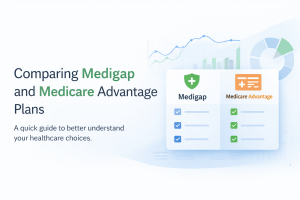
Compare Medigap and Medicare Advantage 2027

As you approach Medicare eligibility or review your current health coverage needs, understanding the options between Medigap and Medicare Advantage plans for 2027 is crucial. These plans offer different benefits and features tailored to various health and financial requirements.

Exploring how Medigap, also known as Medicare Supplement insurance, works alongside Original Medicare and comparing it with the all-in-one coverage of Medicare Advantage can help you make informed decisions about your healthcare coverage. Consider the specifics of each option, including premiums, networks, and additional benefits, to determine which aligns best with your lifestyle and healthcare needs.

Key Highlights

  • Medicare Advantage plans offer bundled services, including prescription, dental, and vision coverage, varying by location and insurer.
  • Medigap plans supplement Original Medicare by covering copayments and deductibles, providing flexibility to see any provider that accepts Medicare.
  • Medicare Advantage requires using network providers, potentially lowering costs, whereas Medigap offers broader provider access but at higher premiums.
  • Enrollment periods are critical; missing them can lead to delayed coverage or penalties, impacting benefits directly.
  • Use tools like Medicare’s comparison tool at MedicarePartCPlans.org to assess and align plan options with healthcare needs and financial goals.

Understanding Medicare Coverage Options

Choosing between Medicare Advantage and Medigap plans can be essential for maximizing your healthcare benefits. Each option offers unique advantages tailored to diverse medical and financial needs. Understanding these can provide clarity, help you manage expenses, and enhance your healthcare. In this section, we will delve into what Medicare Advantage is and introduce Medigap plans, providing insights into their benefits and differences. This comparison will empower you to use Medicare’s comparison tool efficiently and explore unlimited choices for a plan that suits your needs.

What is Medicare Advantage?

Medicare Advantage, often referred to as Medicare Part C, is an alternative way to receive your Medicare benefits. It’s offered by private insurance companies approved by Medicare, providing you with all your Part A (hospital insurance) and Part B (medical insurance) coverage. Many Advantage plans also offer additional benefits like prescription drug coverage, routine dental care, and vision services, differing significantly from Original Medicare. This means Medicare Advantage is not just a single package but a bundle of services allowing you to tailor the plan to better meet your health needs.

One of the benefits of using Medicare Advantage plans is the integration of various health services into a single plan. This might appeal to individuals looking for simplicity and comprehensive benefits. You can avail yourself of gym memberships, wellness programs, or other services depending on the plan, which aren’t typically covered under Original Medicare. This integration might help streamline healthcare management by reducing the number of separate policies needed, although it’s crucial to compare the plans thoroughly before choosing one.

Medicare Advantage plans also present the opportunity for coordinated care, which can contribute to better health outcomes. This means your healthcare providers work collaboratively under one umbrella network to provide more integrated care. When choosing to go with a Medicare Advantage plan, you’re generally required to use the plans network doctors and hospitals, except in emergencies. This network system often results in lower out-of-pocket costs compared to Original Medicare, but it also requires a more careful look at plan networks and provider availability in your area.

However, while exploring Medicare Advantage options, it’s essential to learn about the limitations as well. Plan availability and costs can vary significantly based on your location, which can affect the convenience and value of the plan. Additionally, while some plans offer minimal monthly premiums, there could be higher co-payments for certain services. Hence, using Medicare’s comparison tool is beneficial to weigh the benefits against potential costs effectively. The tool assists you in identifying local plans and comparing Medigap plan benefits to ensure you explore comprehensive coverage options tailored to your needs and preferences.

compare medigap medicare

Introduction to Medigap Plans

Medigap plans, also known as Medicare Supplement plans, are policies offered by private insurance companies designed to cover some of the costs not covered by Original Medicare, such as copayments, coinsurance, and deductibles. Unlike Medicare Advantage, Medigap does not offer comprehensive plan services like Part D or extra services but rather supplements the original Medicare benefits thereby helping manage out-of-pocket expenses effectively.

These supplement plans are standardized, meaning a Plan G in one state offers the same basic benefits as a Plan G elsewhere, simplifying the comparison process among Medigap plans. However, premiums can vary by insurance companies, location, and personal health factors like age and smoking status. Unlike Medicare Advantage, Medigap plans allow you to see any doctor that accepts Medicare, offering broader flexibility and freedom in choosing providers, which could be vital for those who travel or require care from a wide range of specialists.

The suitability of Medigap comes with considering your specific healthcare needs and financial situation. For instance, if you anticipate needing frequent medical services, a Medigap plan can cover significant costs that accrue from repeated visits, hospital stays, or specialist consultations. Consider the additional costs of prescription drug plans since Medigap and drug coverage are not bundled, unlike Medicare Advantage. The diversity in the number of plans means Medigap offers different coverage levels to suit various risk tolerances and budget preferences, providing tailored options for those who sometimes bear a higher degree of healthcare costs.

Exploring Medigap insurance options ensures learning all about how these plans might best meet your healthcare needs. This understanding can be expanded by examining how Medicare Advantage allows for integrated care coordination under specific plan networks. Medigap plans, on the other hand, excel when flexibility and mitigating unpredictable out-of-pocket costs are your priorities. It`s essential to explore these options ahead of time through tools like Medicare’s plan finder to effectively prepare for future medical expenses and maximize your Medicare supplement plan benefits.

Key Differences Between Medicare Advantage and Medigap

Deciding between Medicare Advantage and Medigap can impact your healthcare experience significantly. Each offers distinct features suited to different health needs and financial circumstances. While Medicare Advantage, often called Part C, bundles various services, Medigap supplements the coverage provided by Original Medicare.

Understanding these key differences will help you effectively compare Medigap and Medicare Advantage plans. Diving into how Medicare Advantage integrates care and considering the flexibility offered by Medicare Supplement plans will provide valuable insights into insurance choices tailored to individual preferences.


Plan Type Coverage Features Flexibility and Network Out-of-Pocket Costs Additional Benefits
Medicare Advantage Combines Part A, Part B, usually Part D Limited to network; often requires referrals Caps on out-of-pocket expenses Often includes vision, dental, wellness programs
Medigap Supplements Original Medicare (Parts A & B) More flexibility; any provider accepting Medicare No cap; costs vary by plan and provider Few additional benefits; focus on minimizing out-of-pocket costs

This table underscores the diverse approaches Medicare Advantage and Medigap adopt to address healthcare coverage, illustrating their distinct advantages and constraints.


How Medicare Advantage Plans Work

Medicare Advantage plans, known as Part C, operate under the guidance of private insurance companies approved by Medicare. These plans provide all the services covered under Original Medicare Part A (hospital insurance) and Part B (medical insurance).

A standout feature of these plans is the additional benefits they often include, such as prescription drug coverage, dental care, vision services, and wellness programs, which enhance the overall healthcare experience. This integrated service approach differentiates Medicare Advantage from Medigap plans, as they bundle more services into a single plan.

One defining characteristic of Medicare Advantage is its network-oriented structure. Beneficiaries typically need to utilize the plans network of doctors and hospitals unless an emergency arises. This network can aid in coordinating care, fostering better health outcomes as healthcare providers operate cohesively under one framework.

This aspect encourages beneficiaries to have their care managed efficiently and could lead to cost savings, although careful consideration of local networks is essential to ensure convenience and comprehensive coverage.

Despite some Medicare Advantage plans offering zero or minimal monthly premiums, it’s crucial to keep in mind potential higher out-of-pocket costs associated with certain services. The costing structure can vary significantly based on geographic locations and plan types.

Thus, using tools like Medicare’s comparison tool can aid in thoroughly evaluating plan details, costs, and networks before making a decision. Understanding the nuances of Medicare Advantage plans helps beneficiaries navigate healthcare needs more efficiently, and manage potential service costs

The availability of additional health perks adds a layer of attraction to Medicare Advantage plans. These perks could include gym memberships and routine vision care not available with Original Medicare or Medigap. However, it`s vital to explore plan-specific benefits, costs, and formularies thoroughly, as they can significantly affect out-of-pocket expenses and the overall value perceived. Establishing the right plan depends heavily on comparing advantages like comprehensive service bundles against network limitations and out-of-pocket costs.

Exploring Medicare Supplement Flexibility

Medicare Supplement plans, or Medigap, offer a different approach to managing healthcare costs, supplementing the coverage gaps left by Original Medicare, such as copayments, coinsurance, and deductibles. Unlike Medicare Advantage, Medigap doesn`t typically come with bundled services or its own network of healthcare providers.

Instead, it provides beneficiaries the flexibility to choose any doctor or hospital that accepts Medicare, vastly expanding the range of care options available, which is particularly advantageous for those whose health needs require frequent travel or varied specialist consultations.

Standardization is another hallmark of Medigap plans. A Plan G in California will offer the same basic benefits as Plan G in Texas, which simplifies comparison.

However, premiums vary depending on insurer, location, and personal health status. These standardized benefits, coupled with premium variability, mean beneficiaries must evaluate their health requirements and financial circumstances carefully to determine which Medigap plan offers the best fit. The diverse options ensure Medigap can accommodate different risk tolerances and out-of-pocket cost strategies.

Important to note, Medigap plans do not cover prescription drugs, requiring a separate Part D plan for those services. This necessitates foresight in planning to ensure comprehensive coverage. Meanwhile, Medicare Advantage integrates this into its plans, setting a compelling case for those who prefer bundled services with potentially lower upfront costs.

However, if flexibility and broad provider access are paramount, Medigap can be an attractive alternative. Establishing a balance between coverage needs and financial management is critical in making an informed decision between these two insurance models.

Exploring how these supplemental plans mitigate unpredictable expenses allows beneficiaries to create a robust, sustainable healthcare plan. Effective use of resources like Medicare’s plan finder aids in pinpointing how plan benefits align with personal healthcare needs, ensuring an optimal selection. Lesson in choosing between Medigap and Medicare Advantage lies not only in understanding service and cost differences but also in strategically adopting a plan that aligns with long-term healthcare goals, guaranteeing broader provider access and stable healthcare expenses.

Costs to Consider in 2027

When planning for Medicare costs in 2027, understanding the financial implications of Medicare Advantage and Medigap plans is crucial. Each plan type involves different premiums, deductibles, and out-of-pocket expenses, making it essential to evaluate your healthcare needs and financial goals. This section covers the financial expectations for Advantage plans and cost considerations for Medigap, offering insights into how these Medicare options impact your budget and healthcare access. By comparing these plans, you can better align your insurance choice with your personal circumstances, ensuring comprehensive coverage without unexpected expenses.

Financial Expectations for Advantage Plans

As you consider enrolling in a Medicare Advantage plan in 2027, understanding the financial expectations is key to making an informed decision. Medicare Advantage, often discussed as an alternative to Original Medicare, covers a range of services under a single plan.

These plans are offered by private insurance companies and must comply with Medicare’s rules, yet they come with unique costs. While it’s true that some Advantage plans feature low premiums, they’re not devoid of other financial commitments. Beneficiaries often face copayments, coinsurance, and uncovered services which could increase overall spending.

One financial aspect to consider is the plan’s premium. Though certain Medicare Advantage plans boast zero or minimal monthly premiums, other costs still contribute to your healthcare budget.

Unlike Original Medicare, where premiums are fixed, Advantage plans may charge varied amounts based on your location, the services covered, and the insurance company’s pricing strategy. It’s critical to use our comparison tool to evaluate these premium differences and understand what you might expect financially in 2027.

Moreover, consider the annual out-of-pocket maximums associated with Medicare Advantage plans. This cap protects you from excessive healthcare costs, you’re not required to pay more than this set amount each year. Once met, the plan covers 100% of Medicare-covered services for the remainder of the year.

Keep an eye on this consistently, as differences in networks and additional benefits may influence whether advantages outweigh the costs. These caps vary across Advantage plans, demanding careful review to ensure it aligns with both your healthcare and financial needs.

The integration of additional benefits in Advantage plans is another factor influencing costs. While services like dental, vision, and even gym memberships can be enticing, they may incur higher premiums or additional package costs.

Examine if these added perks truly meet your healthcare needs or if opting for a simpler package might be more financially viable. Evaluating these options can lead to substantial savings, highlighting the importance of utilizing tools available at MedicarePartCPlans.org to assess cost and coverage comprehensively.

Before selecting a plan, reflect on whether a local network of doctors fits your lifestyle. The localized network access usually associated with Advantage plans could mean lower costs if your preferred medical providers are in-network.

However, health services outside your network might result in significant expenses, emphasizing the need to investigate provider access closely. Using Medicare comparison tool to explore these aspects ensures you effectively balance premium costs against coverage and healthcare benefits, ultimately allowing you to maintain control over your financial healthcare expectations.

Cost Considerations for a Medigap Plan

Medigap plans, known for supplementing Original Medicare by filling gaps like copayments and deductibles, present distinct cost considerations for 2027. Unlike Medicare Advantage plans that might offer lower premiums with coordinated care, Medigap provides flexibility at a cost. Understanding the premium structures and additional expenses associated with these plans will help beneficiaries make a wise financial choice.

The premium for a Medigap plan, unlike Medicare Advantage, often represents a more predictable expense. These plans are offered through private companies and, though standardized in benefits, premiums vary based on your geographic location, age, and health factors.

It’s not uncommon for Medigap premiums to be higher compared to Advantage plans, yet they correspond with decreased unpredictable costs at point-of-service. This means greater peace of mind knowing that once you’ve paid your premium, most of your healthcare costs are covered, except for your deductible and any non-covered services.

Another cost element to consider is the exclusion of Part D drug coverage in Medigap plans. Beneficiaries must purchase a separate prescription drug plan, adding to the overall healthcare expenses. While this may initially appear burdensome, the ability to select an independent drug plan allows customization, appealing to those with specific medication needs. Be sure to research these interactions; factoring them into your cost analysis ensures you create a well-rounded healthcare financial plan.

On the topic of deductibles, understanding how they factor into Medigap policy choices is crucial. While some plans might cover the Medicare Part B deductible, others do not, which could affect your annual costs significantly. Consider your current health status and future expectations when opting for plans that could potentially trade higher premiums for fewer out-of-pocket deductible expenses.

Medigap plans also provide an edge by allowing you to visit any doctor or hospital that accepts Medicare, regardless of location. This expansive access can reduce additional expenses, especially for beneficiaries who travel or require specialized care. Ensuring you’re using tools like MedicarePartCPlans.org will offer clarity in understanding how Medigap’s wide provider network can help manage costs effectively.

Despite seemingly higher upfront costs, Medigap can lead to long-term savings by consistently covering costs Original Medicare doesn`t, pushing the need for precise evaluation of your healthcare needs against financial considerations. While comparing options, prioritize those aspects that meet both your immediate and long-term requirements, enabling a sustainable approach to healthcare expenditure.

Enrollment Insights for New Beneficiaries

As you begin your journey into Medicare, learning the nuances of enrollment is crucial for new beneficiaries. Understanding the specific enrollment periods and how coverage varies by location can make a significant difference in selecting the right plan. From discovering the exact times you’re eligible to enroll to comprehending how locations influence available plans, these insights can streamline your entry into Medicare. By diving into these enrollment nuances, you’ll be better equipped to navigate and choose plans that align with your healthcare needs and preferences.

Comparing Medigap and Medicare Advantage Plans

Learning About Enrollment Periods for Medicare

For new beneficiaries, comprehending Medicare enrollment periods is vital to ensure you don’t miss critical timelines. Enrollment periods are specific windows when you can sign up for or make changes to your Medicare Advantage and Medigap plans. The Initial Enrollment Period (IEP) is pivotal, starting three months before you turn 65 and lasting until three months after.

New beneficiaries can learn a lot by using available resources to make the most of their options during this time. Missing this window or not aligning your choices with your healthcare needs could lead to delayed coverage or penalties, affecting your plan benefits directly.

The Annual Enrollment Period (AEP), from October 15 to December 7, is another crucial timeframe. During this period, you can switch between Medicare Advantage plans, revert to Original Medicare, or change your Part D plan if your current setup doesn’t meet your requirements anymore. It’s a time to evaluate your insurance options, compare plan benefits, and decide if your current plan aligns with your health changes or if a Medigap plan might be more beneficial.

If you find your circumstances changing outside the usual enrollment periods, the Special Enrollment Period (SEP) may be your next step. This enrollment possibility is triggered by specific life events such as moving to a new location or losing your current health insurance. Having the right insights can guide you in learning how these special opportunities may grant you more freedom to adjust your coverage needs as life occurs. Knowing when and how to act on these periods harnesses the full potential of the Medicare system, ensuring you are well-covered throughout life’s stages.

A Medicare insurance educator can be an invaluable resource during these periods, offering unbiased guidance and clarifying many of the often confusing enrollment stipulations. By utilizing tools like the MedicarePartCPlans.org’s plan finder, you streamline the process to learn about the plans that address your specific requirements, saving both time and money. Ultimately, understanding the various enrollment periods arms you with the knowledge needed to secure proper coverage without unnecessary financial burden or gaps in insurance.

Navigating Coverage by Location

Navigating your Medicare coverage options can greatly depend on your geographical location. Various locations have their own specific Medicare offerings, which means whats available in one area might not be in another.

Learning about these location-based differences not only enhances your understanding but also ensures you’re optimizing your selection of benefits and minimizing costs. It’s imperative for new beneficiaries to leverage resources that assist in finding local coverage options suitable for their healthcare needs.

Medicare Advantage plans, in particular, are heavily influenced by where you live. Plan benefits and insurance premiums can vary depending on zip codes and counties in which you reside. Some areas may offer a wide array of Advantage plans with comprehensive benefits, while others may have limited options.

Understanding these geographic limitations and opportunities can impact your decision on whether to choose Medicare Advantage over Original Medicare or Medigap. Using Medicare’s comparison tools available at MedicarePartCPlans.org allows you to decipher how location specifics affect plan choices and premiums.

Equally important is comprehending how these location-based variations affect Medigap supplements. While Medigap plans are standardized across states, pricing can vary substantially by location.

Insurers may apply different costing methodologies such as attained-age, issue-age, or community rating, affecting premiums you encounter. Understanding these pricing structures in your locale can prevent unwelcome surprises and aid in discovering if a particular Medigap plan, with its consistent national coverage, is more suitable than a location-constricted Advantage plan.

Consider also the implications of network restrictions in Advantage plans and how local health care provider availability might affect your choices. Areas with a robust network of preferred providers can offer more continuity in care, potentially reducing costs, while regions with fewer options may drive up out-of-pocket expenses due to out-of-network needs. Balancing these factors can enhance the value of your chosen plan and reduce the financial unpredictability associated with healthcare.

New beneficiaries should utilize every available tool and resource to acquire comprehensive knowledge of their local coverage options. The insights offered by MedicarePartCPlans.org can directly reflect in your healthcare experience, guiding you through the complexity of choosing a strategy that offers both value and peace of mind. By strategically comparing options based on geographical data and utilizing expert guidance, you ensure that your selected plan aligns perfectly with your personal healthcare requirements and financial expectations.

Based on your geographical location’s impact on Medicare coverage, here are some crucial considerations to refine your selection:

  • Examine the breadth of Medicare Advantage plans offered in your area and their respective benefits.
  • Understand how zip code and county differences influence insurance premiums and plan availability.
  • Compare geographic restrictions between Medicare Advantage and Medigap plans to determine optimal suitability.
  • Assess how local provider networks affect potential continuity of care and associated costs.
  • Investigate Medigap pricing methods like attained-age, issue-age, and community rating in your area.
  • Use MedicarePartCPlans.org tools to analyze how local conditions alter plan choice and premiums.
  • Explore potential out-of-network costs and their impact on overall expenses in areas with limited providers.

These guidelines will aid in crafting a tailored Medicare strategy that aligns with your locale and personal needs.

When evaluating options for supplemental coverage in 2027, beneficiaries have the flexibility to choose between Medigap and Medicare Advantage based on their unique needs and preferences. Medigap offers predictable costs and broad provider access, ideal for those prioritizing freedom in healthcare choices.

Alternatively, Medicare Advantage plans provide an all-in-one package with additional benefits like vision and dental, often with lower upfront costs. Understanding the differences in network restrictions, coverage benefits, and out-of-pocket costs can guide informed decisions. Use our Medicare plans finder tool to explore plans available in your area, tailored to your healthcare requirements.


Frequently Asked Questions

What is the main difference between Medicare Advantage and Medigap plans?

Medicare Advantage plans, also known as Medicare Part C, provide all-in-one coverage that bundles services like prescription drug, dental, and vision coverage, typically requiring the use of network providers. Medigap plans, on the other hand, supplement Original Medicare by covering costs such as copayments and deductibles, offering more flexibility to see any provider that accepts Medicare.

How do enrollment periods affect my choice of plan?

Enrollment periods are critical for securing your Medicare coverage. The Initial Enrollment Period (IEP) starts three months before you turn 65 and lasts until three months after. Missing this can lead to delayed coverage or penalties. During the Annual Enrollment Period (AEP) from October 15 to December 7, you can switch plans as needed. Special Enrollment Periods (SEP) allow changes due to life events like moving.

Do costs vary between Medicare Advantage and Medigap plans?

Yes, costs can vary significantly. Medicare Advantage plans may feature low premiums but can involve other costs like copayments and network restrictions. Medigap plans often have higher premiums but provide broader provider access and predictable out-of-pocket costs. It`s important to assess your healthcare needs and financial goals when evaluating these plans.

Can plan availability differ based on my location?

Yes, plan availability and benefits can differ significantly depending on where you live. Medicare Advantage plan options can be location-specific, and benefits might differ across counties. Medigap plans offer standardized benefits across states, though their premiums vary by location. Using tools like those on MedicarePartCPlans.org can help you understand local offerings.

How do additional benefits like vision or dental affect my choice?

Additional benefits such as vision, dental, or wellness programs can enhance a Medicare Advantage plans value, offering a more comprehensive package. However, these extras might influence premiums and out-of-pocket costs. Medigap does not include these services, requiring separate plans. Thoroughly examine how these additional benefits match your healthcare needs when choosing a plan.

ZRN Health & Financial Services, LLC, a Texas limited liability company