Compare North Carolina Medicare Advantage Plans 2027

Exploring the diverse range of Medicare Advantage Plans in North Carolina can help Medicare beneficiaries make informed decisions regarding their healthcare coverage. Understanding the types, benefits, and differences of plans is crucial for selecting a plan that aligns with individual health needs and budget requirements.

This guide provides clear, comprehensive information on various Medicare Advantage options available in North Carolina, helping you navigate the complexities of Medicare with confidence. Start comparing plans today to ensure you choose the appropriate coverage to meet your healthcare needs.

Key Highlights

  • Medicare Advantage plans in North Carolina offer bundled benefits including vision, dental, and prescription drug coverage.
  • Key plan types include HMOs and PPOs, each with unique network requirements and cost structures.
  • Special Needs Plans provide tailored benefits for beneficiaries with specific health conditions or dual eligibility.
  • Enrollment periods, including Initial and Open Enrollment, offer critical opportunities for plan selection and changes.
  • Tools like MedicarePartCPlans.org allow beneficiaries to compare plans based on costs, networks, and available benefits.

Compare plans and enroll online

Understanding Medicare Advantage in North Carolina

Medicare Advantage plans offer North Carolina residents a way to receive their Medicare benefits through private health plans. These plans, known officially as Medicare Part C, provide an alternative to Original Medicare, bundling services with additional coverage options. In this overview, we’ll explore the details of Medicare Advantage plans, explaining what they entail and the key benefits they offer.

These insights will help you make informed decisions about your healthcare coverage, considering factors like North Carolina Medicare Advantage plan costs, networks, and specific plan types available in your county. Understanding these options is an essential step in choosing suitable health plans for your needs.

Understanding Medicare Advantage in North Carolina

What Are Medicare Advantage Plans?

Medicare Advantage plans, or Medicare Part C, are a type of Medicare health plan offered by private insurance companies like Blue Cross and Blue Shield. These plans are designed to provide all the benefits of Original Medicare, covering both Part A and Part B services. However, they often include additional benefits, such as vision, hearing, and dental coverage.

In North Carolina, these health plans present a valuable option for beneficiaries seeking comprehensive care in a single plan. An essential aspect of these plans is their structure under managed care models, often as Health Maintenance Organizations (HMOs), Preferred Provider Organizations (PPOs), or Special Needs Plans (SNPs).

These managed care models have specific network rules that must be followed. For instance, HMO plans typically require members to choose a primary care physician and get referrals for specialist services, while PPO plans offer more flexibility with network use but may involve higher out-of-pocket costs. The advantage of these structured networks is the coordination of care, potentially leading to better health outcomes and efficient service delivery.

Moreover, Medicare Advantage plans in North Carolina come with predictable annual costs, including a fixed premium aside from the Part B premium, and defined copayments or coinsurance.

A significant feature of Medicare Advantage plans is the inclusion of Part D prescription drug coverage. This incorporation allows beneficiaries to manage all their Medicare-related expenses under one comprehensive plan. However, it’s crucial to compare available options carefully, as coverage can vary by county or insurance provider, affecting costs and available services.

When considering enrollment, factors such as network quality, specific coverage needs, and potential extra benefits like wellness programs should be evaluated. Using resources like Medicare.gov or our plan comparison tool can play a vital role in understanding these variables and finding a plan that best aligns with your healthcare requirements.

Key Benefits of Medicare Advantage

The move to a Medicare Advantage plan in North Carolina brings several key benefits that appeal to many beneficiaries. One of the primary advantages is the potential for more holistic health coverage.

Beyond just covering hospital and medical expenses offered by Original Medicare, Advantage plans often bundle additional benefits like routine vision, dental, and hearing services, all under one umbrella. This can be particularly advantageous for individuals who require these additional services and prefer managing them with a single provider.

Another significant benefit of choosing Medicare Advantage is the potential for lower out-of-pocket costs. Many of these plans have a defined maximum out-of-pocket limit, which Original Medicare does not offer, providing financial security in the event of significant health issues. This annual limit is pivotal in helping beneficiaries manage their healthcare expenses more predictably and affordably.

Additionally, certain plans may have lower premiums than typical Medicare Part B and supplement costs, though premiums can vary and need careful comparison based on individual needs and circumstances.

Enhanced care coordination is another plus, particularly evident in the network-based structure of these plans. Insurance companies that provide these plans, such as Blue Cross Blue Shield, often have established networks of preferred providers, which can facilitate better coordinated care. This organization can result in higher quality care and more health programs aimed at preventive care, ultimately keeping beneficiaries healthier longer.

However, while considering these plans, it is essential to weigh the density of the network and its service availability in your North Carolina county. This factor ensures that the plan you choose will meet your healthcare requirements without unnecessary limitations.

Moreover, Medicare Advantage plans can offer extra benefits and services tailored to individual needs, often including wellness programs, fitness memberships, or even travel coverage for healthcare services outside usual service areas. These additional benefits provide a compelling reason to explore these plans, particularly through reliable comparison tools that can streamline the decision process.

As each beneficiary’s needs are unique, comparing available plans using tools like MedicarePartCPlans.org can ensure that you select a plan that aligns perfectly with your health and financial requirements, ensuring comprehensive and suitable coverage.

Types of Medicare Advantage Plans Available

North Carolina residents exploring Medicare Advantage options will find several plan types, each with unique benefits and structures. Understanding these types is crucial for making informed decisions about healthcare coverage. The most common options include Health Maintenance Organizations (HMOs) and Preferred Provider Organizations (PPOs), providing differing network rules and cost structures.

Special Needs Plans (SNPs) cater to individuals with specific healthcare requirements, offering tailored coverage and additional services. When comparing these types, considering factors such as costs, network restrictions, and additional benefits is essential for selecting a plan that suits your specific needs.

Overview of HMO and PPO Plans

Health Maintenance Organizations (HMOs) and Preferred Provider Organizations (PPOs) are among the most popular types of Medicare Advantage plans available to residents in North Carolina. HMOs are structured to provide a focused network of doctors, hospitals, and other healthcare services. With an HMO, beneficiaries typically need to choose a primary care physician who becomes central to managing their healthcare needs.

This setup often requires getting referrals to see specialists, enhancing care coordination, and potentially improving health outcomes. For those looking for predictable healthcare interactions and less ambiguity in their care pathway, HMOs can be an appealing choice. One of the key benefits of Medicare Advantage plans in the form of HMOs is the ability to manage healthcare costs more efficiently, thanks to their network agreements that can lower service costs.

On the other hand, PPOs offer more flexibility in choosing healthcare providers. They allow beneficiaries to see providers both within and outside the plan’s network, though out-of-network services usually come with higher out-of-pocket costs. This extra flexibility can be particularly advantageous for beneficiaries who travel frequently or prefer using specific healthcare providers not included in the network.

However, this convenience often comes with a trade-off in the form of higher premiums or costs. In choosing between HMO and PPO plans, North Carolina residents must weigh the advantages and drawbacks against their personal healthcare needs and financial situation. Comparing costs, coverage levels, and benefits is crucial, which can be efficiently done using resources like MedicarePartCPlans.org’s plan comparison tool.

Choosing between these types of plans often boils down to how one values network size versus care coordination. While HMOs might limit your choice of doctors to those within the network, they often come with lower premiums and reduced out-of-pocket costs, making them a wise choice for cost-conscious individuals. In contrast, the freedom offered by PPOs can suit someone who prioritizes flexibility over cost.

As you consider your options, taking advantage of North Carolina’s SHIIP (Seniors’ Health Insurance Information Program) can provide further clarity, offering personalized assistance on the Medicare decision-making process and aiding beneficiaries in navigating these complex landscapes.

Special Needs Plans and Their Benefits

Special Needs Plans (SNPs) represent a crucial option within Medicare Advantage for individuals with specific health requirements. Designed to provide targeted healthcare services, SNPs ensure tailored coverage for those with particular chronic conditions, dual eligibility for Medicare and Medicaid, or institutional-level care needs.

These plans are essential because they focus on coordination and alignment of services around the specific needs of their members, offering a more personalized approach to healthcare. This customization results in significant advantages for beneficiaries who require special considerations that typical Medicare Advantage plans may not offer.

There are several types of SNPs, including Chronic Condition SNPs (C-SNPs) for those with diseases such as diabetes or heart conditions, Dual-Eligible SNPs (D-SNPs) for individuals eligible for both Medicare and Medicaid, and Institutional SNPs (I-SNPs) designed for those requiring continuous skilled nursing care.

Each type of SNP is specially crafted to meet its members’ needs, often providing comprehensive benefits that integrate healthcare services, ensuring improved health outcomes and better quality of life. By concentrating on the unique needs of these beneficiaries, SNPs contribute to more effective healthcare management, reducing unnecessary hospitalizations through effective care coordination.

For residents of North Carolina considering SNPs, it’s vital to assess the specific benefits and services these plans provide. These can include specialized drug coverage, access to a more focused network of specialists familiar with the specific health challenges inherent to these plans, and additional benefits tailored to the unique needs of SNP members. Understanding the costs, coverage, and network limitations associated with SNPs is crucial.

Beneficiaries can leverage resources like MedicarePartCPlans.org to compare these specific plans effectively, ensuring that the choice aligns with their healthcare needs and financial constraints. Additionally, engaging with local support resources such as the SHIIP can provide further expertise and guidance, especially when navigating the complexities of healthcare options available in different North Carolina counties.

Comparing North Carolina Medicare Advantage Plans

For those looking to navigate the complex world of Medicare Advantage in North Carolina, understanding how to compare plans is crucial. Many options exist, each offering different benefits, costs, and coverage levels. Whether you’re transitioning from Original Medicare or evaluating your current plan, staying informed about your choices is essential.

Utilizing resources like MedicarePartCPlans.org can simplify this process, offering a comprehensive plan comparison tool to evaluate various criteria. From examining costs and coverage differences to considering special extra services, this guidance will assist you in making an educated decision about your healthcare needs.

Find & Compare Plans Online

Speak with a licensed insurance agent

1-877-436-2343TTY 711

Mon-Fri: 8am-9pm ET

How to Compare Costs and Coverage

When comparing Medicare Advantage plans, focusing on costs and coverage is vital. Medicare Advantage plans vary significantly in terms of premiums, copayments, and out-of-pocket maximums. Evaluating these financial aspects helps beneficiaries understand what to expect financially. Monthly premiums can differ based on the plan type, such as HMO or PPO, and even the insurance companies offering these plans.

It’s essential to factor in the Part B premium, which you’re required to pay separately. Out-of-pocket maximums are a key benefit of Medicare Advantage plans, setting a limit on annual spending. This can reduce financial stress in case of unexpected healthcare events.

Coverage is another critical element in your comparison process. While Medicare Advantage plans must cover all services that Original Medicare covers, they often provide additional benefits like vision, hearing, dental, and wellness programs. These extras can significantly enhance healthcare quality and are an attractive feature for North Carolina residents.

However, it’s essential to scrutinize what specific services are included, especially if you have particular needs, like managing a chronic health condition. Network restrictions should also be considered, as they affect which doctors and hospitals you can access without extra costs. Plans like HMOs generally require you to use network providers, while PPOs offer more flexibility.

Understanding the balance between cost and coverage will help you select a plan that not only fits your budget but also meets your healthcare needs. Using tools like those offered by MedicarePartCPlans.org can streamline this analysis, providing a user-friendly interface to filter plans based on cost, coverage, and more. Additionally, consulting resources like Medicare.gov provides authoritative information on plan specifics.

Always remember to check the alignment of each plan with your healthcare requirements, considering the potential need for services that aren’t covered by Original Medicare. This diligent approach ensures comprehensive coverage while keeping costs manageable.


Plan Aspect Details Considerations Benefits
Costs Premiums and deductibles Financial limits and predictability of expenses Potential reduced out-of-pocket costs
Coverage Extra benefits like vision, dental, and hearing Specific health needs and additional services required Enhanced services beyond Original Medicare
Network Provider access and hospital affiliations Flexibility in choosing healthcare providers Broader provider choices and integrated care

This table provides a concise overview of crucial considerations and benefits when comparing different Medicare Advantage plans in North Carolina, aiding in informed decision-making.

Utilizing MedicarePartCPlans.org for Plan Comparison

Leveraging MedicarePartCPlans.org can be incredibly beneficial when comparing Medicare Advantage plans in North Carolina. This platform is designed to simplify the often overwhelming task of evaluating different plans. The plan comparison tool available on the site allows you to view key details at a glance, including premiums, coverage, and network specifics.

This user-centric approach helps in highlighting the major differences between plans, making it easier for you to align your healthcare needs with available options. The site provides educational content crafted to demystify complex terms, ensuring you understand the implications of each choice.

One of the significant advantages of using MedicarePartCPlans.org is its ability to compare costs effectively. By inputting specific criteria such as location, preferred insurance company, and required services, you can filter plans that align closely with your needs. This personalized approach ensures that you’re not only considering the potential extra benefits but also evaluating plans based on network flexibility and costs.

For instance, if you’re keen on plans provided by Blue Cross Blue Shield in North Carolina, the tool can specifically highlight those, allowing a direct comparison with other insurers like Alignment Health Plan.

Additionally, MedicarePartCPlans.org incorporates up-to-date resources and links to official tools like Medicare.gov. This connection ensures that you’re accessing the most current and reliable data when making your decision. The site’s educational resources cover essential topics, such as how to navigate enrollment periods or what to expect from special needs plans, aiding in making informed choices.

This combination of educational content and practical comparison tools supports efficient decision-making, saving you time and providing peace of mind. By using these tools, North Carolina beneficiaries can feel more confident in selecting a Medicare Advantage plan that fits both their medical needs and budget, ensuring they enjoy the most comprehensive coverage possible.

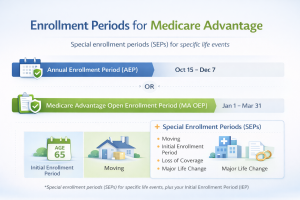
Enrollment Periods for Medicare Advantage

Enrollment Periods for Medicare Advantage

Medicare Advantage enrollment involves navigating various timeframes, critical for beneficiaries in North Carolina to understand. The main enrollment periods include Initial Enrollment, Special Enrollment, and Open Enrollment. Each provides opportunities to either enter or switch plans under specific conditions. Understanding these periods is essential for making informed decisions about your Medicare Advantage coverage.

These timeframes impact your ability to choose and change plans, impacting costs, benefits, and overall insurance coverage. By knowing these enrollment details, you can better align your healthcare needs with the appropriate Medicare Advantage plan available in your area.

Initial Enrollment and Special Enrollment Periods

The Initial Enrollment Period (IEP) is the first opportunity for eligible individuals to register for Medicare Advantage, which typically aligns with turning 65 or qualifying through a disability. This period lasts for seven months, beginning three months before and ending three months after your 65th birthday month. During this time, beneficiaries can enroll in a Medicare Advantage plan, transferring from Original Medicare.

It’s a strategic moment to compare plans, assess coverage needs, and select the plan that best fits individual healthcare and financial requirements. Resources like MedicarePartCPlans.org offer tools to help compare and choose the right plan during this pivotal time.

Special Enrollment Periods (SEPs) offer flexibility, allowing individuals to make changes outside the regular enrollment periods due to specific life events. These events can include moving out of a plan’s service area, changes in marital status, losing other health coverage, or eligibility for Medicaid.

Each of these circumstances can open a window of opportunity to enroll in or switch Medicare Advantage plans, ensuring your health coverage remains aligned with your current situation. Understanding these details is crucial, as missing a SEP could lead to a delay in coverage or financial penalties.

In North Carolina, it’s essential to be aware of the unique offerings from local health plans during these enrollment periods. Plans like those from Alignment Health Plan are available, providing a mix of benefits and coverage options suited to the diverse needs of state residents. Consulting North Carolina’s Seniors’ Health Insurance Information Program (SHIIP) can also provide valuable assistance in navigating these options.

Future beneficiaries should also consider the network restrictions of Medicare Advantage plans, such as HMOs requiring referrals, versus the flexibility of PPOs, when making their selection. Taking advantage of the IEP and SEPs ensures that Medicare beneficiaries can optimally select and adjust their health plans to best fit their evolving needs and circumstances.

Open Enrollment Period: What You Need to Know

The Open Enrollment Period for NC, running annually from January 1 to March 31, provides Medicare beneficiaries with a pivotal timeframe to reevaluate and make adjustments to their Medicare Advantage plans. This period allows those already enrolled in a Medicare Advantage plan to switch plans or return to Original Medicare if their current coverage doesn’t meet their expectations.

It’s a chance to reassess your healthcare needs, costs, and the network of service providers available under your plan. For many, it presents a critical window to enhance their coverage by comparing available Medicare Advantage plans and potentially finding more suitable options.

During this time, MedicarePartCPlans.org’s comprehensive plan comparison tool can be a valuable resource. The platform provides detailed insights into premiums, coverage differences, and network specifics, helping beneficiaries choose a plan that aligns closely with their health priorities and budgets.

It’s an opportunity to explore plans with unique benefits or to address limitations such as services that aren’t covered by your current plan. Adjustments made during this period become effective on the first day of the following month, allowing for timely transitions to new coverage.

Another key consideration during the Open Enrollment Period is how changes in healthcare needs or financial capacity over the past year might affect your choice. Factors such as anticipated medical services, necessary prescription drug coverage, and out-of-pocket cost expectations can guide these decisions. Utilizing resources like SHIIP for personalized advice or consulting with insurance companies directly can provide additional clarity and support.

The role of local providers, such as the Blue Cross Blue Shield or newer entrants like the Alignment Health Plan, becomes crucial as they offer varying levels of service and geographic coverage. Being well-informed during this time can significantly impact your healthcare experience throughout the year, ensuring your Medicare Advantage plan continues to serve your evolving health and coverage needs.

Medicare Advantage Providers in North Carolina

Choosing the right Medicare Advantage plan in North Carolina involves understanding the various providers and what they offer. Several insurance companies provide these plans, contributing to a diverse market that caters to unique health needs and preferences. Among them, notable players like Blue Cross Blue Shield and Alignment Health Plan, along with others, offer plans that span across different counties, highlighting the importance of comparing each provider.

This understanding facilitates informed decisions about network options, benefit varieties, and cost implications while leveraging comparison tools to find the best fit for individual healthcare needs.

Insurance Companies Offering Plans

In North Carolina, a variety of insurance companies offer Medicare Advantage plans, providing beneficiaries with diverse choices tailored to different health and financial needs. Companies such as Blue Cross Blue Shield stand out due to their long-standing reputation and extensive network, offering types of plans like HMOs and PPOs, which cater to different preferences in terms of healthcare access and flexibility.

These plans allow beneficiaries to choose services within specified networks, ensuring coordinated care and potentially better health outcomes. Blue Cross Blue Shield is recognized for its broad coverage options, which often include extra benefits like fitness memberships and wellness programs, thus appealing to a wide audience.

Another significant provider is Aetna, known for comprehensive coverage plans that include prescription drug services and enhanced care coordination. Aetna’s approach is tailored towards offering robust health services through a combination of network and out-of-network provider access, as offered in their PPO options, providing additional flexibility for North Carolina residents who may have specific provider preferences.

Similarly, UnitedHealthcare offers a competitive range of advantage plans, often coupled with additional vision and dental coverage, which Original Medicare does not usually include. These extra services make them attractive to beneficiaries seeking more comprehensive healthcare solutions. Moreover, some plans are specifically designed for low-income beneficiaries, providing valuable support for economically vulnerable populations.

Besides well-known national companies, local firms also contribute significantly to the Medicare Advantage landscape. For example, WellCare offers specialized plans focusing on affordability and basic comprehensive care, presenting options that may include rewards programs for healthy lifestyle choices. Such initiatives aim to foster wellness and proactive health management among beneficiaries, aiding in controlling healthcare costs over time.

Residents must weigh the advantages of these varied offerings by comparing cost structures, including premiums, copayments, and annual out-of-pocket maximums, as these vary widely among providers. Utilizing tools like the comparison features on MedicarePartCPlans.org can help potential enrollees navigate these choices effectively, ensuring they select a plan that meets their specific health, network, and financial needs.

The Role of the Alignment Health Plan

Alignment Health Plan plays an essential role in North Carolina’s Medicare Advantage market, offering unique health plans that focus on personalized care experiences and innovative technology use. This provider’s emergence highlights a shift towards more integrated care models, emphasizing tech-enabled solutions for better health management.

Alignment Health Plan particularly stands out with its dedication to improving patient engagement and focusing on preventative care through its innovative health programs. Such initiatives aim to keep beneficiaries healthier and reduce the need for reactive medical interventions, aligning with broader healthcare efficiency trends.

One of the defining features of Alignment Health’s offering is its “Alignment Health AVA,” a technology platform that provides personalized health data accessible to both patients and providers. This system ensures real-time health management by integrating various health services into a comprehensive care management framework.

For North Carolina residents, this means better disease management and enhanced provider-patient interactions, contributing to improved health outcomes and higher satisfaction levels among plan enrollees. This focus on digital tools and real-time data is particularly beneficial for seniors who might have complex health situations requiring meticulous monitoring and proactive care strategies.

The Alignment Health Plan also excels in offering plans with rich benefit structures, often bundling additional services like dental, vision, and fitness benefits into its Medicare Advantage plans. Their focus extends to servicing individuals with chronic conditions and multiple health challenges, a sector often underserved in traditional plan structures.

By concentrating on comprehensive care pathways, Alignment Health Plan ensures its members receive coordinated, efficient care, significantly impacting their overall quality of life and healthcare satisfaction. The North Carolina market, therefore, benefits from this increased competition, encouraging all Medicare Advantage providers to elevate their offerings in response.

Evaluating Alignment Health Plan’s role is crucial for potential enrollees during enrollment periods. Beneficiaries should consider how these plans can align with individual health needs, financial constraints, and lifestyle preferences. Engaging tools such as the plan comparison feature on MedicarePartCPlans.org allow a deeper insight into how Alignment Health Plan measures up against other providers, thorough evaluations of cost implications, network flexibility, and the additional services characteristic of Alignment offerings.

This comparison becomes an invaluable step in ensuring North Carolina seniors select the best healthcare coverage tailored to their specific needs, maximizing the benefits caregiving programs can offer.

Here are some steps to help North Carolina residents make informed decisions about Alignment Health Plan’s options:

  • Examine personalized care initiatives that focus on individual health needs.
  • Consider the technology platform benefits Alignment Health AVA offers for real-time health data access.
  • Look into additional services bundled in the plans, such as dental and vision.
  • Assess the plan’s suitability for managing chronic conditions.
  • Compare the cost implications with other Medicare Advantage providers.
  • Evaluate the network flexibility associated with these plans.
  • Determine how the care pathways align with your healthcare goals.
  • Explore the impact of integrated care models on your overall well-being.

These points can guide you in making informed choices during the enrollment period.

Exploring Medicare Advantage plans in North Carolina can be instrumental in aligning your healthcare coverage with your personal needs. With a variety of plan types available, each offering different benefits and networks, a thorough comparison is key.

Utilize our understanding of plan types, benefits, network considerations, and costs to make informed decisions. For tailored support, try our free Medicare plans finder tool to see options specific to your location and preferences. Whatever your coverage needs, prioritize understanding each plan’s nuances to enhance your Medicare experience and ensure it aligns with your healthcare priorities.


Compare plans and enroll online

Frequently Asked Questions

What are Medicare Advantage plans and how do they differ from Original Medicare?

Medicare Advantage plans, also known as Medicare Part C, are offered by private insurance companies and provide an alternative way to receive Medicare benefits. These plans cover all services included in Original Medicare Part A and Part B, but often include additional benefits such as vision, dental, and prescription drug coverage.

What types of Medicare Advantage plans are available in North Carolina?

In North Carolina, common types of Medicare Advantage plans include Health Maintenance Organizations (HMOs), Preferred Provider Organizations (PPOs), and Special Needs Plans (SNPs). Each type has unique network and cost structures designed to cater to varying beneficiary needs.

What are Special Needs Plans and who are they for?

Special Needs Plans (SNPs) are tailored for individuals with particular health conditions, dual eligibility for Medicare and Medicaid, or institutional care needs. These plans offer specialized services and coverage adapted to the specific health requirements of the beneficiaries.

How does the enrollment process for Medicare Advantage plans work?

Enrollment in Medicare Advantage plans occurs during specific periods, such as the Initial Enrollment Period, Special Enrollment Periods, and the Open Enrollment Period. Each period provides opportunities for new enrollments or changes to existing plans based on eligibility and personal circumstances.

What resources are available to compare Medicare Advantage plans in North Carolina?

Tools like MedicarePartCPlans.org offer comprehensive plan comparison features to evaluate costs, coverage, networks, and benefits. Additionally, the North Carolina Seniors’ Health Insurance Information Program (SHIIP) provides local guidance to assist beneficiaries in making informed choices.

Have Questions?

Speak with a licensed insurance agent

1-877-436-2343

TTY users 711

Mon-Fri: 8am-9pm ET

Find & Compare Plans Online

Speak with a licensed insurance agent

1-877-436-2343TTY 711

Mon-Fri: 8am-9pm ET

ZRN Health & Financial Services, LLC, a Texas limited liability company