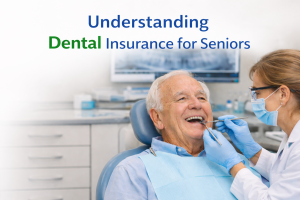
Dental Insurance for Seniors Maryland 2027

Dental insurance for seniors in Maryland can help make routine cleanings, fillings, crowns and dentures more predictable after retirement, but plans vary widely in what they pay and when coverage begins. The best fit depends on your preferred dentists, expected care and monthly budget.

Compare Maryland dental plans by annual maximums, waiting periods, deductibles and network rules, not premium alone. A little upfront review can help you avoid surprises when it is time to schedule care.

Key takeaways

  • Original Medicare generally excludes routine dental care; Medigap typically does not add dental benefits.
  • Compare Medicare Advantage, standalone dental plans, and self-pay based on expected care and budget.
  • Look beyond premiums: review deductibles, coinsurance, waiting periods, frequency limits, and annual maximums.
  • Verify your dentist participates in the exact plan network and is accepting new patients.
  • Request treatment estimates and pre-treatment reviews before crowns, dentures, implants, or other major procedures.
  • Confirm enrollment dates, active coverage, and out-of-pocket estimates before scheduling dental care.

Compare plans and enroll online

Dental Insurance for Seniors Maryland: Coverage Options After Retirement

Retirement changes how many Maryland residents pay for routine oral care. Comparing dental insurance options early can help protect a predictable budget for exams, cleanings, fillings, crowns, and dentures. The right dental coverage depends on your Medicare arrangement, preferred dentist, expected treatment, and comfort with annual benefit limits. For more information, read our other articles on the topic, such as Dental Insurance For Seniors Michigan.

How Medicare dental benefits and individual dental coverage differ

Traditional Medicare is not designed as routine dental insurance. Original Medicare (Parts A and B) generally does not pay for regular exams, cleanings, X-rays, fillings, extractions, dentures, or most crowns.

It may cover certain dental services only when they are integral to a covered medical procedure or treatment, for example, dental care received during a covered hospital stay, or an oral examination needed before a qualifying transplant or heart procedure. That is very different from coverage for ongoing preventive care at a neighborhood dental office.

Medicare Advantage plans can include dental benefits, but the details vary substantially by plan and Maryland county. A plan may cover preventive visits at little or no cost while placing an annual dollar maximum, coinsurance, waiting period, or frequency limit on restorative work.

Some plans use a participating-provider network; others offer a set allowance or reimbursement model. Before enrolling, review the evidence of coverage for the dentists available near you, the plan’s calendar-year maximum, and how it handles services such as periodontal treatment, root canals, implants, and dentures.

Medigap policies help with certain out-of-pocket costs under Original Medicare, but they typically do not add routine dental benefits. That leaves many retirees with either a Medicare Advantage dental feature, a standalone individual dental plan, or a self-funded approach to care.

Individual dental coverage is purchased separately from Medicare and is built specifically around oral-health services. Depending on the policy, it may offer a PPO network with some out-of-network reimbursement, or a more limited network plan with lower premiums.

Preventive services are often covered most generously, while basic and major dental work may be paid at graduated percentages and subject to waiting periods or annual caps. A plan with a low monthly premium is not automatically the stronger value if a crown, bridge, or denture is likely soon after enrollment.

For Maryland seniors, the practical comparison starts with your dentist and anticipated needs. Ask the office which plans it accepts, request a treatment estimate when major work is expected, and compare the premium plus likely copays against paying directly. Dental benefits can make routine care easier to budget for, but understanding limits before treatment is the best way to avoid unwelcome surprises. For more information, read our other articles on the topic, such as Dental Insurance For Seniors Colorado.


Dental Insurance for Seniors Maryland

Dental Coverage Comparison Checklist

  • Original Medicare generally excludes routine exams, cleanings, fillings, dentures, and crowns.
  • Medicare-covered dental care usually must be connected to a qualifying medical procedure or hospital treatment.
  • Compare Medicare Advantage dental benefits by Maryland county, network, annual maximum, and service limits.
  • Confirm whether your current dentist participates before choosing a plan or allowance-based benefit.
  • Review coverage for periodontal care, root canals, implants, bridges, crowns, and dentures.
  • Standalone dental plans may offer broader oral-health coverage but can include waiting periods and annual caps.
  • Compare premiums, expected copays, treatment estimates, and direct-pay costs before enrolling.

Medicare Dental Benefits vs. Individual Dental Coverage: What to Compare

Feature to compare Original Medicare / Medigap Medicare Advantage dental benefit Standalone individual dental plan
Routine preventive care Original Medicare generally does not cover regular exams, cleanings, or X-rays. Medigap typically does not add routine dental benefits. May include preventive visits at little or no cost, depending on the plan. Built around oral-health services; preventive care is often covered most generously.
Dental services covered May cover dental care only when integral to a covered medical procedure or treatment, such as during a covered hospital stay or before a qualifying transplant or heart procedure. Benefits for restorative work and services such as periodontal treatment, root canals, implants, and dentures vary by plan. Basic and major work may be covered at graduated percentages, subject to policy terms.
Provider access Routine dental coverage is generally not available through Original Medicare or Medigap. May use a participating-provider network, or provide a set allowance or reimbursement model. May offer a PPO network with some out-of-network reimbursement or a more limited network plan.
Annual limits and cost sharing No routine dental benefit for regular dental expenses. May have an annual dollar maximum and coinsurance for certain services. May have annual caps; compare the premium and likely copays with paying directly.
Waiting periods and frequency limits Not applicable to routine dental benefits, which are generally not covered. May include a waiting period or frequency limit for restorative work. Basic and major services may be subject to waiting periods.
Availability and plan details Original Medicare and Medigap do not typically provide routine dental coverage. Dental details vary substantially by plan and Maryland county. Purchased separately from Medicare; coverage and network options depend on the policy.

Compare dental services, costs and network rules

Choosing among dental plans is less about finding the lowest monthly premium than matching the benefit plan to the care you expect to use. Start with the dental services that matter most to your household: routine exams and cleanings, X-rays, fillings, crowns, root canals, periodontal treatment, orthodontics or implants.

Plans often cover preventive care most generously, while more involved treatment may involve a deductible, coinsurance, waiting period, annual maximum or a separate benefit limit. A plan that looks inexpensive at enrollment can be less attractive if it offers modest help with the covered services you are likely to need.

Cost comparisons should include more than the premium. Review the deductible, the plan’s annual benefit maximum and the member share for common procedures. Ask whether preventive visits are covered before the deductible and whether frequencies apply, for example, limits on cleanings, bitewing X-rays or replacement crowns.

If you already have a treatment recommendation from a dentist, request a written estimate and compare how each dental service would be priced under the plans you are considering. For major work, a pre-treatment estimate can clarify what the insurance company expects to pay before care begins.

Network rules deserve equal attention. With a PPO-style network, visiting an in-network dentist generally means contracted rates and lower out-of-pocket costs; an out-of-network visit may still receive some coverage, but the provider can charge above the plan’s allowed amount.

HMO or DHMO dental plans may require you to select a participating dentist and use that office for most care, typically with fixed copayments and little or no out-of-network coverage except emergencies. Confirm that your preferred practice is accepting new patients under the specific plan, not simply that it accepts dental insurance. Networks can differ by plan and location.

For shoppers considering Delta Dental or another familiar carrier, compare the exact local network and plan document rather than relying on the company name alone. A dentist may participate in one Delta Dental network but not another, and employer-sponsored options can have different rules from individual policies.

Read the evidence of coverage, verify provider participation directly with the practice, and keep the plan’s member services number handy. The best choice is the one whose network, costs and covered services make sense before an unexpected dental bill forces the comparison.

Dental plan comparison checklist

  • List expected services, from cleanings and fillings to crowns, root canals, orthodontics or implants.
  • Compare premiums alongside deductibles, coinsurance, copayments and each plan’s annual benefit maximum.
  • Check preventive-care coverage, including whether exams and cleanings are covered before the deductible.
  • Review frequency limits for cleanings, X-rays, crowns and other services your household may need.
  • Request treatment estimates for recommended work and ask plans for pre-treatment benefit estimates.
  • Verify your dentist participates in the exact local plan network and accepts new patients.
  • Understand out-of-network charges, especially PPO allowed amounts and HMO restrictions outside emergencies.

Compare dental services, costs and network rules

Choose a Maryland dental plan and verify enrollment details

In Maryland, the right dental coverage depends first on how you receive health insurance. If you shop through Maryland Health Connection, you may be able to select a stand-alone dental plan alongside your medical coverage.

Compare the monthly premium, annual deductible, waiting periods, provider network and the share the plan pays for preventive visits, fillings, crowns and other services. A lower premium can be appealing, but it may offer less help when you need more than routine cleanings.

Confirm that your preferred dentist participates before you enroll; an insurer’s online directory is useful, but a quick call to the dental office can prevent an unwelcome surprise. Open enrollment is the usual window for buying or changing marketplace coverage.

Outside that period, enrollment generally requires a qualifying life event, such as losing other coverage, moving or a change in household status. Maryland Health Connection can explain whether an event makes you eligible and what documentation it needs.

Do not assume a medical health plan automatically includes adult dental benefits: review the plan materials and your selection screen carefully. Children’s dental coverage follows different rules, and families should check each person’s benefits rather than relying on a single summary.

Eligible Medicaid members have a separate path. Maryland Health offers dental benefits through its Medicaid program, and members should review the materials from their managed care organization or contact Maryland Health Connection for current information about covered services, participating providers and any authorization requirements.

Coverage rules can differ for children and adults, and some treatment may need prior approval. Ask the dental office to verify your coverage before an appointment, especially for restorative work, specialty care or dentures.

After you enroll, save the confirmation number, effective date and plan documents. Watch for an ID card, first premium notice if one applies, and instructions for choosing or seeing a dentist. Call the insurer if anything on the enrollment record is wrong, including a name, date of birth, address or dependent.

Before scheduling care, confirm that the plan is active, ask the office to estimate your out-of-pocket cost, and learn how to appeal a denied claim. A few minutes spent verifying these details makes it far easier to use your dental benefits with confidence.

Compare plans and enroll online

Frequently asked questions

Does Original Medicare cover routine dental care in Maryland?

Original Medicare generally does not cover routine dental exams, cleanings, X-rays, fillings, crowns, dentures, or most extractions. It may pay for limited dental services when they are necessary as part of a covered medical procedure or hospital treatment.

Do Medicare Advantage plans include dental coverage for seniors?

Many Medicare Advantage plans offer dental benefits, but coverage differs by plan and Maryland county. Review the provider network, annual maximum, copays or coinsurance, waiting periods, and coverage for crowns, root canals, periodontal care, implants, and dentures before enrolling.

Does Medigap cover dental insurance?

Medigap policies help pay certain out-of-pocket costs under Original Medicare, but they usually do not add routine dental benefits. Seniors who want regular dental coverage may consider a Medicare Advantage plan with dental benefits or a standalone individual dental plan.

How do standalone dental plans work for Maryland seniors?

Standalone dental insurance is purchased separately from Medicare. Plans commonly cover preventive care more generously than fillings, crowns, bridges, dentures, or other major work. Check the deductible, annual benefit maximum, waiting periods, network rules, and the percentage paid for each type of service.

Can I keep my current dentist with a dental insurance plan?

It depends on the plan network. PPO plans may provide some out-of-network benefits, while HMO or DHMO plans usually require participating dentists except in emergencies. Call your dental office to confirm it accepts the specific plan and is taking new patients.

What should I compare before choosing dental insurance after retirement?

Compare the monthly premium with the deductible, copays, coinsurance, annual maximum, covered services, frequency limits, waiting periods, and dentist network. If you expect major treatment, ask your dentist for a written estimate and request a pre-treatment estimate from the insurer.

Can Maryland Medicaid provide dental benefits for adults?

Eligible Maryland Medicaid members may have dental benefits, although covered services, participating providers, and authorization requirements can vary. Review your managed care organization materials or contact Maryland Health Connection, and ask the dental office to verify benefits before treatment.

Have Questions?

Speak with a licensed insurance agent

1-877-436-2343

TTY users 711

Mon-Fri: 8am-9pm ET

Find & Compare Plans Online

Speak with a licensed insurance agent

1-877-436-2343TTY 711

Mon-Fri: 8am-9pm ET

ZRN Health & Financial Services, LLC, a Texas limited liability company