Understanding the differences between Medicare Part A and Part B is crucial for anyone navigating their Medicare options. While Medicare Part A primarily covers inpatient hospital care, skilled nursing facility stays, and some home health care services, Part B focuses on outpatient care, including doctor visits, preventive services, and medical equipment. This foundational knowledge helps in making informed choices related to healthcare coverage. By grasping the distinct roles and responsibilities of each part, Medicare beneficiaries can better navigate the intricacies of their healthcare plan. Let’s explore these two essential components of Original Medicare in detail.







Differences Between Medicare Part A and B
Key Highlights
- Medicare Part A covers inpatient care, skilled nursing facilities, and some home health services, often premium-free, based on work history.
- Medicare Part B focuses on outpatient care, including doctor visits and preventive services, requiring a monthly premium and annual deductible.
- Understanding enrollment periods is crucial to avoiding late penalties and ensuring seamless Medicare Parts A and B coverage.
- Certain Medicare plans in 2027 will most likely offer additional benefits like vision, dental, and drug coverage, complementing Original Medicare Parts A and B.
- Part A’s costs vary by benefit period; Part B’s include an income-based monthly premium and 20% copay after the deductible.
Compare plans and enroll online
Introduction to Medicare Part A and Part B
Medicare Part A and Part B form the foundation of Original Medicare, providing essential hospital and medical care coverage for those eligible. Understanding these two vital parts helps beneficiaries navigate their healthcare options effectively. Medicare Part A, often referred to as hospital insurance, covers inpatient hospital stays while Medicare Part B, known as medical insurance, encompasses outpatient services. Recognizing each part’s coverage, benefits, and costs is crucial for making informed decisions. In the following sections, we’ll delve into the specifics of what these Medicare parts include, how they’re different, and what you need to consider regarding costs and eligibility.
Understanding the Basics of Each Medicare Part
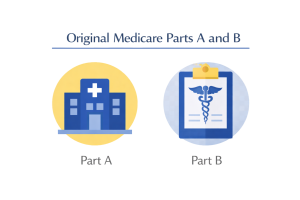
Medicare Part A and Part B are the cornerstones of the federal health insurance program known as Original Medicare. Part A provides coverage for inpatient hospital care, skilled nursing facilities, hospice, and some home health care services. It’s often seen as the traditional component that covers hospital insurance costs. You’ll typically qualify for Part A if you or your spouse have worked and paid Medicare taxes for at least ten years, potentially allowing you to avoid a monthly premium. However, costs like deductibles may still apply for each benefit period you utilize.
On the other hand, Medicare Part B covers medically necessary services and preventive care, including doctor visits, outpatient care, and certain home health services. Unlike Part A, Part B requires a monthly premium that most beneficiaries pay, which can be adjusted based on income. An annual deductible also needs fulfilling before Medicare starts paying its share. This part of Medicare is crucial for routine healthcare and managing ongoing medical conditions, offering peace of mind through expansive services provided under its umbrella. As you prepare to join Medicare, understanding these components’ costs and benefits is fundamental to choosing the right coverage options that best suit your personal health needs.
- Assess the impact of your current health status and existing conditions on Part A and Part B coverage.
- Analyze the coverage for inpatient versus outpatient services, as they differ between the parts.
- Understand the importance of the initial enrollment period to avoid coverage gaps.
- Research how changes in marital status may affect eligibility and benefits under each part.
- Examine the differences in coverage for preventative services and screenings.
- Consider potential impacts of relocation on your coverage choices and options.
- Explore the availability of telemedicine and remote healthcare services.
Key Differences Between Medicare Part A and Part B
Understanding the distinctions between Medicare Part A and B is essential for making informed healthcare decisions. While both are integral to Original Medicare, they serve unique roles. Part A covers hospital care in inpatient settings, while Part B focuses on medical services, including outpatient care. Part A generally has no premium if you’ve paid Medicare taxes long enough, contrasting with Part B, which usually requires a monthly payment. Knowing how each part functions aids in navigating eligibility, services provided, and overall coverage benefits, ultimately helping beneficiaries align with their individual health needs effectively.
Exploring the Distinct Roles of Part A and Part B
Medicare Part A and Part B each have specific roles that cater to different facets of healthcare. Part A, often called hospital insurance, primarily covers services in inpatient hospital settings. This includes stays in a hospital, care in a skilled nursing facility, hospice care, and some home health care. The structure of Part A coverage is based on benefit periods, which start the day you’re admitted as an inpatient and end after you haven’t received inpatient care for 60 days in a row. Understanding these time frames is crucial, as Part A coverage can involve costs such as deductibles per benefit period, which aren’t covered under the broader umbrella of Original Medicare’s free benefits.
Meanwhile, Medicare Part B addresses another side of medical care, specifically focusing on services that range from outpatient care to doctor visits and preventive services. Part B coverage is indispensable for managing ongoing medical conditions and ensuring access to routine healthcare essentials. This portion of Medicare operates under a different financial structure compared to Part A. Beneficiaries typically pay monthly premiums, which may vary according to income levels. Additionally, there is an annual deductible that must be met before Part B begins to cover services, emphasizing the importance of budget planning when considering this part of your Medicare coverage. Collectively, the distinct roles of Part A and Part B provide a comprehensive framework for addressing both short-term and long-term healthcare needs.

Medicare Part A: Hospital Insurance
Medicare Part A, often known as hospital insurance, forms a critical component of Original Medicare, specifically designed to aid in covering inpatient hospital care. It provides coverage for a range of inpatient hospital settings, including skilled nursing facilities, hospice care, and some home healthcare services. Understanding the eligibility requirements, associated costs, and the specific services provided by Part A can significantly influence your healthcare choices. Generally, Medicare Part A could be premium-free if you, or your spouse, have paid Medicare taxes for a substantial period, reducing out-of-pocket expenses.
What Medicare Part A Covers and Its Benefits
Medicare Part A effectively covers hospital care, emphasizing inpatient services that form the foundation of its hospital insurance role. This includes stays in a hospital, which comprehensively covers services provided during your admission. Understanding the scope of services provided is essential to maximizing the benefits offered. Eligibility for Part A typically comes without a premium if you or your spouse paid Medicare taxes while working; otherwise, there could be a monthly charge. The coverage part also extends to skilled nursing facilities and hospice care, ensuring support during critical healthcare moments.
Another major component under Medicare Part A is home health services, providing essential support to manage health conditions without the need to stay in a hospital, thus aligning with your personal care preferences. The inpatient hospital setting under Part A particularly stands out as it caters to beneficiaries with acute medical needs, ensuring comprehensive care. The plan involves an annual deductible, which you must pay before benefits kick in, underlining the importance of understanding these financial aspects. Making sense of these factors ensures you can plan your healthcare effectively without unexpected costs disrupting your budget. Medicare Part A truly embodies a foundational insurance coverage part that optimizes your hospital care experience across various stages of recovery and healthcare needs.
Medicare Part B: Medical Insurance
Medicare Part B serves as the medical insurance component of Original Medicare, distinctively covering essential outpatient services such as doctor visits, preventive care, and medical equipment. While Medicare Part A focuses on inpatient hospital stays, Part B concentrates on the services provided outside of hospital settings. Understanding the eligibility requirements, associated costs, and benefits of Medicare Part B can significantly aid beneficiaries in planning for their regular medical needs. This section explores the intricacies of Medicare Part B, including its coverage, costs, and the role it plays in ensuring comprehensive healthcare access.
Find & Compare Plans Online
Understanding Medicare Part B and Its Coverage
Medicare Part B extends beyond simple outpatient care, encompassing a wide array of healthcare services vital for maintaining your health. This insurance part includes coverage for medically necessary services such as diagnostic tests, vaccinations, and physical therapy as part of its benefits. In addition to preventive services recommended by healthcare professionals, Part B may also cover durable medical equipment like walkers or wheelchairs. Understanding the specifics of what Medicare Part B covers is essential for maximizing your benefits and ensuring access to necessary medical resources.
Eligibility for Medicare Part B typically begins when individuals reach the age of 65 or if they qualify under certain disability conditions. Unlike Part A, which can often be premium-free, Part B involves a monthly premium that beneficiaries must pay. This cost part is vital to consider when planning your healthcare finances since failure to pay could result in interrupted coverage. Additionally, there’s an annual deductible associated with Part B, and once it’s met, beneficiaries generally pay 20% of the Medicare-approved amount for most doctor services, outpatient therapy, and durable medical equipment. Such costs underscore the importance of budgeting accurately when you’re planning your healthcare expenditures each year.
Services provided under Part B are integral to routine health maintenance and managing chronic conditions, offering peace of mind through extensive healthcare access. Understanding these elements aids in effectively navigating your Medicare options and choosing coverage that best fits your needs and budget. It’s recommended to weigh your personal health circumstances and financial situation to determine how Medicare Part B can optimally support your healthcare journey.
| Coverage | Costs | Eligibility | Enrollment |
|---|---|---|---|
| Doctor Services | Monthly Premium | 65+ Years Old | Initial Enrollment Period |
| Outpatient Care | Annual Deductible | Under 65 with Disability | Special Enrollment Period |
| Preventive Services | Coinsurance | ESRD Patients | Open Enrollment |
| Durable Medical Equipment | Late Enrollment Penalty | ALS Patients | – |
This table summarizes the core aspects of Medicare Part B, highlighting essential coverage, associated costs, and eligibility criteria.

Enrollment Periods for Medicare Parts A and B
Navigating the enrollment periods for Medicare Parts A and B is crucial for beneficiaries aiming to maximize their insurance coverage. Understanding essential enrollment dates ensures you don’t face unnecessary costs or coverage gaps. These periods are designed to guide you seamlessly into the Medicare system, allowing for adequate time to choose between Original Medicare, Medicare Advantage, or supplemental plans like Medigap. Familiarizing yourself with the eligibility part and coverage part can make a significant difference in your healthcare journey as you plan when to enroll and manage the associated costs effectively.
Essential Enrollment Dates You Need to Know
One of the most critical aspects of joining Medicare is understanding the essential enrollment dates. For many, these dates mark critical time frames in which you can sign up for Medicare Parts A and B without facing penalties. The Initial Enrollment Period (IEP) begins three months before the month you turn 65 and lasts three months after your birthday month, totaling a seven-month window. During this time, you can enroll in Parts A and B, choose a Medicare Advantage plan, or buy a supplemental Medigap plan, depending on your needs and budget considerations, including any existing Medicaid support.
If you miss the IEP, the General Enrollment Period (GEP) provides another chance to enroll in Parts A and B. It runs annually from January 1 to March 31, with coverage starting July 1. However, bear in mind that enrolling during this period might incur late enrollment penalties, especially if you didn’t sign up when you were first eligible without other qualifying insurance.
For those working past the age of 65 with employer insurance, there’s a Special Enrollment Period (SEP) that allows enrollment without penalty once you retire or lose your employer-based insurance. This flexibility prevents gaps in your coverage part and ensures continuous access to Medicare’s extensive benefits. Planning ahead and understanding these periods ensures informed decisions that align with your health needs, potentially affecting significant savings by avoiding unnecessary premium penalties. Carefully considering your eligibility part, enrollment periods, and the impact on both Medicare Part A’s and Part B’s benefits can greatly influence your overall health coverage strategy.
How Medicare and Medicare Advantage Plans Work Together
Medicare Advantage plans, also known as Medicare Part C, play a significant role in expanding your healthcare coverage by incorporating benefits from Original Medicare. These plans serve as an alternative, offering additional benefits and flexibility beyond what Medicare Part A and B provide. Working in conjunction with Original Medicare, Medicare Advantage includes options with varying benefits, costs, and coverage, often integrating prescription drug coverage. As you plan your healthcare needs, understanding how these plans interact can help you make informed choices, especially when considering costs, coverage, and eligibility requirements.
Exploring Medicare Advantage as an Extension of Medicare Coverage
Medicare Advantage plans act as a bridge that can extend beyond the basic coverage offered by Original Medicare. Designed to offer more comprehensive insurance, these plans often include benefits like vision, dental, hearing, and wellness programs that are otherwise not covered by Medicare Parts A and B. Enrolling in a Medicare Advantage plan typically means you’ll work with private insurance companies that contract with Medicare to provide all your Part A and Part B benefits. An important aspect of these plans is the inclusion of prescription drug coverage, which isn’t covered under Original Medicare unless you enroll in a separate Part D plan.
As you consider Medicare Advantage, it’s vital to examine the associated costs, including monthly premiums, deductibles, and out-of-pocket maximums. Although some plans may offer low or even zero monthly premiums, you should understand the networks and service areas that could affect your access to healthcare providers. Medicare Advantage plans are required to offer the same level of care as Original Medicare, but the benefits of these plans extend to services in different locations, often providing lower out-of-pocket costs for beneficiaries.
Eligibility for Medicare Advantage requires enrollment in both Medicare Part A and Part B, highlighting the importance of understanding the initial and special enrollment periods. These plans cater to diverse health needs and budgets, making them a flexible option for many beneficiaries. It’s a strategic choice for those looking to combine their Original Medicare coverage with more extensive benefits in a single plan. Consider using tools like the free Medicare plans finder tool on MedicarePartCPlans.org to compare plans, benefits, and costs to find a Medicare Advantage plan that aligns with your coverage needs and financial situation.
Comparing Costs: Medicare Part A and B
Understanding the different costs associated with Medicare Part A and Part B is crucial for making informed healthcare decisions. Both parts offer essential coverage, but the expenses related to premiums, deductibles, and out-of-pocket costs can vary greatly. Part A generally offers hospital coverage with potentially no monthly premium for many beneficiaries, while Part B, which focuses on medical services, includes a mandatory monthly premium. Each part’s costs are influenced by various factors, including your eligibility, work history, and income. Examining these details helps beneficiaries anticipate expenses and manage their healthcare budget effectively.
Factors Influencing Costs in Your Medicare Coverage
When evaluating the costs of Medicare Part A and B, several key factors can influence your expenses. Eligibility criteria affect whether you have to pay a monthly premium for Part A; typically, if you or your spouse have paid Medicare taxes for at least ten years, Part A may be premium-free. However, for those who don’t meet this criterion, there might be a monthly premium to consider. This contrasts with Part B, which always requires a monthly premium that is income-dependent, reflecting adjustments based on your earnings from earlier years. Understanding these elements can prevent unexpected costs and aid in effective financial planning.
The coverage aspect of each part also dictates the expenses you might incur. With Part A, costs are structured around benefit periods, meaning you’ll face deductibles with each new period of hospital admission. Conversely, Part B involves a yearly deductible and typically mandates a 20% copayment of Medicare-approved amounts for most medical services after meeting that threshold. This consideration is crucial when planning for medical expenses over the course of the year. Beneficiaries who qualify for Medicaid may avail themselves of additional financial assistance, reducing or even eliminating some of these costs.
Ultimately, paying attention to these factors influencing costs can help you make educated decisions regarding your Medicare plan selection. It’s critical to weigh the benefits against the costs of both parts, considering personal health needs and budget constraints. Leveraging resources like free online tools, including MedicarePartCPlans.org, can provide valuable insight when comparing the financial implications of different plans. Understanding your individual situation and how it aligns with the broader parameters of Medicare ensures that you can mitigate potential financial strain while enjoying comprehensive coverage tailored to your needs.
In understanding the differences between Medicare Part A and Part B, it’s essential to recognize each plan’s coverage areas and associated costs. Part A typically focuses on hospital-related services, enrolling most people automatically, while Part B caters to outpatient care and preventive services, requiring a separate enrollment. Assessing these distinctions helps beneficiaries make informed decisions about their healthcare coverage needs. Whether you’re new to Medicare or reassessing current plans, exploring the nuances of these sections can illuminate pathways to addressing personalized medical requirements effectively and provide clarity in navigating the broader Medicare landscape.
Compare plans and enroll online
Frequently Asked Questions
What are the coverage differences between Medicare Part A and Part B?
Medicare Part A primarily covers inpatient hospital care, skilled nursing facilities, and hospice services, whereas Part B focuses on outpatient care, including doctor visits, preventive services, and some home health care. Understanding these differences is key to effectively managing your healthcare coverage.
How does eligibility for premium-free Medicare Part A work?
Eligibility for premium-free Medicare Part A requires that you or your spouse have worked and paid Medicare taxes for at least ten years. If you do not meet this requirement, you may have to pay a monthly premium.
What costs are associated with Medicare Part B?
Medicare Part B involves a monthly premium that varies based on your income, an annual deductible, and a 20% copay for most services after meeting the deductible. Budgeting for these expenses is important when managing healthcare costs.
What additional benefits does a Medicare Advantage plan offer?
Medicare Advantage plans, or Part C, provide benefits beyond Original Medicare, including vision, dental, hearing services, and often incorporate prescription drug coverage. These plans are designed to offer more comprehensive coverage options.
What are the key enrollment periods for Medicare?
The Initial Enrollment Period (IEP) is a seven-month window surrounding your 65th birthday. If missed, you can enroll during the General Enrollment Period (GEP) from January 1 to March 31. There’s also a Special Enrollment Period (SEP) for situations like retiring or losing employer coverage.
Have Questions?
Speak with a licensed insurance agent
1-877-436-2343
TTY users 711
Mon-Fri: 8am-9pm ET
Find & Compare Plans Online
ZRN Health & Financial Services, LLC, a Texas limited liability company