Understanding the options available for dual-eligible individuals in North Carolina can be complex but crucial. These plans serve those who qualify for both Medicare and Medicaid, providing a range of healthcare coverage benefits. Our comprehensive guide aims to demystify Dual-Eligible Special Needs Plans (D-SNPs) by explaining their unique features, eligibility requirements, and how they can optimize healthcare access. Whether you’re new to exploring these plans or seeking more detailed insights, we’ll help you navigate the intricacies of dual eligibility with clarity and confidence.







Dual Eligible Plans in NC Explained
Key Highlights
- Dual-eligible individuals benefit from both Medicare and Medicaid, reducing healthcare costs significantly.
- Medicaid enhances benefits with dental, vision, and hearing coverage, essential for low-income beneficiaries.
- D-SNPs offer streamlined healthcare experiences by coordinating Medicare and Medicaid benefits effectively.
- In North Carolina, multiple D-SNP types address chronic conditions and institutional care needs.
- MedicarePartCPlans.org aids in comparing plans, ensuring informed choices for comprehensive coverage.
Compare plans and enroll online
Understanding Medicare and Medicaid in North Carolina
For residents of North Carolina, Medicare and Medicaid provide crucial health coverage programs designed to help manage healthcare costs effectively. While Medicare offers health insurance primarily to individuals over age 65, Medicaid caters to those with lower incomes, offering assistance that Medicare might not cover. North Carolina’s unique programs are designed to improve coordination between these two systems, ensuring individuals, particularly those eligible for both programs, receive comprehensive care. This section delves into how these programs work in tandem, assisting people in understanding dual eligibility criteria and the benefits they can offer.

How Medicare and Medicaid Work Together
In North Carolina, Medicare and Medicaid are essentially two separate programs working in tandem to provide a comprehensive healthcare safety net for eligible individuals. Medicare typically covers older adults, aged 65 and above, as well as certain younger people with disabilities. This federal program offers several parts, each designed to cover different aspects of healthcare.
Medicare Part A covers hospital services, Part B deals with medical services and outpatient care, and Part D covers prescription drugs. On the other hand, Medicaid, funded jointly by the state and federal governments, offers more extensive coverage focusing on low-income individuals regardless of age, providing services like long-term care and routine medical services that Medicare does not fully cover.
For those who are dual-eligible, known as dually eligible individuals, Medicare is considered the primary payer, picking up most of the initial costs. Medicaid steps in to cover remaining costs that Medicare doesn’t handle, such as premiums, copayments, and deductibles. This interplay ensures that dual-eligible individuals have a significantly reduced financial burden when it comes to healthcare expenses.
Understanding this dynamic is crucial as it can significantly affect the out-of-pocket costs for healthcare services received. Additionally, North Carolina has programs specially dedicated to supporting this synergy between Medicare and Medicaid, ensuring they cater effectively to dually eligible individuals’ medical assistance needs while maximizing benefits.
Dual-eligible individuals in North Carolina can benefit from specific plans known as Dual-Eligible Special Needs Plans (D-SNPs), which tailor their coverage specifically to the needs of those eligible for both Medicaid and Medicare. These plans provide coverage for additional services, which can include dental, vision, and hearing benefits, giving individuals access to more comprehensive care than they might receive under standard Medicare alone.
D-SNPs also simplify the coordination of benefits between Medicare and Medicaid, creating a more straightforward experience for users by reducing administrative hurdles and enhancing care management. Residents interested in these plans can use resources like MedicarePartCPlans.org to compare and choose the best options suited to their needs.
Eligibility Criteria for Dual-Eligible Status
In North Carolina, qualifying for dual eligibility involves meeting the criteria for both Medicare and Medicaid, a process that can seem daunting without proper guidance. Medicare eligibility usually requires individuals to be 65 years or older, or younger with certain disabilities, while Medicaid eligibility primarily depends on income and resources. Dual eligibility occurs when people qualify for both Medicare and Medicaid, allowing them to access benefits from both programs simultaneously. Both programs have unique rules and criteria, and navigating them requires understanding each system’s basic components.
To qualify for Medicaid in North Carolina, individuals must meet specific income and resource limits, which are periodically adjusted to reflect poverty levels. Factors like medical necessity and disability can also impact Medicaid eligibility. For Medicare, eligibility hinges on age, disability status, and contributions to the Social Security system during one’s working life. Those interested in dual eligibility should carefully assess their financial situation and healthcare needs to determine potential qualification.
Once individuals meet the eligibility criteria for both programs, they are classified as dual-eligible. This status allows individuals to benefit significantly from lowered healthcare costs. Medicaid can cover Medicare premiums, deductibles, and copayments, providing assistance that effectively makes healthcare services more accessible to low-income beneficiaries. In addition to cost-sharing benefits, dual-eligible individuals often qualify for additional services under Medicaid that would typically require out-of-pocket costs if they were covered by Medicare alone.
Moreover, individuals need to be aware of the enrollment periods for Medicare and Medicaid to ensure that they enroll in the program that suits their needs. MedicarePartCPlans.org provides resources and tools to aid in the understanding and navigation of enrollment processes, helping individuals compare options and make informed decisions about their healthcare coverage. By taking advantage of educational resources and support systems available in North Carolina, individuals can maximize their access to health services through efficient use of dual eligibility.
Benefits of Dual-Eligible Plans
For those in North Carolina who qualify as dual eligibles, understanding the benefits of dual-eligible plans is crucial. These plans, particularly Dual-Eligible Special Needs Plans (D-SNPs), offer a unique combination of services from both Medicare and Medicaid. By integrating benefits, these plans provide comprehensive coverage that caters specifically to the needs of low-income seniors and individuals with disabilities. The subsequent sections explore the Medicaid benefits available to dual eligibles and delve into the specialized coverage provided by D-SNPs, highlighting why these plans are essential for those qualifying for both programs.
Exploring Medicaid Benefits for Dual Eligibles
When dual eligibles in North Carolina examine the Medicaid benefits provided, it becomes clear why these offerings are crucial to their healthcare journeys. Medicaid serves as a lifeline for those who meet dual eligibility criteria, providing coverage beyond what traditional Medicare offers. This additional layer is key for individuals whose financial situations require assistance in paying for healthcare services. By extending comprehensive benefits like dental, vision, and hearing, Medicaid ensures that dual eligibles have access to essential services that maintain their overall health and well-being.
These Medicaid benefits are particularly beneficial to those with limited income, covering costs that greatly reduce financial burdens. For instance, Medicaid helps with Medicare premiums and eliminates the barrier of high out-of-pocket expenses by covering copayments and deductibles. This dual coverage means that dual eligibles can receive critical medical care without the stress of financial strain, which is especially important for individuals on fixed incomes.
The integration of state Medicaid and federal Medicare further enriches the healthcare experience for dual eligibles. In North Carolina, various programs have been instituted to seamlessly combine these services, ensuring efficient use of resources. This collaboration is designed to enhance patient outcomes through coordinated care efforts, reducing hospital readmissions, and promoting preventive care measures.
Furthermore, Medicaid’s adaptability allows it to tailor support for dual eligibles, considering personal health circumstances and needs. This individualized approach not only maximizes coverage efficiency but also prioritizes patient satisfaction, making healthcare more accessible and personalized. Additionally, Medicaid’s scope covers long-term care, a critical benefit for seniors and people with disabilities who may require extended assistance at home or in specialized facilities.
For those exploring dual-eligible plans, understanding these extensive Medicaid benefits can pave the way to more informed decisions. Dual eligible individuals can utilize resources like MedicarePartCPlans.org to navigate the complexities of these Medicaid benefits, compare D-SNP options, and optimize their healthcare plans to suit their specific needs.
Exploring the impact of Medicaid benefits for dual eligibles in North Carolina reveals several advantages:
- Enhanced access to dental, vision, and hearing services for comprehensive health coverage.
- Reduced financial strain through assistance with Medicare premiums and out-of-pocket expenses.
- Seamless integration of services through coordinated care and state-federal collaboration.
- Customized support tailored to individual health needs and personal circumstances.
- Coverage for long-term care, benefiting seniors and individuals with disabilities.
- Emphasis on preventive care measures to enhance overall health outcomes.
- Resources available to navigate and optimize healthcare plan choices effectively.
These aspects highlight the extensive support Medicaid provides to enhance the healthcare journey of dual eligibles.
Find & Compare Plans Online
Understanding D-SNP Benefits and Special Coverage
The Dual-Eligible Special Needs Plans (D-SNPs) offer a remarkable coverage solution for those in North Carolina who qualify as dual eligibles. These plans are uniquely designed to bridge the gap between Medicare and Medicaid, offering comprehensive healthcare solutions tailored to the needs of individuals eligible for both programs. D-SNPs coordinate benefits, providing an effortless healthcare experience by streamlining multiple layers of coverage into a single, manageable plan.
One major advantage of D-SNPs is their ability to enhance standard coverage options. Beyond conventional medical services, D-SNPs frequently include additional benefits such as transportation to medical appointments, prescription drug coverage, and even fitness programs. This array of services not only improves access to necessary care but also encourages healthier lifestyles among enrollees, which can reduce the need for more expensive medical interventions down the line.
Moreover, D-SNPs excel in care coordination, an essential component for managing the complex healthcare needs of dual eligibles. These plans often employ care coordinators who work closely with beneficiaries, helping manage chronic conditions and ensuring that necessary treatments are administered in a timely manner. This proactive approach can significantly enhance health outcomes and simplify the healthcare process for both patients and caregivers.
D-SNPs also foster enhanced communication between healthcare providers and beneficiaries, ensuring that all parties are informed and resources are optimally used to address health concerns effectively. By minimizing administrative barriers, these plans make the healthcare process fluid, allowing patients to focus on recovery and well-being rather than navigating bureaucratic hurdles.
For dual-eligible individuals evaluating their healthcare options, D-SNPs present an opportunity to maximize benefits, particularly when managing complex medical and social needs. Resources like MedicarePartCPlans.org offer valuable insights and tools, assisting North Carolina residents in comparing different D-SNP plans to identify the option that best suits their personal health and financial situations. Understanding the expanded benefits and special coverage offered by D-SNPs is essential in making informed, confident decisions about personal healthcare.
D-SNP Plans: What You Need to Know
Dual-Eligible Special Needs Plans (D-SNPs) in North Carolina are specially crafted to serve individuals who qualify for both Medicare and Medicaid. These plans ensure that dual eligibles receive comprehensive health coverage by integrating benefits offered by both programs. D-SNPs focus on reducing administrative challenges and maximizing healthcare benefits, which makes them an appealing choice for those eligible. Understanding how D-SNPs cater to these needs and learning about the types available in North Carolina provides valuable insights for Medicare beneficiaries navigating their healthcare options.
How D-SNPs Cater to Dual Eligible Individuals
For dual-eligible individuals, D-SNPs represent a significant advancement in healthcare management, offering a customized approach tailored to meet the unique needs of those enrolled in both Medicare and Medicaid. D-SNPs cater to dual-eligible individuals by providing an integrated service model that simplifies health plan management while enhancing access to a broad array of healthcare services. This is particularly crucial in North Carolina, where the demographic of dual-eligible individuals requires efficient coordination between Medicare and Medicaid services to ensure seamless care.
One of the primary ways D-SNPs cater to dual-eligible individuals is through comprehensive coverage options that extend beyond standard Medicare benefits. This can include additional services such as dental, vision, and hearing care, often necessary for maintaining overall well-being but not typically covered under standard Medicare plans. Additionally, many D-SNPs offer benefits like transportation for medical appointments, coordination of care services, and access to wellness programs, which collectively enhance the quality of life for dual eligibles.
Care coordination is a cornerstone of how D-SNPs cater to these individuals. Care coordinators play a pivotal role by liaising between the patient, healthcare providers, and the coverage plan itself to ensure that the right care is delivered effectively and efficiently. This coordination is particularly vital for those managing chronic illnesses or complex health conditions, as it helps streamline treatments, monitor ongoing health concerns, and adapt care plans as needed.
The streamlined nature of D-SNPs means that beneficiaries can experience reduced out-of-pocket expenses, as Medicaid often covers costs that Medicare does not fully address. This financial synergy alleviates economic strain and provides access to a fuller range of services without the stress of high copayments and deductibles. Thus, D-SNPs aren’t just about offering healthcare coverage but integrating it in a way that serves the individual’s comprehensive health needs.
Moreover, D-SNPs align with the broader objectives of integrating Medicaid and Medicare, leveraging policies that facilitate better patient outcomes. In North Carolina, this alignment is designed to increase healthcare accessibility and quality for dual-eligible beneficiaries, making it less daunting to navigate the complexities of healthcare coverage. These plans leverage both federal and state resources to optimize healthcare delivery, ensuring that beneficiaries receive timely, appropriate care for their unique situations.
For North Carolina’s dually eligible individuals considering D-SNPs, resources like MedicarePartCPlans.org offer invaluable support. The ability to compare different plans and better understand coverage options helps individuals choose the D-SNP that aligns with their specific healthcare and financial needs. By using such resources, beneficiaries can navigate their plan options with clarity and confidence, ensuring they make informed decisions that support their health outcomes.
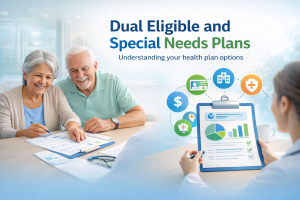
Types of D-SNPs Available in North Carolina
In North Carolina, various types of D-SNPs cater to the diverse needs of dual-eligible individuals, each tailored to address specific healthcare concerns and preferences. Understanding these plan types is crucial for beneficiaries evaluating their options to make informed decisions about their healthcare coverage. D-SNPs in the state are designed to cover a broad spectrum of medical needs, offering plans that cater to particular demographics or health conditions.
One type of D-SNP available in North Carolina is the Chronic Condition Special Needs Plan (C-SNP), which serves individuals with chronic illnesses such as diabetes or heart disease. These plans focus on effectively managing chronic conditions by offering targeted health benefits and care coordination services that support ongoing treatment and monitoring. C-SNP enrollees benefit from a network of specialized healthcare providers who work collaboratively to manage their health effectively, reducing hospital visits and improving quality of life.
Another type of SNP available in the state is the Institutional Special Needs Plan (I-SNP), which is designed for individuals who live in institutional settings or require nursing care. I-SNPs ensure that enrollees receive comprehensive care tailored to the nuances of living in such environments, offering benefits that support both medical and personal care needs. These plans typically include all necessary health services delivered by a team of healthcare professionals who understand institutional care dynamics.
Dual-Eligible Special Needs Plans (D-SNPs) are specifically tailored for dual-eligible individuals, seamlessly combining Medicare and Medicaid coverage. In North Carolina, these D-SNPs are crafted to meet the distinctive needs of beneficiaries by providing benefits like care coordination and access to a broad network of healthcare providers. These plans are instrumental in reducing redundancy and ensuring that beneficiaries have access to necessary healthcare services without undergoing multiple application processes.
The flexibility offered by North Carolina’s D-SNPs allows them to cater to the varied needs and preferences of beneficiaries across different counties and regions in the state. By providing a range of options, these plans ensure that beneficiaries can select a plan that aligns with their health status and lifestyle. For example, some D-SNPs offer additional wellness services such as access to fitness programs or enhanced support for nutritional needs, which encourage healthier lifestyles and proactive health management.
For dual eligibles seeking to understand and utilize these plan options, resources like MedicarePartCPlans.org provide insightful comparison tools and educational materials. Such platforms enable beneficiaries to assess the different types of D-SNPs available, evaluate their specific benefits, and determine which plan best meets their individual health and financial circumstances. By fully considering all types of D-SNPs available, beneficiaries can maximize their healthcare coverage and improve their quality of life.
Enrollment in Dual Plans
Dual-eligible individuals in North Carolina who qualify for both Medicare and Medicaid can take advantage of Dual-Eligible Special Needs Plans (D-SNPs) to simplify their healthcare coverage. Enrollment in these plans involves understanding eligibility criteria and navigating enrollment processes. Comparing D-SNPs through resources like MedicarePartCPlans.org can help individuals find plans that align with their specific needs, offering comprehensive coverage and integrated benefits that cater to dual eligibles’ unique requirements. With the right information, beneficiaries can efficiently manage their enrollment and make informed decisions about their healthcare options.
How to Qualify and Enroll in D-SNPs
Qualifying for Dual-Eligible Special Needs Plans (D-SNPs) involves understanding the intersection of Medicare and Medicaid eligibility requirements. In North Carolina, individuals seeking to enroll in D-SNPs must first meet the criteria for both programs. Typically, Medicare eligibility extends to those aged 65 and older or those under 65 with specific disabilities, focusing on healthcare services. Medicaid, on the other hand, primarily bases eligibility on income and resources, which vary by state, and often caters to lower-income individuals. Being deemed dual-eligible means meeting these separate requirements, enabling access to the combined benefits that these plans provide.
The enrollment process for D-SNPs requires understanding both the general rules and the specific nuances of the plans available in North Carolina. For many, qualification begins with ensuring you’re enrolled in both Medicare and Medicaid. The financial criteria for Medicaid can include income limits and asset thresholds, periodically adjusted to align with federal poverty levels. Once qualified, individuals can explore the additional coverage provided by D-SNPs, which includes benefits such as dental, vision, and sometimes over-the-counter allowances that are not standard in other Medicare plans.
Enrollment in D-SNPs is typically coordinated through the respective plan networks, and these plans often have designated enrollment windows that align with Medicare’s annual periods. However, certain events can trigger a Special Enrollment Period (SEP), which allows individuals to join or switch plans outside the typical open enrollment phase. Being aware of these opportunities is crucial for maintaining continuous coverage and avoiding lapses in care.
To streamline the process, resources like MedicarePartCPlans.org offer extensive guidance, including detailed plan comparisons and up-to-date information on enrollment timelines and criteria. This tool allows beneficiaries to efficiently navigate the complexities of D-SNP enrollment, ensuring that the selected plan aligns with their healthcare needs and financial considerations.
By leveraging such tools, dual-eligible individuals can make informed decisions that optimize their healthcare coverage and enhance their quality of life. It’s essential to start by evaluating personal health needs, financial status, and researching the best available options to ensure comprehensive healthcare coverage through a D-SNP.
| Eligibility Criteria | Enrollment Process | Key Benefits | Comparison Resource | Special Enrollment Periods |
|---|---|---|---|---|
| Must be eligible for both Medicare and Medicaid | Visit Medicare.gov or contact a licensed representative | Includes dental, vision, and hearing care | MedicarePartCPlans.org offers plan comparisons | Allows enrollment/making changes outside typical periods |
| North Carolina residents with limited income and resources | Fill out the required forms and submit the necessary documentation | Prescription drug coverage included | Helpful for evaluating plan costs and coverage differences | Triggered by life events like moving or losing Medicaid |
| Requires a valid Medicare ID and Medicaid approval | Consult with a plan advisor for personalized guidance | Transportation services to medical appointments | Provides up-to-date information about plan changes | Occurs when certain criteria are met, such as qualification changes |
This table highlights the integration of D-SNP benefits with Medicare and Medicaid, while outlining the resources available for informed decision-making about healthcare coverage in North Carolina.
Compare plans and enroll online
Comparing Dual Plans with MedicarePartCPlans.org
When it comes to comparing Dual-Eligible Special Needs Plans (D-SNPs) in North Carolina, utilizing a thorough and comprehensive resource like MedicarePartCPlans.org can significantly aid in the decision-making process. This platform specializes in helping Medicare beneficiaries understand the various facets of available plans, particularly those suited for dual eligibles who need coverage from both Medicare and Medicaid. Understanding the benefits and differences between these plans is crucial, as it ensures that individuals receive the most suitable healthcare coverage for their unique circumstances.
MedicarePartCPlans.org offers an intuitive comparison tool that clearly distinguishes between the benefits and limitations of various D-SNP options. For dual eligibles, this means evaluating plans based on additional benefits such as transportation services, care coordination, comprehensive drug coverage, and access to a wider network of healthcare providers. The ability to compare these integral features side by side helps beneficiaries choose a plan that not only covers basic needs but also supports their overall health and well-being.
Another critical aspect of using MedicarePartCPlans.org is the access to updated information about specific plan networks, contracted healthcare providers, and the geographical availability of plans across different counties in North Carolina. Given that healthcare needs and availability can vary significantly between regions, navigating this aspect can greatly influence the level of care a beneficiary receives. The platform breaks down these details, allowing for informed decisions that align with regional healthcare landscapes.
Moreover, MedicarePartCPlans.org emphasizes the importance of understanding plan contracts and how they impact coverage availability and costs. For instance, some D-SNP plans might have different contractual agreements impacting the inclusion of certain services or providers within the plan network. By offering detailed insights into these contracts, the platform helps users understand potential coverage limitations or advantages, thereby playing a vital role in plan selection.
Overall, the ability to compare D-SNPs through MedicarePartCPlans.org empowers North Carolina’s dual-eligible individuals to make educated choices regarding their healthcare. This resource not only informs beneficiaries about the benefits specific to their needs but also encourages proactive healthcare management by simplifying the enrollment process and providing transparency about plan differences. By leveraging such targeted resources, individuals can navigate the often convoluted landscape of D-SNPs with confidence and clarity, ensuring comprehensive, tailored healthcare solutions that address both medical and financial considerations efficiently.
Understanding Dual Eligible Plans in North Carolina can significantly benefit those qualifying for both Medicare and Medicaid. These plans offer tailored options that cater to unique health needs, combining benefits from both programs for more comprehensive coverage. Exploring potential benefits and available options requires careful consideration to ensure all health needs are met effectively.
For those interested in learning more, visiting MedicarePartCPlans.org can provide additional resources and tools that might assist in identifying the right Medicare Advantage plans suitable for specific requirements and coverage necessities, ensuring informed decisions about healthcare needs.
Have Questions?
Speak with a licensed insurance agent
1-877-436-2343
TTY users 711
Mon-Fri: 8am-9pm ET
Find & Compare Plans Online
ZRN Health & Financial Services, LLC, a Texas limited liability company