Navigating the complexities of Medicare plans can be challenging, but understanding the differences between Medicare Parts A, B, C, and D is essential for beneficiaries seeking the right coverage. Our guide offers a comprehensive explanation of each part, covering hospital insurance, medical insurance, Medicare Advantage, and prescription drug coverage. By exploring eligibility, benefits, and enrollment options, you can make informed decisions about your healthcare needs. Whether you’re new to Medicare or re-evaluating your plan, this guide provides valuable insights to help you compare and choose the Medicare plan that aligns with your healthcare goals.







Explanation Of Medicare Plans
Key Highlights
- Medicare is crucial for Americans over 65 and younger individuals with disabilities.
- Parts A and B form Medicare’s foundation, covering hospital and medical services.
- Eligibility includes people 65+, younger individuals with disabilities, and those with ESRD.
- Medicare Advantage offers integrated plans with extra benefits like vision and dental.
- Part D provides prescription coverage, while Medigap covers out-of-pocket expenses.
Compare plans and enroll online
Understanding the Basics of Medicare
Medicare is a crucial component of health insurance for many Americans age 65 and older, as well as younger individuals with certain disabilities. Understanding the basics is essential to making informed decisions about your healthcare coverage. This foundational section explores the various parts of Medicare, including Part A and Part B, while also delving into eligibility requirements. Becoming familiar with these aspects can help beneficiaries assess their specific healthcare needs and compare available options through resources like MedicarePartCPlans.org.
Components and Coverage of Medicare Parts A and B
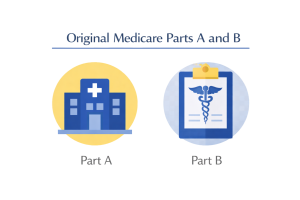
The Medicare program is divided into four parts, with Parts A and B forming the bedrock of the system. Medicare Part A, known as hospital insurance, covers inpatient care in hospitals, skilled nursing facility care, hospice care, and some home health care services. Beneficiaries often note that Part A is usually premium-free if they or their spouse paid Medicare taxes while working. This segment is vital as it addresses the needs of those requiring significant medical intervention without incurring high costs.
Medicare Part B, on the other hand, is referred to as medical insurance. It covers essential services like outpatient care, preventive services, and doctors’ visits. Furthermore, some home health care services and preventive services are also covered. Unlike Part A, Part B typically requires a monthly premium based on income. Understanding these components helps beneficiaries decide whether a fee-for-service health insurance program or other options align with their health and financial needs.
Both Parts A and B are approved by the government to provide necessary services to beneficiaries. However, understanding the exact benefits and costs involved is crucial. By examining this foundation of Medicare, beneficiaries can better comprehend how to utilize these parts to their advantage and consider how they might complement other forms of coverage, such as Medicare Advantage (Part C) or Medigap plans, to provide comprehensive care.
Who is Eligible for Medicare?
Eligibility for Medicare generally encompasses individuals 65 and older, along with younger people who meet specific disability criteria and those with End-Stage Renal Disease (ESRD). As individuals approach 65, they often have questions about when and how they can enroll. Most people are automatically enrolled in Part A and Part B if they’re already receiving Social Security or Railroad Retirement Board benefits. For those not automatically enrolled, it’s crucial to understand the enrollment periods.
Medicare is designed to ensure that health care services are accessible to people at a critical life stage. It’s important to be mindful of when to sign up to avoid potential late enrollment penalties, which could affect costs. Many beneficiaries begin exploring their eligibility options several months before they turn 65, giving them ample time to investigate which plans best suit their needs.
Moreover, some individuals, despite qualifying for Social Security benefits, may opt to delay enrollment in Medicare Part B if they have employer health coverage. Understanding the regulations around this can prevent unnecessary expenses and ensure continuous coverage.
MedicarePartCPlans.org provides tools like a free Medicare plans finder to assist beneficiaries in assessing their plan options, including Medicare plans cost comparisons by location, such as Florida, and specific coverage needs. By clarifying eligibility requirements and offering guidance, MedicarePartCPlans.org assists in easing the complex journey of Medicare enrollment. Knowing you’re eligible and when you can enroll creates an empowering position, setting the stage for wise choices regarding your health coverage.
Diving Into Medicare Advantage (Part C)
Medicare Advantage, also known as Medicare Part C, is a comprehensive approach to health coverage that bundles several coverage types. This section explores how it differentiates from Original Medicare by focusing on the unique benefits these plans offer. We’ll look at the variety of plan types and how you can use a Medicare plan finder to navigate your options. By understanding these aspects, beneficiaries can make informed decisions about coverage and costs with ease.
Find & Compare Plans Online
Benefits Differentiating Medicare Advantage from Original Medicare
Medicare Advantage plans stand out by offering benefits that Original Medicare doesn’t usually cover, like vision, dental, and wellness programs. Unlike the standardized nature of Parts A and B, Medicare Advantage plans are offered by private health insurance companies approved by Medicare. These plans often bundle several coverage types, enabling beneficiaries to consolidate their coverage under a single plan. This helps in managing costs while gaining access to additional services. Since these plans are managed by private insurers, they may provide different benefits, which often lead to customized health packages fitting various individual needs.
Medicine affordability is another stark contrast, as many Medicare Advantage plans include prescription drug coverage (Part D), giving beneficiaries a way to manage medication costs seamlessly. This integration means that care and coverage are more localized and can effectively cater to specific regional healthcare needs. Beneficiaries have the advantage of choosing plans that align closely with their health circumstances, reducing out-of-pocket costs while maintaining comprehensive coverage.
The government heavily regulates these plans to ensure they meet specific healthcare standards. Beneficiaries often appreciate the included extras and the potential for lower copayments and premiums. Still, there might be trade-offs, such as network restrictions, meaning you might need to see a doctor within a particular health network. This aspect can be pivotal when comparing the flexibility of selected doctors and facilities between Medicare Advantage and Original Medicare. Understanding these nuances can significantly influence your plan choice to meet your medical needs efficiently.
Exploring Plan Types and Options with a Medicare Plan Finder
The diversity of Medicare Advantage plan types can initially seem overwhelming, but tools like a Medicare plan finder can simplify the process. Beneficiaries can explore categories such as Health Maintenance Organizations (HMOs), Preferred Provider Organizations (PPOs), Private Fee-for-Service (PFFS) plans, and Special Needs Plans (SNPs), each with distinct networks and coverage rules. Tools like the free Medicare plans finder on MedicarePartCPlans.org are designed to help beneficiaries compare these options accurately by location and specific health needs.
HMOs typically feature lower premiums but come with restricted networks, which means beneficiaries need to pick healthcare providers from a list of approved doctors and hospitals. PPOs offer more flexibility, giving the option to see any healthcare provider but usually at a higher cost. PFFS plans provide an alternative with a unique payment structure where beneficiaries can visit any eligible doctor if they agree to the terms; however, costs vary significantly. SNPs cater specifically to individuals with particular conditions or diseases, aligning benefits to better support those with chronic or specific health needs.
The Medicare plan finder is an invaluable resource for unraveling these choices, allowing beneficiaries to filter results based on critical factors such as costs and benefits. By obtaining detailed comparisons, including cost analysis such as premiums, copayments, and an understanding of how drug coverage is incorporated, beneficiaries can ensure their plan suits their financial and health situation. These insights ensure informed decision-making when selecting a fitting Medicare Advantage plan that aligns with personal health goals and budget constraints.
Using a Medicare plan finder effectively can simplify choosing among various plan types. Consider these tips to make the most of the tool:
- Utilize filters to narrow down options based on medical needs.
- Review premium costs and potential out-of-pocket expenses carefully.
- Compare network restrictions and provider availability to match personal preferences.
- Examine drug coverage specifics to avoid unexpected expenses.
- Learn about any additional benefits offered by different plans.
- Consider long-term healthcare needs and how plans address them.
- Keep your medical history in mind while assessing plan benefits.
These strategies help ensure that you’re making an informed choice tailored to your unique situation.
Additional Medicare Coverage Options: Parts D and Medigap
Beyond the foundational Parts A and B, Medicare offers additional coverage options to meet diverse health needs. Medicare Part D provides prescription drug coverage, crucial for managing medication costs. Meanwhile, Medigap supplements fill gaps in Original Medicare by helping cover out-of-pocket expenses. These additional options, often offered through private insurance, play a significant role in ensuring comprehensive healthcare. Understanding how Part D integrates with your existing plan and how Medigap complements fee-for-service options is essential for beneficiaries making informed decisions about their health insurance coverage.
| Coverage Type | Key Features | Considerations | Additional Notes |
|---|---|---|---|
| Medicare Part D | Prescription drug coverage, offered by private plans approved by Medicare. | Varies by plan in terms of covered drugs, premiums, and co-pays. | Must have Medicare Part A or B to enroll. |
| Medigap | Supplemental insurance covering gaps in Original Medicare (Parts A and B). | Varies by plan; doesn’t cover prescription drugs. | Enrollment may require underwriting outside open enrollment periods. |
This table provides a concise comparison of Medicare Part D and Medigap, aiding in understanding the added values and considerations for each additional coverage option.

How Prescription Drug Coverage Works Under Medicare Part D
Prescription drug coverage under Medicare Part D is essential for beneficiaries who rely on medications to manage chronic conditions. Part D plans are offered by private health insurance companies approved by Medicare, providing a variety of drug plans for beneficiaries to choose from. These plans cover a wide range of prescription drugs, but each has a formulary, or list of covered drugs, that determines how medications are included. It’s crucial to compare these formularies when selecting a drug plan, as they can significantly affect out-of-pocket costs and access to necessary medications.
Medicare beneficiaries who opt for Part D as part of their coverage can purchase it independently or as part of a Medicare Advantage plan that bundles several coverage types. This bundling often includes benefits like access to dental, vision, or additional wellness programs. However, it’s vital to understand the associated costs, including premiums, deductibles, and copayments, which vary between plans. For those eligible for both Medicare and Medicaid, known as “dual eligibles,” Medicaid might help cover these costs, making prescription coverage more affordable.
Additionally, beneficiaries should be aware of the coverage gap or “donut hole,” a temporary limit on what the drug plan will cover. Once you’ve spent a certain amount on covered drugs, you enter the coverage gap, requiring higher out-of-pocket spending until reaching the out-of-pocket threshold, where catastrophic coverage kicks in. Understanding Part D drug plans, comparing options, and knowing the details of the coverage gap are vital steps in managing healthcare costs effectively. MedicarePartCPlans.org offers access to information and tools for comparing drug plans, aiding beneficiaries in finding the most suitable Part D coverage.
Understanding the Role of Medigap in Hospital and Medical Insurance
Medigap, also known as Medicare supplement insurance, plays a pivotal role in helping beneficiaries manage healthcare expenses by covering costs that Original Medicare Parts A and B don’t fully cover. These expenses can include copayments, coinsurance, and deductibles, which can add up significantly for those with frequent healthcare needs. Private health insurance companies offer Medigap policies, and while the plans must adhere to federal and state regulations, the cost and availability can vary by location.
For many beneficiaries, Medigap is an attractive option because it provides the flexibility to visit any doctor or hospital that accepts Medicare, without the network restrictions found in some Medicare Advantage plans. This freedom is advantageous for those who travel frequently or live in areas with limited healthcare networks. However, it’s important to note that Medigap policies do not cover prescription drugs, making it necessary for beneficiaries to separately enroll in a Part D plan if they require medication coverage.
When considering a Medigap policy, it’s crucial to evaluate the benefits, as they differ among the standardized plan types, labeled A through N. Each type offers a different combination of coverage options, allowing beneficiaries to tailor their plan to their healthcare needs. Some plans may cover several Medicare-approved services, offering extensive support for hospital and medical insurance costs.
The acquisition of a Medigap policy generally requires enrolling during the Medigap Open Enrollment Period, which begins the first month you’re enrolled in Medicare Part B and are 65 or older. Enrolling during this period ensures access to Medigap policies without underwriting, meaning you can’t be charged more or denied coverage for pre-existing conditions.
It’s critical for beneficiaries considering Medigap to fully understand these guidelines and assess their potential healthcare costs to choose an appropriate plan. Support tools, like the Medicare plans finder on MedicarePartCPlans.org, assist in comparing Medigap policies by providing essential insights into costs and coverage, ensuring informed decisions are made for comprehensive health coverage.
Understanding the various parts of Medicare can empower you to make informed decisions about your healthcare coverage. Medicare Part A and Part B provide baseline coverage, whereas Part C (Medicare Advantage) offers integrated health plans that combine both, along with extra benefits. Part D adds dedicated prescription drug coverage, further expanding your health plan’s scope.
We encourage you to utilize resources like MedicarePartCPlans.org to explore your options thoroughly and tailor your Medicare plan to best fit your personal health needs and budget. Navigating Medicare need not be overwhelming when resources are readily available to guide you.
Compare plans and enroll online
Frequently Asked Questions
What are the basic components of Medicare?
Medicare is divided into four parts: Part A (hospital insurance), Part B (medical insurance), Part C (Medicare Advantage), and Part D (prescription drug coverage). Each part serves a specific purpose in offering comprehensive healthcare coverage to beneficiaries. Understanding each component can help in making informed decisions about your healthcare needs.
Who is eligible for Medicare?
Individuals aged 65 and older, those with certain disabilities, and people with End-Stage Renal Disease (ESRD) can qualify for Medicare. Automatic enrollment typically occurs if already receiving Social Security or Railroad Retirement Board benefits.
What is Medicare Advantage (Part C)?
Medicare Advantage, or Part C, is an alternative to Original Medicare. These plans, provided by private insurance companies, often include additional benefits such as vision, dental, and prescription drug coverage. They offer integrated health plans that combine Parts A, B, and D under a single policy.
How does Medicare Part D work?
Medicare Part D offers prescription drug coverage through private plans approved by Medicare. Each plan has a formulary, which is a list of covered drugs. Costs, including premiums and out-of-pocket expenses, can vary, and it’s important to compare plans based on these factors.
What is the purpose of Medigap?
Medigap, also known as Medicare Supplement Insurance, helps pay for costs not fully covered by Medicare Parts A and B, such as copayments and deductibles. Offered through private insurers, Medigap policies vary based on coverage but are standardized within state regulations, allowing beneficiaries flexibility in healthcare provider choices.
Have Questions?
Speak with a licensed insurance agent
1-877-436-2343
TTY users 711
Mon-Fri: 8am-9pm ET
Find & Compare Plans Online
ZRN Health & Financial Services, LLC, a Texas limited liability company