Navigating the world of Medicare can be complex, especially when comparing Highmark Medicare Advantage plans to Medicare Supplements, often referred to as Medigap. Understanding the key differences between these options is crucial for making informed decisions about your healthcare coverage. Highmark Medicare Advantage plans provide an all-in-one solution, combining original Medicare benefits with additional services, while Medigap policies help fill gaps in standard Medicare coverage. This guide aims to clarify these distinctions, offering insights into how each option works to support your healthcare needs and preferences.







Highmark Medicare Advantage Versus Medicare Supplement
Key Highlights
- Highmark Medicare Advantage offers comprehensive coverage with additional benefits like dental, vision, and hearing care.
- Medicare Advantage plans provide an out-of-pocket maximum, safeguarding against unlimited expenses, unlike Original Medicare.
- Medigap supplements cover gaps in Original Medicare, including copayments, coinsurance, and deductibles.
- Medigap policies do not cover extra services like dental or vision, but offer flexibility in provider choice.
- Utilize tools like MedicarePartCPlans.org to compare plans based on healthcare needs and location.
Compare plans and enroll online
Understanding Highmark Medicare Advantage Plans
Highmark Medicare Advantage plans are designed to offer beneficiaries comprehensive health coverage with added benefits not typically available with Original Medicare. These plans provide a convenient way to manage healthcare needs under one umbrella, often incorporating additional services like vision and dental care. In this segment, we’ll delve into the key benefits and features of Highmark Medicare Advantage and how these plans stack up against Original Medicare, highlighting why many choose these plans to meet their healthcare needs.
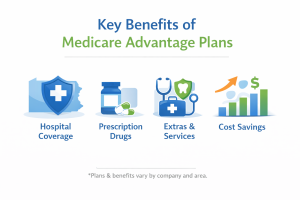
Key Benefits and Features of Highmark Medicare Advantage
Highmark Medicare Advantage plans offer several distinctive benefits that extend beyond what is available through Original Medicare. One of the primary advantages is the inclusion of additional services such as dental, vision, and hearing care, which aren’t typically covered by Original Medicare. Highmark Blue Cross Blue Shield’s plans may also include prescription drug coverage, eliminating the need for a separate Medicare Part D plan. This comprehensive coverage can make it easier for beneficiaries to manage their health care in a streamlined manner.
Another significant advantage of Highmark Medicare Advantage plans is the potential for lower out-of-pocket costs. Many plans feature an out-of-pocket maximum, which offers protection from unlimited expenses, a feature that Original Medicare lacks. This can provide peace of mind for those concerned about healthcare-related costs potentially escalating.
Moreover, Highmark Blue’s Medicare Advantage plans often promote healthier lifestyles by offering wellness programs, gym memberships, and preventive services aimed at keeping beneficiaries active and engaged. This aligns with a holistic approach to health, emphasizing not just treatment but overall well-being.
Highmark’s wide network of doctors and hospitals also ensures beneficiaries have ample flexibility in choosing healthcare providers, making it easier to receive the care needed without exorbitant costs. By integrating benefits like coordination of care, Highmark Medicare Advantage plans can help ensure complete and continuous access to healthcare services. With features designed to enhance overall health coverage, it’s clear why Highmark’s plans continue to attract those eligible for Medicare.
Comparing Highmark Medicare Advantage to Original Medicare
When comparing Highmark Medicare Advantage plans with Original Medicare, several differences arise that may influence a beneficiary’s decision. Original Medicare, consisting of Part A (hospital insurance) and Part B (medical insurance), provides foundational coverage but often leaves beneficiaries with significant out-of-pocket expenses and no cap on annual spending. This is a critical point where Highmark Medicare Advantage plans offer an edge with their out-of-pocket maximums, protecting against unforeseen expenses.
Highmark Medicare Advantage plans typically include additional benefits that Original Medicare doesn’t cover, such as dental, vision, and hearing care. These services are vital for many older adults, yet obtaining them through Original Medicare would mean purchasing separate policies or paying out-of-pocket, which can be costly.
Additionally, beneficiaries of Highmark Advantage plans have access to additional wellness and preventive benefits that aim to maintain a high level of health and reduce future medical costs. Such offerings underscore a proactive approach to healthcare, differentiating these plans from the more reactive nature of Original Medicare.
Furthermore, Highmark Medicare Advantage plans simplify the administration of benefits by consolidating Part A, Part B, and often Part D (prescription drug coverage) into a single plan, which is not the case with Original Medicare. This consolidation is particularly beneficial for those wishing to manage their healthcare through one coordinated source, streamlining payments and paperwork.
While Highmark Blue Cross Blue Shield plans may require beneficiaries to use network providers, which could be seen as a limitation, their extensive network mitigates this concern for many, ensuring access to quality care. Overall, these plans provide a more structured option for those looking to balance comprehensive coverage with cost control and added benefits.

Exploring Medicare Medigap Supplements
Medicare Medigap supplements play a crucial role in bridging the gap between Original Medicare and out-of-pocket expenses. As an addition to Original Medicare, Medigap plans are designed to cover costs that Medicare doesn’t, like copayments, coinsurance, and deductibles. Understanding these supplement plans and how they fit into the broader landscape of Medicare can aid beneficiaries in making informed decisions about their healthcare coverage. It’s essential to comprehend what a Medigap plan entails and how to select one that aligns with personal healthcare needs while complementing existing health insurance coverage.
Find & Compare Plans Online
What is a Medicare Medigap Plan and How Does It Work?
A Medicare Medigap plan, often referred to simply as Medigap, is a type of health insurance sold by private companies that supplements your Original Medicare coverage. These plans are designed to cover the “gaps” left by Medicare, which include various out-of-pocket costs such as copayments, coinsurance, and deductibles. The primary aim of Medigap is to minimize the financial burden for Medicare beneficiaries by providing additional health insurance coverage for expenses that can add up quickly.
Medigap policies are standardized across most states, meaning that each plan type (such as Plan A, Plan B, etc.) offers the same basic benefits no matter which insurance company offers it. This standardization helps streamline the decision-making process and allows beneficiaries to compare plans more easily based on premiums and service from different providers, such as Blue Cross Blue Shield. However, it’s crucial to note that Medigap plans do not include prescription drug coverage, which must be obtained separately through a Medicare Part D plan.
When you purchase a Medigap plan, you pay a premium to the insurance company in addition to your Part B premium. This premium can vary depending on various factors, including your age, where you live, and the specific plans offered by insurers. Eligibility for Medigap starts when you are enrolled in Medicare Part A and Part B, particularly during your Medigap Open Enrollment Period, which begins the month you turn 65. During this time, you have the guaranteed right to buy any Medigap policy sold in your state, regardless of your health condition.
Understanding how Medigap plans complement Medicare Advantage is key. Unlike Medicare Advantage plans, which are an alternative to Original Medicare, Medigap works alongside Original Medicare. Medigap is particularly beneficial for those who wish to avoid unpredictable out-of-pocket expenses and prefer not having network restrictions typical of HMO plans associated with Medicare Advantage. Therefore, selecting a Medigap plan involves considering your health needs, budget, and desire for flexibility in choosing healthcare providers.
To further enhance your understanding of Medicare Medigap plans and how they complement your Medicare coverage, consider the following key factors:
- Understand the differences between Medigap and Medicare Advantage.
- Assess your healthcare needs against the gaps that Medigap covers.
- Review the standardized plan options, such as Plan A or Plan B.
- Consider how premiums differ based on your age and location.
- Be aware of the Medigap Open Enrollment Period for guaranteed purchase rights.
- Know that Medigap doesn’t cover prescription drugs; consider a Medicare Part D plan.
- Decide on flexibility in choosing medical providers without network restrictions.
These considerations will help guide you towards making informed decisions about your healthcare coverage options.
Choosing the Right Medigap Plan for Your Needs
Choosing the right Medigap plan involves careful consideration of your current and future healthcare needs, financial situation, and personal preferences. Given the variety of plans available, beneficiaries must evaluate their options thoughtfully to make an informed decision that aligns with their healthcare coverage requirements. The first step in selecting a Medigap plan is to assess your medical needs and anticipated healthcare expenses. This includes considering your typical doctor visits, the likelihood of needing specialist care, and your preference for flexibility in choosing healthcare providers without network restrictions.
Once you’ve assessed your needs, it’s crucial to compare different Medigap plans offered in your area. Each plan is standardized, offering the same basic benefits regardless of the insurance company, but premiums can vary, so it’s wise to look at several options. Companies like Blue Cross Blue Shield can provide a range of Medigap options, often with resources to help individuals understand the specifics of each plan. Additionally, consider how each plan will interact with your current health insurance, particularly if you’re transitioning from an Advantage plan back to Original Medicare with a Medigap supplement.
Financial considerations are also vital in selecting a Medigap plan. While comprehensive coverage might bring peace of mind, it’s essential to balance that with the cost of monthly premiums. Look into each plan’s cost structure and determine what makes sense for your budget. Remember that the cheapest plan is not always the best; rather, it’s about finding a plan that offers the coverage you need at a price you can afford over the long term.
It’s also important to consider timing. The Medigap Open Enrollment Period provides the best opportunity to choose a plan with the fewest restrictions, as insurers cannot deny coverage or charge higher premiums based on pre-existing conditions during this time. Outside this period, you may face medical underwriting, where your health can influence your premiums or eligibility.
Ultimately, selecting a Medigap plan is about ensuring you have the right support to cover what Medicare doesn’t. Utilize tools like the Medicare plans finder available on educational resources such as MedicarePartCPlans.org to compare your options and make an informed choice. Engage with health insurance agents or advisors if needed, who can offer insights and assist in navigating the complexities of choosing a Medigap plan that fits your unique needs.
Health Insurance Options for Medicare Beneficiaries
When it comes to health insurance for Medicare beneficiaries, understanding the differences and benefits of various plan types is crucial. Many are faced with the decision between Highmark Medicare Advantage plans and Medigap supplements. Each option holds its own unique coverage features that cater to different healthcare needs and financial situations. This section will explore these options, comparing Advantage plans and Medigap, so that you can make an informed decision on which coverage package might best align with your healthcare requirements, financial circumstances, and lifestyle preferences.

Comparing Advantage Plans and Medigap Coverage Options
The landscape of health insurance for Medicare beneficiaries often includes debating between Medicare Advantage plans and Medigap coverage. Both provide essential benefits that enhance health coverage beyond Original Medicare, yet they serve distinct needs. Medicare Advantage plans, like those offered by Highmark Freedom Blue PPO and Blue Cross Blue Shield, consolidate a wide range of services under one plan. This consolidation simplifies healthcare management by combining Medicare Part A, Part B, and often Part D, which covers prescription drugs. By choosing an Advantage plan, members might enjoy extra benefits, such as routine dental, vision, and hearing services, often not available with Original Medicare alone.
These comprehensive plans often utilize an HMO framework or a network-based approach, meaning beneficiaries will need to use plan-approved providers to maximize their benefits. However, this setup also means premiums can be quite competitive, making it attractive for those looking to manage health insurance costs efficiently. Joining a network like those from major companies such as Highmark Blue Cross Blue Shield gives access to a large pool of providers, reducing the hassle of seeking specialized care across service boundaries.
On the other hand, Medigap, known as Medicare Supplement Insurance, aims to fill the financial gaps that are left open by Original Medicare. These gaps often involve deductibles, copayments, and coinsurance. Medigap policies are sold by private companies, and while they don’t usually cover services like vision or dental, they play a crucial role in containing unpredictable out-of-pocket expenses. Many beneficiaries appreciate that Medigap allows access to any provider that accepts Medicare, offering greater flexibility outside of network constraints.
Choosing between Medicare Advantage and Medigap will depend significantly on your personal needs. If you’re someone who values streamlined services and exclusive additional benefits, a Medicare Advantage plan with a renowned company like Blue Cross Blue Shield could be appealing. However, if your priority is broad provider access and minimizing out-of-pocket surprises, a Medigap plan might be more suitable. Use resources available, such as comparison tools found on sites like MedicarePartCPlans.org, to evaluate both offerings against your healthcare needs and financial situation. This careful consideration ensures that your health insurance aligns well with what you expect from your healthcare coverage, emotionally and financially.
| Plan Type | Coverage Features | Provider Access | Additional Benefits | Ideal For |
|---|---|---|---|---|
| Medicare Advantage Plans | Includes Medicare Part A and Part B, often with additional coverage like prescription drugs (Part D) | Network-based, often requiring use of the plan’s provider network for lowest costs (e.g., HMOs or PPOs) | Includes extra benefits such as dental, vision, hearing, and wellness programs | Beneficiaries looking for a bundled coverage option with extra benefits and care coordinated through a network |
| Medigap | Supplemental to Original Medicare, covering out-of-pocket costs like copayments, coinsurance, and deductibles | Broad access to any provider that accepts Medicare | Does not typically include additional benefits like vision or dental, but focuses on reducing out-of-pocket expenses | Beneficiaries desiring flexibility in choosing healthcare providers and minimizing out-of-pocket costs not covered by Original Medicare |
This table illustrates the contrasting features of Medicare Advantage Plans and Medigap, allowing beneficiaries to align their choice with healthcare needs and lifestyle preferences.
Comparing Highmark Medicare Advantage and Medigap plans provides insight into how each offers distinct benefits that suit different needs. Medicare Advantage plans commonly include additional services, such as vision and dental, potentially reducing overall out-of-pocket costs. Alternatively, Medigap supplements focus on covering gaps within Original Medicare, offering more predictable expenses. Understanding these differences allows beneficiaries to make informed decisions aligned with their health care needs and budget preferences. Use MedicarePartCPlans.org to explore plan options by location, ensuring that the choice supports individual health objectives effectively throughout the Medicare journey.
Compare plans and enroll online
Frequently Asked Questions
What is the primary difference between Highmark Medicare Advantage plans and Medigap policies?
Highmark Medicare Advantage plans combine Original Medicare benefits with additional services like dental and vision care, while Medigap policies help cover gaps in Original Medicare, such as copayments and deductibles.
What are some additional benefits offered by Highmark Medicare Advantage plans?
Highmark Medicare Advantage plans often include additional benefits such as dental, vision, and hearing care, as well as prescription drug coverage, eliminating the need for a separate Medicare Part D plan.
How do Medigap supplements enhance Original Medicare coverage?
Medigap supplements are designed to fill gaps in Original Medicare by covering costs like copayments, coinsurance, and deductibles, thereby minimizing out-of-pocket expenses for beneficiaries.
What is the role of out-of-pocket maximums in Medicare Advantage plans?
Medicare Advantage plans, including those from Highmark, provide an out-of-pocket maximum, protecting beneficiaries from unlimited healthcare expenses, which is a feature Original Medicare does not offer.
Why is it beneficial to use tools like MedicarePartCPlans.org?
MedicarePartCPlans.org provides a platform to compare Medicare plans based on healthcare needs and location, helping beneficiaries make informed decisions when selecting Medicare Advantage or Medigap options.
Have Questions?
Speak with a licensed insurance agent
1-877-436-2343
TTY users 711
Mon-Fri: 8am-9pm ET
Find & Compare Plans Online
ZRN Health & Financial Services, LLC, a Texas limited liability company