The 2027 Kaiser Medicare Advantage Review provides essential insights for beneficiaries exploring Kaiser’s Medicare Advantage options. Known for its wide-ranging coverage and integrated care approach, Kaiser’s plans cater to diverse health needs. Our review delves into monthly premiums, exploring variations based on location and specific plan features. Whether you’re new to Medicare or reassessing your current plan, understanding these costs is vital. With this information, you can better evaluate how Kaiser Medicare Advantage fits within your budget and coverage preferences. Begin your journey here, where clarity and informed decision-making are our primary goals.







How Much is Kaiser Medicare Advantage Per Month?
Key Highlights
- Kaiser Medicare Advantage plans integrate care, offering wide-ranging coverage for seniors with diverse health needs.
- Plans feature coordinated care through Permanente Medical Groups, ensuring seamless healthcare delivery and preventive services.
- Kaiser plans offer varying costs based on location and individual healthcare needs; premiums reflect comprehensive coverage.
- Enrollment requires Medicare Parts A and B; available options and costs vary by geographic location.
- MedicarePartCPlans.org’s free plans finder tool aids in comparing Kaiser Medicare Advantage plans by region.
Compare plans and enroll online
Understanding Kaiser Medicare Advantage Plans
Kaiser Medicare Advantage plans are among the most sought-after options for seniors looking for comprehensive healthcare coverage under Medicare Advantage. These plans, also known as Medicare Part C, are offered by private insurers like Kaiser Permanente. They often combine Medicare Parts A and B, and sometimes Part D, into a single plan with additional benefits. Understanding the distinctive features of Kaiser Permanente Senior Advantage plans and the role of the Permanente Medical Group can help seniors choose the best coverage to meet their healthcare needs effectively.

What Sets Kaiser Medicare Advantage Apart?
Kaiser Permanente’s Medicare Advantage plans, commonly known as Kaiser Permanente Senior Advantage, stand out due to their integration of health services and Kaiser Foundation Health Plan offerings. These plans bring together hospital insurance, medical insurance, and often prescription drug coverage into one comprehensive package. What truly sets them apart is the unique integration with Permanente Medical Groups, which ensures that care is coordinated efficiently across its network. This system is particularly beneficial for seniors who require consistent management of chronic conditions.
Enrollees in Kaiser Permanente Senior Advantage plans benefit from a wide array of services that might include preventive care, mental health services, and wellness programs such as SilverSneakers. The plans often feature lower out-of-pocket maximums compared to standard Medicare, providing greater financial predictability for beneficiaries. Furthermore, Kaiser Permanente’s emphasis on preventive healthcare and integrated care delivery ensures timely medical interventions, which is a significant advantage over many other insurers’ Medicare Advantage plans.
Another aspect where Kaiser Permanente shines is its emphasis on quality care through its coordinated system. This coordination is made possible because Kaiser Permanente acts as both the insurer and healthcare provider, thus avoiding the pitfalls of service fragmentation. By receiving healthcare and coverage under the same umbrella, members experience less bureaucracy and more personalized care plans tailored to their needs.
Moreover, Kaiser Permanente’s proactive approach to healthcare, combined with digital health tools and personalized health coaching, supports beneficiaries in maintaining their health proactively. The focus is not just on treating illness but also on preventing it, which aligns well with the needs of Medicare Advantage beneficiaries looking for comprehensive coverage that includes wellness support. Indeed, Kaiser Permanente Senior Advantage plans are distinguished by how they deliver care, making them a compelling choice for those seeking a Medicare plan that prioritizes integrated and preventive care.
The Role of Permanente in Medicare Coverage
Permanente Medical Groups play a crucial role in the success of Kaiser Medicare Advantage plans by providing integrated care delivery that ensures seamless healthcare experiences for beneficiaries. These physician-led medical groups are part of the foundation of Kaiser Permanente’s health plan, allowing for a high level of coordination among healthcare providers. This approach minimizes redundancy in tests and treatments, ultimately leading to better health outcomes for Medicare Advantage members.
Being a part of the Kaiser Permanente system, Permanente physicians are salaried and do not operate on a fee-for-service model. This means that the focus is squarely on providing the best care rather than on volume of treatment. This arrangement encourages comprehensive, patient-centered care approaches where managing a patient’s overall health is prioritized. For seniors enrolled in Medicare plans, this is particularly beneficial as it means more personalized attention and service when dealing with chronic conditions, necessary procedures, and preventative care.
Additionally, the integration of Permanente physicians into the Kaiser Foundation Health Plan allows for shared medical records within the system. This sharing of information ensures that healthcare providers are well informed of each patient’s medical history, medications, and treatment plans, thus facilitating more effective and coordinated care. For Medicare beneficiaries, this means less frustration and more peace of mind, knowing that their healthcare team is working closely together for their benefit.
Permanente’s role extends beyond just treatment. They are involved in developing health initiatives such as disease management programs and preventative care strategies, which are vital to the Medicare Advantage population. This focus aligns with the growing emphasis on value-based care, where the quality of outcomes is prioritized over the quantity of services rendered. Overall, the integration of Permanente within Kaiser Medicare Advantage plans underscores Kaiser’s commitment to comprehensive, high-quality healthcare for seniors. This cohesive approach to care delivery helps beneficiaries navigate their healthcare needs effectively, especially as they transition into Medicare and explore their coverage options under the Senior Advantage plans offered by Kaiser Permanente.
Cost Analysis of Kaiser Medicare Advantage Plans for 2027
Delve into the intricacies of the costs associated with Kaiser Medicare Advantage plans in 2027. Understanding how monthly premiums, enrollee costs, and other financial details contribute to the overall expense can provide a clearer picture for those considering Kaiser Permanente Senior Advantage plans. This analysis helps potential enrollees make informed decisions about enrolling in these permanent Medicare Advantage plans by exploring how different factors influence the cost of insurance and the services offered.
How Much is Kaiser Medicare Advantage Per Month?
One of the first considerations for potential enrollees in Kaiser Medicare Advantage plans is the monthly premium cost. The cost varies significantly based on location, the specific plan chosen, and individual healthcare needs. Typically, these plans combine Medicare Parts A, B, and often Part D, with costs that reflect this comprehensive coverage. As such, monthly premiums can range widely, potentially offering competitive rates compared to other Medicare Advantage plans, depending on the specific benefits and additional services included.
For 2027, Kaiser Permanente has aimed to maintain cost-effective plans by offering different tiers within its Medicare Advantage offerings. Enrollees might find that their individual costs include not only premiums but also out-of-pocket expenses like deductibles, co-pays, and co-insurance. These components are integral to the overall cost equation and can influence a beneficiary’s decision on whether a particular permanent Medicare plan fits their budget.
The Kaiser Foundation Health Plan is known for integrating its own healthcare services, which can lead to potential cost savings on services enrollees commonly use. For seniors focusing primarily on managing chronic conditions, this can mean streamlined access to necessary treatments without excessive out-of-pocket expenditures. However, beneficiaries must evaluate the total cost by considering how their specific healthcare needs align with what each plan offers.
In analyzing costs, it’s helpful to use tools like MedicarePartCPlans.org’s free plans finder tool. This can help compare the monthly costs of Kaiser Medicare Advantage plans with other available options, ensuring a comprehensive understanding of potential expenses. Beneficiaries must pay attention to the small print in plan details to avoid unforeseen charges and make sound decisions based on a thorough understanding of the cost structure and potential benefits associated with Kaiser Foundation Health Plan offerings.
Find & Compare Plans Online
Factors Affecting the Cost of Permanente Medicare Plans
When dissecting the cost of Permanente Medicare plans, several key factors come into play beyond the straightforward premium. First and foremost is the geographic location, which significantly impacts plan premiums and out-of-pocket costs due to differences in local healthcare costs and services available through Kaiser facilities. Regions with a more extensive network of Kaiser Permanente medical groups may offer more cost-effective solutions given their infrastructure’s efficiency in delivering care.
An individual’s health status is another critical component influencing cost. Those needing frequent medical services or ongoing management of chronic conditions might face higher enrollee costs, even with comprehensive coverage, due to higher usage rates of healthcare services. Therefore, it’s vital for potential enrollees to compare their health needs with the services and costs of each Kaiser Medicare Advantage plan carefully.
Plan selection also plays a substantial role. Kaiser Permanente offers a variety of these Advantage plans to cater to different healthcare needs and financial situations. Some plans might offer lower premiums with higher co-payments and deductibles, while others offer higher premiums with more inclusive service coverage, potentially reducing per-visit costs. This trade-off must be assessed based on how often a beneficiary anticipates using healthcare services.
Lastly, Medicare Advantage plans under Kaiser emphasize preventive care and wellness, which can also influence costs. Enrollees might find that by engaging in wellness programs and adhering to preventive care recommendations, long-term healthcare costs decrease. These services, ranging from annual check-ups to preventive screenings, are designed to keep seniors healthier and potentially lessen high future medical expenses.
Therefore, assessing the total cost of Kaiser Medicare Permanent plans requires considering all these factors to better understand how they might affect personal expenses. Tools like the Medicare plans finder can assist by enabling comparisons of Kaiser Permanente’s plans against other Medicare Advantage offerings, factoring in both initial enrollee costs and potential long-term expenses. This careful analysis empowers beneficiaries to make cost-effective decisions tailored to their personal health care needs and budgets.
To continue understanding the complex dynamics influencing the total cost of Permanente Medicare plans, consider these additional insights:
- Evaluate how lifestyle choices can impact healthcare requirements and costs.
- Consider the role of technology in managing personal healthcare expenses.
- Assess the importance of reviewing plan updates annually due to changing healthcare needs.
- Investigate the potential benefits of bundled services within your plan selection.
- Understand the implications of selecting in-network versus out-of-network providers.
- Explore how telemedicine services might reduce overall healthcare expenditures.
- Monitor legislative changes affecting Medicare Advantage offerings that might impact costs.
By integrating these considerations, beneficiaries can enhance their strategy for selecting the most suitable Medicare plan for their needs.
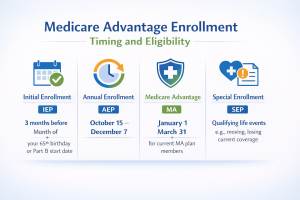
Kaiser Permanente Medicare Advantage Enrollment Periods
Navigating the enrollment periods for Kaiser Permanente Medicare Advantage plans is crucial for maximizing coverage and benefits. Understanding the specific timing of these enrollment periods alongside eligibility criteria is key for both new enrollees and those considering changes to their existing health plan. For individuals exploring Kaiser Foundation Health Plan options, knowing when to enroll or switch plans ensures seamless access to Kaiser Permanente services and benefits tailored to their healthcare needs.
Key Dates for Enrollment and Changes
Timing is a critical factor when considering enrollment in a Kaiser Permanente Medicare Advantage plan. Each year, individuals have specific windows for joining, switching, or dropping plans, making it essential to mark these dates on your calendar to ensure optimal coverage. Knowing the key enrollment dates helps streamline the process for Medicare beneficiaries navigating the different options and ensuring comprehensive access to Kaiser Foundation Health services.
The Initial Enrollment Period (IEP) is the first pivotal window. This period starts three months before you turn 65, includes the month of your birthday, and extends three months after. During this time, enrolling in a Medicare Advantage plan like those offered by Kaiser Permanente can be highly beneficial, especially if you want to integrate Parts A, B, and typically D into a single managed care plan. For those already receiving disability benefits, the enrollment timing may differ slightly, usually aligning with the 25th month of receiving those benefits.
For ongoing Medicare beneficiaries, the Annual Enrollment Period (AEP) runs from October 15 to December 7 each year. This period is crucial for those already enrolled who wish to switch to a Kaiser Permanente Medicare Advantage plan, change from an existing Advantage plan back to Original Medicare, or enroll in a Medicare Part D plan. Making changes during this time ensures that your coverage effectively meets your healthcare needs for the coming year and utilizes Kaiser Permanente’s comprehensive health plan packages.
Another important window is the Medicare Advantage Open Enrollment Period (OEP), running from January 1 to March 31. This period is exclusively for beneficiaries currently enrolled in a Medicare Advantage plan and offers a chance to make one change, such as switching to another Kaiser Permanente Advantage plan or reverting to Original Medicare. This flexibility allows beneficiaries to assess whether their current plan is working best as anticipated and make strategic changes accordingly.
Special Enrollment Periods (SEPs) also play a significant role, as they provide opportunities to change plans outside the standard enrollment periods under specific conditions. SEPs can be triggered by life events such as moving out of a plan’s service area, losing other health coverage, or qualifying for extra help with prescription drug costs. For Kaiser Medicare Advantage plans, understanding these SEPs ensures that enrollees don’t face gaps in coverage due to unforeseen circumstances.
Being aware of these specific enrollment periods helps beneficiaries make informed decisions about their healthcare coverage options. For those considering Kaiser Permanente’s plans, aligning enrollment with these key dates can maximize the access and advantages offered by the Kaiser Foundation Health Plan’s integrated systems.
Eligibility Criteria for Kaiser Permanente Medicare Plans
Understanding the eligibility criteria for enrolling in a Kaiser Permanente Medicare Advantage plan is essential for those planning their healthcare journey. By meeting these criteria, individuals can seamlessly transition into a comprehensive plan that integrates various aspects of healthcare coverage under Kaiser Permanente’s well-coordinated system. Knowing these requirements ensures you’re well-prepared to take full advantage of what Kaiser Foundation Health plans offer.
To begin with, eligibility for any Medicare Advantage plan, including those offered by Kaiser Permanente, generally requires enrollment in both Medicare Parts A and B. Original Medicare forms the foundational prerequisite for shifting to an Advantage plan, which typically encompasses additional benefits and potentially lower out-of-pocket costs. This means if you’re considering a move to a Kaiser Permanente Senior Advantage plan, confirming that you have both Part A and Part B coverage is your first step.
Residency is another critical factor. You must reside within the service area of the Kaiser Permanente plan you wish to enroll in. Kaiser’s service areas can vary widely and are often more concentrated in states where Kaiser has established its own hospitals and medical centers. This proximity to Kaiser services not only ensures that enrollees have immediate access to care but also aligns with the plan’s designed efficiency of service delivery through their Permanente Medical Groups.
Furthermore, unlike some plans that may have strict medical underwriting requirements, Kaiser Permanente Medicare Advantage plans typically do not require medical underwriting for new enrollments during standard enrollment periods. This allows most Medicare beneficiaries to qualify, regardless of pre-existing conditions, ensuring that those who most need comprehensive care have accessible options.
There’s also the consideration of dual eligibility for Medicare and Medicaid, where individuals may qualify for special plans that integrate benefits from both programs. This dual eligibility status can open doors for tailored Advantage plan options under Kaiser’s system, allowing for a seamless blending of state and federal healthcare resources. Understanding these specialized criteria and their implications helps beneficiaries maximize their benefits under a consolidated care framework.
Kaiser Permanente also offers additional resources and support for those eligible for their Medicare Advantage programs. These include personalized healthcare coaching, chronic disease management initiatives, and access to wellness programs designed explicitly for seniors. These additional benefits underscore the importance of aligning with Kaiser Permanente Senior Advantage plans that cater to specific health and wellness needs, highlighting why understanding eligibility is fundamental to an informed enrollment.
Eligibility for Kaiser Medicare plans relies on a clear understanding of both general Medicare requirements and the specific criteria linked to Kaiser’s service areas. Being proactive about meeting these requirements enables you to make well-informed decisions that lead to comprehensive, coordinated healthcare coverage, enhancing your overall healthcare experience.
| Enrollment Period | Start Date | End Date | Eligibility | Actions |
|---|---|---|---|---|
| Initial Enrollment Period (IEP) | 3 months before 65th birthday | 3 months after 65th birthday | Turning 65 years old and newly eligible for Medicare | Select a Medicare Advantage plan |
| Annual Enrollment Period (AEP) | October 15 | December 7 | Current beneficiaries wishing to change plans | Switch or drop a plan |
| Medicare Advantage Open Enrollment Period (OEP) | January 1 | March 31 | Current Medicare Advantage plan holders | Switch Medicare Advantage plans or revert to Original Medicare |
| Special Enrollment Period (SEP) | Variable | Variable | Qualifying circumstances, such as moving out of the service area | Make changes based on eligibility |
This table highlights the essential enrollment periods and eligibility criteria for maximizing benefits under Kaiser Permanente Medicare Advantage plans.
Comparing Kaiser Permanente Plans by Location
Exploring Kaiser Permanente Medicare Advantage plans requires understanding the geographical variations in offerings. Different locations can significantly impact plan availability, benefits, and costs, as Kaiser Foundation Health adapts its services to meet local needs. By assessing these regional differences, Medicare beneficiaries can tailor their healthcare plans to suit their unique circumstances while maximizing the benefits of Kaiser Permanente’s comprehensive coverage options.

Using the Medicare Plans Finder Tool for Local Options
One of the most effective ways to navigate the multitude of Kaiser Permanente Senior Advantage plans across various locations is to utilize the MedicarePartCPlans.org free plans finder tool. This invaluable resource provides a comprehensive view of the different Kaiser Medicare Advantage plans available in your area, highlighting the unique benefits and services that vary by location. Understanding how regional differences affect plan offerings is crucial in ensuring that Medicare beneficiaries select a plan that best aligns with their healthcare needs and financial considerations.
Kaiser Permanente’s Senior Advantage plans are particularly known for their integration of services, with offerings that can differ significantly from one region to another. For instance, a location with a substantial presence of Kaiser Foundation Health hospitals and Permanente medical groups might offer more affordable plans with enhanced coordination of care compared to areas with fewer Kaiser facilities. This is where the plans finder tool becomes instrumental; it provides detailed cost details, helping beneficiaries compare the premiums, deductibles, co-pays, and the overall scope of services specific to their locality.
Moreover, the Medicare plans finder tool is designed to cater to diverse preferences, whether it’s focusing on lower costs or more comprehensive service packages. It lets users sort through various Kaiser Permanente advantage plans by filtering options based on preferred healthcare services, anticipated medical needs, and desired benefits such as dental, vision, or prescription drug coverage. This allows for a tailored approach to selecting a plan that meets personal health goals while staying within budget.
Another critical aspect of using the plan finder is its ability to streamline the comparison process. Given the complexity of Medicare Advantage plans and the numerous factors affecting costs and coverage, having a tool that consolidates information and presents it clearly reduces the potential for confusion and enhances decision-making. By feeding in specifics such as your location, anticipated healthcare usage, and preferences for additional benefits, the tool generates a list of options from Kaiser Permanente that includes detailed cost breakdowns and benefit descriptions.
For Medicare beneficiaries new to Kaiser, the plan finder tool also serves as an educational platform. It introduces them to how Kaiser Permanente integrates services and explains the role of the Permanente Medical Group in providing coordinated care. By learning through this interactive tool, users gain insights into the overall advantages of enrolling in a Kaiser Medicare Advantage plan, emphasizing aspects such as preventive care and wellness benefits tailored for seniors.
In summary, the MedicarePartCPlans.org plans finder tool stands as a crucial aid for anyone looking to explore Kaiser Permanente Medicare Advantage plans. It not only highlights local options with precision but also guides users in making educated, cost-effective choices. Utilizing this tool ensures that beneficiaries can access Kaiser Permanente’s comprehensive health plan offerings tailored precisely to their location and needs, optimizing their Medicare coverage experience.
Navigating the landscape of Kaiser Medicare Advantage plans in 2027 requires understanding the range of plan costs and coverage options that can vary by location and individual needs. With monthly premiums and benefits distinctively tailored, enrollees are encouraged to evaluate how each plan fits their personal healthcare and financial circumstances. By utilizing MedicarePartCPlans.org’s tools and resources, beneficiaries can effectively compare the nuances of Kaiser Medicare Advantage plans, aiding in an informed decision that aligns with their specific healthcare requirements. Stay informed and make decisions that best suit your Medicare needs with confidence and clarity.
Compare plans and enroll online
Frequently Asked Questions
What is Kaiser Medicare Advantage, and how does it differ from traditional Medicare?
Kaiser Medicare Advantage, also known as Medicare Part C, combines Medicare Parts A and B, and often Part D, into a single plan provided through private insurers like Kaiser. It offers integrated care with additional benefits beyond Original Medicare, often with coordinated services through Permanente Medical Groups. Understanding these features helps beneficiaries choose suitable coverage based on their healthcare needs.
How do Kaiser Medicare Advantage plans integrate various healthcare services?
Kaiser Medicare Advantage plans offer comprehensive coverage by integrating hospital, medical, and often prescription drug services into a single package. This integration is supported by coordinating care through Permanente Medical Groups, ensuring seamless care delivery and preventive services for beneficiaries.
What factors influence the cost of Kaiser Medicare Advantage plans in 2027?
Costs for Kaiser Medicare Advantage plans vary by location, individual health needs, and specific plan features. Factors influencing costs include monthly premiums, out-of-pocket expenses, and services needed for chronic conditions. Using resources like MedicarePartCPlans.org can help compare plan costs effectively.
What role do Permanente Medical Groups play in Kaiser Medicare Advantage plans?
Permanente Medical Groups are critical to Kaiser Medicare Advantage plans by providing coordinated health services delivery within the Kaiser system. This approach enhances care efficiency, minimizes redundant treatments, and promotes patient-centered care, particularly beneficial for managing chronic conditions.
How can Medicare beneficiaries utilize MedicarePartCPlans.org tools to explore Kaiser plans?
MedicarePartCPlans.org offers a free plans finder tool to compare Kaiser Medicare Advantage options based on location. This tool helps beneficiaries assess plan benefits, costs, and services, making informed decisions on coverage that aligns with personal healthcare needs and financial considerations.
Have Questions?
Speak with a licensed insurance agent
1-877-436-2343
TTY users 711
Mon-Fri: 8am-9pm ET
Find & Compare Plans Online
ZRN Health & Financial Services, LLC, a Texas limited liability company