Navigating the process of enrolling in Medicare Advantage for 2027 can seem daunting, but understanding the steps involved makes it more manageable. Whether you’re new to Medicare or considering switching from Original Medicare, this guide offers essential insights into enrollment periods, eligibility criteria, and how to evaluate available plans that align with your healthcare needs. Explore your Medicare Advantage options to ensure comprehensive coverage, while utilizing our free Medicare plans finder tool to simplify your decision-making process. Let’s delve into the specifics of Medicare Advantage enrollment to help you make an informed choice for the year ahead.







How to Enroll in Medicare Advantage for 2027
Key Highlights
- Medicare Advantage plans provide an alternative to receive Medicare benefits, often including Part D and additional services.
- Enrollment in Medicare Advantage can offer comprehensive coverage, including vision, dental, and prescription drugs.
- The annual open enrollment period from October 15 to December 7 allows changes to Medicare Advantage plans.
- Using the Medicare plans finder tool can help compare plans by location, network, and coverage options.
- Eligibility for Medicare Advantage requires enrollment in Medicare Parts A and B and living in the plan’s service area.
Compare plans and enroll online
Understanding Medicare Advantage for 2027
As we approach 2027, understanding Medicare Advantage becomes crucial for those eligible for Medicare. Medicare Advantage plans, also known as Medicare Part C, offer an alternative way to receive your Medicare benefits. These plans are provided by private insurance companies and are approved by Medicare. They combine Medicare Part A (hospital insurance) and Part B (medical insurance), often including Part D (prescription drug coverage) and additional benefits. In this section, we’ll explore what exactly Medicare Advantage is and the key benefits these plans can offer to eligible individuals.

What is Medicare Advantage?
Medicare Advantage, or Medicare Part C, is a health plan option offered by private insurance companies that are approved by Medicare. These plans offer a way to receive all your Medicare Part A and Part B benefits through a private plan rather than the federal government. What sets Medicare Advantage apart is its comprehensive nature. Most advantage plans include additional health benefits that traditional Medicare doesn’t cover, such as dental care, vision, hearing, and sometimes even fitness programs like gym memberships. This makes Medicare Advantage a more inclusive choice for comprehensive health coverage in 2027.
Each Medicare Advantage plan, or advantage plan, provides hospital insurance through Medicare Part A and medical insurance through Part B, while many also offer prescription drug coverage, which is a convenience not generally included in original Medicare without a separate Part D plan. This bundling of services often leads to increased convenience for beneficiaries, as all the different areas of coverage are managed under one plan.
Moreover, Medicare Advantage plans may come with different health maintenance organization (HMO) or preferred provider organization (PPO) structures, influencing how you access healthcare services and specialists. It’s important to consider whether you prefer the flexibility and wider provider network of a PPO or the cost efficiencies typically associated with an HMO plan. Additionally, you might need referrals for specialists depending on your insurance plan’s rules, although this varies.
The availability and nature of Medicare Advantage plans can vary widely by location, so it’s essential to use tools like the free Medicare plans finder tool offered by MedicarePartCPlans.org to compare the specific plan options available in your area. The flexibility and variety in coverage make Medicare Advantage a popular choice among Medicare beneficiaries, offering a valuable complement to the standard Medicare benefits.
Key Benefits of Medicare Advantage Plans
When weighing the benefits of selecting a Medicare Advantage plan for 2027, several key features stand out. First, many of these plans offer additional benefits beyond what original Medicare typically provides. This can include crucial health services such as vision, hearing, and dental coverage, which can significantly enhance your overall health insurance coverage. These extended benefits cater to comprehensive health needs that are especially important for Medicare beneficiaries who wish to maintain their quality of life and overall health.
Another significant benefit of Medicare Advantage plans is cost predictability. Most Medicare Advantage plans offer max out-of-pocket limits for Part A and Part B services, which isn’t the case with traditional Medicare. This cap on out-of-pocket costs can offer peace of mind, as it reduces the financial risk associated with unexpected medical expenses and ensures that once you hit that limit, the plan covers the rest of your Medicare-covered services for the year. This feature adds a layer of financial predictability that can be appealing to those on fixed incomes.
Moreover, Medicare Advantage plans often come with integrated Part D prescription coverage, which consolidates your health and drug coverage under a single plan. This integration can simplify the management of your Medicare benefits, reducing the need to deal with multiple providers and potentially leading to better coordinated care across different health services. This can be highly beneficial in effectively managing ongoing prescription needs without the hassle of enrolling in separate prescription drug plans.
For those considering a Medicare Advantage plan for 2027, it’s essential to weigh these key benefits against your individual healthcare needs and financial situation. The right plan can not only offer comprehensive health coverage but also align with personal health priorities and budgetary constraints. Additionally, as you evaluate these options, using resources like MedicarePartCPlans.org can provide invaluable guidance in understanding your choices and navigating the complexities of Medicare Advantage options.
Navigating the Enrollment Period for Medicare Advantage
For those eligible for Medicare, understanding the enrollment period is vital to ensuring seamless coverage. The Medicare Advantage open enrollment period provides a key opportunity for beneficiaries to join or change their plans. As we approach 2027, it’s crucial to know not only the timeframe but also the steps needed to apply successfully. While the timing for the open enrollment period stays consistent, the nuances of enrollment can vary, making it essential to be well-prepared. Let’s dive into the specifics of the enrollment period and practical steps to ensure effective plan enrollment.
When is the Open Enrollment Period?
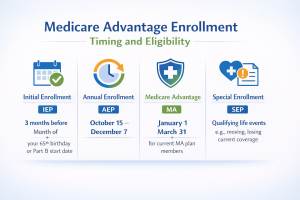
The Medicare Advantage open enrollment period is a crucial time for beneficiaries to make essential decisions about their healthcare coverage for 2027. This period typically runs from October 15 to December 7 each year, allowing you to join, switch, or drop a Medicare Advantage plan. Understanding the enrollment period’s timeline is vital because any changes you make during this time will impact your coverage starting January 1 of the following year. Knowing when you can make changes ensures you have access to the healthcare providers and benefits that best suit your needs.
During the open enrollment period, individuals eligible for Medicare have the opportunity to evaluate their current plan and consider enrolling in a new one. This could mean switching from one Medicare Advantage plan to another or moving from Original Medicare to a Medicare Advantage plan. It’s a time to review how your current plan meets your healthcare needs and to explore other plans that might offer better benefits or lower out-of-pocket costs. Many beneficiaries also use this time to join plans offering additional benefits like vision or dental coverage.
It’s important to consider changes in your personal health situation, plan details, and coverage needs as you prepare for open enrollment. Additionally, every year, the Centers for Medicare & Medicaid Services (CMS) reviews and possibly changes the rules that govern these plans. Therefore, staying informed about any potential updates for 2027 is beneficial. For those planning to apply, you’ll need to ensure your application aligns with any new rules or modifications CMS implements. Taking an early, proactive approach during the enrollment period can significantly smooth the process.
Navigating the open enrollment period requires attentiveness to deadlines and an understanding of how different plans work. Using resources like the Medicare plans finder tool can simplify the process of comparing plans based on your specific needs and location. This tool, available on websites like MedicarePartCPlans.org, helps identify plans that match your medical and financial requirements, ensuring that you are making informed choices about your Medicare Advantage plan for the upcoming year.
| Enrollment Timeframe | Key Actions | Considerations | Resources |
|---|---|---|---|
| January 1 – March 31: This is the Medicare Advantage open enrollment period. It allows beneficiaries to make changes to their Medicare Advantage plans or switch back to Original Medicare, emphasizing flexibility in coverage adjustments. | Review current Medicare Advantage plan details, compare other available plans, and decide whether to switch plans or revert to Original Medicare. Submit the necessary forms for any enrollment changes. | Evaluate coverage needs, such as anticipated healthcare services and prescription medications. Consider out-of-pocket costs, network restrictions, and plan ratings. Compare the current plan against other available options for better coverage. | Utilize the Medicare Plan Finder tool for comparison. Seek guidance from State Health Insurance Assistance Programs (SHIP) or consult with Medicare for assistance. Visit the official Medicare website for updates and detailed information. |
This table highlights the essential aspects of navigating the Medicare Advantage enrollment period, offering a concise overview of steps to ensure effective plan enrollment.
Find & Compare Plans Online
Steps to Ensure Effective Enrollment
Successfully navigating the Medicare Advantage enrollment period involves several essential steps to ensure you select the most suitable plan for 2027. First, review your current Medicare coverage and assess whether it meets your current and anticipated healthcare needs. Consider any changes in your health, medications, or financial situation that could influence your plan preferences. This is an important first step in identifying potential gaps in coverage or opportunities for better benefits, like prescription drug plans or supplementary health services.
Once you’ve identified your needs, the next step is to compare available Medicare Advantage plans. Utilize online resources like the free Medicare plans finder tool, especially designed to facilitate this process. This tool helps you evaluate plans based on location, provider networks, plan types, and coverage benefits, making it crucial for informed decision-making during open enrollment. Pay attention to details like in-network provider lists and plan ratings, which reflect customer satisfaction and plan performance.
After selecting a plan, you’ll need to gather the necessary information to complete the enrollment application. Ensure you have your Medicare number, your date of birth, the name of the plan you’re enrolling in, and any other needed identifiers. This preparation can avoid delays in processing your application. It’s also useful to double-check enrollment deadlines and confirm submission processes to prevent any last-minute issues. Many beneficiaries find it helpful to set reminders and use checklists to track each step of the enrollment process.
Finally, don’t hesitate to seek support if needed. Whether you’re helping a loved one or applying for yourself, assistance from Medicare advisors or using resources available on MedicarePartCPlans.org can be invaluable. These resources are tailored to address common questions and clarify complex regulations related to Medicare Advantage enrollment. Being well-prepared and informed can lead to a smoother enrollment experience during this critical period, setting the stage for a year of effective healthcare coverage.
How to Compare Plans by Location and Coverage
Comparing Medicare Advantage plans by location and coverage requires a methodical approach to ensure you find the plan that best meets your needs. Different areas offer various Medicare plans, and understanding the coverage nuances is crucial for making informed decisions. By utilizing effective tools and considering several factors, you can navigate this process more confidently. Let’s explore how to use the Medicare plans finder tool effectively and which key factors should guide your Medicare plan comparison.
Using the Medicare Plans Finder Tool
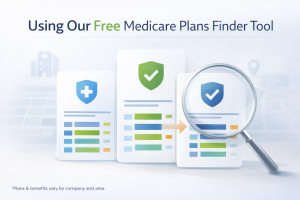
The Medicare plans finder tool stands out as an indispensable resource for beneficiaries eager to compare plans by location and coverage. With healthcare offerings varying significantly from one region to another, this tool allows users to pinpoint specific Medicare plans available in their designated area. By leveraging the search capabilities of platforms like MedicarePartCPlans.org, you can efficiently find plans that align with your medical needs and budgetary constraints.
One of the most beneficial aspects of the Medicare plans finder tool is its ability to offer a comprehensive view of coverage options. When you enter specific details such as your ZIP code, current health conditions, and preferred benefits, the tool displays a tailored list of available Medicare Advantage plans. This feature is particularly valuable because it allows you to evaluate plans against factors like network size, including preferred providers and hospitals within your insurance network.
Furthermore, this comparison tool provides insights into the coverage each plan offers, such as health and drug benefits, which can significantly affect your decision-making. For those who require specific medications, understanding how different plans cover drug expenses is critical. You can assess whether plans offer drug coverage by examining copayment structures, formulary lists, and any available drug price caps. This level of detail can enhance your ability to make an informed choice about which Medicare plan offers the most comprehensive support for your health needs.
Beyond functionality, using the tool helps simplify complex decisions by highlighting plan ratings. Each plan is rated based on criteria such as beneficiary satisfaction, efficiency in claim processing, and quality of care. These ratings, often provided by the Centers for Medicare & Medicaid Services (CMS), offer a benchmark for comparing how plans stand up to industry standards. By taking advantage of the Medicare plans finder tool, you streamline the search process and increase your proficiency in finding the best-suited Medicare Advantage option for 2027.
To further enhance your understanding and use of the Medicare plans finder tool, consider these essential tips for optimizing your search:
- Enter accurate personal details for precise plan matches.
- Explore all plan types to find diverse coverage features.
- Review network providers to ensure essential access to doctors and hospitals.
- Compare out-of-pocket costs for better financial planning.
- Cross-check formulary lists for essential medication coverage.
- Utilize plan ratings for quality assessments and informed selections.
- Leverage user guides and tutorials for improved tool navigation.
By employing these strategies, you can maximize the effectiveness of the Medicare plans finder, ensuring an informed and smooth decision-making process.
Factors to Consider When Comparing Plans
When it comes to comparing Medicare Advantage plans, several factors should be taken into account to ensure the selected plan provides adequate coverage. Start by evaluating the range of services each plan offers. Plans can vary widely in coverage details, including whether they include benefits like vision, dental, or fitness programs. Assessing these benefits alongside general medical coverage allows for a more comprehensive comparison.
Another essential component of the decision-making process is understanding the network structure, particularly whether a plan operates as a Health Maintenance Organization (HMO) or a Preferred Provider Organization (PPO). HMOs typically require choosing healthcare providers within a predetermined network and might need referrals for specialist care. In contrast, PPOs usually offer more flexibility with an extensive network of healthcare providers. Determining your preference for either option can be pivotal, particularly if maintaining access to specific doctors or hospitals is a priority.
Financial considerations should also guide plan comparisons. Examine each plan’s premiums, deductibles, and out-of-pocket maximums. Medicare Advantage plans often feature lower premiums compared to supplemental Medigap insurance but might have varying cost-sharing structures. Knowing the financial implications, like maximum out-of-pocket limits, can help mitigate unexpected expenses and provide predictability in future healthcare spending.
Consider potential changes in your healthcare needs as you age. For some beneficiaries, having integrated drug coverage could be a high priority, while others may prioritize extended medical services. Align these preferences with your health projections to ensure the plan you choose faithfully supports both current needs and anticipates future healthcare demands. Such foresight ensures that your Medicare Advantage plan continues to be beneficial as personal circumstances evolve.
Ultimately, making an informed decision relies on a combination of personal evaluation and strategic use of resources, such as those provided by MedicarePartCPlans.org. By paying careful attention to plan specifics, you ensure that the Medicare coverage meets your health expectations and financial goals, providing a strong foundation for effective healthcare management in 2027.
Eligibility and Requirements for Medicare Advantage
Understanding who can enroll in Medicare Advantage is essential for beneficiaries planning their healthcare coverage for 2027. Medicare Advantage plans, part of Medicare Part C, offer an alternative to Original Medicare and are available to those who meet certain criteria. Generally, to be eligible, you must already be enrolled in Medicare Part A and Part B. This basic requirement ensures that beneficiaries have their hospital and medical insurance bases covered before moving to a Medicare Advantage plan.
Other essential requirements include living in the plan’s service area and not having end-stage renal disease (ESRD), although there are exceptions. Since Medicare Advantage plans are offered by private insurance companies that work within a defined network, residing within the plan’s service area is crucial. This network can include specific doctors and hospitals, and beneficiaries must ensure that their preferred providers are within the network to maximize their benefits. For those under specific circumstances, like individuals with ESRD, enrollment options exist, primarily through certain Medicare Advantage plans specially designed to include comprehensive care needs.
The Centers for Medicare & Medicaid Services (CMS) oversees these plans, ensuring they meet federal guidelines. Enrollment windows also play a critical role. The Initial Enrollment Period, specific to individuals turning 65, lasts seven months: three months before the month you turn 65, your birthday month, and three months after. During this time, you can apply for a Medicare Advantage plan without running into penalties or restrictions. Beneficiaries already enrolled can make changes during the Medicare open enrollment period from October 15 to December 7 each year.
Mistakes during the Medicare Advantage enrollment periods can lead to coverage gaps or unexpected out-of-pocket expenses, so preparedness is paramount. For those helping loved ones or managing their own Medicare plan, resources like MedicarePartCPlans.org offer tools to compare plans by location, accommodating network preferences and plan availability. As each plan varies by area, leveraging these resources ensures your healthcare coverage aligns with personal health needs and budgets. All these elements should be considered when determining your eligibility and fulfilling the requirements to enroll in a Medicare Advantage plan.
As you prepare for your journey into Medicare Advantage for 2027, remember that understanding your unique healthcare needs is crucial. Comparing different plans based on coverage, costs, and provider networks can help you make informed decisions. Additionally, consulting with a trusted resource or using tools like our free Medicare plans finder can provide valuable insights. As enrollment approaches, take the time to review all available options and ensure the choice you make aligns with your healthcare priorities and financial situation.
Compare plans and enroll online
Frequently Asked Questions
What is Medicare Advantage, also known as Medicare Part C?
Medicare Advantage, or Medicare Part C, is a health plan offered by private insurance companies approved by Medicare. These plans combine Medicare Part A (hospital insurance) and Part B (medical insurance) and often include Part D (prescription drug coverage) and other benefits like vision, dental, and hearing services.
How do I become eligible for a Medicare Advantage plan?
To be eligible for Medicare Advantage, you must be enrolled in Medicare Parts A and B, reside in the plan’s service area, and not have end-stage renal disease (with some exceptions). Eligibility requirements ensure beneficiaries have their hospital and medical insurance covered before switching to Medicare Advantage.
What is the timeframe for enrolling in Medicare Advantage plans?
The annual open enrollment period for Medicare Advantage runs from October 15 to December 7. During this time, beneficiaries can join, switch, or drop Medicare Advantage plans, with any changes effective January 1 of the following year.
How can the Medicare plans finder tool assist me in selecting a plan?
The Medicare plans finder tool helps you compare available Medicare Advantage plans in your area based on location, coverage options, and network preferences. By entering your ZIP code and health details, you receive a tailored list of plans to match your medical and budgetary needs.
What additional benefits do Medicare Advantage plans offer?
Medicare Advantage plans often include additional benefits such as vision, dental, and hearing coverage, which are not typically covered by Original Medicare. These plans may also provide services like fitness programs and integrated Part D prescription coverage, offering broader healthcare services.
Have Questions?
Speak with a licensed insurance agent
1-877-436-2343
TTY users 711
Mon-Fri: 8am-9pm ET
Find & Compare Plans Online
ZRN Health & Financial Services, LLC, a Texas limited liability company