How to Get Medicare Part C 2027

Exploring Medicare Part C 2027, commonly known as Medicare Advantage, offers beneficiaries an integrated alternative to traditional Medicare. These plans are designed to encompass Part A and Part B benefits, often with added perks such as dental or vision care.

This guide delves into the process of acquiring Medicare Part C coverage, offering insights to help you navigate options based on specific health needs and preferences.

Understanding the enrollment steps and available plan types equips you with the knowledge needed to make informed decisions regarding your Medicare coverage, all while considering how these plans align with individual healthcare requirements.

Key Highlights

  • Medicare Advantage offers integrated alternatives with added benefits beyond standard Medicare coverage.
  • Plans vary by region; tools help compare local options and maximize benefits.
  • Timing is crucial for enrollment; knowing periods avoids coverage gaps or penalties.
  • Costs differ by plan type; assess personal health needs for best financial fit.
  • Utilize Medicare plan finder tools for well-informed decisions on plan selection.

Compare plans and enroll online

Understanding Medicare Part C and Medicare Advantage Plans

Medicare Part C, or Medicare Advantage, provides an alternative to Original Medicare by bundling health coverage options. These plans offer a range of benefits beyond standard Part A and Part B coverage.

For those qualifying for Medicare, understanding the nuances of Medicare Advantage plans can be essential for making informed decisions. These 2027 Medicare Part C plans often include additional benefits like dental, vision, and prescription drug coverage, making them a comprehensive healthcare option.

This section delves into the nature of Medicare Part C and the range of Medicare Advantage plans available, helping you grasp their potential benefits and coverage implications.

Understanding Medicare Part C and Medicare Advantage Plans

What is Medicare Part C?

Medicare Part C, commonly known as Medicare Advantage, allows beneficiaries to receive Medicare-covered services through private health plans. These advantage plans are required to provide the same benefits as Medicare Part A (hospital coverage) and Medicare Part B (medical coverage), while often offering additional benefits such as prescription drug coverage.

The flexibility of Medicare Advantage plans makes them appealing to many, as they can offer tailored health insurance options suited to individual needs. By opting for a Medicare Advantage plan, enrollees also gain access to coordinated healthcare, which can result in better health management and preventive care. It’s important to compare various plans to understand how specific coverage and costs align with personal health requirements.

Overview of Medicare Advantage Plans

Medicare Advantage plans not only cover the basics found in Original Medicare but also often extend coverage to areas like vision and dental, making them an attractive option. These plans operate through private insurers, who have contracts with Medicare to provide a range of health benefits.

Advantage plans often include managed care options such as HMOs and PPOs, which offer lower premiums and expanded benefits than traditional Medicare.

However, beneficiaries should consider network restrictions and potential out-of-pocket costs. Understanding coverage, health benefits, and insurance terms is essential to selecting the right Medicare Advantage plan.

With so many options available, utilizing resources like the Medicare plans finder tool on MedicarePartCPlans.org can assist in making evidence-based decisions that fit specific healthcare needs and lifestyle preferences.

Comparing Medicare Advantage Plans by Location

When it comes to choosing Medicare Advantage plans, your location plays a crucial role. The availability of these plans varies by region, as local insurers design plans that cater to specific areas and populations.

Understanding regional differences helps you make informed decisions about which advantage plan suits your needs. Comparing plans by location involves evaluating the benefits, coverage options, and costs associated with each plan available in your area.

Utilizing tools like the Medicare Advantage Plans Finder Tool can streamline this process, allowing individuals to find plans that meet their unique health requirements and maximize their benefits based on their local availability.

How to Use the Medicare Advantage Plans Finder Tool

To navigate the array of Medicare Advantage plans effectively, the Medicare Advantage Plans Finder Tool can be a valuable asset. This tool, available on platforms like Medicare.gov/plan-compare and MedicarePartCPlans.org, helps Medicare beneficiaries compare different Advantage plans offered in their area by entering their ZIP code.

The tool provides details on plan types, benefits, coverage options, and insurance premiums. To maximize its use, enter your specific health needs and preferences, which will highlight plans that offer relevant benefits such as prescription drug coverage or lower copayments for preferred services.

This ensures you find plans tailored to your medical needs and financial capabilities. Exploring this tool empowers you to make informed decisions, enhancing your satisfaction with your Medicare Advantage selection.

To continue exploring the benefits of using the Medicare Advantage Plans Finder Tool, consider these practical tips to enhance your plan comparison experience:

  • Ensure your personal and medical information is up-to-date for accurate plan suggestions.
  • Utilize filters to narrow down plans based on specific needs and preferences.
  • Review plan ratings and reviews for insights from other beneficiaries.
  • Save and compare favorite plans for easy reference during decision-making.
  • Check for any additional perks like wellness programs or fitness memberships.
  • Revisit the tool regularly during open enrollment periods for updated options.

By following these strategies, you’ll be better equipped to navigate Medicare Advantage plans with confidence.

Find & Compare Plans Online

Speak with a licensed insurance agent

1-877-436-2343TTY 711

Mon-Fri: 8am-9pm ET

Factors to Consider Based on Coverage Needs

When evaluating Medicare Advantage plans, understanding your specific coverage needs is essential. Several factors should be considered to find the right plan for you. First, assess health and coverage requirements, such as medical conditions or medications, to ensure the plan includes needed services.

Look at the network of doctors and hospitals and ensure your preferred healthcare providers are included. Additionally, consider potential out-of-pocket costs like copayments, deductibles, and premiums, as these vary significantly between plans. Your location, lifestyle, and whether you need additional benefits like vision or dental also impact the plan choice.

By factoring in these elements, you can select a plan that not only covers your current healthcare needs but also anticipates future requirements efficiently. Exploring all these factors alongside using tools and services like those found on MedicarePartCPlans.org helps individuals maximize their Medicare Advantage health coverage.

Enrollment Rules for Medicare Advantage

Enrolling in Medicare Advantage plans, also known as Medicare Part C, involves understanding specific rules and timelines crucial for ensuring seamless coverage. These rules revolve around defined enrollment periods, each with unique qualifications and restrictions.

Knowing when to join or switch plans can significantly impact your healthcare benefits and costs. This section explores the key aspects of Medicare Advantage enrollment, including timing, eligibility, and how these plans integrate with other Medicare services.

As an educational tool from MedicarePartCPlans.org, we aim to help beneficiaries navigate this process easily, aligning with their healthcare and financial needs.

Key Enrollment Periods for Medicare Advantage Plans

Key Enrollment Periods for Medicare Advantage Plans

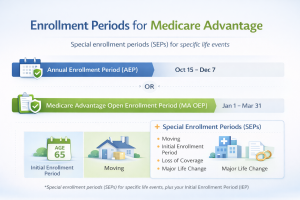
Understanding the enrollment period for Medicare Advantage is vital for deciding when to join or switch plans. The Initial Enrollment Period (IEP) is your first opportunity to sign up for a Medicare Advantage plan, occurring when you first become eligible for Medicare.

This period lasts seven months, starting three months before you turn 65, your birthday month, and three months after. The Annual Enrollment Period (AEP), from October 15 to December 7 each year, allows existing Medicare beneficiaries to change or join Advantage plans.

Additionally, Special Enrollment Periods (SEPs) may allow changes due to qualifying life events, such as moving or losing other healthcare coverage.

Each enrollment period has specific rules that determine eligibility based on your situation. It’s essential to understand these periods to avoid penalties or lapses in coverage. For example, if you miss enrolling during the IEP, you generally have to wait until the AEP. However, SEPs provide flexibility if certain conditions apply, which can be a safeguard for maintaining continuous coverage.

Beneficiaries must review their current plan annually during the AEP to ensure it still meets coverage needs, considering network changes or cost variations. Leveraging resources like the Medicare plans finder tool on MedicarePartCPlans.org can facilitate this process, helping you find plans aligned with both your medical needs and location.


Enrollment Period Duration Eligibility Criteria Opportunities Key Actions
Initial Enrollment Period (IEP) 7 months (3 months before, the month of, and 3 months after turning 65) Turning 65 or qualifying under special conditions First chance to enroll in Medicare Advantage Determine eligibility and compare available plans
Annual Enrollment Period (AEP) October 15 – December 7 Existing Medicare beneficiaries Switch plans, join Medicare Advantage, or return to Original Medicare Review current coverage and make necessary changes
Medicare Advantage Open Enrollment Period (OEP) January 1 – March 31 Current Medicare Advantage plan members Switch Medicare Advantage plans or return to Original Medicare Evaluate plan performance and decide on potential changes
Special Enrollment Period (SEP) Variable (based on qualifying events) Specific life events (e.g., moving out of the plan area, loss of coverage) Opportunity to enroll or change plans outside standard periods Verify qualifying event and choose or adjust plans accordingly

This table outlines crucial enrollment periods for Medicare Advantage, highlighting their unique features and the importance of understanding each to maintain optimal healthcare coverage.

Breaking Down the Costs of Medicare Advantage Plans

Understanding the costs of Medicare Advantage plans is crucial for making informed healthcare decisions. These costs can vary greatly depending on the type of advantage plan you choose and your personal health coverage needs. It’s essential to examine elements such as premiums, copayments, deductibles, and out-of-pocket maximums when comparing plans.

Medicare Advantage plans are designed to offer comprehensive health insurance options that align with diverse benefits. Exploring the cost structure of these plans helps clarify potential expenses and aids in selecting a plan that fits your budget and health requirements, ensuring you maximize the value of your Medicare coverage.

Understanding Costs and How They Vary by Advantage Plan

The cost of Medicare Advantage plans can differ based on several factors, including the specific type of Advantage plan chosen and regional variations in coverage. For instance, some plans might have higher premiums but offer lower out-of-pocket costs when accessing healthcare services, while others might focus on lower premiums with higher co-payment responsibilities.

The balance between these costs often depends on your personal health and financial situation, making it critical to assess these factors thoroughly. Every Medicare Advantage plan provides different benefit packages, which might influence the overall service cost by including additional coverage like vision, dental, or prescription drugs.

When looking at different advantage plans, it’s important to compare the outlined benefits against your predicted healthcare needs. Costs such as deductibles and co-payments can add up, especially when frequent medical services are required. Understanding the health insurance model of each Medicare Advantage plan helps in evaluating how these costs are applied.

The coverage network can also affect expenses, as seeing out-of-network providers typically results in higher costs. Utilizing tools like our Medicare plans finder tool on MedicarePartCPlans.org assists in identifying plans that balance costs with comprehensive coverage efficiently, ensuring you receive the benefits that align best with your healthcare demands.

Navigating Medicare Part C and Medicare Advantage Plans involves understanding the various options available to meet your healthcare needs. By researching different plans, evaluating benefits, and considering your individual circumstances, you can make an informed choice that aligns with your healthcare priorities. Explore our free Medicare plans finder tool to compare plans based on your location and coverage needs step-by-step.

Stay informed about enrollment periods and keep track of any changes in Medicare policies to optimize your healthcare coverage effectively. Taking these steps will empower you to make confident decisions regarding your Medicare Advantage options.


Compare plans and enroll online

Frequently Asked Questions

What is Medicare Advantage, also known as Medicare Part C?

Medicare Advantage, or Medicare Part C, is an integrated alternative to traditional Medicare. These plans combine Part A and Part B benefits and often offer additional perks like dental and vision care.

How do Medicare Advantage plans differ from Original Medicare?

Medicare Advantage plans provide the same benefits as Part A (hospital) and Part B (medical), while often including extra benefits such as prescription drug coverage, dental, and vision care that Original Medicare does not cover.

Why is timing important when enrolling in Medicare Advantage plans?

Enrollment timing is crucial because it affects your coverage and costs. There are specific periods for enrolling in or changing plans, such as the Initial Enrollment Period and the Annual Enrollment Period, which help avoid coverage gaps or penalties.

How can I compare different Medicare Advantage plans in my area?

Using plan finder tools is an efficient way to compare Medicare Advantage plans. Websites like MedicarePartCPlans.org offer tools where you can input your ZIP code and specific health needs to find and compare plans based on coverage options and costs.

What factors should I consider when selecting a Medicare Advantage plan?

Consider your health and coverage requirements, including any medical conditions or medications you need covered. Evaluate network options to ensure your preferred doctors are included. Also, assess potential out-of-pocket costs like copayments, deductibles, and premiums, which vary among plans.

Have Questions?

Speak with a licensed insurance agent

1-877-436-2343

TTY users 711

Mon-Fri: 8am-9pm ET

Find & Compare Plans Online

Speak with a licensed insurance agent

1-877-436-2343TTY 711

Mon-Fri: 8am-9pm ET

ZRN Health & Financial Services, LLC, a Texas limited liability company