Understanding how dialysis is covered by Medicare Advantage plans is crucial for beneficiaries with kidney disease looking for appropriate healthcare solutions. This page explores how these plans address dialysis services, supplies, and related costs, providing clarity on what to expect for those requiring continuous renal replacement therapy. Navigating Medicare coverage options can be complex, and this guide aims to offer essential information, helping you make informed decisions about your healthcare needs. Explore how Medicare Advantage plans differ from other Medicare options in terms of dialysis benefits, support, and financial implications.







Is Dialysis Covered by Medicare Advantage Plans?
Key Highlights
- Medicare Advantage plans cover dialysis services, including in-center and home treatments, with varying costs and network restrictions.
- Beneficiaries should compare Medicare Advantage plans using finder tools for tailored dialysis coverage and cost management.
- End-Stage Renal Disease (ESRD) patients have expanded access to Medicare Advantage plans with extra benefits like dental and vision coverage.
- Understanding plan networks is crucial for maintaining continuous care and managing costs associated with dialysis treatments.
- MedicarePartCPlans.org provides resources to navigate plan options, ensuring comprehensive kidney care coverage.
Compare plans and enroll online
Understanding Medicare Advantage and Its Coverage Options
As individuals approach Medicare eligibility, many choose to explore Medicare Advantage plans, also known as Part C. These plans offered by private insurance companies provide an all-in-one alternative to Original Medicare. Aimed at enhancing coverage, they often include benefits like vision, hearing, and dental care not found in Original Medicare. However, understanding what these plans cover, such as dialysis, and how they align with your existing health insurance needs is essential. Clarifying the advantages, including plan flexibility and potential cost savings, can help beneficiaries make informed choices suited to their medical and lifestyle requirements.
What Are Medicare Advantage Plans?
Medicare Advantage plans, frequently referred to as Part C, are health insurance options provided by private companies approved by Medicare. These plans encompass all the benefits of Medicare Part A and Part B, often with added perks like prescription drug coverage, dental, vision, and hearing. This managed care structure means these plans provide comprehensive plan coverage within a defined network of doctors and hospitals. When choosing an Advantage plan, it’s crucial to consider your health care needs, as plan options can vary significantly by location and provider network.
Eligibility for Medicare Advantage is comparable to Original Medicare, focusing on age and residency, with annual enrollment periods allowing beneficiaries to review and change their plans. One standout benefit of these plans is their flexibility; many beneficiaries appreciate the ability to tailor coverage to their specific health needs. Users can compare plans using valuable online tools from MedicarePartCPlans.org, ensuring they select options that fit both their medical requirements and budget constraints.
Notably, while Medicare Advantage can offer cost savings, understanding specific plan details, such as out-of-pocket costs and network limitations, is key. This understanding helps avoid unexpected expenses and ensures continuous access to preferred doctors within the chosen network. And while Medigap policies cannot be used with Medicare Advantage plans, considering potential supplement needs remains an important step in comprehensive health care planning.

Key Benefits of Choosing Medicare Advantage
The key benefits of selecting a Medicare Advantage plan include enhanced coverage options and financial incentives compared to Original Medicare. One major advantage is the inclusion of additional health insurance services like vision, dental, and hearing care, which are not usually covered by Parts A and B. Advantage plans often include prescription drug coverage, simplifying plan management by bringing most healthcare needs under a single insurance umbrella. For many, the cost savings potential is a compelling factor, often through lower premiums and out-of-pocket expenses compared to holding multiple standalone policies or Medigap coverage.
These plans aim to manage care efficiently, often emphasizing preventive services and personalized health support. The managed care structure means that enrollees need to consider plan networks for doctor choice, as seeing out-of-network providers might entail higher costs or reduced coverage. Careful comparison of plan networks, benefits, and personal health needs is advised, and tools for listing and comparing options by location can be highly beneficial. Enrollment in an advantage plan offers a streamlined approach to health coverage, accommodating regular check-ups and enabling access to a broad range of services.
Thus, Medicare Advantage plans can significantly impact a beneficiary’s healthcare satisfaction and financial planning, providing peace of mind through comprehensive, integrated benefits.
How Medicare Advantage Covers Dialysis
Dialysis is a crucial treatment for individuals with kidney disease, specifically End-Stage Renal Disease (ESRD), and understanding how advantage plans cover dialysis under Medicare Advantage is essential for beneficiaries. These plans, commonly known as Part C, often encompass a range of dialysis services, including both in-center and home dialysis treatments. While Original Medicare covers a significant portion of dialysis costs, Medicare Advantage plans can offer enhanced coverage options and additional benefits that are essential for those managing chronic kidney health conditions.
Moreover, it’s important to navigate how these plans manage costs, including premiums, out-of-pocket expenses, and network considerations, which can vary depending on location and plan provider.
Dialysis Treatment Options Available
For many dealing with kidney disease, particularly those with ESRD, dialysis treatments become a central part of managing health. Dialysis is a life-saving process that removes toxins and excess fluid from the blood when the kidneys are no longer functioning properly. Under Medicare Advantage plans, beneficiaries generally have access to dialysis treatment options such as in-center hemodialysis and peritoneal dialysis.
In-center hemodialysis is traditionally performed in a hospital or a dialysis center, where medical staff can closely monitor patients during treatment sessions. This method is highly structured, with sessions typically scheduled three times per week, each lasting around four hours. Medicare Advantage insurance plans often cover these treatments similarly to Original Medicare, albeit with potential network restrictions that might affect where services can be accessed.
Moreover, home dialysis options have become more accessible and attractive with Medicare Advantage plans. These include home hemodialysis and peritoneal dialysis, which allow patients to perform dialysis at home, offering greater flexibility and independence. Home dialysis provides several benefits, including convenience, a more flexible treatment schedule, and the possibility for more frequent but shorter treatment sessions, which may lead to improved overall health outcomes. Advantage plans typically provide coverage for home dialysis equipment and necessary supplies, as well as home dialysis training.
Beneficiaries should ensure they understand these aspects’ implications within their chosen plan’s network and any supplemental benefits that might assist in covering dialysis-related expenses. Those considering home dialysis should consult with their healthcare providers and insurance plan advisors to navigate the approval and reimbursement processes effectively.
Find & Compare Plans Online
Understanding Dialysis Costs with Medicare Advantage
Handling dialysis costs is a critical aspect of choosing the right Medicare Advantage plan. When considering dialysis coverage, beneficiaries need to grasp how Advantage plans manage expenses like premiums, copayments, and out-of-pocket costs associated with dialysis services. Typically, these plans provide coverage for dialysis similarly to Original Medicare; however, the specific costs can vary based on the chosen plan’s structure, network, and provider agreements. Understanding these differences is vital for those managing chronic kidney disease, as unexpected costs can quickly add up.
In general, Medicare Advantage plans pay for approved dialysis treatments, but beneficiaries may still face costs related to network providers, treatment types, and additional health services. Comparing plans using tools like the Medicare plans finder available at MedicarePartCPlans.org can be instrumental. This tool enables beneficiaries to evaluate options based on their specific location and dialysis needs, ensuring they select a plan that offers the right balance of coverage and cost management.
It’s crucial to look beyond just premiums; understanding deductibles, copayments, and any additional support services covered by Medicare Advantage plans can provide comprehensive dialysis coverage.
Furthermore, for those already undergoing dialysis treatments, switching to Medicare Advantage during open enrollment periods requires careful consideration of the plan’s network and its out-of-pocket costs. Patients should ensure that the plan they choose includes their preferred dialysis centers and any necessary specialists in the network, as using out-of-network providers often results in higher costs. Encouraging proactive plan assessments and comparisons aids Medicare beneficiaries in selecting covers that meet both their health care requirements and financial situations effectively.
Consider these critical factors when evaluating Medicare Advantage plans for dialysis coverage:
- Check if your preferred dialysis centers are within the plan’s network.
- Review the plan’s copayment structure for dialysis services and other treatments.
- Understand how the plan handles out-of-pocket maximums for dialysis care.
- Investigate whether additional services, like transportation to dialysis centers, are covered.
- Compare the plan’s premium costs along with other potential fees.
- Assess the availability of specialists within the plan network relevant to your condition.
- Analyze how changes in your health might affect the plan’s coverage and costs.
Balancing these aspects helps ensure you are well-prepared for financial responsibilities while maintaining necessary care.
Special Coverage Considerations for End-Stage Renal Disease
End-Stage Renal Disease (ESRD) poses unique challenges when it comes to Medicare coverage. For those suffering from this chronic kidney disease, understanding how ESRD affects health insurance choices is crucial. Individuals with ESRD typically require regular dialysis treatments, and this necessity influences their Medicare and Medicare Advantage options. While Original Medicare provides substantial coverage, there are special considerations, such as dialysis services and plan network restrictions, especially within Medicare Advantage plans. This section explores these nuances to help Medicare beneficiaries navigate their insurance landscape effectively.
How ESRD Affects Your Medicare Coverage Choices
End-Stage Renal Disease (ESRD) significantly impacts an individual’s Medicare coverage decisions due to the specific health care needs of those living with chronic kidney disease. This includes multiple regular dialysis sessions each week, making consistent and comprehensive coverage vital. For ESRD patients, Original Medicare has historically been the primary route, offering substantial coverage for dialysis treatments under Part B. Medicare Part A provides hospitalization coverage, while Part B covers outpatient services such as dialysis.
Together, these two parts meet many of the initial needs for kidney disease treatment. However, understanding how ESRD affects other options, such as Medicare Advantage, is important for individuals seeking more tailored coverage.
Previously, individuals with ESRD were generally limited in their ability to choose Medicare Advantage plans. Medicare Advantage, also known as Part C, is offered by private insurance companies and often includes benefits beyond Original Medicare. Changes now allow enrollment in Advantage plans even for those diagnosed with ESRD, offering the potential for expanded care options. This shift means that patients can now consider plans with additional benefits such as vision, dental, and hearing coverage, which can be crucial depending on individual health care requirements.
When assessing your Medicare coverage choices with ESRD, it’s essential to evaluate the networks of dialysis centers and doctors included in these plans. Each Advantage plan has specific coverage options that vary by location, potentially affecting where one can receive care. Ensure your preferred healthcare providers and dialysis centers are within the network to avoid additional out-of-pocket costs. Thus, leveraging tools like the Medicare Part C plan finder from MedicarePartCPlans.org to compare options based on your needs is invaluable. Ultimately, understanding your ESRD-related coverage choices can ensure you get the care you need without financial strain.
The Impact of End-Stage Renal Disease on Coverage Options
The progression to End-Stage Renal Disease results in distinct impacts on available Medicare coverage options. With ESRD, individuals experience not only a heightened need for frequent medical interventions but also a dynamic set of requirements from their health insurance to address these conditions comprehensively. ESRD necessitates continuous kidney care, making access to specialized providers and dialysis centers crucial. Medicare Advantage plans have begun embracing individuals with ESRD, which was a tough milestone due to prior restrictions.
This change expands the opportunities for beneficiaries to select plans that better align with their healthcare needs, such as encompassing dialysis services within their scoped network.
Those with ESRD often seek plans that can manage the costs of dialysis as well as other health-related expenses. It’s essential to consider the balance between premium costs, copayments, and the broader scope of network coverage. Medicare Advantage plans, for instance, offer various types of coverage that might cater to unique ESRD requirements in ways Original Medicare doesn’t, such as streamlined care coordination and extra benefits. Nonetheless, Medicare Advantage plans come with the stipulation that services are covered only if accessed through the plan’s network providers, underscoring the importance of choosing a plan with an adequate network.
The broader impact of ESRD on plan options is evident when considering the need for continuity of care, which is a significant factor in long-term health outcomes for kidney disease patients. Comparing plans’ coverage options and costs effectively, especially when it involves comprehensive kidney care and the inclusion of preferred dialysis centers, requires careful attention. Beneficiaries can use tools like those provided by MedicarePartCPlans.org to make informed decisions that ensure their coverage supports the right level of care for their chronic condition.
Adequate preparation and understanding of ESRD’s impact help patients navigate their journey through Medicare coverage options more effectively, ensuring they receive necessary treatments without unexpected financial burdens.
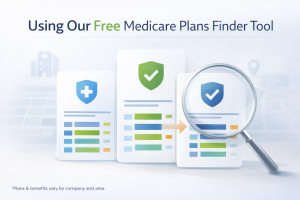
Using Medicare Plans Finder Tools
Finding the right Medicare Advantage plan is crucial, especially for those requiring dialysis treatment. Medicare plans finder tools simplify this process by allowing beneficiaries to compare coverage options tailored to their specific health needs, such as kidney care under Medicare Advantage plans. These tools offer insights into plan eligibility, enrollment periods, and the nuances of choosing the best-suited plan for managing conditions like End-Stage Renal Disease (ESRD). Explore how these resources can aid you in evaluating health insurance options to ensure comprehensive dialysis coverage.
| Key Features | Plan Comparison Criteria | Network Considerations | Enrollment Insights |
|---|---|---|---|
| Coverage Options | Premiums & Out-of-Pocket Costs | In-Network Providers | Enrollment Periods |
| Prescription Drug Coverage | Benefits and Accessibility | Specialist Access | Initial vs. Special Enrollment |
| Additional Benefits | Ratings & Reviews | Coverage Area | Eligibility Requirements |
This summary presents the fundamental aspects of evaluating Medicare Advantage options for dialysis patients, emphasizing the importance of thorough research to identify the most suitable plan.
How to Compare Medicare Advantage Plans for Kidney Care
Navigating the realm of Medicare Advantage plans can be daunting, particularly for beneficiaries focused on kidney care. Using a reliable Medicare plan finder tool is essential to compare the various plans available, especially considering factors such as dialysis coverage, plan options, and network inclusivity. MedicarePartCPlans.org offers an intuitive platform where you can compare plans tailored to your needs. With a specific focus on dialysis services, these tools bring clarity to the intricacies of health insurance coverage, helping to ensure that you or your loved ones are well-prepared to manage your healthcare needs effectively.
When comparing plans, start by understanding the coverage each Medicare Advantage plan offers. Each advantage plan can differ in how it handles costs associated with dialysis treatment, including premiums, copayments, and out-of-pocket expenses. Hence, a thorough plan comparison is necessary. You’ll want to identify whether your preferred dialysis centers and specialists are part of the plan’s network. This consideration helps avoid unexpected costs associated with out-of-network services, which can be significant when undergoing regular dialysis treatments.
Consider your eligibility and enrollment periods carefully, as these factors can impact your choice. Medicare rules allow you to shift to an advantage plan during specified enrollment periods, presenting opportunities to reevaluate and select a plan that better meets your evolving health care needs. For those with special needs, particularly those diagnosed with End-Stage Renal Disease, some plans may offer special needs plans (SNPs) designed to provide enhanced support for chronic care management. Exploring these options is crucial for ensuring comprehensive health insurance coverage.
Ultimately, leveraging a finder tool helps streamline this process, offering a detailed comparison of available plans against your medical and financial situation. Utilizing the comprehensive resources on MedicarePartCPlans.org can ease the complexity of navigating Medicare Advantage plans, helping beneficiaries focus on staying healthy rather than juggling insurance logistics. Ensure to weigh the balance of dialysis coverage, options, and related health insurance costs to make informed decisions about your Medicare Advantage plan.
Understanding how Medicare Advantage plans cover dialysis is vital for beneficiaries who require this essential medical service. These plans can offer comprehensive options for dialysis treatments, supplies, and related care at various facilities. However, since details vary between plans, it is crucial to review specific plan benefits, costs, and coverage in your area. By exploring the available options with the help of our resources at MedicarePartCPlans.org, you can make well-informed decisions that fit your health needs and financial situation, ensuring peace of mind regarding your dialysis care under Medicare Advantage.
Compare plans and enroll online
Frequently Asked Questions
What are the key benefits of Medicare Advantage plans?
Medicare Advantage plans, also known as Part C, offer enhanced coverage options compared to Original Medicare. They often include benefits like vision, dental, and hearing care not found in Parts A and B. These plans may also incorporate prescription drug coverage, streamlined management under a single plan, and potential cost savings on premiums and out-of-pocket expenses.
How do Medicare Advantage plans cover dialysis treatments?
Medicare Advantage plans typically cover dialysis, including in-center and home dialysis, much like Original Medicare, though with potential network restrictions. Beneficiaries should carefully examine plans to understand costs like premiums, copayments, and whether their preferred dialysis centers are within the plan’s network.
How can End-Stage Renal Disease (ESRD) patients access Medicare Advantage plans?
Patients with End-Stage Renal Disease (ESRD) can now enroll in Medicare Advantage plans, which may provide additional benefits like vision and dental coverage. Previously restricted, these patients now have more options, allowing them to choose plans that better meet their comprehensive health care needs.
What is the importance of understanding plan networks in Medicare Advantage?
Understanding plan networks is crucial for maintaining continuous care and managing costs, as most Medicare Advantage plans require using in-network providers for the best coverage. Ensure your preferred doctors, specialists, and dialysis centers are within the plan’s network to avoid unexpected expenses.
How can beneficiaries compare Medicare Advantage plans for dialysis coverage?
Beneficiaries can compare Medicare Advantage plans using online tools, like those available at MedicarePartCPlans.org, which help evaluate options based on location and health needs. These tools highlight plan costs, coverage details, and network providers, assisting users in making informed decisions tailored to their specific dialysis care requirements.
Have Questions?
Speak with a licensed insurance agent
1-877-436-2343
TTY users 711
Mon-Fri: 8am-9pm ET
Find & Compare Plans Online
ZRN Health & Financial Services, LLC, a Texas limited liability company