Understanding the differences between Medicare Supplement Plans in 2027, also known as Medigap, is crucial for those who want to make informed decisions about their healthcare coverage in 2027. Our comprehensive comparison chart provides a clear view of the various Medigap options available, outlining benefits, coverage levels, and potential costs. By examining each plan, you can better navigate the choices and find an option that aligns with your health needs and budget. Empower yourself with the knowledge to make smart Medicare decisions and explore the benefits these supplemental plans can offer.







Medicare Supplement Plans Comparison Chart 2027
Key Highlights
- Medigap plans cover healthcare costs not included in Original Medicare, aiding financial stability.
- Changes in Medigap benefits and costs anticipated in 2027 necessitate careful plan evaluation.
- Utilizing Medigap comparison charts helps assess plan benefits, premiums, and coverage for informed choices.
- Local variations in Medigap plans’ costs and coverage emphasize the need for geographic-specific analysis.
- MedicarePartCPlans.org offers tools to simplify Medigap plan comparison and decision-making.
Compare plans and enroll online
Understanding Medicare Supplement Plans in 2027
Medicare supplement plans, often referred to as Medigap, serve as a crucial aspect of healthcare planning for many Medicare beneficiaries. With 2027 poised to bring significant changes, understanding these plans will become more important for choosing the right coverage. This section will explain what Medigap plans are and how they operate, while also exploring key updates and important considerations for 2027, such as changes in costs, benefits, and provider flexibility.
What are Medigap Plans and How Do They Work?
Medigap plans, also known as Medicare supplement policies, are private insurance options designed to cover some healthcare costs not included in Original Medicare, like copayments, coinsurance, and deductibles. By supplementing Medicare coverage, these plans help mitigate unexpected medical expenses, providing beneficiaries with financial peace of mind. One key aspect of Medigap plans is their standardized nature; each plan type offers the same benefits regardless of the insurance provider, facilitating easier plan comparison and choice-making.
The structure of Medigap policies ensures consistency in coverage, yet it must be noted that they cater specifically to individual healthcare needs, which can vary significantly. It’s crucial for Medicare beneficiaries to carefully review plan options to ensure their specific medical and financial needs are met. In 2027, beneficiaries should pay close attention to potential updates affecting coverage and costs, as these could impact out-of-pocket expenses and the range of benefits available. Evaluating these aspects can aid in understanding potential savings and ensure individuals choose the best available Medigap plan for their circumstances.
While Medigap plans are standardized nationally, some nuanced differences might arise, such as pricing variances by providers. Thus, an informed decision involves considering premium costs alongside available benefits and provider networks. As beneficiaries explore Medigap policies, they should utilize reliable comparison tools like the Medigap comparison chart to assess various plans effectively. Such resources simplify the complex task of understanding plan differences, equipping Medicare users with the knowledge to choose optimal supplementary coverage for their needs.
Key Changes and Considerations for 2027
As 2027 approaches, several key changes and factors merit the attention of those exploring Medicare supplement plans. First, anticipated updates to Medigap policies might influence choices available in different regions. Potential shifts in benefits and provider networks emphasize the importance of beneficiaries reviewing their current supplement plans to avoid unexpected coverage gaps or financial strain.
Cost is another crucial consideration for beneficiaries in 2027, with expectations of fluctuating expenses due to healthcare inflation and other economic influences. Adjusting to these changes requires comparing expected costs against benefits, ensuring that Medigap offers the necessary financial protection while remaining affordable. Prospective changes in how premiums are calculated could affect the financial planning of older adults relying on fixed incomes. Thus, understanding and projecting costs is an essential part of selecting a suitable plan.
Furthermore, beneficiaries should examine any updates to regulations or eligibility requirements when considering Medigap plans. Policymakers may introduce adjustments affecting the availability or structure of plans, potentially impacting options for both current and new enrollees. Staying informed about regulatory changes supports proactive management of healthcare needs to ensure ongoing comprehensive coverage.
At this pivotal time, employing resources like the MedicarePartCPlans.org tool can assist beneficiaries in navigating changes effectively by allowing them to compare Medigap options by location and coverage changes. With these considerations in mind, individuals will be better prepared to adapt to the evolving landscape of Medicare supplement insurance.
| Aspect | Description | Considerations for 2027 |
|---|---|---|
| Plan Availability | Medicare Supplement Plans, commonly known as Medigap, offer coverage to fill gaps in Original Medicare benefits. | Monitor any phase-out or introduction of new plans in response to legislation changes. |
| Coverage Options | Different plans provide varying levels of coverage for services such as copayments, coinsurance, and deductibles not covered by Medicare. | Assess which plan aligns best with anticipated healthcare needs and financial considerations in 2027. |
| Premium Costs | Premiums for Medigap plans vary based on the insurance provider, geographical location, and plan type, among other factors. | Expect adjustments in premiums due to inflation and health care policy reforms impacting overall cost structures. |
| Policy Changes | Regulatory modifications may affect plan standardization and the availability of certain popular plans. | Stay informed of federal and state policy changes that may impact plan options and benefits. |
| Enrollment Periods | Open enrollment occurs annually, allowing beneficiaries to elect or change plans. | Plan for future financial commitments based on anticipated changes to enrollment policies. |
This table summarizes essential aspects of Medicare Supplement Plans as anticipated in 2027, offering insights into how these plans may evolve under ongoing policy changes and economic pressures. It provides a snapshot of potential developments including adjustments in plan availability, premium costs, and regulatory frameworks, guiding beneficiaries through a complex healthcare landscape.
How to Compare Medicare Supplement Plans Effectively
In 2027, selecting the right Medicare supplement plan, or Medigap plan, involves understanding both existing and emerging options. Comparing Medicare supplement plans effectively requires grasping the nuances in costs, benefits, and provider offerings. By utilizing resources like a Medicare supplement plans comparison chart and considering location-specific factors, beneficiaries can ensure their choices align with personal healthcare and financial needs. As substantial changes occur, a thoughtful approach to comparing plans helps mitigate unexpected expenses while maximizing access to necessary medical services.
Utilizing the Medicare Supplement Plans Comparison Chart
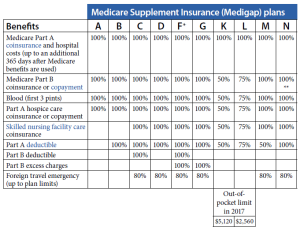
The Medicare supplement plans comparison chart is an invaluable tool for Medicare beneficiaries aiming to identify the most suitable Medigap plan for their healthcare needs. These charts, which can be accessed through educational platforms like MedicarePartCPlans.org, allow users to view side-by-side comparisons of different Medigap policy benefits. The structured format of a plan comparison chart aids in analyzing diverse features such as coverage options, deductible amounts, and premium expenses, offering a clear depiction of what each plan entails.
An effective use of the comparison chart begins with an understanding of the standardized benefits Medigap plans offer. Despite the uniformity in benefits for each plan type across different providers, the chart can illuminate unique cost differences that may influence a beneficiary’s decision. For instance, although Plan G and Plan N might offer similar core benefits, the supplementary expenses, such as premiums and copayments, could significantly differ based on the provider or geographic location.
To maximize the utility of the comparison chart, beneficiaries should first assess their healthcare needs, including frequency of doctor visits, potential for high medical bills, and expected healthcare expenses in retirement. From here, they can narrow their choices by using the chart to juxtapose plan benefits against their personal health and financial priorities. Additionally, it’s wise to consider changes anticipated in 2027, such as shifts in plan structures and updates in Medigap policy options, ensuring that the chosen plan still meets evolving healthcare needs.
Ultimately, leveraging the transparency a comparison chart provides leads to more informed and confident decision-making in selecting the right Medicare supplement plan.
Find & Compare Plans Online
Comparing Coverage and Costs by Location
Understanding how coverage and costs vary by location is crucial in any effective Medigap plan comparison, as these factors profoundly influence the financial and healthcare benefits that plans provide. Regional differences in Medicare supplement plan availability and pricing can impact premiums, provider access, and out-of-pocket costs. By recognizing these variations, beneficiaries can make informed decisions that best fit their circumstances.
Different states might have varied rules on how Medigap plans are priced, typically categorized into attained-age, issue-age, or community-rated methods. Attained-age pricing might see rates increase as the policyholder ages, while community-rated pricing offers a more stable cost irrespective of age. Awareness of these pricing methods, often revealed in a plan comparison chart, helps beneficiaries understand and project potential future expenses. Moreover, some states may offer additional Medigap plan options not available in others, necessitating a thorough examination of local policies.
When comparing Medicare supplement plans, it’s vital to consider local healthcare landscape changes expected by 2027, which might include shifts in the provider networks or benefits offered. These factors are also influenced by legislative changes that might alter Medicare eligibility criteria or plan structures locally. Utilizing a Medicare supplement plans comparison chart geared towards these regional nuances can help beneficiaries evaluate the Medigap plan options that cater to their specific healthcare needs and financial situations, ensuring robust coverage without unnecessary expenses.
Furthermore, familiarize yourself with the local healthcare providers’ network included in each Medigap plan. The network access not only dictates the choice of hospitals and specialists but can also affect the out-of-pocket charges for services. Ultimately, staying informed about local variations ensures that you select a Medicare supplement plan that balances cost-effectiveness with comprehensive healthcare access, smoothly bridging the gap left by Original Medicare. Beneficiaries are encouraged to use resources available on MedicarePartCPlans.org to compare plans comprehensively and adapt to any healthcare policy changes effectively.
Exploring Popular Medigap Plans
If you’re navigating the complexities of Medicare supplement plans, also known as Medigap policies, you’re not alone. It’s crucial to explore popular plan options, especially as 2027 promises to introduce new dynamics in benefits and costs. A thorough understanding can offer clarity and guidance as you dissect various plans on a Medigap plans comparison chart. This section will provide a comprehensive overview of common plans, helping you make informed decisions that align with your healthcare needs and financial goals, using our resources at MedicarePartCPlans.org.
Comprehensive Overview of Common Plans
Medicare supplement plans, or Medigap policies, offer diverse options that cater to the unique needs of Medicare beneficiaries. These supplement plans are standardized, meaning each plan type offers consistent benefits across different insurance providers. However, understanding the nuances of each plan can be crucial for maximizing your benefits while minimizing out-of-pocket expenses.
One of the most popular plans, Plan G, is often highlighted for its extensive benefits, covering almost all costs, except the Part B deductible. This plan can be an appealing choice for those seeking comprehensive coverage without unexpected medical expenses chipping away at their finances.
As beneficiaries consider their options, Plan N emerges as another common and potentially cost-effective choice. While it offers similar core benefits as Plan G, beneficiaries should be aware of potential additional expenses, such as copayments for doctor visits and emergency room visits, thus striking a balance between premiums and out-of-pocket costs. The Medigap plans comparison chart serves as an invaluable tool in this scenario, allowing beneficiaries to compare premiums, deductibles, and other charges side by side, facilitating a streamlined decision-making process.
It’s crucial to bear in mind that while the benefits provided by Medigap plans are standardized, the premiums vary by provider and location, as outlined in the comparison chart. In 2027, these disparities might become more pronounced due to potential changes in healthcare policies or market conditions.
Exploring popular Medigap plans with a comprehensive understanding of your needs and the available options can mitigate financial strains and provide peace of mind in navigating Medicare coverage. Our website, MedicarePartCPlans.org, offers valuable resources, including a reliable comparison tool, to help differentiate plans by provider costs and network offerings, ensuring you’re making well-informed decisions with the best possible data.
As beneficiaries delve deeper into the various Medigap options, several key factors should guide their selection process:
- Assess personal healthcare needs to determine which benefits are most essential for your health situation.
- Consider your financial situation and how much you’re willing to pay in premiums and out-of-pocket costs.
- Review any upcoming changes in healthcare policies that might affect Medigap plans in 2027.
- Use the Medigap plans comparison chart to evaluate differences in provider premiums and network offerings.
- Explore additional resources to gain a well-rounded perspective on each plan’s potential future costs.
- Check provider reviews to identify customer satisfaction and potential service issues.
- Consult with trusted industry professionals to gain insights into plan performances and coverage details.
These considerations will equip beneficiaries with the knowledge needed to navigate their Medigap options effectively.
Utilizing MedicarePartCPlans.org for Informed Decision-Making
Making informed decisions about Medicare is essential, especially with the changing landscape of Medigap plans in 2027. MedicarePartCPlans.org serves as a vital resource, offering educational insights into Medicare, Medigap, and Medicare Advantage plans. With our user-friendly platform, beneficiaries can easily access comparison charts to evaluate healthcare benefits and costs effectively.
We help you navigate complex insurance information seamlessly, ensuring you have access to the tools needed for comprehensive analysis. Our free tool empowers you to compare Medicare options, providing clarity and detail so you can choose supplemental coverage that meets your financial and medical needs.

How Our Free Tool Helps You Compare Medicare Options
MedicarePartCPlans.org provides a free tool that offers a detailed analysis of Medicare options, helping beneficiaries to compare plans and assess their needs confidently. The tool is designed to simplify the complex world of Medicare, particularly when considering supplement plans, often referred to as Medigap plans. As you explore your options, the tool allows for a side-by-side comparison of various Medicare supplement insurance providers.
This ensures you understand potential premiums, deductibles, and other charges before making a decision. By using our comparison chart, you gain insights into standardized benefits across different Medigap and supplement plans, simplifying the evaluation process.
In addition to the comparisons, the platform also helps clarify how location impacts plan choices. Medicare supplemental coverage and options can vary significantly by region, affecting both costs and the network of providers. By understanding these regional discrepancies with our tool, beneficiaries can better anticipate medical expenses and secure a plan that aligns with their healthcare and financial needs. This understanding is crucial as healthcare costs and benefits can differ drastically between states, affecting premium rates and the availability of certain Medigap policies.
Our tool also updates you on any new developments in 2027, ensuring your knowledge and decisions are based on current and expected changes in Medicare plans. By leveraging this free resource, beneficiaries can make educated, informed decisions about plan selection without feeling overwhelmed by the complexities of healthcare planning. This empowers you to navigate medical benefits, provider networks, and premiums efficiently and effectively.
Utilize MedicarePartCPlans.org to not only compare plans but to make well-informed decisions regarding your healthcare future, ensuring you understand the implications of your choice on both your health and financial well-being.
Understanding and comparing Medicare Supplement plans is crucial for making informed decisions about your healthcare coverage. By evaluating the differences between Medigap options available in 2027, you can select a plan that aligns with your health needs and financial situation. Utilize available tools and resources, such as our detailed comparison charts, to assist in your decision-making. Whether you’re new to Medicare or re-evaluating your current coverage, staying informed ensures you have peace of mind and confidence in your healthcare choices. Explore our resources to find a plan that’s right for you.
Compare plans and enroll online
Frequently Asked Questions
What are Medigap plans, and how do they work?
Medigap plans, also known as Medicare Supplement policies, are private insurance options designed to cover healthcare costs not included in Original Medicare, such as copayments, coinsurance, and deductibles. They help reduce unexpected medical expenses by supplementing Original Medicare coverage.
How can I use a Medigap comparison chart effectively?
Using a Medigap comparison chart allows you to view side-by-side comparisons of different policy benefits. Look for standardized benefits, compare premiums and out-of-pocket costs, and assess how each plan aligns with your healthcare needs and financial priorities.
What factors should be considered when choosing a Medigap plan in 2027?
In 2027, consider changes in costs, benefits, and provider networks when choosing a Medigap plan. Evaluate expected cost fluctuations due to healthcare inflation and any updates to regulations or eligibility requirements. Understanding these factors helps ensure appropriate coverage.
Do Medigap plan costs vary by location?
Yes, Medigap plan costs can vary by location. Factors such as regional policies, methods for pricing plans (attained-age, issue-age, or community-rated), and local healthcare provider networks can influence premiums. Using a localized comparison chart helps account for these variations.
How does MedicarePartCPlans.org help with Medigap plan selection?
MedicarePartCPlans.org provides tools and resources, including a free Medigap comparison chart, to help beneficiaries assess and compare different Medicare Supplement plans. The platform simplifies the evaluation process by offering detailed analysis of plans by provider and region.
Have Questions?
Speak with a licensed insurance agent
1-877-436-2343
TTY users 711
Mon-Fri: 8am-9pm ET
Find & Compare Plans Online
ZRN Health & Financial Services, LLC, a Texas limited liability company