Best Medigap Plans Tennessee 2027

Medicare beneficiaries in Tennessee seeking to enhance their Original Medicare coverage can explore Medigap, also known as Medicare Supplement Insurance. These plans are designed to help cover out-of-pocket expenses such as copayments, coinsurance, and deductibles. By understanding the various Medigap options available, individuals can make informed decisions tailored to their medical and financial needs.

Our comprehensive guide to the best Medigap plans in Tennessee for 2027 provides valuable insights into enrollment rules, plan benefits, and how these supplements interact with Medicare. Discover the opportunities to bolster your healthcare coverage with Medigap today.

Key Highlights

  • Medigap policies supplement Original Medicare by covering out-of-pocket expenses like copayments and deductibles.
  • Understanding Tennessee’s unique Medicare landscape helps in choosing the best Medigap plan with providers like UnitedHealthcare.
  • Medicare Advantage combines Part A and Part B benefits, while Medigap fills gaps left by Original Medicare.
  • Evaluating monthly premiums and using comparison tools are essential for selecting suitable Medigap coverage.
  • Tools like MedicarePartCPlans.org enable comparing Medigap plans by location, ensuring coverage aligns with specific needs.

Compare plans and enroll online

What are Medicare Supplement Plans?

Medicare Supplement Plans, commonly known as Medigap policies, are extra insurance you can buy from a private company to cover costs not paid by Original Medicare. These plans help with out-of-pocket expenses such as copayments, coinsurance, and deductibles. Understanding the role of Medigap can simplify healthcare budgeting and offer more comprehensive coverage to Medicare beneficiaries, especially in places like Tennessee. As each plan is standardized, the same benefits apply regardless of the insurer. This section explores the fundamental aspects of Medigap coverage and contrasts it with Medicare Advantage plans, highlighting their unique characteristics.

Understanding the Basics of Medigap Coverage

Understanding the Basics of Medigap Coverage

Medigap coverage is a valuable addition to your Original Medicare, designed to fill the coverage gaps that Medicare Parts A and B do not cover. These gaps can include deductibles, copayments, and coinsurance. Medigap policies, offered through private companies, provide this supplemental coverage and are standardized across most states such as Virginia or Tennessee. This means that each plan with the same letter (e.g., Plan G) offers the same basic benefits, regardless of the insurer or the premium cost. However, the monthly premiums can vary depending on factors such as the state you live in, your age, known as the “attained age,” and the specific provider.

One significant advantage of a Medigap policy is that it can ease the financial burden when unexpected healthcare costs arise. Importantly, understanding the nuances of each available plan can help clear up any confusion regarding plan availability and costs. In Tennessee, like in other states, beneficiaries must be enrolled in both Part A and Part B to purchase a Medigap policy.

If you’re considering a Medigap plan, evaluating your healthcare needs and understanding how various costs are covered can guide you to the most suitable coverage. Always remember to use tools like MedicarePartCPlans.org to compare recommendations based on your location, such as Medigap plans in Arizona or Tennessee and individual needs.

When choosing a Medigap policy, it is important to consider several crucial factors:

  • Assess your current health conditions and predicted healthcare needs.
  • Consider the monthly premium variations based on your location and age.
  • Review the specific coverage details each Medigap plan offers.
  • Utilize comparison tools to analyze different insurance providers’ offerings.
  • Check the provider’s customer service reputation and claims approval process.
  • Investigate any additional benefits a provider may offer beyond standardized coverage.
  • Seek feedback or reviews from current or former policyholders.

These considerations will assist you in making an informed decision about Medigap coverage that aligns with your needs.

Difference Between Medicare Advantage and Medigap Plans

While Medicare Advantage (Part C) and Medigap policies both aim to enhance coverage beyond Original Medicare, they serve distinct roles and cater to different health coverage strategies. Medicare Advantage plans are alternatives to Original Medicare, combining Part A and Part B benefits, often with additional services like vision and dental. These plans are offered by private insurance companies approved by Medicare and can include out-of-pocket limits, which Original Medicare lacks.

Conversely, Medigap plans supplement Original Medicare by covering some costs not paid by it. It’s essential to note that beneficiaries can’t use Medigap and a Medicare Advantage plan simultaneously. The choice between them often depends on individual healthcare needs and preferences, such as whether comprehensive coverage of additional services or predictability in costs not paid is prioritized.

For those in Tennessee, understanding the available plan options and the differences between Medigap and Medicare Advantage can lead to more informed health coverage decisions. Each option has its structure and benefits, so weighing these differences through resources like MedicarePartCPlans.org can ensure that beneficiaries make the best choice for their health and budgetary needs. Accessing comparison tools to evaluate plan benefits by location allows you to match your healthcare expectations with the right plan.

The Importance of Medicare Supplement in Tennessee

Medicare supplements, also known as Medigap policies, play a crucial role in Tennessee by offering additional coverage that fills the gaps left by Original Medicare. These private company plans help cover costs like copayments, coinsurance, and deductibles that aren’t paid by Original Medicare. Because of variations in health needs and plan availability, understanding the specific landscape in Tennessee is essential.

Exploring the factors that uniquely affect these plans and identifying popular providers like UnitedHealthcare allows beneficiaries to make informed decisions. Utilizing resources like MedicarePartCPlans.org can help ensure that each enrollee finds the coverage best suited to their needs.

Unique Factors Affecting Plan Options in Tennessee

Considering Medicare supplements in Tennessee involves understanding several unique factors that influence plan options. These factors include demographics, regional health trends, and varying costs associated with Medigap policies. For instance, the demographic makeup of Tennessee can affect the plan types that are most in demand. States with a higher percentage of seniors might have distinct preferences in supplement insurance options. Tennessee’s healthcare expenses can also differ from the national average, affecting both premiums and out-of-pocket costs that a Medicare supplement policy might cover.

The “attained age” pricing method, often used by insurers in Tennessee, can cause premiums to increase as you grow older. This could influence the choice of plan for many seniors who wish to manage their costs effectively over time. Additionally, regional factors, such as the availability of healthcare providers and local insurance companies, can shape the types of supplemental plans offered and their associated premiums.

Understanding these unique aspects of the Tennessee Medigap landscape can guide Medicare beneficiaries in choosing a supplement that meets their healthcare and financial needs. Using comprehensive tools like MedicarePartCPlans.org to compare plans by region will help you navigate these factors, ensuring you select the most appropriate Medigap policy for your circumstances.

Popular Providers, Including UnitedHealthcare

When exploring Medicare supplement options in Tennessee, it’s essential to consider the providers and what they offer. UnitedHealthcare is one of the most widely recognized providers in the state, known for offering a range of Medigap plans. Their reputation for customer service and extensive network of healthcare providers make them a popular choice for many seniors. Besides UnitedHealthcare, other private companies also provide Medigap policies, each with its own benefits package and pricing models.

To ensure suitable coverage, examining the strengths and weaknesses of each provider’s offerings is crucial. Consider factors such as plan availability, customer service ratings, and the range of extra benefits that go beyond what Original Medicare offers. It’s equally important to explore the specific plans available, such as Plan F or Plan G, to see how costs are structured. For beneficiaries in Tennessee, this means taking a deeper look at how providers address specific regional health care needs and costs not paid by Original Medicare.

Using resources like MedicarePartCPlans.org can be invaluable in comparing these options, allowing you or your caregiver to assess which provider offers the best Medigap policy for your situation. By carefully evaluating what’s available, you can align your health needs with a plan that ensures peace of mind and financial stability.

Find & Compare Plans Online

Speak with a licensed insurance agent

1-877-436-2343TTY 711

Mon-Fri: 8am-9pm ET

Cost Considerations for Medicare Supplement Plans

When selecting a Medicare Supplement Plan, understanding the cost implications is critical for making informed decisions. These considerations often revolve around evaluating monthly premiums and additional expenses associated with Medigap policies. Given the variations in plan pricing by location and insurer, budgeting effectively for supplemental insurance becomes a primary focus for Medicare beneficiaries.

This involves weighing the monthly cost against potential healthcare needs and other financial responsibilities. By exploring these elements, you can better navigate the complexities of Medigap policies, ensuring your coverage aligns with both medical requirements and budgetary constraints.

Evaluating Monthly Premiums and Other Expenses

Choosing a Medigap policy involves carefully evaluating the monthly premiums and other associated expenses, which are key considerations for anyone budgeting supplemental insurance. These premiums can vary widely depending on factors such as the plan type, the insurance provider’s pricing strategy, and the geographical location, particularly in Tennessee.

The monthly cost of a Medigap policy is determined largely by the coverage options it provides, aiming to supplement the shortfalls in Original Medicare coverage. While some plans may have higher monthly premiums, they might offer more extensive coverage for costs not paid by Medicare, such as deductibles and coinsurance.

Different pricing models, like the attained age method, mean premiums might rise as you age, impacting future budgeting concerns. It’s essential to understand not only the immediate expenses but also how they may evolve, aligning with your long-term financial plans. Evaluating these pricing structures with the help of resources like MedicarePartCPlans.org can provide insight into which Medigap policies offer the most value based on monthly premiums, particularly in specific locales.

In Tennessee, where regional health trends and demographic shifts can influence plan pricing, beneficiaries should consider historical cost patterns and projections. Moreover, understanding how changes in healthcare legislation might impact policy expenses is crucial. Engaging these factors enables more precise predictions about future costs, aiding in selecting a policy that offers competitive pricing and extensive coverage aligned with your health needs and fiscal goals. Engaging in thorough comparisons will ensure that your investment in a Medigap plan is both prudent and sustainable.

Budgeting for Supplement Insurance

Budgeting for supplement insurance, particularly Medigap plans, requires a thoughtful approach to ensure financial stability while maintaining comprehensive health coverage. Before selecting a policy, it’s crucial to analyze how the plan supplements Original Medicare and covers out-of-pocket expenses, which Original Medicare does not pay. By understanding the potential costs and benefits of each Medigap policy, beneficiaries can better prepare for healthcare spending.

A significant aspect of budgeting involves projecting health needs and anticipating potential medical expenses. This process includes assessing current health conditions and considering possible future requirements. By doing this, beneficiaries can better predict which Medigap plan would offer the necessary coverage without exceeding their financial capacity. Private companies frequently offer tools to help forecast expenses, ensuring a well-matched policy to cover both anticipated and unforeseen medical events.

Moreover, developing financial strategies that incorporate monthly premium payments into overall budgets can prevent unexpected monetary strain. Beneficiaries are encouraged to take advantage of the tools available on MedicarePartCPlans.org to compare plan pricing and benefits across different private companies.

These comparisons allow for a clearer understanding of how Medigap policies align with both healthcare and financial needs, enabling more informed decision-making. Through careful planning and evaluation, selecting the appropriate Medigap policy becomes an attainable goal, providing valuable coverage without sacrificing financial peace of mind.


Key Consideration Details Variables Implications
Monthly Premiums Regular payments necessary to maintain coverage. Plan type, provider, geographic location. Impacts affordability and coverage sustainability.
Budgeting Allocation of funds to cover supplement insurance costs. Income levels, additional medical expenses. Affects overall healthcare financial planning.
Pricing Models A variety of pricing structures are available based on plan and provider. Community-rated, issue-age-rated, attained-age-rated. Determines long-term cost trajectory and suitability.
Out-of-Pocket Costs Expenses not covered by the supplement plan. Deductibles, co-payments, co-insurance. Influences total healthcare expenditure.

This table provides a concise overview of the major cost factors associated with Medicare Supplement Plans, aiding in a more informed decision-making process for potential beneficiaries.

How to Choose the Right Medicare Supplement Plan

Selecting the perfect Medicare Supplement plan, also known as Medigap, involves understanding how each plan fits your unique healthcare and financial needs. It’s crucial to grasp the variety of Medigap policies and how they supplement Original Medicare by covering costs not typically paid. You’ll want to match your individual health requirements with the appropriate extra insurance you can buy from private companies. Also, it’s vital to explore tools that compare Medigap policies by location, ensuring that your plan suits your specific region, like Tennessee, where healthcare trends and costs can differ significantly.

Matching Coverage to Individual Health Needs

Choosing a Medicare Supplement plan hinges on aligning the coverage provided with your personal health needs. Each Medigap policy offers a unique blend of benefits that help cover the costs not paid by Original Medicare. For instance, if you frequently need outpatient care or have considerable copayments and deductibles, a plan like Medigap Plan G or N could provide the necessary support.

These policies are standardized, meaning that each lettered plan (e.g., Plan G) offers the same core benefits regardless of which private company you purchase it from. However, the premiums can vary widely based on factors such as age and location, making it essential to consider your current and potential future health requirements when selecting a plan.

Start by assessing which costs Original Medicare doesn’t cover that could impact you, such as copayments for doctor visits or hospital stays, coinsurance for longer-term care, and annual deductibles. It’s beneficial to map these anticipated costs to the coverage offerings of different Medigap policies. This will help ensure that your chosen supplement plan effectively bridges any gaps, providing financial peace of mind when unexpected health issues arise. Combine this approach with tools available on MedicarePartCPlans.org, where you can compare coverage options tailored to your needs and locality to make the most educated choice possible.

Tools to Compare Plans by Location

Tools to Compare Plans by Location

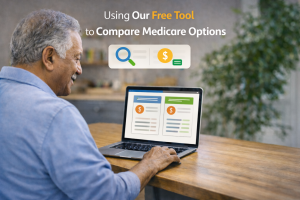
In navigating the intricacies of selecting a Medigap policy in Tennessee, leveraging the right comparison tools is vital. These resources enable you to evaluate how different Medicare Supplement plans align not only with your health needs but also with the specific healthcare landscape of your area. By using a plan finder tool, such as the one available on MedicarePartCPlans.org, you can systematically compare rates and benefits offered by various private companies. This tool simplifies finding extra insurance you can buy by allowing you to filter options based on location-specific factors and coverage needs.

MedicarePartCPlans.org provides detailed insights into plan availability and costs, helping to visualize which policies offer the best value within the context of your budget and health requirements. It includes data on standardized plans, highlighting variations in monthly premiums and coverage details, which can vary significantly from one locale to another. By focusing on your region’s unique healthcare environment, you ensure that your Medicare Supplement policy caters specifically to Tennessee’s medical cost structures and provider networks.

Using these tools not only enhances your understanding of Medigap policies but also augments your decision-making strategy. With clear comparisons and coverage details, you’ll better understand where and how different Medicare Supplement plans fit into your overall healthcare strategy. Furthermore, it empowers you to make confident, informed choices, aligning your policy selections with both health and financial priorities while considering Tennessee’s specific challenges and advantages.

Understanding Medigap Plans in Tennessee is crucial for ensuring that your Medicare coverage is comprehensive and suits your personal health needs. By comparing different supplement options, you can enhance your Medicare benefits and reduce potential out-of-pocket expenses. Carefully evaluate plan specifics, such as premiums and coverage details, to make an informed decision that aligns with your medical requirements. For further assistance, explore local resources or use online tools, like our Medicare plans finder, to tailor your choices effectively. Remember, thorough research plays a pivotal role in optimizing your healthcare coverage.


Compare plans and enroll online

Frequently Asked Questions

What is Medigap and how does it work with Original Medicare?

Medigap, also known as Medicare Supplement Insurance, is additional insurance you can purchase from private companies. It helps cover costs not paid by Original Medicare such as copayments, coinsurance, and deductibles. By filling the gaps in Original Medicare, Medigap provides more comprehensive health coverage.

How does Medicare Advantage differ from Medigap?

Medicare Advantage (Part C) plans are alternatives to Original Medicare, combining Part A and B benefits and often including additional services like vision and dental. In contrast, Medigap policies supplement Original Medicare by covering out-of-pocket costs. Importantly, you cannot use both Medigap and a Medicare Advantage plan simultaneously.

Who is eligible to purchase a Medigap policy in Tennessee?

To purchase a Medigap policy in Tennessee, you must be enrolled in both Medicare Part A and Part B. It’s crucial to compare different Medigap plans based on your healthcare needs and financial situation.

How do monthly premiums for Medigap policies vary in Tennessee?

Monthly premiums for Medigap policies can vary based on factors such as age, known as “attained age,” the specific provider, and your location. In Tennessee, the pricing method often impacts premiums, which can increase as you age.

How can tools like MedicarePartCPlans.org assist in selecting a Medigap policy?

MedicarePartCPlans.org offers comparison tools that allow beneficiaries to evaluate Medigap plans based on their location and specific needs. These resources provide insights into plan benefits, premiums, and coverage options, helping you make informed decisions tailored to your health and financial goals.

Have Questions?

Speak with a licensed insurance agent

1-877-436-2343

TTY users 711

Mon-Fri: 8am-9pm ET

Find & Compare Plans Online

Speak with a licensed insurance agent

1-877-436-2343TTY 711

Mon-Fri: 8am-9pm ET

ZRN Health & Financial Services, LLC, a Texas limited liability company