Discover the essentials of Medicare Advantage plans in Pennsylvania 2027, where residents can explore a variety of options tailored to their healthcare needs. Medicare Advantage (Part C) offers comprehensive coverage that often includes benefits beyond Original Medicare, such as vision, dental, and prescription drugs. This overview will provide insights into plan types, benefits, and enrollment considerations, empowering Medicare beneficiaries in Pennsylvania to make informed decisions. With a focus on individual needs and location-specific offerings, this guide helps navigate the nuances of Medicare Advantage plans.







Pennsylvania Medicare Advantage Coverage 2027
Key Highlights
- Medicare Advantage plans offer consolidated coverage of Medicare Parts A, B, and often D.
- Private insurers offer these plans, which may include additional benefits such as vision and dental coverage.
- Plans vary by type, such as HMOs and PPOs, impacting network flexibility and provider choice.
- Pennsylvania offers diverse plans tailored to local healthcare needs, making a thorough comparison necessary.
- Enrollment periods are crucial, with specific windows such as Initial Enrollment and Annual Election Periods.
Understanding Medicare Advantage Plans
Medicare Advantage plans provide a valuable alternative to Original Medicare, offering a comprehensive way to manage your healthcare needs. These plans, also known as Medicare Part C, bundle hospital, physician, and, often, prescription drug coverage into a single insurance plan. While Medicare Advantage plans must provide the same coverage as Original Medicare, they often include additional benefits like vision, dental, and wellness programs. In Pennsylvania, understanding the nuances of these plans is key, especially as each plan can differ significantly based on factors such as your location and health network participation.
What Are Medicare Advantage Plans?
Medicare Advantage plans represent an all-in-one solution for those looking to consolidate their healthcare needs, often combining Medicare Parts A, B, and D into a single package. Unlike Original Medicare, which is provided directly by the government, these plans are offered by private health insurance companies that have contracts with Medicare. This means you get the same fundamental benefits as Original Medicare while potentially gaining access to extra services.
Each Medicare Advantage plan can vary widely; some may be Health Maintenance Organizations (HMOs), which require members to use a specific network of doctors and hospitals, while others, such as Preferred Provider Organizations, offer greater flexibility in choosing healthcare providers.
Drug coverage is another notable advantage of many Medicare Advantage plans. These plans often include prescription drug coverage, meaning beneficiaries can get their medications under the same plan without needing separate Part D coverage. This convenience, combined with potentially lower out-of-pocket costs and an emphasis on integrated care management, makes Medicare Advantage plans an attractive option for those eligible.
However, it’s crucial to research and compare plan options, as each can vary in cost, network coverage, and available benefits. To aid this process, using resources such as a free Medicare plan finder can help you find a plan suited to your needs and location.
| Plan Features | Original Medicare | Medicare Advantage |
|---|---|---|
| Coverage | – Part A & B – Limited to hospital and medical insurance |
– Part C (includes Part A & B) – Often includes Part D (drug coverage) |
| Provider Network | – Any doctor/hospital accepting Medicare | – Restricted network – HMO/PPO plans might require referrals |
| Additional Benefits | – No extra benefits | – Vision, dental, and hearing – Wellness programs often included |
| Out-of-Pocket Limits | – No cap on out-of-pocket spending | – Annual limit on out-of-pocket costs |
This table provides a clear comparison between Original Medicare and Medicare Advantage plans, illustrating the fundamental differences and benefits of each option.

How Do Advantage Plans Differ from Original Medicare?
Medicare Advantage plans differ from Original Medicare in several ways, offering distinct advantages and some limitations depending on individual preferences and needs. Original Medicare, which is split into Part A (hospital insurance) and Part B (medical insurance), provides a broad framework but doesn’t cover everything. For instance, it typically doesn’t include vision or dental care, drug coverage, or other supplementary benefits. In contrast, Medicare Advantage plans frequently offer these services, often at comparable or lower costs than purchasing supplemental plans to fill gaps in Original Medicare.
Another significant difference lies in the plan structure and network constraints. Medicare Advantage plans are managed by private insurance companies, such as UHC plans, which means they often have network restrictions. With an HMO, you may be limited to a specific provider network, which can affect your choice of doctors and specialists. However, for those who frequently use healthcare services and have specific network preferences, coordinated care can improve satisfaction and reduce paperwork.
Regarding flexibility, Original Medicare participants can use any hospital or physician that accepts Medicare, whereas Advantage plans often have set networks they must use. While this network approach can limit choice, the benefits and potential cost savings may outweigh these limitations for many beneficiaries. It’s essential to carefully consider personal healthcare needs, potential costs, and preferences for flexibility versus added benefits when choosing between Original Medicare and Medicare Advantage plans. Always check the individual plan’s details and how they align with your health priorities and budget.
Exploring Coverage Options in Pennsylvania
As Medicare beneficiaries in Pennsylvania explore their options, understanding the varied types of Medicare Advantage plans becomes crucial. These plans, a significant part of the healthcare landscape, offer a mix of benefits tailored to diverse needs. From specific coverage types to comprehensive networks, Pennsylvania’s Medicare Advantage offerings must be carefully assessed to ensure they align with one’s healthcare and budgetary priorities. Local resources can further aid in comparison, helping Medicare beneficiaries make informed decisions that suit their personal circumstances.
A Snapshot of Pennsylvania Medicare Advantage
Medicare Advantage plans in Pennsylvania present a robust array of choices designed to meet the unique needs of the state’s Medicare beneficiaries. These plans, also known as Medicare Part C, combine the traditional benefits of Medicare Parts A and B, often adding Part D drug coverage, into a cohesive package.
One key advantage for Pennsylvanians is the plan’s adaptability to local healthcare needs, offering plan types such as Health Maintenance Organizations (HMOs), Preferred Provider Organizations (PPOs), and Special Needs Plans (SNPs), including the Advantage csnp. Each type has specific attributes: HMOs typically require a focused network of healthcare providers, whereas PPOs offer greater flexibility in choosing doctors and hospitals, balancing accessibility and choice.
Understanding coverage details, including drug coverage and potential extra benefits such as vision and dental, is essential. These added features can help beneficiaries manage their healthcare expenses under a single monthly premium, which may appeal to those who value integrated services and cost savings. Additionally, the presence of diverse providers within the network allows beneficiaries to receive tailored care while staying within prescribed insurance guidelines. As plans evolve, regularly assessing these offerings is vital to ensure each member receives benefits aligned with their personal health needs and budget.
For those exploring Medicare Advantage plans, accessing resources such as MedicarePartCPlans.org is vital. This platform’s educational tools can streamline plan comparisons and help navigate network restrictions, which are essential for understanding plan nuances in specific Pennsylvania locations. A clear understanding of available plans helps beneficiaries make informed choices that align with their health needs, ensuring they receive comprehensive care within an advantageous package.
To further assist with understanding the intricate details of Pennsylvania Medicare Advantage plans, consider the following crucial factors:
- Compare plan types such as HMOs, PPOs, and SNPs based on their networks and flexibility features.
- Investigate the extent of drug coverage across the plans offered.
- Review any incorporated vision, dental, or other additional health benefits.
- Understand how healthcare provider networks function in specific regions.
- Evaluate any out-of-pocket costs attached to individual plan choices.
- Explore the tools and resources available for simplifying plan comparisons.
- Stay updated on changes and developments in plan offerings within the state.
These considerations will help ensure an informed approach to selecting a suitable Medicare Advantage plan.
Local Resources for Comparing Medicare Health Plans
When considering Medicare Advantage plans in Pennsylvania, utilizing local resources can significantly ease the decision-making process. Understanding how to differentiate between plans that offer similar benefits but differ in aspects such as provider networks or formulary lists can help clients pinpoint what coverage best suits their healthcare needs. Each advantage plan has its distinct network of hospitals and physicians, impacting where and how members receive care. Local agencies and online resources can assist in clarifying these distinctions, offering insights into plans pennsylvania facets tailored to unique geographical or demographic requirements.
One invaluable resource is the Medicare plans finder tool available on MedicarePartCPlans.org. This tool empowers beneficiaries by allowing them to enter specific location data and health needs to view tailored Medicare Advantage plans. This process ensures beneficiaries are informed about plan specifics such as network coverage limitations, drug coverage associated with each plan, and whether an HMO or PPO aligns more closely with their personal preferences and healthcare demands. Access to such detailed, personalized information simplifies the often complex Medicare landscape, transforming it into a navigable field of choices.
Additionally, talking to local insurance brokers or county-based Medicare assistance programs can offer personalized advice. These experts understand the intricate specifications of the Pennsylvania Medicare Advantage plan market and can illuminate areas that might be overwhelming when viewed without guidance. By collaborating with these local resources, beneficiaries can craft a personalized health plan that strikes the right balance between comprehensive coverage and out-of-pocket costs, ensuring peace of mind through well-informed decisions.
Enrollment and Eligibility for Medicare Advantage Plans
Navigating the enrollment and eligibility criteria for Medicare Advantage plans is crucial for potential beneficiaries. Understanding when and how to enroll in these plans can help you maximize your insurance benefits and ensure seamless healthcare coverage. Generally, to enroll in a Medicare Advantage plan, you must be eligible for Medicare Parts A and B and reside in the service area of your desired plan. The enrollment process has specific periods each year to be mindful of to avoid coverage delays. Additionally, certain circumstances allow for enrollment outside these standard periods.
Understanding the Enrollment Periods
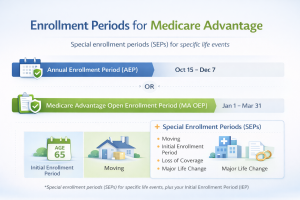
The first step to accessing Medicare Advantage plans is understanding the different enrollment periods. These periods regulate when you can first enroll, make changes to, or dis-enroll from your Medicare Advantage plan. Knowing these timelines is essential for ensuring that your healthcare needs are met without interruption. The Initial Enrollment Period (IEP) is typically when you turn 65, and it’s your first chance to enroll in a Medicare Advantage plan.
This seven-month timeframe starts three months before your 65th birthday, includes your birthday month, and extends three months afterward. Not getting this timing right may lead to gaps in securing your advantage plan, so mark these dates on your calendar.
Next, consider the Annual Election Period (AEP), which runs from October 15 to December 7 each year. During AEP, those already enrolled in Medicare can reevaluate their current Medicare Advantage plans. This period allows members to switch between Original Medicare and a Medicare Advantage plan. Moreover, it’s a time to update your current health insurance plan or select a new plan that better suits your healthcare needs for the upcoming year. Utilizing AEP wisely ensures your insurance aligns with your evolving healthcare needs and budget constraints, particularly within varying plan networks.
On the other hand, there’s the Medicare Advantage Open Enrollment Period, which occurs from January 1 to March 31. This period applies to members of a Medicare Advantage plan who want to make a change after AEP ends. Beneficiaries and members have the opportunity to switch from one Medicare Advantage plan to another or return to Original Medicare during this window.
However, this period doesn’t allow joining a Medicare Advantage plan for the first time; it serves as a contingency for those reevaluating their plan choice or needing adjustments after a prior decision. New enrollees should pay attention to these specifics to optimize their enrollment strategy.
In summary, Pennsylvania Medicare Advantage Plans offer a range of options to meet diverse healthcare needs. Understanding these plans can empower beneficiaries to make informed decisions about their healthcare coverage. While coverage specifics may vary, these plans routinely include added benefits such as prescription drug coverage, vision, and dental care, making them an attractive alternative to Original Medicare.
Utilize available resources and tools to compare options, ensuring the chosen plan aligns with personal healthcare needs and budget. For more assistance, visit MedicarePartCPlans.org for comprehensive guides and insights into Medicare Advantage Plans.
Frequently Asked Questions
What is Medicare Advantage (Medicare Part C) in Pennsylvania?
Medicare Advantage, also known as Medicare Part C, is an alternative to Original Medicare offered by private insurance companies. It bundles Medicare Parts A and B, and often Part D, providing comprehensive coverage that may include additional benefits such as vision, dental, and prescription drugs.
Are the benefits of Medicare Advantage plans the same across all providers in Pennsylvania?
No, benefits can vary significantly by provider. Plans may differ in terms of costs, network flexibility, and additional services offered, such as vision, dental, and drug coverage. It’s important to compare plans to find one that suits your healthcare needs.
What types of Medicare Advantage plans are available in Pennsylvania?
Pennsylvania offers diverse Medicare Advantage plan types, including Health Maintenance Organizations (HMOs), Preferred Provider Organizations (PPOs), and Special Needs Plans (SNPs). Each type has specific network stipulations and benefits, so choose based on your preference for provider flexibility and coverage requirements.
When can I enroll in a Medicare Advantage plan?
Enrollment in Medicare Advantage plans involves specific periods: the Initial Enrollment Period (IEP), Annual Election Period (AEP), and Medicare Advantage Open Enrollment Period. The IEP is around the time you turn 65. The AEP is from October 15 to December 7 each year, and the Open Enrollment Period spans January 1 to March 31, providing opportunities to adjust your plan.
What resources are available to help compare Medicare Advantage plans in Pennsylvania?
Resources like MedicarePartCPlans.org offer educational tools to assist in comparing Medicare Advantage plans. They provide insights into specific plan details, network coverage, and additional benefits, allowing beneficiaries to choose plans that align with their health needs and location.
ZRN Health & Financial Services, LLC, a Texas limited liability company