Preexisting Conditions and Medicare Supplement Insurance

Understanding Medicare, especially concerning Medigap and preexisting conditions, can be crucial for beneficiaries aiming to navigate their healthcare options effectively. Medigap policies, or Medicare Supplement Insurance, help cover certain costs not provided by Original Medicare. However, enrolling with preexisting conditions can sometimes present challenges.

This webpage will explore how Medigap interacts with preexisting conditions and what beneficiaries need to consider across different enrollment scenarios. By offering clear insights, MedicarePartCPlans.org aims to guide you in making informed decisions regarding your Medicare coverage needs.

Key Highlights

  • Medigap fills gaps left by Original Medicare, providing financial predictability for out-of-pocket expenses.
  • Medigap offers freedom to choose any doctor nationwide who accepts Medicare, benefiting frequent travelers.
  • Enrollment during the Medigap Open Enrollment Period ensures coverage without higher premiums for preexisting conditions.
  • Guaranteed issue rights protect access to Medigap during special circumstances, avoiding rejection based on health.
  • Using the Medicare plans finder tool can help compare options and tailor coverage to specific needs.

Compare plans and enroll online

Introduction to Medicare Advantage and Medigap

Understanding the differences between Medicare Advantage and Medigap can help you make informed decisions about your healthcare options. Medicare Advantage, also known as Part C, offers an alternative way to receive Medicare benefits, often including additional coverage. Medigap, or Medicare Supplement Insurance, works alongside Original Medicare, helping fill gaps such as deductibles and coinsurance.

Each option has unique benefits and limitations that cater to varying health needs and financial situations. As you explore your choices, consider how each plan aligns with your coverage needs, particularly concerning preexisting conditions. Let`s delve deeper into understanding these options and how Medigap complements your Medicare coverage.

Understanding Medicare Options

Navigating Medicare options involves understanding the distinctions between Medicare Advantage and Medigap policies. Medicare Advantage plans, provided by private companies, include all the benefits of Original Medicare Parts A and B and often include additional services like dental, vision, and prescription drug coverage. These plans offer the convenience of bundling services under one plan, which can simplify your healthcare experience. However, it’s critical to consider network restrictions; plans typically require staying within a specified network of providers, which may limit your choice of doctors or healthcare facilities.

On the other hand, Medigap, also known as Medicare Supplement Insurance, is designed to work alongside Original Medicare. It covers certain out-of-pocket costs not paid by Medicare Parts A and B, such as copayments and deductibles. Medigap policies are standardized and offered by private insurers in most states, including Florida, ensuring consistent coverage regardless of the insurance company. However, Medigap does not include prescription drug coverage, so you may need a separate Part D plan to manage medication costs.

Choosing between Medicare Advantage and Medigap depends largely on personal healthcare needs and financial priorities. Medicare Advantage may appeal to those seeking comprehensive coverage with additional perks in a single package, including a managed care structure and possibly lower premiums. Conversely, Medigap suits individuals looking for predictable expenses and the freedom to visit any doctor or facility that accepts Medicare, ideal for those who travel frequently or require specialized care.

As you consider your options, assess your medical needs, financial capacity, and how pivotal factors like covering preexisting conditions might influence your decision. Remember, understanding these aspects will better prepare you to select the appropriate coverage tailored to your situation.

How Medigap Complements Your Medicare Coverage

Medigap policies are designed to fill coverage gaps left by Original Medicare, ensuring that out-of-pocket expenses are more predictable for beneficiaries. These policies cover costs like copayments, coinsurance, and deductibles that Medicare doesn’t, offering a financial safety net for those on a fixed income. With Medigap, many beneficiaries find peace of mind knowing that unexpected medical expenses won’t disrupt their finances, providing a layer of security that Original Medicare alone might not offer.

Incorporating a Medigap policy into your healthcare plan also provides greater flexibility than Medicare Advantage plans. Unlike the network restrictions typical of Medicare Advantage, Medigap allows you to see any doctor or specialist who accepts Medicare nationwide, making it an excellent choice for those who value the freedom to choose their healthcare providers. This can be especially advantageous for those who travel or split time living in different states, as their Medigap policy remains effective across America without the need for referrals or approval for specialist visits.

One key aspect of Medigap policies is their handling of preexisting conditions. Those enrolling during their Medigap Open Enrollment Period, a critical time frame starting when you first enroll in Part B at 65 or older, are generally eligible for Medigap policies despite preexisting conditions, without facing higher premiums or denial of coverage. This enrollment window is only open for six months, highlighting its importance for ensuring access to beneficial coverage without the burden of underwriting.

Furthermore, Medigap policies provide standardized benefits across most states, which means that you receive the same level of coverage regardless of the provider, fostering transparency and ease of comparison when selecting a plan. Understanding Medigap can empower you to make sound decisions for your Medicare coverage, ensuring you’re well-prepared to meet your health needs efficiently and effectively.

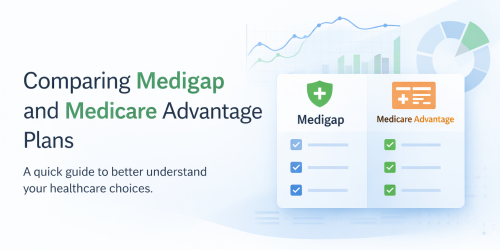
Comparing Medigap and Medicare Advantage Plans

Medigap Policies: What You Need to Know

Medigap policies offer a comprehensive way to cover the unpredictable costs left by Original Medicare. These policies help shield beneficiaries from steep out-of-pocket expenses by addressing gaps in coverage, such as copayments and deductibles that Medicare doesn`t pay. This can be invaluable for those on fixed incomes, as it provides a level of financial predictability.

Understanding how Medigap differs from Medicare Advantage is crucial, especially considering their unique benefits. As we explore further, you’ll gain insights into these differences and the key benefits Medigap policies offer, equipping you to make informed healthcare decisions.

Differences Between Medigap and Medicare Advantage

The distinctions between Medigap and Medicare Advantage lie at the heart of their roles in the Medicare landscape, each offering unique benefits that cater to different healthcare needs and financial preferences. Medigap policies are supplements to Original Medicare, focusing on covering out-of-pocket costs such as copayments, the Part A deductible, and coinsurance.

This additional coverage can be crucial for those who frequent healthcare services or have significant medical expenses. Since Medigap works alongside Original Medicare, it offers flexibility by allowing beneficiaries to visit any healthcare provider throughout the United States that accepts Medicare, making it a great choice for those who travel often or prefer to choose their doctor freely.

In contrast, Medicare Advantage plans, sometimes called Part C, provide an alternative to Original Medicare by bundling Part A and Part B services, often including additional benefits like vision, hearing, and dental in one plan. These plans are offered by private insurance companies approved by Medicare, offering the convenience of comprehensive coverage under a single umbrella.

However, this convenience comes with network restrictions, meaning beneficiaries must often seek care within a set network of providers to receive full benefits. This can be a drawback for those who are used to the broad accessibility of Medigap and Original Medicare. When deciding between these two options, it`s important to consider both health needs and lifestyle preferences. Medigap policies may appeal more to those who value the ability to visit any doctor nationwide and need predictable healthcare expenses without worrying about network restrictions.

Medicare Advantage may be preferable for those who want a more managed care approach with additional benefits and are comfortable with network limitations. Understanding these fundamental differences helps beneficiaries make decisions tailored to their specific health circumstances, financial situation, and coverage preferences, considering how they might affect coverage in areas with varying health service offerings.

To further assist you in choosing between Medigap and Medicare Advantage, here are some key factors you might want to consider:

  • Flexibility of Providers: Medigap allows access to any doctor accepting Medicare, ideal for frequent travelers.
  • Coverage Scope: Medicare Advantage often includes additional benefits like dental and vision within its network.
  • Out-of-Pocket Costs: Consider your comfort with copays and coinsurance under the Medigap compared to the Advantage plan costs.
  • Healthcare Needs: Evaluate if regular medical services align more with Advantage’s managed care or Medigap’s flexibility.
  • Network Restrictions: Determine if you prefer the broad network of Medigap or the specified network of Medicare Advantage.
  • Lifestyle Alignment: Reflect on how your lifestyle, such as travel frequency, aligns with each plan`s coverage options.
  • Financial Strategy: Think about your long-term financial plan concerning medical expenses and coverage predictability.

Ultimately, assessing these factors can guide you to the plan that best aligns with your medical needs and lifestyle.


Key Benefits of Medigap Policies

Medigap policies provide several critical benefits, starting with financial predictability. By covering the gaps left by Original Medicare, they help manage out-of-pocket costs effectively. This coverage can be particularly advantageous for those with chronic health conditions or anyone facing regular medical visits, as it allows beneficiaries to predict healthcare expenses more accurately and avoid unexpected high costs.

The predictability offered by Medigap is especially beneficial for seniors who live on fixed incomes and need to manage their healthcare expenses judiciously. Another significant benefit of Medigap policies is the freedom they offer in choosing healthcare providers. With no network restrictions, Medigap allows you to choose any doctor or specialist nationwide, provided they accept Medicare.

This aspect is crucial for Medicare beneficiaries who spend part of the year in different states or require specialized care not readily available within restricted networks. The unrestricted access ensures continuity of care regardless of location or provider preference, making Medigap a compelling choice for frequent travelers or those receiving care across state lines.

Medigap policies also standardize benefits across most states, providing consistency and ease of comparison when selecting a policy. This standardization ensures that beneficiaries receive consistent coverage levels, regardless of the insurance company offering the plan. The uniformity in benefits makes it simpler to compare policies and choose one that best meets personal health needs without being swayed by varying plan specifics.

Furthermore, during the initial Medigap Open Enrollment Period, beneficiaries can access any Medigap policy offered in their state without denial or premium hikes due to preexisting conditions, underscoring the importance of enrolling during this six-month period. Understanding these benefits equips Medicare beneficiaries with the tools to choose the right Medigap policy, enhancing their healthcare coverage efficiently and effectively.

Enrollment Periods and Medigap Open Opportunities

Medicare enrollment periods play a crucial role in your journey to securing comprehensive healthcare coverage. Understanding these periods, particularly the Medigap Open Enrollment Period, allows you to make informed choices, especially when managing preexisting conditions.

This section digs into how the timing of your enrollment can impact plan selection and the benefits you might receive. The Medigap Open Enrollment Period is a critical time frame that can significantly influence your healthcare path. Recognizing these open opportunities ensures you optimize your access to desired plans and coverage, providing peace of mind and financial predictability in your retirement years.


Enrollment Period Time Frame Key Advantages Impact on Coverage
Annual Enrollment Period October 15 to December 7 each year Opportunity to reassess and change current plans, including Medicare Advantage and Part D Allows flexibility in switching plans, potentially reducing costs and enhancing coverage
Medigap Open Enrollment Period Begins the first month you have Medicare Part B and are 65 or older; lasts 6 months Guaranteed issue rights, meaning no medical underwriting is required Ensures access to Medigap policies without risk of denial or increased premiums based on health
Special Enrollment Periods Varies depending on life event (e.g., moving, losing existing coverage) Provides flexibility to enroll or change plans after qualifying events Allows adjustments to coverage based on changing life circumstances
Initial Enrollment Period 7-month period starting 3 months before and ending 3 months after turning 65 First chance to enroll in Medicare Parts A, B, or D without penalty Establishes baseline coverage; missed opportunity may result in penalties or delayed start

This table highlights how understanding and utilizing the Medigap Open Enrollment Period and other enrollment timelines can greatly enhance your healthcare strategy and financial security in retirement.

The Role of the Enrollment Period in Plan Selection

The Medicare enrollment period is a pivotal aspect of selecting the right insurance plan, affecting both the availability and cost of healthcare coverage options. During this time, beneficiaries can select their desired plans, ensuring alignment with current and future health needs. For those considering Medigap, understanding the role of this period is especially crucial, as it impacts your ability to secure supplemental coverage that adequately supports your healthcare needs in retirement.

Identifying the appropriate enrollment period ensures you’re well-positioned to select plans without facing underwriting challenges or delayed coverage due to waiting periods often associated with preexisting conditions. Each year, there are several enrollment periods, but not all are equally beneficial for every Medicare product. For instance, the Annual Enrollment Period, from October 15 to December 7, is often when beneficiaries reassess and switch their Medicare Advantage or Part D plans.

However, when it comes to Medigap, your most critical timeframe is the Medigap Open Enrollment Period, which begins the month you turn 65 and are enrolled in Medicare Part B. This window lasts six months and offers a unique opportunity to buy any Medigap policy sold in your state without medical underwriting. During this crucial enrollment period, insurers cannot deny you coverage or charge more based on preexisting conditions, ensuring necessary healthcare support.

This period becomes even more significant if you have a preexisting condition. Outside this open window, you might face a waiting period before coverage for preexisting conditions kicks in, or you could be charged more compared to those who apply during their open enrollment. It’s essential to evaluate your healthcare needs, financial situation, and coverage gaps during the enrollment period to make sound decisions regarding Medigap selection. By aligning your plan selection with the enrollment timeline, you can effectively manage healthcare costs and access the coverage needed to maintain your health and well-being in retirement years.

Medigap Open Enrollment: A Critical Window

The Medigap Open Enrollment Period stands out as a definitive window for Medicare beneficiaries to maximize their healthcare coverage opportunities. This period, which starts once you’re 65 and enrolled in Medicare Part B, exists to provide an irreplaceable opportunity for enrolling in supplemental Medigap plans without facing extra charges or denials due to preexisting conditions.

Understanding this enrollment window’s significance ensures access to comprehensive coverage and helps avoid financial pitfalls associated with unexpected medical costs further down the road. During the Medigap Open Enrollment Period, insurance providers are mandated to sell you any Medigap policy they offer in your state, regardless of your health status. This assurance means there are no surprise medical underwriting requirements or higher premiums due to your medical history.

Such open opportunities empower you to choose a policy that matches your health care and financial needs confidently. It’s this guaranteed access that makes the Medigap Open Enrollment Period the most favorable time to invest in a Medigap plan, especially for those who want predictable healthcare expenses without worrying about network limitations.

This critical enrollment window also provides protection from the potential instability of marketplace adjustments, where plan availability and premiums can fluctuate yearly. By securing your Medigap policy within this timeframe, you establish a steady baseline for expected healthcare costs, safeguarding against unexpected financial implications of health-related expenses.

Waiting beyond the open enrollment period to buy a Medigap plan could lead to unwanted challenges, like increased premiums or the risk of coverage denials due to health conditions. As someone stepping into the retirement phase, recognizing the value of the Medigap Open Enrollment is vital for securing peace of mind as you navigate the evolving landscape of healthcare coverage.

Find & Compare Plans Online

Speak with a licensed insurance agent

1-877-436-2343TTY 711

Mon-Fri: 8am-9pm ET

Navigating Coverage for Preexisting Conditions

When it comes to securing healthcare coverage, understanding how preexisting conditions impact your options is crucial. Medigap policies, which supplement Original Medicare, play a significant role in providing coverage for these conditions without denying access or increasing premiums, especially if you apply during specific enrollment periods. Exploring what constitutes a preexisting condition and how it affects Medigap eligibility can help you unlock comprehensive healthcare coverage tailored to your needs. Let’s dig deeper into what you need to know about preexisting conditions and their impact on your Medigap coverage journey.

What is a Preexisting Condition?

A preexisting condition is a medical condition that existed before an individual’s healthcare coverage began. These conditions vary widely and include ailments such as diabetes, asthma, heart disease, and certain chronic illnesses. The definition of a preexisting condition might seem straightforward, but its implications can be significant when it comes to health insurance, especially policies like Medigap.

Understanding what counts as a preexisting condition is essential, as it affects your eligibility and coverage considerations under different types of insurance plans. In the context of Medicare, preexisting conditions are pivotal because they can impact whether you can obtain supplemental insurance coverage without hurdles. Unlike Original Medicare, which broadly covers many basic health services, Medigap plans are specific in addressing the gaps Medicare parts A and B might leave, such as coinsurance and deductibles.

This supplementary layer is particularly valuable for managing out-of-pocket expenses incurred through regular medical check-ups or unexpected health issues, including those stemming from existing medical conditions. Importantly, Medigap policies cannot deny you coverage or impose higher premiums based on preexisting conditions if you apply during your Medigap Open Enrollment Period. This period begins when you are both 65 or older and enrolled in Medicare Part B, lasting for six months.

During this window, insurance companies are required by law to cover any applicant, giving you the peace of mind that your preexisting medical conditions won’t factor into the availability of coverage. Outside this period, some insurers might impose a waiting period before covering specific preexisting conditions, emphasizing why timing is critical. Understanding these nuances empowers you to navigate your Medigap choices confidently, safeguarding your health and financial well-being.

Impact on Medigap Eligibility and Coverage

The influence of preexisting conditions on your path to obtaining Medigap coverage is significant and hinges greatly on timing. For those exploring Medigap options, understanding the impact of preexisting conditions during and beyond the Medigap Open Enrollment Period is crucial. Within this window, you’re shielded from being denied access to Medigap plans or being charged extra due to your health conditions, reinforcing the importance of enrolling in a timely manner.

The Medigap Open Enrollment Period provides a golden opportunity to secure insurance without facing typical hurdles associated with medical underwriting. During this time, insurers cannot refuse to sell you any Medigap plan offered in your state, nor can they charge you a higher premium, even if your health is less than perfect. It’s a safeguard that ensures fair access to coverage, emphasizing how crucial it is to plan accordingly for this window. This protection is particularly pertinent if you have ongoing medical needs that require frequent care, as it allows you to manage healthcare expenses without the risk of being financially penalized for preexisting medical conditions.

Outside of the open enrollment period, obtaining Medigap can be more challenging. Insurers are permitted to use medical underwriting to assess applicants who apply for Medigap after this period. This means they can scrutinize your medical history and potentially deny you coverage, impose a preexisting condition waiting period, or charge higher premiums. This variability in terms could lead to not having immediate coverage for certain medical expenses related to preexisting conditions, which could catch many off guard. Thus, strategically planning to apply during the Medigap Open Enrollment Period is essential to avoid these potential obstacles.

For individuals with preexisting conditions, this period not only helps delve into the wide array of available plans without concern over eligibility but also maintains the quality and affordability of essential healthcare services. Navigating these choices thoughtfully ensures you maximize your coverage while minimizing financial risk, bringing valuable insights into structuring a Medicare plan that aligns with your individual health and lifestyle needs.

Understand Cost Associated with Medigap

Guaranteed Issue Rights: Protecting Your Access to Medigap

Understanding your access rights to Medigap can be incredibly empowering, particularly when dealing with preexisting conditions. Guaranteed issue rights act as a protective measure ensuring you can secure a Medigap policy under certain circumstances without the challenge of medical underwriting. This protection is crucial for maintaining reliable Medicare coverage. This section delves into when these rights apply and strategies to support your efforts in securing Medigap coverage. Comprehending these elements equips you with the knowledge to navigate your Medicare options confidently.

When Guaranteed Issue Applies

The concept of guaranteed issue rights is vital in the landscape of Medigap policies, serving as a critical protection for beneficiaries. These rights apply during specific situations, ensuring you can obtain a Medigap plan irrespective of preexisting conditions, thus safeguarding your healthcare continuity. Typically, these situations occur when you lose your health coverage involuntarily. For instance, if your Medicare Advantage plan leaves your area or ends services, you’re eligible for a Medigap policy under guaranteed issue rights. Moreover, these rights apply if you move out of your Medicare Advantage plan’s service area or if your Medigap insurer goes bankrupt, providing a vital safety net.

These rights ensure that insurance providers offer you any Medigap plan available in your state without extra premiums for health reasons. When a guaranteed issue applies, it means insurers must also forego waiting periods related to preexisting conditions. Consequently, this gives you control over selecting a policy that fits your needs without fear of rejection due to past or ongoing health issues.

Moreover, the guaranteed issue also kicks in during your Medigap Open Enrollment Period, highlighting its importance as a pivotal strategy for obtaining affordable Medicare coverage. This period generally begins when you’re both 65 and enrolled in Medicare Part B, lasting for six months. During this time, insurers cannot refuse to sell you any Medigap policy available in your state. By recognizing these application scenarios, you`re better equipped to proactively manage your healthcare coverage strategy, circumstantially adjusting to any changes in your Medicare protection needs.

Strategies for Securing Medigap Coverage

Securing Medigap coverage requires a strategic approach, especially when you`re confronted with eligibility challenges related to preexisting conditions. Ensuring you have access to the right policy involves understanding both the timing of your application and the measures that protect your rights. The Medigap Open Enrollment Period emerges as an indispensable time frame for enrollment, providing unrestricted access to policies without higher premiums due to health status. To capitalize on this, it`s crucial to enroll within the six-month period that begins when you`re 65 and enrolled in Medicare Part B.

Another critical strategy involves knowing your state’s specifics regarding guaranteed issue rights. Since policies can differ slightly by state, understanding state-specific regulations ensures you`re not caught unaware by unexpected coverage limitations. Additionally, having a clear understanding of fallback rights, like special scenarios when guaranteed issue rights come into play (e.g., losing other health coverage involuntarily), reinforces your approach by providing alternatives when initial options become unavailable.

Planning for future needs by proactively researching and selecting applicable Medigap plan forms is another strategic pillar. Using tools like those offered by MedicarePartCPlans.org enhances this process significantly. Such resources allow you to compare Medigap policies based on location and coverage needs, ensuring alignment with your specific health requirements and financial capacity. Moreover, engaging with educational resources that clarify plan details and explain differences among policies can prevent costly oversights.

By leveraging these strategies, you can blend timing, comprehensive research, and guaranteed issue protections to establish a robust Medicare coverage plan. This proactive approach not only anticipates future healthcare necessities but potentially mitigates financial burdens by securing thorough protection against unexpected out-of-pocket expenses. With the correct strategies in place, navigating the complex landscape of Medigap coverage becomes significantly more manageable, allowing you to make well-informed decisions confidently.

Understanding how Medigap interacts with preexisting conditions empowers you to make informed Medicare choices. It’s vital to research plans thoroughly, considering how each plan aligns with your unique health needs and financial situation. By exploring various coverage options, you can find a Medigap policy that helps manage healthcare expenses effectively. Utilize available resources, such as our Medicare plans finder tool, to compare options and tailor a plan to suit your needs. Staying informed and proactive can positively impact your Medicare experience, helping ensure you receive the healthcare coverage that meets your personal requirements.

Compare plans and enroll online

Frequently Asked Questions

What is the difference between Medicare Advantage and Medigap?

Medicare Advantage (Part C) is an alternative to Original Medicare that includes Part A and Part B services, often with additional benefits like dental and vision coverage. Medigap, on the other hand, supplements Original Medicare, covering out-of-pocket costs such as copayments and deductibles. Medigap offers nationwide coverage with no network restrictions, while Medicare Advantage typically has network limits.

How does Medigap coverage handle preexisting conditions?

During the Medigap Open Enrollment Period, individuals can obtain Medigap coverage without higher premiums or denial due to preexisting conditions. This six-month period begins when you turn 65 and are enrolled in Medicare Part B. Outside this window, some insurers might impose a waiting period or higher costs for preexisting conditions.

When is the best time to enroll in a Medigap policy?

The most advantageous time to enroll in a Medigap policy is during your Medigap Open Enrollment Period. This period begins when you are 65 and enrolled in Medicare Part B and lasts six months. Enrolling during this period ensures access to any policy available in your state without needing to undergo medical underwriting.

What are guaranteed issue rights in Medigap policies?

Guaranteed issue rights allow you to purchase certain Medigap policies under specific circumstances without being subject to higher premiums due to health conditions. These rights are typically available when you lose other health coverage involuntarily or during your Medigap Open Enrollment Period.

How does Medigap differ from Medicare Advantage regarding healthcare provider options?

Medigap offers the flexibility to see any healthcare provider nationwide that accepts Medicare, without network restrictions. In contrast, Medicare Advantage plans often require you to use a network of designated providers to receive full benefits, limiting choice to specific doctors and facilities.

Have Questions?

Speak with a licensed insurance agent

1-877-436-2343

TTY users 711

Mon-Fri: 8am-9pm ET

Find & Compare Plans Online

Speak with a licensed insurance agent

1-877-436-2343TTY 711

Mon-Fri: 8am-9pm ET

ZRN Health & Financial Services, LLC, a Texas limited liability company