Navigating Medicare options can be complex, especially when deciding between Original Medicare and Medicare Advantage. Each offers distinct benefits and coverage choices, and understanding these differences is crucial for making an informed decision. Original Medicare provides nationwide coverage, while Medicare Advantage plans may offer additional coverage and out-of-pocket maximums. As you explore these plans, consider your healthcare needs, budget, and preferences for flexibility in provider choices. Our educational resource aims to clarify these aspects and assist you in evaluating which option aligns best with your individual situation.







Should I Get Original Medicare or Medicare Advantage?
Key Highlights
- Original Medicare offers nationwide coverage with flexibility in provider choice, while Medicare Advantage may offer extra benefits with network limits.
- Medicare Advantage plans, run by private insurers, must cover the same services as Original Medicare and may include additional benefits.
- Medigap Supplement Plans fill financial gaps in Original Medicare by covering expenses like copayments and deductibles, offering travel emergency coverage.
- Medicare Advantage offers an all-in-one plan with potential out-of-pocket limits and may require using a network of doctors and hospitals.
- Use Medicare plans finder tools on MedicarePartCPlans.org to compare plan options by location, coverage needs, and additional benefits offered.
Understanding Original Medicare
Original Medicare offers a foundation of healthcare coverage for many beneficiaries by providing two key components, Part A and Part B. Administered by the federal government, this program covers a wide range of medical needs, including hospital stays, doctor visits, and other essential healthcare services. Original Medicare is widely accepted, granting beneficiaries significant flexibility in choosing providers.
Understanding what Original Medicare covers and how it delivers these services is crucial for making informed decisions about healthcare coverage options. In the following sections, we’ll delve deeper into the components of Original Medicare and its coverage aspects.
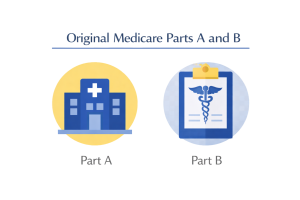
Components of Original Medicare: Part A and Part B
Original Medicare is comprised of two essential parts: Part A and Part B. Part A primarily focuses on inpatient hospital care, which includes covering the costs of hospitalization in a variety of settings like acute care hospitals, critical access hospitals, and even some individual healthcare facilities. Part A generally covers basic hospital services, such as semi-private rooms, meals, general nursing, and other hospital services and supplies. Being accepted nationwide, this part ensures that beneficiaries have access to the necessary inpatient care across numerous hospitals without needing referrals or approval from a primary care provider.
Part A, in many cases, doesn’t require a monthly premium, provided that the beneficiaries or their spouse have paid Medicare taxes while working. Those who don’t pay through taxes may still opt for Part A by paying a premium, which adds flexibility for individuals who may not have accumulated enough work history. This part is crucial for ensuring that beneficiaries receive the appropriate hospital care without a financial burden peaking unexpectedly.
On the other hand, Part B is designed to cover other medically necessary services and supplies, including doctor services, emergency room visits, outpatient care, home health services, some preventive services, and durable medical equipment. With Part B, beneficiaries can visit any doctor who accepts Medicare, thus providing flexibility in allowing beneficiaries the liberty to consult a vast network of healthcare providers. Original Medicare is accepted by all doctors who take the federal government’s Medicare payment.
Part B requires a monthly premium, which varies based on income. There is also a deductible and, typically, a 20% coinsurance for most services. The combination of Parts A and B provides comprehensive coverage options that are crucial for maintaining basic health care requirements, ensuring beneficiaries are protected against significant healthcare costs. This blend of coverage enables individuals to meet numerous healthcare needs, from standard check-ups to life-saving surgeries.
How Original Medicare Covers Medical Care and Doctor Visits
Original Medicare covers a broad spectrum of medical care, starting with regular doctor visits necessary to maintain routine health management. It encompasses primary care consultations and access to specialists, ensuring comprehensive care depending on the beneficiaries’ needs. Since Original Medicare offers flexibility, you can choose to visit any doctor across the country who accepts Medicare, which is particularly beneficial for those who travel or have homes in multiple locations. This broad acceptance facilitates continuity of care without the need for switching doctors when relocating or traveling.
In terms of specific coverage, Original Medicare ensures that preventive services are included, which are pivotal in the early detection and management of health issues. Screenings, shots, annual wellness visits, and personalized prevention plan services are available under Medicare, often at no additional cost if the healthcare provider accepts assignment. This underscores Original Medicare’s role in promoting preventive health and preventing conditions from worsening before they necessitate more intensive hospital services.
The financial aspect is also structured to safeguard beneficiaries from overwhelming expenses. While beneficiaries are responsible for a premium for Part B and cost-sharing in the form of coinsurance for some services, this is offset by the wide acceptance of Medicare among providers and the absence of network restrictions. This is instrumental in allowing beneficiaries to make personalized healthcare decisions based on what they need, rather than what their insurance dictates.
Original Medicare also covers critical services like emergency care, which is vital for sudden, unforeseen health conditions. Knowing that emergency services are included provides peace of mind, adding an element of security to the coverage offered. Whether it’s an unexpected accident or acute illness, Original Medicare helps ensure the needed care is provided without delays due to insurance refusals or network issues.
Moreover, Original Medicare’s coverage extends to necessary medical equipment and mental health care. Beneficiaries dealing with long-term health issues or disabilities benefit from access to durable medical equipment under Part B, enabling them to manage their conditions effectively at home. For mental health, inpatient and outpatient treatments are covered, offering crucial support for managing mental health conditions. All these components make Original Medicare an appealing choice for beneficiaries seeking versatile and comprehensive health coverage.
Exploring Medicare Advantage Plans
Medicare Advantage plans in 2027 present a comprehensive alternative to Original Medicare, offering beneficiaries various benefits that extend beyond standard Part A and B coverage. Administered by private insurance companies approved by Medicare, these plans are required to cover all services that Original Medicare must provide, while often including additional services like vision, hearing, and dental care. Choosing the right Medicare Advantage plan involves understanding its structure and benefits, ensuring it’s tailored to personal healthcare needs and preferences.
In this section, we’ll explore what a Medicare Advantage plan entails and the significant role hospitals and medical facilities play within these plans.
What is a Medicare Advantage Plan?
Medicare Advantage plans, also known as Part C, provide an all-encompassing healthcare option that integrates both Medicare Part A and Part B services, with the addition of extra benefits that standard Medicare doesn’t typically cover. As a policy holder, you’re essentially selecting a plan administered by a private insurance company that contracts with the federal government to deliver these services.
Unlike Original Medicare, which is managed directly by the federal government, Medicare Advantage plans offer a unique approach to healthcare coverage by allowing customization and potentially broader health benefits, making them an attractive alternative for many beneficiaries.
One of the core components of Medicare Advantage plans is their ability to combine hospital services and medical care into one plan, which includes inpatient hospital stays, home health care, and preventive health services, among others. These plans often provide the same services that must be covered under Original Medicare, but may also include additional benefits that are not. They might offer routine vision and dental care, hearing aids, and even wellness programs, making them particularly advantageous for individuals seeking comprehensive coverage options.
It’s important to note that while Medicare Advantage plans need to provide the same coverage for Medicare services as Original Medicare, the rules and costs associated can differ. For example, certain plans may require referrals to see specialists or necessitate using a network of doctors and hospitals, unlike the flexibility found in Original Medicare, where all doctors who accept Medicare are freely accessible. Beneficiaries of Medicare Advantage plans may encounter different levels of flexibility and choice depending on the specific terms of the plan they select, highlighting the importance of thoroughly comparing plan specifics.
Another defining feature of Medicare Advantage plans is that they include out-of-pocket spending limits, which can offer financial protection if substantial healthcare needs arise. This aspect can be significant for those worried about unpredictable healthcare expenditures. Once a beneficiary hits this spending limit, the Medicare Advantage plan will cover 100% of the medical care costs for the remainder of the year, mitigating any further unexpected expenses.
When considering switching from Original Medicare to Medicare Advantage, it’s crucial to evaluate personal healthcare needs and the potential benefits each type of plan offers. This involves assessing coverage aspects, like whether you prefer the flexibility to choose any health care provider without network restrictions, or if additional benefits, such as prescription drug coverage within the same plan, outweigh the need for greater choice of providers.
Utilizing resources like the Medicare plans finder tool available on MedicarePartCPlans.org can be instrumental in comparing options by location and coverage needs to ensure you’re making a well-informed decision regarding your healthcare coverage.
To help you delve deeper into the advantages of Medicare Advantage plans, consider the following points as you evaluate their benefits:
- Medicare Advantage plans often include additional health benefits not covered by Original Medicare.
- Many plans bundle prescription drug coverage, offering a convenient all-in-one plan structure.
- Some plans may provide wellness programs focused on preventive health and fitness.
- Explore plans with vision, dental, and hearing benefits for comprehensive health care.
- Review potential savings through plan out-of-pocket limit features, protecting against unexpected medical costs.
- Investigate network restrictions, which might impact your choice of healthcare providers.
- Consider the need for referrals when accessing specialized care within some plans.
By exploring these aspects, you can better understand the full scope of Medicare Advantage offerings and align them with your health priorities.
The Role of Hospitals and Medical Facilities in Advantage Plans
The integration of hospitals and medical facilities in Medicare Advantage plans is a defining aspect that distinguishes it from other types of Medicare coverage. Hospitals are integral in delivering the healthcare services that Medicare Advantage plans must cover, as these plans are built to provide hospital insurance, similar to what Part A offers. This coverage typically includes inpatient care, which encompasses a variety of hospital settings, from acute care hospitals and rehabilitation facilities to even some skilled nursing facilities.
Understanding this role can significantly influence how beneficiaries perceive their healthcare access and choices within a Medicare Advantage plan.
Medicare Advantage plans operate under the jurisdiction of private insurers, and the network of hospitals and facilities provided by these plans can vary significantly. While some Advantage plans offer extensive networks, comparable in some respects to Original Medicare, others may have more limited options requiring beneficiaries to use hospitals and medical facilities that have specific arrangements or partnerships with the insurance provider. This network-driven approach can be advantageous in driving down costs, as negotiated rates between insurers and facilities often lead to reduced premiums or copayments for the beneficiaries.
When enrolling in a Medicare Advantage plan, it’s crucial to understand the network of hospitals available. Some plans might require beneficiaries to obtain care from a predefined network of hospitals and medical facilities. Getting services outside this network could either result in higher costs or the services not being covered at all, except in emergencies. Therefore, examining the hospital networks of any potential Medicare Advantage plan is key to ensuring access to preferred healthcare providers while simultaneously managing medical costs effectively.
Beneficiaries must also consider that certain Medicare Advantage plans might necessitate prior authorization for specific procedures or services at hospitals. This means even if a hospital is within the plan’s network, getting certain types of care may require pre-approval from the insurance provider, which can impact access to immediate or certain specialized treatments. This stands in contrast to the broader choice offered by Original Medicare, where referrals or authorizations are generally not needed.
For some, the savings and potentially enhanced coverage that come with a Medicare Advantage plan outweigh the inconvenience of dealing with network restrictions and additional paperwork, such as pre-authorizations. However, it’s essential to weigh these factors carefully, especially for those who might prefer more autonomy in selecting healthcare providers. As individuals who qualify for Medicare weigh their options, particularly those new to the system or reassessing their current coverage, understanding these intricacies becomes crucial.
Utilizing resources provided by organizations like MedicarePartCPlans.org can offer substantial guidance by comparing Medicare Advantage plans based on critical aspects such as network breadth, cost-sharing specifics, and the extent of additional benefits offered.

Comparing Benefits: Original Medicare vs. Medicare Advantage
Deciding between Original Medicare and Medicare Advantage involves understanding the distinct benefits and coverage options each offers. Original Medicare, backed by the federal government, provides flexibility and a broad provider network, while Medicare Advantage plans, administered by private insurers, often include additional benefits like dental or vision care. This section explores the key coverage differences and advantages of both options, helping beneficiaries make informed decisions about their healthcare needs depending on their personal preferences and unique requirements like foreign travel or specific medical considerations.
Coverage Differences and Advantages
When comparing benefits, it’s crucial to understand the core differences in coverage between Original Medicare and Medicare Advantage plans. Original Medicare, consisting of Part A and Part B, is administered directly by the federal government and offers significant flexibility. Beneficiaries can choose from any healthcare provider or hospital nationwide that accepts Medicare, which accounts for nearly all providers, ensuring broad access to medical care. This open network is ideal for those who value the freedom to choose their own doctors without network limitations, making it a preferred choice for many.
On the other hand, Medicare Advantage plans, though required to cover all services that Original Medicare covers, typically operate within defined networks of doctors and hospitals to provide cost-effective solutions. These plans may offer additional benefits not found in Original Medicare, such as dental, vision, or wellness programs. However, the trade-off often involves restrictions on provider networks, meaning beneficiaries may need to choose healthcare providers within the plan’s network for the lowest costs. It’s essential for individuals considering this option to weigh these network limitations against the potential benefits of additional coverage.
Advantage plans also include an annual out-of-pocket maximum, a feature not available with Original Medicare, providing a financial safeguard against high medical costs by capping what enrollees pay for covered services in a year. This can be a crucial consideration for those worried about unexpected healthcare expenses, providing peace of mind that high costs will not accumulate beyond a certain threshold. This aspect can make Medicare Advantage appealing, particularly for budget-conscious beneficiaries.
Moreover, when contemplating advantages, it’s important to note that some Medicare Advantage plans integrate prescription drug coverage (Part D) into a single plan, alleviating the need to manage multiple insurance policies. This integration can streamline healthcare management and reduce the administrative burden associated with maintaining separate health and drug plans. For those who value convenience and simplicity in their healthcare choices, Medicare Advantage’s inclusive nature may be significantly advantageous.
Therefore, when evaluating these health care options, beneficiaries must consider whether they prioritize broad provider access and straightforward federal coverage or the comprehensive, sometimes restrictive packages offered by Medicare Advantage plans. Each option presents unique advantages tailored to different healthcare needs, lifestyles, and financial considerations, which underscores the importance of utilizing tools like the Medicare plans finder on MedicarePartCPlans.org to compare these plans accurately.
Considerations for Foreign Travel and Other Unique Needs
Beyond the fundamental coverage differences, considering additional factors like foreign travel and personalized healthcare needs is vital when comparing Original Medicare and Medicare Advantage plans. Original Medicare, administered by the federal government, does not generally cover healthcare services outside the United States, which can pose challenges for beneficiaries who travel abroad frequently. However, specific Medigap policies available separately can provide emergency medical coverage overseas, which could be a valuable complement to this existing coverage framework.
Medicare Advantage plans, on the contrary, may offer limited coverage for emergency health services during international travel, depending on the specific plan provisions. This potential for limited overseas coverage makes it essential for travelers to scrutinize individual plan details to ensure they meet their out-of-country health needs. Some plans might provide emergency care coverage, but it often requires careful review to determine how extensive this coverage is and the potential costs involved.
Another critical consideration is how each healthcare plan addresses unique health requirements. Original Medicare provides direct access to a wide array of specialists nationwide without needing referrals, suitable for beneficiaries with complex or rare medical conditions requiring care from multiple specialists. This aspect empowers beneficiaries with freedom and flexibility in handling specialized medical care.
Conversely, Medicare Advantage plans, while potentially offering broader benefits like dental or wellness programs, often necessitate primary care referrals to see specialists, which can delay access to specialized care. This could impact beneficiaries needing frequent specialist consultations or those desiring direct and swift access to specialized medical attention without the bureaucratic layers associated with network care management.
For those living in multiple states or traveling extensively domestically, Original Medicare’s wide acceptance across all various healthcare providers can facilitate seamless continuity of care without worrying about varying in-network and out-of-network rules. Medicare Advantage plans, while offering comprehensive local coverage, might not offer the same national provider access unless through specific plan types such as PPOs.
Ultimately, understanding these intricate elements and individual coverage scenarios, using resources like the Medicare plans finder on MedicarePartCPlans.org, helps in lining up personal healthcare needs with the right Medicare plan. Whether considering frequent travel or managing complex health conditions, identifying the right balance between coverage, flexibility, and personal healthcare preferences is achievable with thoughtful examination and planning.
Assessing Supplemental Options
For those weighing their Medicare options, understanding supplemental plans can be crucial. Supplemental coverage can significantly enhance your medical benefits under Medicare by covering additional expenses. Medicare Supplement plans, commonly known as Medigap, fill the gaps in Original Medicare by assisting with healthcare costs that aren’t covered, like copayments, coinsurance, and deductibles.
As Medicare Advantage plans might not always align with individual needs, it’s valuable to comprehend how Medigap can provide additional security. This section delves into the role of supplemental plans, focusing on their contribution to a comprehensive insurance strategy.
The Role of Medicare Supplement Plans in Enhancing Coverage
Medicare Supplement plans, or Medigap, play a pivotal role in enhancing the healthcare coverage for beneficiaries of Original Medicare. These plans are designed to wrap around your existing Medicare policy, offering support where Original Medicare leaves off. They help with out-of-pocket expenses such as copayments, coinsurance, and deductibles. This coverage can significantly reduce personal financial responsibilities associated with healthcare and can be particularly useful for adults ages 60 to 85, who may face increased health needs and costs.
In assessing supplemental options, understanding Medigap’s contributions is essential. Unlike Medicare Advantage plans, Medigap policies do not offer additional benefits like dental or vision care but focus on narrowing the financial gaps. Beneficiaries seeking Medigap can choose among various standardized plans, which are identical in coverage details regardless of the insurance provider, thanks to federal government regulations. This standardization simplifies the decision process, as the selection can be based primarily on cost and the insurer’s reputation rather than differences in coverage.
Medigap is particularly beneficial for those who frequently travel because some plans offer coverage for foreign travel emergencies. This is a significant advantage over Medicare Advantage plans, which may not cover healthcare services outside the United States. Assessing your travel habits and potential needs for international healthcare is an essential step in deciding whether Medigap is suitable for you.
Furthermore, Medigap policies offer a level of flexibility that is not available with Medicare Advantage plans. With Medigap, there’s no need to worry about network restrictions. This means beneficiaries can visit any doctor or healthcare provider in the United States that accepts Medicare, offering unrestricted access quite unlike the constraints of network-based Advantage plans. This aspect is crucial for individuals who value choice and flexibility when it comes to healthcare provider selection.
Despite these benefits, it’s important to recognize that Medigap policies do not include prescription drug coverage. Beneficiaries would need to purchase a separate Medicare Part D plan for prescription drugs, adding a layer of complexity to manage different aspects of their healthcare coverage. Therefore, balancing medical care needs with potential financial constraints is a cornerstone of effectively utilizing Medigap.
In summary, Medicare Supplement plans provide valuable assistance in enhancing Medicare coverage by filling financial gaps and offering flexibility. As decisions regarding healthcare plans are deeply personal and vary greatly based on individual health, location, and lifestyle needs, employing resources like MedicarePartCPlans.org can help compare options and find the plan that best fits individual circumstances and priorities. Understanding your health coverage is essential to maximizing benefits and enhancing your security under Medicare.
| Plan Type | Coverage Gaps Filled | Provider Standardization | Flexibility Compared to Medicare Advantage | Additional Notes |
|---|---|---|---|---|
| Medigap Plan A | Basic benefits, Part A coinsurance | Uniform benefits | Higher flexibility in choosing healthcare providers | No coverage for Part B deductible |
| Medigap Plan G | Part A deductible, skilled nursing facility care coinsurance | Consistent across states and insurers | Freedom to combine with any Original Medicare | Does not cover Part B deductible, comprehensive for hospital services |
| Medigap Plan N | Part A deductible, emergency healthcare abroad | Standardized offerings | Offers greater choice compared to Medicare Advantage | Cost-sharing in the form of co-pays and deductibles |
| Medigap Plan F* | Most comprehensive, including Part B deductible | Available to those eligible before 2020 | Extensive provider choice | Highly comprehensive, not available for new enrollees |
This table highlights how various Medigap plans provide comprehensive coverage enhancements for Medicare beneficiaries, ensuring reduced personal financial burdens and increased flexibility in healthcare provider choice.
Deciding between Original Medicare and Medicare Advantage involves examining personal health needs, finances, and preferences. It’s important to assess the benefits, costs, and coverage each option provides, considering how they align with your lifestyle and healthcare goals. Utilize the resources available on MedicarePartCPlans.org to compare plans and gain a comprehensive understanding of your choices. Our educational tools can empower you to navigate Medicare decisions confidently. Remember, each decision should be informed by careful consideration of your unique situation, ensuring your chosen path supports your health and well-being effectively.
ZRN Health & Financial Services, LLC, a Texas limited liability company