Navigating the enrollment process for Medicare Advantage plans can initially seem complex, but breaking it down into steps can make it more manageable. Understanding how to choose and enroll in a Medicare Advantage plan is crucial for beneficiaries looking to secure comprehensive and tailored healthcare options. This guide provides valuable insights for comparing plan types, evaluating costs, and understanding enrollment periods. By the end of this walkthrough, you’ll gain the knowledge needed to make informed decisions about your Medicare Advantage coverage. Discover the essential steps to streamline your enrollment journey effectively.







Steps to Enroll in Medicare Advantage
Key Highlights
- Medicare Advantage plans bundle services, including extra benefits, under private insurance instead of Original Medicare.
- Out-of-pocket expense caps in Medicare Advantage plans provide predictable healthcare costs, unlike Original Medicare.
- Eligibility for Medicare generally requires being 65+, but exceptions exist for certain younger individuals.
- The Medicare Plans Finder Tool helps compare options based on personal health needs and location.
- It’s essential to enroll during designated periods to avoid penalties and ensure comprehensive coverage.
Compare plans and enroll online
Understanding Medicare Advantage Plans
Medicare Advantage plans offer an alternative way to receive Medicare benefits by bundling services under a private insurance provider. These plans, often referred to as Medicare Part C, include coverage similar to Original Medicare (Part A and Part B) but may also provide additional benefits, such as vision, dental, and hearing coverage. People eligible for Medicare often explore these plans to find a comprehensive health solution that suits their needs. In the following sections, we’ll delve into what these plans entail and their key benefits and drawbacks to help beneficiaries make an informed decision.
What Are Medicare Advantage Plans?
Medicare Advantage plans, also known as Medicare Part C, are offered by private insurance companies that contract with Medicare. These plans provide all the benefits that come with Original Medicare, along with additional services designed to enhance healthcare coverage. Unlike Original Medicare, where coverage is directly through the federal government, Medicare Advantage plans allow beneficiaries to receive benefits through private health plans. These plans often encompass drug coverage, which makes them an attractive option for those wanting consolidated health coverage under one plan. Beneficiaries might find these plans advantageous as they often include extra benefits like routine dental care, vision exams, and gym memberships that Original Medicare doesn’t cover.
Health maintenance organization (HMO) plans and preferred provider organization (PPO) plans are popular types of Medicare Advantage plans that beneficiaries might consider. These plans often operate with specific network rules, which require enrollees to use health providers within a predetermined network, focusing on providing coordinated care and potentially lowering healthcare costs. Financial aspects such as premiums vary by plan, but many offer predictable out-of-pocket spending limits, which can be beneficial for budgeting. While considering Medicare Advantage, it’s crucial for beneficiaries to evaluate their healthcare needs, preferred service providers, and any specific health conditions they might have to ensure an Advantage plan fits their lifestyle.
Key Benefits and Drawbacks of Medicare Advantage
Medicare Advantage plans offer several benefits that can make them an appealing choice for those eligible for Medicare. One of the primary advantages is the inclusion of additional health services not covered under Original Medicare. This often means beneficiaries can receive a more comprehensive level of care, including vision and dental coverage, and supplemental benefits, like wellness programs and sometimes even coverage for over-the-counter health products. Moreover, these plans often come with caps on out-of-pocket expenses, providing a degree of financial predictability that Original Medicare lacks. On the flip side, there are drawbacks to consider. Medicare Advantage plans might limit your healthcare options to a network of pre-approved doctors and hospitals.
If frequent travel or living in multiple locations is part of your lifestyle, these network restrictions could pose challenges if your plan’s network is geographically limited. In addition, whereas Original Medicare allows beneficiaries to see any doctor that accepts Medicare, Medicare Advantage requires more careful navigation of in-network services for lower costs. These plans may also involve additional paperwork or authorization for specialist visits. Furthermore, costs can vary significantly; factors such as monthly plan premiums, copayments, and coinsurance often differ by plan, so it’s essential to compare carefully. All details considered, weighing the comprehensive benefits against potential restrictions and out-of-pocket costs is crucial for finding the right plan to suit your health needs effectively. As you assess these factors, utilizing your Medicare account and resources can be invaluable in your decision-making process.

Preparing for Medicare Advantage Enrollment
Embarking on enrollment in a Medicare Advantage plan involves crucial steps to ensure you select the right coverage to meet your healthcare needs. Before you enroll, it’s essential to verify your eligibility and understand the specific enrollment periods that apply. This preparation phase helps you avoid penalties and ensures you make an informed decision about your Medicare plan options. By examining eligibility requirements and the timing of your enrollment, you can effectively navigate the MedicarePartCPlans.org resources that streamline your transition to a Medicare Advantage plan.
Ensuring Eligibility for Medicare Enrollment
Eligibility for Medicare enrollment is a foundational aspect of preparing to join a Medicare Advantage plan. Generally, individuals aged 65 and older qualify, along with certain younger individuals with disabilities or specific conditions like end-stage renal disease. To initiate the Medicare enrollment process, ensure you have an active Medicare card, as this signifies you’re in the Original Medicare system, necessary for Medicare Advantage enrollment. It’s also crucial to confirm that the plan you wish to enroll in serves your area, since coverage options can vary by location.
For those approaching 65, the Initial Enrollment Period is vital. It starts three months before your 65th birthday month, continues through your birthday month, and ends three months afterward. For those already enrolled in Medicare Part A and Part B, transitioning to a Medicare Advantage plan is seamless as long as you use the designated enrollment period. This dual coverage ensures you’re eligible for Part C plans that encompass more comprehensive health benefits.
Moreover, understanding any penalties that might affect your premiums is essential. If you delay Part B enrollment, you may face a higher monthly premium, compounded the longer you wait. Similarly, ensuring timely enrollment in Part D, or drug coverage, avoids late enrollment penalties. Using resources like medicare.gov/plan-compare can aid in comparing plans efficiently. Additionally, practical tools on MedicarePartCPlans.org can assist in simplifying the enrollment process. By verifying your eligibility and preparing necessary documentation, like your Medicare card and any additional proof of eligibility, you can address potential enrollment hurdles. Remember, ensuring eligibility now can simplify your transition and optimize your health coverage.
| Enrollment Period | Eligibility Criteria | Key Deadlines | Potential Penalties |
|---|---|---|---|
| Initial Enrollment Period (IEP) | 65 years of age or older, or with certain disabilities | Begins 3 months before your 65th birthday and ends 3 months after | Late enrollment may result in lifetime premium increases |
| Annual Election Period (AEP) | Current Medicare beneficiaries | October 15 – December 7 | Changes will take effect on January 1 of the following year |
| Special Enrollment Period (SEP) | Based on specific circumstances, such as moving or losing other insurance | Varies based on the qualifying event | Delays may lead to gaps in coverage |
| Open Enrollment Period (OEP) | Current Medicare Advantage Plan members | January 1 – March 31 | Changes can be made once during this period |
This table highlights critical aspects of Medicare Advantage enrollment, aiding in the navigation of various enrollment periods and eligibility requirements.
Find & Compare Plans Online
Identifying Your Enrollment Period
Understanding the appropriate enrollment period for your Medicare Advantage plan is crucial to ensuring a smooth transition and avoiding any potential penalties. Enrollment periods are specific times of the year when you can sign up for a Medicare Advantage plan. The Initial Enrollment Period, as previously mentioned, plays a significant role for those turning 65. However, there are also other periods to consider, such as the Annual Enrollment Period (October 15 to December 7), when current enrollees can switch or disenroll from a plan. Additionally, the Medicare Advantage Open Enrollment Period, from January 1 to March 31, allows beneficiaries already enrolled in a Medicare Advantage plan to make a one-time change to their plan choice or return to Original Medicare. This flexibility can be beneficial if your healthcare needs or plan offerings change.
Significantly, Special Enrollment Periods are available for beneficiaries who experience certain life events, such as moving out of a plan’s service area, losing current health coverage, or qualifying for Medicaid. Each of these periods comes with specific rules and timelines, making it essential to familiarize yourself with the options on medicare.gov/plan-compare and the tools provided by MedicarePartCPlans.org. Understand that choosing the wrong enrollment period may result in penalties, like increased premiums, which could affect your insurance costs. Taking the time to research and utilize your Medicare account effectively can offer clarity and ensure you’re well-prepared when it’s time to enroll, avoiding surprises and optimizing your coverage according to your needs.
Significantly, Special Enrollment Periods are available for beneficiaries who experience certain life events, such as moving out of a plan’s service area, losing current health coverage, or qualifying for Medicaid. Each of these periods comes with specific rules and timelines, making it essential to familiarize yourself with the options on medicare.gov/plan-compare and the tools provided by MedicarePartCPlans.org. Understand that choosing the wrong enrollment period may result in penalties, like increased premiums, which could affect your insurance costs. Taking the time to research and utilize your Medicare account effectively can offer clarity and ensure you’re well-prepared when it’s time to enroll, avoiding surprises and optimizing your coverage according to your needs.
How to Choose the Right Medicare Advantage Plan
Choosing the right Medicare Advantage plan is a pivotal step to ensure your healthcare needs are met comprehensively. Identifying a suitable plan requires understanding your health insurance options, considering location-specific coverage, and utilizing available resources to compare different Medicare plans effectively. Your healthcare preferences, budget, and access to preferred healthcare providers should guide your choice between different plan types. Whether you’re enrolling for the first time or exploring new options during an enrollment period, each decision should align with both your immediate health needs and any future considerations. We now explore methods to efficiently assess and select plans for optimal benefits.
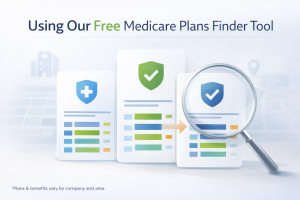
Using the Medicare Plans Finder Tool
A valuable resource when selecting a Medicare Advantage plan is the Medicare Plans Finder Tool, accessible via medicare.gov/plan-compare. This online tool is designed to help you compare Medicare Advantage plans by allowing you to enter personal details like location, desired benefits, and budget. The tool gives you an overview of various plans available in your area, including benefits, drug coverage, and costs, ensuring you can sign up confidently. By inputting your specific health needs, you can tailor the search results to show plans offering additional benefits beyond Original Medicare, such as dental, vision, and prescription drug plans.
Beyond comparing basic plan details, the tool also provides insights into plan ratings and member feedback. These ratings give an objective measure of a plan’s performance in serving its members, which is crucial when determining the best plan for your needs. While using the tool, it’s vital to have your Medicare card handy to reference numbers accurately.
The Plans Finder Tool not only simplifies the process of comparing plans but also aids in understanding the comprehensive coverage options, including any network restrictions that might affect healthcare provider access. Ultimately, employing this tool ensures you’re making an informed decision about your healthcare coverage, minimizing out-of-pocket expenses while maximizing benefits. Don’t forget to complement this tool’s usage with personalized advice from Medicare.gov resources or MedicarePartCPlans.org to optimize plan selection suited to your unique health situation.
Considering Location-Specific Coverage Options
Assessing location-specific coverage options is a crucial step in choosing the right Medicare Advantage plan, as plan availability and coverage details can vary significantly by geography. Certain regions might have more Medicare Advantage plans than others, with some plans offering specific benefits tailored to local needs. To explore these options, commence with a location-based search using tools like medicare.gov/plan-compare or resources from MedicarePartCPlans.org. Such tools can assist in identifying plans with local healthcare provider networks, which might be essential if you prefer to maintain existing doctor-patient relationships or have access to renowned specialists in your vicinity.
Understanding the implications of network restrictions on your healthcare choices is also essential. Some Medicare Advantage plans, particularly Health Maintenance Organization (HMO) plans, may require you to use specific hospitals and clinics within a pre-defined network, potentially affecting access if you live in or frequently visit regions outside their coverage. Exploring these network-specific considerations helps avoid disruptions in care, especially if your lifestyle includes travel or split residency across different states. Additionally, it’s beneficial to consider any plans offering multi-state coverage if you reside in multiple locations.
By examining these location-specific details, you’ll be equipped to pick a Medicare Advantage plan that complements both your lifestyle and health requirements, ensuring optimal coverage and accessibility. Always revisit your selected plan’s terms annually during enrollment periods like the Annual Enrollment Period, as adjustments to healthcare needs or location changes may necessitate reevaluating your current plan choice.
As you delve deeper into location-specific coverage options, consider these key factors to facilitate an informed decision:
- Evaluate the breadth of provider networks in your area.
- Determine the extent of coverage while traveling or living seasonally elsewhere.
- Investigate the availability of local healthcare facilities within each plan.
- Analyze the potential impact of network restrictions on your preferred healthcare providers.
- Assess your plan’s adaptability to changes in your living arrangements.
- Review plan-specific benefits tailored to regional healthcare needs.
- Explore multi-state coverage options if residing in multiple locations.
These factors will guide your selection of a Medicare Advantage plan suited to your needs.
Methods to Enroll in Medicare Advantage
There are several convenient methods you can use to enroll in a Medicare Advantage plan, each designed to accommodate different preferences and ensure a seamless enrollment process. One popular enrollment method is via the Medicare website, where you can sign up directly by comparing plans and completing the necessary forms online. This method is expedient and provides a comprehensive platform to view and assess different advantage plan options available in your location. Alternatively, you may choose to enroll by calling the plan directly or via the Medicare hotline, which aids those who prefer discussing their options over the phone.
For individuals who prefer traditional communication methods, enrolling by mail or fax is also possible. Typically, you would download or request the necessary forms from the plan or from Medicare’s resources, fill them out, and send them back. This option allows for a tangible means of enrollment, providing a comforting and familiar process for those who are less tech-savvy or prefer physical documentation.
Ensuring eligibility in advance is crucial, and you can check this with the Social Security Administration to verify details like your Social Security benefits. This step helps confirm that you’re ready to join an advantage plan without hitches. Importantly, enrollments need to be made within specified enrollment periods, as previously detailed, to avoid unnecessary complications or penalties. Utilizing the tools and resources provided by MedicarePartCPlans.org can guide you in choosing the best enrollment method based on your specific needs and preferences, ensuring you navigate the Medicare Advantage landscape effectively.
Understanding the enrollment process for Medicare Advantage plans is crucial to making informed healthcare decisions. By analyzing your health needs, comparing plan benefits, and utilizing our free Medicare plans finder tool, you can select a plan that aligns with your requirements. Remember to review each plan’s coverage network, out-of-pocket costs, and additional benefits to ensure it supports your healthcare journey effectively. Stay proactive and regularly revisit your plan annually to accommodate any changes in your health or the insurance landscape. For further assistance, continue exploring the resources provided by MedicarePartCPlans.org.
Compare plans and enroll online
Frequently Asked Questions
What are Medicare Advantage plans?
Medicare Advantage plans, also known as Medicare Part C, are offered by private insurance companies that contract with Medicare. These plans provide all the benefits of Original Medicare along with additional services, such as vision, dental, and hearing coverage. They often include drug coverage and require beneficiaries to use a network of healthcare providers.
Why should you consider a Medicare Advantage plan?
Medicare Advantage plans may offer extra benefits not covered under Original Medicare, providing more comprehensive healthcare coverage. They include predictable out-of-pocket expense caps, which can help with budgeting. However, these plans may limit your options to a network of providers and require navigating in-network services for cost savings.
What are the eligibility requirements for Medicare Advantage plans?
Individuals generally qualify for Medicare Advantage plans if they are 65 years and older or younger individuals with certain disabilities or conditions, such as end-stage renal disease. It’s important to have an active Medicare card and confirm that the chosen plan serves your area.
When can you enroll in a Medicare Advantage plan?
Enrollment periods include the Initial Enrollment Period, Annual Enrollment Period (October 15 to December 7), and Medicare Advantage Open Enrollment Period (January 1 to March 31). Special Enrollment Periods are available for certain life events, like moving out of a plan’s service area.
How do you choose the right Medicare Advantage plan?
Choosing the right plan requires understanding your healthcare needs, budget, and location-specific coverage options. Utilize tools like the Medicare Plans Finder Tool on medicare.gov/plan-compare to compare plans. Consider additional benefits, network restrictions, and plan ratings for an informed decision.
Have Questions?
Speak with a licensed insurance agent
1-877-436-2343
TTY users 711
Mon-Fri: 8am-9pm ET
Find & Compare Plans Online
ZRN Health & Financial Services, LLC, a Texas limited liability company