Medicare Advantage Plans, or Medicare Part C, offer a unique alternative to traditional Medicare plans by combining hospital, medical, and often prescription drug coverage into one plan. These plans are provided by private insurers and must meet Medicare’s coverage guidelines. While Medicare Advantage can be appealing due to additional benefits like vision and dental coverage, it’s essential to understand both the advantages and drawbacks. This page will help you explore the nuances of Medicare Advantage Plans, ensuring you make informed decisions that suit your healthcare needs and financial situation.







What Are The Pros And Cons Of Medicare Advantage Plans
Key Highlights
- Medicare Advantage plans combine hospital, medical, and often prescription drug coverage into one, offering potential cost savings and additional benefits.
- Key differences between Medicare Advantage and Original Medicare include bundled services, network restrictions, and prescription drug benefits.
- Medicare Advantage offers extras like vision and dental, but requires network providers, potentially limiting doctor choices.
- Enrollment periods critical for transitioning, switching, or dropping plans include the Initial Enrollment Period and Annual Enrollment Period.
- The free Medicare plans finder tool aids in comparing plans by location and individual coverage needs, maximizing Medicare Advantage benefits.
Compare plans and enroll online
Introduction to Medicare Advantage Plans
Medicare Advantage plans, also known as Medicare Part C, are a popular alternative to traditional Medicare. These plans are offered by private insurance companies but still provide the comprehensive coverage you’d expect from Medicare. Medicare Advantage plans combine various parts of Medicare into a single plan, potentially offering lower costs, additional benefits, and different service coverage. If you’re a Medicare beneficiary exploring your options, understanding these plans and how they compare to original Medicare is essential. We’ll dive deeper into these aspects in the following sections.

Understanding Medicare Part C and Your Options
Medicare Part C, commonly known as Medicare Advantage, is designed to offer a bundled alternative to original Medicare. These plans are administered by private insurance companies approved by Medicare, covering services from both Part A (hospital insurance) and Part B (medical insurance). Beyond the standard offerings, some advantage plans include additional services like vision, dental, and hearing coverage.
Such options make Medicare Advantage plans appealing to many Medicare beneficiaries seeking comprehensive health care solutions while potentially reducing out-of-pocket expenses. Plan premiums vary based on the services covered, the insurance provider, and the region, allowing beneficiaries to select plans that align with their budget and health care needs.
One of the significant benefits of choosing a Medicare Advantage plan is the potential for lower costs through various service structures, such as PPO plans that provide flexibility in choosing health care providers. Many plans also incorporate Medicare Part D, covering prescription drugs under one comprehensive insurance plan, which can simplify managing health care needs. Medicare Advantage plans cater to diverse needs, offering supplemental benefits that traditional Medicare may not cover.
For Medicare beneficiaries navigating their choices, these plans present a viable option to consider, especially when evaluating additional services and coverage needs. To assist in making informed decisions, using a Medicare plan finder tool can clarify available options based on location, such as California, and individual coverage requirements, offering a clearer path to comprehensive Medicare solutions.
Comparing Medicare Advantage to Original Medicare
Understanding the key differences between Medicare Advantage plans and original Medicare can significantly impact your decision-making process. Traditional Medicare, composed of Part A and Part B, offers foundational health care coverage. However, Medicare Advantage plans, or Part C, provide an alternative by bundling additional services into a single plan.
These differences extend beyond basic coverage, encompassing factors like insurance networks, prescription drug benefits, and out-of-pocket costs. By examining these distinctions, Medicare beneficiaries can better assess which option might meet their health care needs and financial circumstances.
Key Differences Between Traditional Medicare and Medicare Advantage
When comparing traditional Medicare to Medicare Advantage plans, a few critical differences emerge that could influence your health care decisions. Traditional Medicare offers a more straightforward approach, comprising Part A (hospital insurance) and Part B (medical insurance), which covers inpatient and outpatient services, respectively. However, it typically does not include additional benefits such as vision, dental, or hearing coverage.
Medicare Advantage, or Part C, fills this gap by combining Parts A and B with these additional services into one cohesive plan, often with lower costs for supplemental benefits. This can be particularly advantageous for Medicare beneficiaries seeking comprehensive coverage that aligns with their health care needs.
Another major distinction lies in prescription drug coverage. Original Medicare does not include drug coverage as part of its plan, requiring beneficiaries to enroll in an additional Part D plan if they wish to receive prescription benefits. In contrast, many Medicare Advantage plans include drug coverage as a bundled feature, simplifying the management of various health care services under one insurance plan. This integration can streamline the process, reducing complexities and potentially lowering overall costs.
Finally, network considerations play a vital role in choosing between these options. Traditional Medicare provides a broader selection of health care providers, offering more flexibility in choosing doctors and specialists. Conversely, Medicare Advantage often requires the utilization of network providers, which might limit your choices but can result in lower plan premiums and out-of-pocket expenses.
Considering these key differences, beneficiaries should evaluate their health care priorities and budget when deciding between traditional Medicare and a Medicare Advantage plan. Navigating these options with a clear understanding of each plan’s benefits and limitations empowers you to make informed health care choices.
Benefits of Medicare Advantage Plans
Medicare Advantage plans, also known as Part C, offer a range of advantages over traditional Medicare, making them an attractive option for beneficiaries seeking comprehensive health care solutions. These plans are offered by private insurance companies and provide integrated coverage that includes hospital, medical, and often prescription drug coverage. With potential cost savings and additional services, Medicare Advantage plans are a popular choice for those looking to enhance their Medicare benefits. In this section, we’ll explore the added services and coverage options that make Medicare Advantage a compelling choice for many.
Additional Services and Coverage Options
Medicare Advantage plans go beyond the scope of traditional Medicare by offering additional services and coverage options that can significantly enhance your health care experience. One of the primary benefits of these plans is the inclusion of supplemental benefits that aren’t typically covered under Original Medicare. Services such as vision, dental, and hearing care are often included, allowing beneficiaries to address a broader range of health concerns without needing separate insurance plans.
Moreover, many Medicare Advantage plans integrate Medicare Part D, offering prescription drug coverage within the same policy. This integration simplifies the management of disparate health care services, potentially reducing administrative hassles and financial burdens. For those under Medicare Advantage, this can mean fewer monthly payments and a streamlined way to monitor your medical expenses effectively.
Network considerations also form a critical part of Medicare Advantage plans. While some may see the use of network providers as a limitation, it can actually lead to lower health care costs. These networks often partner with health care providers to offer services at negotiated rates, benefiting you with lower out-of-pocket expenses. Additionally, coordinated care within these plans ensures that your treatments are well-organized across different health care providers, further enhancing the quality of care you receive.
Considering these expanded coverage options, Medicare Advantage plans offer a viable route to achieving comprehensive health care coverage. Whether you’re looking for lower costs, additional health services, or ease of management, these plans provide a variety of options to suit individual preferences and health care needs. For those seeking the most effective plan, our Medicare plans finder tool can help you navigate these choices based on your particular coverage requirements and geographic location.
Understanding the Cons of Medicare Advantage
Medicare Advantage plans offer a wealth of benefits, but they’re not without potential limitations. These plans can present certain drawbacks that beneficiaries need to consider, especially when comparing them to traditional Medicare. Key areas of concern include network restrictions, coverage variances, and potential out-of-pocket costs. Understanding these cons can help Medicare beneficiaries make informed decisions. In this section, we’ll examine the potential limitations and drawbacks of Medicare Advantage plans to provide a balanced view of what these plans entail.
Potential Limitations and Drawbacks
While Medicare Advantage plans may seem appealing due to their bundled benefits, several potential limitations can affect how well they meet your health care needs. A significant drawback is that many Advantage plans require you to use network providers, restricting your choice of doctors and specialists compared to traditional Medicare. This limitation might impact your ability to visit preferred health care providers unless they’re within the plan’s network, potentially necessitating a switch to different providers. Additionally, these networks can vary significantly based on your geographic location, which may result in different levels of access depending on where you live.
Another consideration is the plan premium and costs associated with Medicare Advantage plans. While these plans can offer lower plan premiums than supplemental insurance, they often involve additional out-of-pocket expenses for services, particularly if you opt for care outside the network. Premiums can also vary based on the plan type and benefits included, emphasizing the importance of carefully reviewing each option. Furthermore, specific services or coverage offered may differ from traditional Medicare, which could leave you needing supplemental coverage for areas not fully addressed by the Advantage plan.
This complexity means understanding the detailed terms of the advantage plans is crucial. While some plans might integrate Medicare Part D for prescription drug coverage, others may not, requiring separate consideration of your prescription needs. These plans often emphasize coordinated care at potentially lower costs, but understanding their network limitations and coverage scope is essential for making informed decisions. For those weighing their health care options, MedicarePartCPlans.org provides resources like a free Medicare plans finder tool to assist in comparing plans by location and coverage specifications.
Medicare Advantage and Drug Coverage
Medicare Advantage plans integrate more than just standard health care; they often include prescription drug coverage. This adds convenience for Medicare beneficiaries by bundling health, hospital, and drug services into a single plan, which can simplify managing your health care. Understanding how these plans work, especially concerning prescription drugs, is crucial for assessing their potential advantages. By exploring these aspects, you’ll gain clarity about how Medicare Advantage plans handle drug coverage and why they may be a fitting choice depending on your needs and preferences.
Find & Compare Plans Online
How Prescription Plans Work with Medicare Advantage
Medicare Advantage plans often come with built-in prescription drug coverage, known as MAPD plans. This feature distinguishes them from traditional Medicare, where you’d typically need a separate Part D plan. By combining drug coverage within a single plan, Medicare Advantage simplifies health care, serving as a one-stop solution for your medical needs. This bundled approach can be particularly beneficial for Medicare beneficiaries who need medication regularly, helping streamline costs and administration.
It’s important to consider how these bundled plans handle drug formularies, which are lists of covered medications. Not all drugs may be covered under every Medicare Advantage prescription drug plan, so reviewing these lists is essential. Advantage plans may have different formularies and drug tiers, affecting how much you pay for prescriptions. Comparing formularies ensures the drugs you need are covered under your chosen plan, which can lead to lower costs and less hassle.
The network of pharmacies is also a vital aspect of Medicare Advantage prescription drug plans. Beneficiaries are often required to use specific pharmacies to get the lowest prices, which is one way these plans keep costs down. While this limitation might seem restrictive compared to traditional Medicare’s freedom, it typically results in savings through negotiated prices. Always check if your preferred pharmacy is in the plan’s network before enrolling.
Lastly, the additional benefits associated with Medicare Advantage plans shouldn’t be overlooked. In addition to drug savings, these plans often come with supplemental benefits like vision or dental care that aren’t available with traditional Medicare. When evaluating your options, weigh these added benefits against any restrictions to make a balanced and informed health care decision. For those in search of comprehensive information, using a resource like MedicarePartCPlans.org can assist in exploring Medicare Advantage options that best suit your individual needs.
To enhance your understanding of Medicare Advantage prescription drug plans, consider the following key points:
- Review the variety of drugs covered to ensure your prescriptions are included.
- Evaluate the different drug tiers as they affect out-of-pocket costs.
- Identify if your preferred pharmacy is within the plan’s network.
- Investigate any available supplemental benefits like vision or dental care.
- Understand the impact of negotiated pharmacy prices on overall savings.
- Consider how these plans streamline administration by combining services.
These guidelines can help you make a well-informed decision about your healthcare options.
Doctor Networks in Medicare Advantage
One vital aspect to consider with Medicare Advantage plans is their doctor networks, which play a significant role in the coverage and access to healthcare services. Understanding how these networks operate and their impact on your choice of healthcare providers can guide informed decisions. Doctor networks are structured differently compared to traditional Medicare, often necessitating careful evaluation of your access to preferred providers and overall healthcare benefits.
Ensuring Access to Your Preferred Healthcare Providers
Access to your preferred healthcare providers is a crucial consideration when exploring Medicare Advantage plans. These plans operate with specific doctor networks that beneficiaries must use to receive the plan’s full benefits. This network-based system means that you’ll have to choose doctors and specialists within the plan’s network to maximize coverage benefits and potentially lower costs.
While this adds an element of constraint, it can also translate to reduced out-of-pocket expenses through negotiated rates with network providers. To navigate these networks effectively, it’s essential to verify that your preferred healthcare providers are included in the plan. This ensures continuity of care and relationship with your doctors. Moreover, understanding the extent of the plan’s network is vital, as it can vary significantly based on geographic location, affecting the availability and convenience of accessing healthcare services.
If your preferred provider isn’t within the network, you might face higher fees or need to switch doctors, which can be a significant barrier for some beneficiaries. The network system of Medicare Advantage plans contrasts with traditional Medicare’s broader flexibility in provider choice. While the latter offers unrestricted access to any doctor accepting Medicare, Medicare Advantage plans’ restricted networks can result in substantial plan premium savings and other financial benefits.
Therefore, when considering Medicare Advantage plans, weigh the advantages of network limitations against the importance of accessing preferred providers and the potential for added costs. It’s crucial to assess your healthcare priorities, ensure a comprehensive understanding of each plan’s network, and choose a plan that aligns with your healthcare needs. For detailed plan comparisons by region and coverage, using a tool like the free Medicare plans finder on MedicarePartCPlans.org can simplify your decision-making process.
Medicare Advantage and Foreign Travel
Venturing abroad can raise questions about your Medicare Advantage plan and how it accommodates your health care needs while you’re traveling. Unlike traditional Medicare, Medicare Advantage plans may offer certain coverage options for foreign travel, but understanding these details is crucial before leaving the country. Knowing what services and benefits your advantage plan covers, including prescription drug needs and network requirements, can ensure you’re prepared wherever your travels take you. We’ll look into coverage specifics and factors to consider when using Medicare Advantage for health care during your international adventures.
Understanding Coverage When Traveling Abroad
Traveling abroad with a Medicare Advantage plan requires understanding how such plans handle health care outside the United States. Unlike Original Medicare, which generally doesn’t cover health care services outside the U.S., some Medicare Advantage plans offer limited coverage for emergency care when traveling abroad. However, it’s essential to clarify the specifics with your insurance provider since coverage can vary significantly depending on the plan and insurance company.
Services offered by Medicare Advantage plans for foreign travel might include emergency room visits and urgent care. It’s crucial to note that these plans may have a network of preferred providers even when abroad. Using this network can help manage your out-of-pocket expenses while maintaining access to necessary services.
Plan premiums and coverage details for Medicare Advantage depend on the provider and the region, just as they do domestically. Still, costs can add up quickly when services are needed while traveling. You may also pay for services upfront and seek reimbursement later, which underscores the importance of keeping thorough documentation of all expenses incurred abroad. Additionally, it’s wise to verify the inclusion of prescription drug coverage in your plan, as not all medications may be readily available or covered outside the U.S.
When planning extensive travel, consider supplemental travel insurance to bridge any gaps left by Medicare Advantage plans, ensuring you’re fully covered without unwelcome surprises. Moreover, Medicare Advantage plans often emphasize coordinated care, which can limit flexibility abroad, so understanding this nuance helps prepare for efficient health care access during trips.
For Medicare beneficiaries, navigating the complexities of coverage while traveling abroad can initially seem daunting, but with careful planning, these travels can be rewarding. To make informed decisions, consider using resources like MedicarePartCPlans.org, offering tools such as the Medicare plans finder to compare plan options and explore all coverage aspects tailored to your health care needs, making it easier to ensure seamless travel experiences.
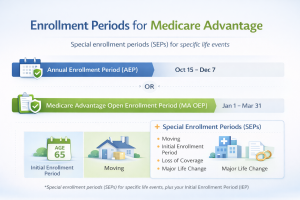
Enrollment Periods for Medicare Advantage
Understanding the enrollment periods for Medicare Advantage is crucial for making timely health care decisions. These periods dictate when you can sign up, switch, or drop a plan, impacting your overall coverage and access to benefits. Unlike traditional Medicare, Medicare Advantage involves specific time frames that ensure beneficiaries can effectively manage their health care needs. In the coming sections, we’ll explore key dates, rules, and essential considerations for changing plans, ensuring you stay informed and make the best choices for your health care coverage.
| Enrollment Period | Time Frame | Who Can Use | Allowed Changes |
|---|---|---|---|
| Initial Enrollment Period (IEP) | 3 months before to 3 months after turning 65 | Newly eligible for Medicare | Enroll in Medicare Advantage or Original Medicare |
| Annual Election Period (AEP) | October 15 – December 7 | All Medicare participants | Switch Medicare Advantage plans, switch from Original Medicare to Medicare Advantage, or vice versa |
| Medicare Advantage Open Enrollment Period | January 1 – March 31 | Existing Medicare Advantage members | Switch to another Medicare Advantage plan or drop Medicare Advantage and return to Original Medicare |
| Special Enrollment Periods (SEPs) | Varies based on qualifying event | Individuals with specific life events (e.g., moving, losing current coverage) | Change plans based on individual circumstances |
This table clearly delineates the different enrollment periods available for Medicare Advantage, highlighting their specific time frames, eligible participants, and possible plan changes, thus aiding in informed decision-making for optimal health care coverage management.
Key Dates and Rules for Changing Plans
Navigating the enrollment periods for Medicare Advantage plans requires awareness of key dates and specific rules, crucial for making informed decisions about your health care coverage. The primary time to enroll or make changes is during the Initial Enrollment Period (IEP), which begins three months before your 65th birthday and lasts until three months after. This window allows Medicare beneficiaries to transition smoothly from traditional Medicare to an Advantage plan, ensuring continuity in health care and prescription drug coverage.
Additionally, the Annual Enrollment Period (AEP), from October 15 to December 7 each year, is when you can switch plans, adjust prescription drug coverage, or return to traditional Medicare. Understanding these dates ensures timely decisions that align with your health care needs.
Moreover, the Medicare Advantage Open Enrollment Period (January 1 to March 31 annually) is specifically for current Medicare Advantage enrollees to make a one-time change. This period is unique in its focus on those already enrolled, allowing beneficiaries to switch to another Advantage plan or revert to Original Medicare if desired. These opportunities are vital for adjusting coverage based on emerging health care needs or financial considerations. The ability to navigate these rules effectively can significantly impact your out-of-pocket expenses, plan premium adjustments, and access to the extensive network offered by Advantage plans.
Each enrollment period comes with specific rules about what changes you can make, thereby impacting your insurance and health care coverage significantly. For example, while you can change plans during AEP, you cannot move back to a Medicare Supplement plan without medical underwriting, which can be a deciding factor for many. Ensuring you fully understand these periods and the associated rules will empower you to choose the best coverage for your supplemental health care needs. At MedicarePartCPlans.org, we offer tools and resources to help you track these key dates and make the best decisions for your coverage and financial situation.
Maximizing Your Medicare Advantage Benefits
Maximizing your Medicare Advantage benefits involves more than just selecting a plan. It’s about understanding how to leverage your insurance for the most comprehensive health care solutions. Exploring available plan options and using tools like our free Medicare plans finder, you can better navigate coverage, plan premium costs, and supplemental services unique to your needs. By assessing the benefits and limitations of Medicare Advantage, you can ensure you’re making informed decisions that support your health and financial goals.
Using Our Free Medicare Plans Finder Tool
For Medicare beneficiaries, finding the right plan among various Medicare Advantage options can seem overwhelming. Our free Medicare plans finder tool at MedicarePartCPlans.org simplifies this process by offering a comprehensive look at available plans based on location and individual health care needs. This tool allows you to compare coverage options, including plan premiums, networks, and additional services like dental, vision, and prescription drug coverage.
By using the tool, you can make informed decisions about which advantage plans best align with your health care priorities and financial considerations. The plans finder tool is designed to deliver user-friendly results without the stress of manually sorting through myriad options.
Whether you’re new to Medicare, seeking to maximize benefits from existing plans, or helping a loved one understand their choices, this tool aids in streamlining the selection process. It focuses on critical aspects such as network limitations, supplemental benefits, and the integration of additional services, which are crucial for understanding the full scope of what Medicare Advantage can offer.
Maximize your benefits confidently by using our plan finder, ensuring you have the most suitable plan for your health care needs.
Ultimately, Medicare Advantage plans offer a range of benefits and drawbacks that require careful consideration. These plans can provide comprehensive coverage options and additional services that Original Medicare does not, but they also come with network restrictions and potential out-of-pocket costs. Understanding your healthcare needs and comparing available Medicare Advantage plans in your area, like Michigan, can ensure you find the coverage that aligns best with your lifestyle and budget. Explore the available resources and consider reaching out to experts who can assist in navigating this complex decision-making process.
Compare plans and enroll online
Frequently Asked Questions
What are Medicare Advantage Plans, and how do they differ from Original Medicare?
Medicare Advantage Plans, also known as Medicare Part C, are offered by private insurers and combine Medicare Part A (hospital insurance), Part B (medical insurance), and often Part D (prescription drug coverage) into a single plan. They differ from Original Medicare by offering additional benefits such as vision, dental, and hearing coverage, and they may have network restrictions requiring you to use network providers.
Do Medicare Advantage Plans include prescription drug coverage?
Many Medicare Advantage Plans, also known as Medicare Advantage Prescription Drug Plans (MAPD), include prescription drug coverage. This bundled approach allows for simplified management of health care services, but it’s important to review the drug formulary to ensure that the medications you need are covered.
Are there enrollment periods for Medicare Advantage Plans?
Yes, there are specific enrollment periods for Medicare Advantage Plans. The Initial Enrollment Period (IEP) starts three months before and ends three months after you turn 65. The Annual Enrollment Period (AEP) is from October 15 to December 7 each year. There is also a Medicare Advantage Open Enrollment Period from January 1 to March 31 each year for current enrollees to make one change.
Can I use Medicare Advantage Plans while traveling abroad?
Some Medicare Advantage Plans offer limited coverage for emergency care when traveling abroad, unlike Original Medicare which typically does not cover services outside the U.S. Coverage details depend on the individual plan and provider, so it is advised to verify these details before traveling.
What is the role of network providers in Medicare Advantage Plans?
Medicare Advantage Plans often require the use of network providers to receive the plan’s full benefits. These networks can lead to lower out-of-pocket expenses due to negotiated rates but may limit your choice of doctors and specialists. It’s important to ensure that your preferred healthcare providers are within the plan’s network to maintain continuity of care.
Have Questions?
Speak with a licensed insurance agent
1-877-436-2343
TTY users 711
Mon-Fri: 8am-9pm ET
Find & Compare Plans Online
ZRN Health & Financial Services, LLC, a Texas limited liability company