When Did Medicare Advantage Plans Become Available

Since their inception, Medicare Advantage plans have significantly transformed healthcare for Medicare beneficiaries, offering an alternative way to receive Medicare benefits through private insurance companies. Understanding when Medicare Advantage plans became available is key to comprehending their development and impact over the years. As this coverage option continues to evolve, it is crucial to explore its history and the role it plays in providing beneficiaries with flexible, comprehensive healthcare solutions tailored to diverse needs.

Our guide delves into the origin, growth, and features of Medicare Advantage plans, offering valuable insights for informed decision-making.

Key Highlights

  • Medicare Advantage offers alternative benefits through private insurers, evolving since its inception in 1997.
  • Key legislation, like the 2003 Medicare Modernization Act, introduced comprehensive Medicare Advantage plans.
  • CMS oversees Medicare Advantage to ensure quality and affordability, significantly shaping its development.
  • Plans evolved from cost-saving to encompassing benefits like vision and dental, enhancing overall care.
  • Online tools, like MedicarePartCPlans.org, help beneficiaries compare Medicare Advantage plans by location.

Compare plans and enroll online

The Origins of Medicare Advantage Plans

Understanding the evolution of Medicare Advantage plans requires a look back at the roots of Medicare itself. Initially introduced to address healthcare costs for older adults, traditional Medicare set the stage for today’s comprehensive Medicare program. This article explores the significant legislative milestones that shaped Medicare and highlights how these changes paved the way for the introduction of Medicare Advantage plans. Through understanding Medicare’s journey, beneficiaries can appreciate the diverse options now available, including the personalized alternatives offered by Medicare Advantage plans.


Year Legislative Milestone Healthcare Needs Addressed Impact on Beneficiaries
1965 Medicare Established Basic Health Coverage for Seniors Improved Access to Care
1970s–1980s Experimental Programs Introduced Pilot Managed Care Options Increased Choice and Cost Control
1997 Medicare+Choice Act Extended Preventive Services Broader Provider Selection
2003 Medicare Modernization Act Prescription Drug Coverage Reduced Out-of-pocket Costs
2010 Affordable Care Enhancements Improved Cost Efficiency Enhanced Beneficiary Protections

This table highlights how legislative milestones and healthcare demands have evolved Medicare into a more flexible and comprehensive program.

Understanding Traditional Medicare and Its Impact

Understanding Traditional Medicare and Its Impact

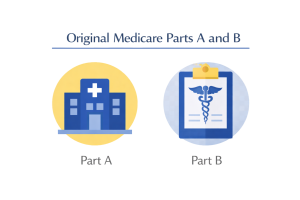
Before delving into the origins of Medicare Advantage plans, it’s crucial to understand traditional Medicare and its fundamental impact on healthcare in America. Established in 1965, Medicare was created to provide healthcare coverage to seniors aged 65 and older, ensuring that beneficiaries had access to necessary medical services. Traditional Medicare, also known as Original Medicare, consists of Part A and Part B, focusing on hospital insurance and medical insurance, respectively.

Over time, it became apparent that while Medicare offered essential services, it didn’t cover everything. Certain costs, like copayments, deductibles, and certain out-of-pocket expenses, were not fully covered. Thus, the introduction of Medigap plans helped fill some of these coverage gaps.

Traditional Medicare profoundly impacted beneficiaries by significantly reducing the financial burden associated with healthcare. However, the evolving nature of healthcare demands and costs led Congress to revisit the program’s design. This re-evaluation would eventually lead to legislative action aimed at enhancing the flexibility and comprehensiveness of beneficiary options. The primary appeal of traditional Medicare was its wide acceptance across the country, which empowered beneficiaries with choice regarding providers. Yet, as healthcare needs became more complex, it was obvious that expanded options could further enhance the beneficiaries’ experience.

The limitations of traditional Medicare spotlighted the need for a more comprehensive approach. This laid the foundation for the concept of Medicare Advantage plans. By analyzing how traditional Medicare influenced the patient experience, we see why alternative Medicare Advantage plans were developed. They addressed certain limitations by offering enhanced coverages and additional benefits like vision, hearing, and dental care. Thus, traditional Medicare’s pivotal role in the origins of Medicare Advantage plans cannot be overstated, as it set the stage for expanding beneficial choices beyond its original scope.

Key Legislative Milestones in Medicare's Evolution

The journey from traditional Medicare to the development of Medicare Advantage is marked by several key legislative milestones. One of the first significant amendments was the Medicare Prescription Drug, Improvement, and Modernization Act of 2003. This legislation introduced Part D, providing prescription drug coverage, a critical addition that addressed a significant gap left by traditional Medicare.

Beyond adding prescription drug coverage, the 2003 legislation was instrumental in birthing the Medicare Advantage plans we know today. It formalized the Medicare Advantage (MA) program, initially known as Medicare+Choice, to offer beneficiaries alternative plans provided by private insurers.

Congress recognized the importance of evolving the Medicare program to cater to changing healthcare needs. The introduction of Medicare Advantage plans allowed for flexibility and innovation in coverage. These plans were designed to encourage competition among private insurers, theoretically optimizing not only healthcare delivery but also cost-effectiveness. Subsequent legislation would continue to shape the program, including ongoing reforms for improving benefits and enhancing consumer choice.

The Centers for Medicare & Medicaid Services (CMS) played a pivotal role in implementing these legislative changes. By monitoring and regulating the efficient rollout of Medicare Advantage plans, CMS ensured beneficiaries received comprehensive, quality care under these new options. The ongoing adjustments and refinements in response to healthcare trends reflect Medicare’s commitment to meeting beneficiary needs. Through understanding these key legislative milestones, beneficiaries can see how these actions have expanded choices, allowing for a more personalized approach to healthcare beyond what traditional Medicare initially offered.

When Medicare Advantage Plans Became Available

The launch of Medicare Advantage plans marked a significant transformation in healthcare options for Medicare beneficiaries. These plans originated from the Medicare Modernization Act of 2003, which aimed to enhance beneficiary choices by allowing private health plans to participate. These private plans, known as Medicare Advantage, offer comprehensive benefits and were pivotal in reshaping the accessibility and scope of Medicare coverage. This section delves into the critical role of the Centers for Medicare & Medicaid Services (CMS) in implementing these changes and tracking the program’s impact.

The Introduction of the Medicare Modernization Act of 2003

The Medicare Modernization Act of 2003 was a legislative turning point aimed at addressing gaps in Medicare coverage and expanding options for enrollees. One of the key features of this act was the introduction of Medicare Advantage plans, also known as Part C. This initiative allowed beneficiaries to select plans offered by private health insurance companies, providing a potential for more personalized and comprehensive coverage. At its core, the Medicare Modernization Act intended to create a robust environment for competition among private plans, encouraging innovation in benefits delivery, efficiency, and cost-effectiveness.

By integrating private plans into the Medicare program, the government sought to leverage the strengths of private sector management to offer additional benefits that traditional Medicare couldn’t cover, such as dental, vision, and even fitness programs.

The introduction of prescription drug coverage under Part D also played a critical role in enhancing the comprehensiveness of the benefits. This was a significant step, as it addressed a major shortfall in the original Medicare setup by providing drug coverage options to enrollees. The act’s formulation aimed to not only improve service but also offer beneficiaries an alternative that could better meet their individual health needs.

The establishment of Medicare Advantage plans introduced a level of flexibility previously unseen in Medicare. Beneficiaries could now opt for Health Maintenance Organizations (HMOs), Preferred Provider Organizations (PPOs), and other plan types, each with unique advantages. The focus was on granting enrollees more control over their healthcare decisions. Despite the challenges faced during the implementation phase, such as determining fair payment rates to private plans and ensuring provider network sufficiency, the overarching goal remained to integrate the advantages of private sector efficiencies with the foundational coverage of Medicare.

Over the years, the Medicare Modernization Act has undergone refinements to adapt to ever-changing healthcare landscapes. These adjustments are often in response to feedback from both enrollees and providers, ensuring that Medicare Advantage plans remain viable and continue to cater to the diverse needs of beneficiaries. The act laid the groundwork for an adaptable Medicare program, and its impacts continue to evolve, providing beneficiaries with a broader array of solutions tailored to individual health preferences.

The Role of CMS in Implementing Medicare Advantage

The Centers for Medicare & Medicaid Services (CMS) plays an essential role in the successful implementation and regulation of Medicare Advantage plans. As the federal agency overseeing the Medicare and Medicaid programs, CMS is tasked with ensuring that Medicare Advantage plans meet quality and efficiency standards that align with beneficiary expectations. By setting regulations and guidelines, CMS ensures that private health plans offering Medicare Advantage deliver benefits consistently across various regions while maintaining affordability for enrollees.

An integral part of CMS’s oversight involves monitoring the plan offerings to ensure compliance with federal requirements, such as network adequacy and the coverage of mandated benefits. CMS also evaluates plan performance, using measures like the Star Ratings System, which rates plans based on quality and performance. The agency strives to uphold high service standards by employing this rigorous evaluation. This ensures that Medicare Advantage plans not only compete on cost but also on the quality of care they provide to beneficiaries.

CMS continually engages in refining its regulatory framework to respond to emerging trends in healthcare delivery. For example, recent efforts have included focusing on integrating telehealth services into Medicare Advantage plans to improve access and convenience for beneficiaries. Furthermore, CMS also takes substantial steps to educate Medicare beneficiaries about their options through comprehensive resources and support services. This education is vital, as it empowers beneficiaries to make informed healthcare decisions that align with their personal health needs and financial circumstances.

The role of CMS further includes innovating payment models to benefit providers and enrollees alike. Through feedback mechanisms and pilot programs, CMS collaborates closely with stakeholders to enhance the effectiveness of Medicare Advantage plans. The aim is to continually optimize these health plans, ensuring they adapt to the increasingly complex healthcare needs of today’s Medicare beneficiaries while promoting cost efficiency. CMS’s ongoing commitment to oversight and improvement reflects its pivotal position in shaping the landscape of Medicare Advantage, thus enhancing its appeal and reach among beneficiaries.

Building on the discussion about CMS’s critical role in Medicare Advantage, let’s explore some key initiatives and strategies the agency employs:

  • Establish clear guidelines for private insurers to ensure a consistent standard of care.
  • Monitor plan network adequacy to guarantee beneficiary access to necessary healthcare services.
  • Utilize the Star Ratings System to assess and enhance plan quality.
  • Support telehealth integration to increase service accessibility and convenience.
  • Provide transparent education resources for informed beneficiary decision-making.
  • Promote innovative payment models to balance provider incentives and enrollee benefits.
  • Collaborate with stakeholders through feedback and pilot programs for continuous improvement.

These initiatives underscore CMS’s dedication to advancing Medicare Advantage quality and accessibility.

Growth and Development of Medicare Advantage

The evolution of Medicare Advantage plans is characterized by crucial shifts and developments that have significantly impacted healthcare choices for beneficiaries. From their inception through legislative changes, these plans have expanded to offer more personalized and comprehensive benefits compared to traditional Medicare.

By examining how Medicare Advantage plans evolved and the key focus shifts that occurred, Medicare beneficiaries can better understand the diverse options available today, meeting their coverage needs more effectively than ever. This section explores the historical development and the transition from a primary focus on cost-savings to enhanced benefits.

Find & Compare Plans Online

Speak with a licensed insurance agent

1-877-436-2343TTY 711

Mon-Fri: 8am-9pm ET

How Medicare Advantage Plans Evolved Over the Years

The inception of Medicare Advantage plans can be traced back to their original purpose: fostering competition among private insurers to provide Medicare benefits. Initially introduced in the Balanced Budget Act of 1997 under the moniker Medicare+Choice, these plans aimed to offer a more varied healthcare experience than Original Medicare, a move intended to manage healthcare costs while expanding coverage options for Medicare beneficiaries.

However, it was the Medicare Modernization Act of 2003 that truly transformed Medicare Advantage into a cornerstone of modern Medicare options, rebranding it and expanding benefits to include prescription drug coverage through Part D, among other enhancements.

Gradually, Medicare Advantage plans have evolved into a highly personalized alternative to traditional Medicare, attracting more enrollees as they adapt to consumer needs. The program has seen continuous growth, with enrollment numbers consistently rising, demonstrating beneficiaries’ increasing preference for tailored plans that provide additional non-traditional benefits. Enrollees can choose from an array of plan types, such as Health Maintenance Organizations (HMOs) and Preferred Provider Organizations (PPOs), each offering unique advantages like lower out-of-pocket costs or extensive provider networks.

This flexibility allows enrollees to select plans aligning with their health requirements and financial circumstances, highlighting the adaptive nature of Medicare Advantage.

As the plans matured, they began to focus not only on cost management but also on enhancing quality and patient satisfaction. CMS’s involvement has been crucial in this regard, implementing systems like the Star Ratings to monitor plan quality and consumer satisfaction across the board. The innovation within Medicare Advantage plans continually responds to healthcare demands, incorporating services like telemedicine and wellness programs, ensuring that they meet the modern expectations of healthcare coverage.

This adaptability is why Medicare Advantage continues to attract millions of beneficiaries seeking comprehensive, high-quality care that surpasses the flexibility of Original Medicare.

Shifting Focus: From Cost-Savings to Enhanced Benefits

Over the years, the focus of Medicare Advantage plans has undergone a notable transition, from primarily concentrating on cost-savings to integrating comprehensive benefits that enhance the enrollees’ overall healthcare experience. Initially, the driving force behind Medicare Advantage was to provide cost-effective alternatives to traditional Medicare, leveraging private plans’ efficiency to control costs more effectively. However, as enrollee feedback and healthcare demands evolved, so did the priorities of Medicare Advantage plans, shifting towards an emphasis on enriched benefits designed to engage and satisfy beneficiaries.

This shift saw the introduction and expansion of benefits not typically covered by traditional Medicare, such as vision, dental, hearing, and wellness programs. These additions are designed to meet additional healthcare needs of beneficiaries, especially as the population ages and requires more ongoing, specialized care. The incorporation of these benefits plays a crucial role in ensuring that enrollees receive comprehensive care without needing supplemental Medigap plans to fill coverage gaps, reinforcing Medicare Advantage as a one-stop solution for healthcare coverage.

Moreover, Medicare Advantage plans have moved towards promoting value-based care, focusing on health outcomes and patient satisfaction rather than merely on cost. This approach results in innovations such as coordinated care services where providers work together to optimize patient health and reduce hospital readmissions. Personalized care plans, fitness memberships, and nutritional guidance further illustrate the program’s commitment to a holistic health approach.

The interaction between CMS and private insurers fosters an environment where quality care, efficiency in service delivery, and beneficiary satisfaction become the benchmarks of success, making Medicare Advantage an appealing choice for savvy beneficiaries looking to maximize their healthcare benefits.

In the modern Medicare landscape, this emphasis on comprehensive benefits not only enhances the appeal of Medicare Advantage plans to potential enrollees but also enables current beneficiaries to explore a broader scope of care and wellness options. These changes underscore a critical understanding that healthcare is not only about managing costs; it’s about delivering a complete, engaging experience that supports every facet of a beneficiary’s well-being, ensuring that Medicare Advantage plans stand as a sustainable, attractive choice for the growing number of beneficiaries.

Comparing Medicare Advantage to Traditional Medicare

Comparing Medicare Advantage to Traditional Medicare

The difference between Medicare Advantage and traditional Medicare lies in the breadth of coverage and benefits they provide to beneficiaries. Those new to Medicare, current enrollees, and caregivers often grapple with choosing between these options. This section sheds light on the key differences in coverage and benefits, as well as the reasons behind the growing popularity of Medicare Advantage plans. With an understanding of these elements, beneficiaries can make informed decisions that best suit their healthcare needs and preferences.

Key Differences in Coverage and Benefits for Beneficiaries

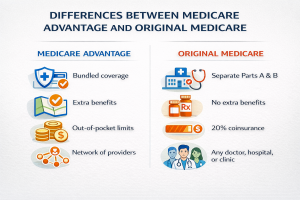
When examining Medicare Advantage versus traditional Medicare, it’s essential to understand the distinct ways each option caters to healthcare needs. Traditional Medicare, comprising Part A (hospital insurance) and Part B (medical insurance), offers a straightforward approach, accepted widely across the country without requiring referrals or network restrictions. However, traditional Medicare does come with limitations that may leave beneficiaries with high out-of-pocket costs. For instance, it traditionally doesn’t cover services like dental, vision, or hearing, necessitating additional purchases of Medigap or stand-alone insurance for these needs.

In contrast, Medicare Advantage plans, often referred to as Part C, have gained traction because they package these benefits into a single plan. Offered by private insurers, these plans must cover everything traditional Medicare does but often include extra perks such as vision, dental, hearing, fitness memberships, and sometimes even transportation services. These enhancements are particularly appealing for retired beneficiaries seeking comprehensive healthcare options without the hassle of juggling multiple policies.

Another key difference lies in the structural approach to networks. Medicare Advantage plans often operate like HMOs or PPOs, where beneficiaries may need to choose in-network doctors and obtain referrals for specialized care. While this can limit flexibility compared to traditional Medicare’s broad acceptance, the trade-off usually comes in the form of additional benefits and sometimes lower premiums and out-of-pocket expenses for covered healthcare services.

Understanding these differences is crucial for Medicare beneficiaries evaluating their options. Those who prefer choice and flexibility might lean towards traditional Medicare paired with a Medigap policy. Meanwhile, individuals prioritizing comprehensive benefits and simplicity in handling plans might find Medicare Advantage more suitable. Beneficiaries need to weigh these factors, along with personal healthcare needs and anticipated future expenses, to make informed decisions that align best with their lifestyles and health expectations.

Why Medicare Advantage Plans Are Gaining Popularity

The popularity of Medicare Advantage plans has soared in recent years, reflecting significant changes in how senior healthcare needs are met. Their growth can be attributed to several factors that appeal to an increasing number of beneficiaries. These plans offer a more encompassing approach, often with integrated benefits that address both medical and lifestyle requirements. Unlike traditional Medicare, which may involve managing multiple insurance types for comprehensive coverage, Medicare Advantage allows for a unified plan that can alleviate logistical burdens for enrollees.

A key element driving their popularity is the added value they provide through additional benefits. These plans frequently cover services not included under traditional Medicare, such as dental, vision, and hearing care. For modern beneficiaries who have diverse healthcare needs, this becomes a prominent selling point. The appeal broadens with other offerings like gym memberships and wellness programs, which cater to a health-conscious aging population keen on maintaining a quality lifestyle.

The financial structure of Medicare Advantage also plays a significant role in its rising choice among new enrollees. These plans typically have a cap on out-of-pocket spending, which can safeguard against unexpected medical expenses, a feature not available in traditional Medicare. Additionally, with competitive premiums sometimes lower than what’s needed when pairing Medicare with a Medigap plan, Medicare Advantage provides a tangible financial benefit that budget-conscious beneficiaries appreciate.

Enrollment flexibility provided during specific periods ensures beneficiaries can evaluate and potentially change their plans as their needs evolve. This flexibility, combined with ongoing advancements in plan offerings, helps retain and attract new members. Health plans bundle various services aiming to improve care coordination while fostering long-term savings, a model that resonates well with healthcare professionals and beneficiaries alike.

The involvement of CMS and consistent efforts to uphold quality through measures like the Star Ratings have reinforced confidence in these plans among beneficiaries and their families. The strategic alignment of benefits with typical healthcare demands, all while maintaining affordability, marks Medicare Advantage as an attractive path in the maze of Medicare decisions.

For those looking for both convenience and variety, this program stands out as a standout option that aligns with the changing landscape of healthcare needs for the aging population. As such, Medicare Advantage plans continue to grow, both in service offerings and in contributing to beneficiary satisfaction.

Finding the Right Medicare Advantage Plan for You

Choosing the right Medicare Advantage plan is a crucial step for Medicare beneficiaries, especially considering the wide range of benefits these plans offer. Medicare Advantage plans provide distinctive benefits beyond traditional Medicare by bundling services such as vision, dental, and hearing into one package. With varying costs and coverage specifics, it’s important to compare plans based on personal health needs and financial circumstances. This section focuses on using online tools to compare Medicare Advantage plans by location, ensuring you find the best fit for your healthcare requirements and budget.

Using Online Tools to Compare Plans by Location

Utilizing online tools to compare Medicare Advantage plans is an invaluable resource for understanding the array of options available in your locality. These digital tools simplify the process of evaluating the plethora of plans offered by private insurers, making it easier for beneficiaries to choose plans that align with their healthcare needs and financial possibilities. As Medicare Advantage plans vary significantly by location, accessing local plan details is crucial for making an informed choice.

Online platforms offer a comprehensive view of plans by displaying key factors like costs, coverage, and quality ratings, which are instrumental in discerning among various options.

MedicarePartCPlans.org is one such independent educational resource that empowers beneficiaries through its free Medicare plans finder tool. By entering your ZIP code, the tool lists all available plans in your area, detailing essential information like premiums, copayments, and specific benefits such as dental or vision coverage.

Such tools demystify enrollment choices by presenting comparative analyses that include the Star Ratings system implemented by CMS, which evaluates the quality and performance of plans based on a variety of criteria. This assists beneficiaries in understanding how each plan ranks in terms of quality, offering insights that go beyond surface-level comparisons.

Moreover, these online tools facilitate a personalized exploration of Medicare Advantage plans, taking into consideration your health status, preferences, and budget. Beneficiaries can examine different types of plans, such as Health Maintenance Organizations (HMOs) and Preferred Provider Organizations (PPOs), each with distinct structures in terms of provider networks and cost-sharing mechanisms. This feature is particularly beneficial for individuals prioritizing either flexibility in choosing healthcare providers or cost savings through more controlled networks.

Online comparison tools are designed not only for new Medicare beneficiaries but also for current enrollees reviewing their coverage choices, as well as caregivers assisting family members in navigating plan selections. These tools become a critical ally during the Medicare Advantage Annual Enrollment Period, which runs from October 15 to December 7 each year, allowing beneficiaries to change or choose new plans for the following year.

By enabling side-by-side comparisons of Medicare Advantage plans based on location, these tools ensure beneficiaries are well-equipped to make informed healthcare decisions, optimizing both service quality and personal satisfaction.

Medicare Advantage plans marked a significant shift in how Medicare beneficiaries could access healthcare services, offering an alternative to traditional Medicare with various integrated benefits. Since their inception in 1997, these plans have evolved to provide comprehensive coverage options, accommodating different health needs and preferences.

By understanding the historical context and changes in legislation, beneficiaries and their caregivers can better appreciate how Medicare Advantage plans can be leveraged to suit individual healthcare priorities, ultimately promoting informed decision-making for Medicare enrollees across diverse locations and circumstances.

Compare plans and enroll online

Frequently Asked Questions

When did Medicare Advantage plans become available?

Medicare Advantage plans were initially introduced as Medicare+Choice in 1997, and their scope broadened significantly with the Medicare Modernization Act of 2003, which rebranded them as Medicare Advantage.

What role does CMS play in Medicare Advantage plans?

The Centers for Medicare & Medicaid Services (CMS) oversees Medicare Advantage plans to ensure they meet quality and efficiency standards. CMS regulates these plans, ensuring compliance with federal requirements and monitoring plan performance using systems like the Star Ratings.

How do Medicare Advantage plans differ from traditional Medicare?

Medicare Advantage plans, offered by private insurers, typically include additional benefits such as vision, dental, and hearing coverage, not available under traditional Medicare. These plans often operate within networks, which may require choosing providers within those networks and obtaining referrals for specialized care.

Why have Medicare Advantage plans grown in popularity?

Medicare Advantage plans have gained popularity due to their comprehensive coverage, incorporating additional benefits like dental and vision care, and their structure often includes lower out-of-pocket costs. They offer a unified plan that simplifies managing healthcare at potentially lower premiums.

How can I compare Medicare Advantage plans available in my area?

Online tools like MedicarePartCPlans.org provide valuable resources to compare Medicare Advantage plans based on location. By using these tools, beneficiaries can evaluate plans by entering their ZIP code to see available options, costs, and coverage details.

Have Questions?

Speak with a licensed insurance agent

1-877-436-2343

TTY users 711

Mon-Fri: 8am-9pm ET

Find & Compare Plans Online

Speak with a licensed insurance agent

1-877-436-2343TTY 711

Mon-Fri: 8am-9pm ET

ZRN Health & Financial Services, LLC, a Texas limited liability company