As we look ahead to the new developments in Medicare Part D plans set to launch in 2027, both insurers and beneficiaries are keen on understanding the implications of these changes. This upcoming availability promises a shift in the landscape, potentially affecting coverage options, formularies, and insurer strategies. We’ll explore what 2027 Medicare Part D plans mean for insurers, providing insights into how these plans will adjust to meet evolving healthcare needs. Read on to discover when these plans will be available and what these transformations may imply for Medicare stakeholders.







When Will 2027 Medicare Part D Plans Be Available?
Key Highlights
- 2027 Medicare Part D plans will bring significant changes affecting insurers and beneficiaries.
- CMS announces updates on plan payments, enhancing prescription coverage, and modifying star ratings.
- Insurers must strategize to adapt to financial and regulatory changes in Medicare Part D offerings.
- Advance notices allow insurers to prepare for 2027 Medicare Part D plans, informing strategic adjustments.
- Regulatory announcements guide insurers in aligning with policies, maintaining compliance, and competitiveness.
Compare plans and enroll online
Understanding 2027 Medicare Part D Plan Changes
The 2027 Medicare Part D plans are poised to bring significant changes that will impact both insurers and beneficiaries. As Medicare Part D plays a crucial role in covering prescription drug costs, it’s essential to stay informed about the proposed changes and what they mean for various parties involved.
The Centers for Medicare & Medicaid Services (CMS) has released details through the CMS Newsroom, highlighting key developments in the Medicare landscape. These changes are expected to influence drug plans, plan payments, and star ratings, which are critical for evaluating the quality of health plans. Understanding these developments will help stakeholders navigate the new Medicare Part D environment effectively.
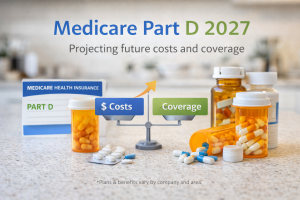
Key Developments from the CMS Newsroom
The CMS Newsroom has shared several important updates regarding the 2027 Medicare Part D plans. One of the headline cms announcements includes adjustments in plan payments and enhancements to prescription drug coverage. These updates are part of the broader CMS strategy to strengthen the effectiveness and efficiency of the Medicare program.
For insurers, understanding these proposed changes is vital, as they will affect how health plans are structured and offered. Star ratings for Medicare plans are also set to undergo revisions, impacting how plans are marketed and selected by beneficiaries. These ratings serve as a critical quality metric, influencing consumer choices and highlighting top-performing plans.
Additionally, CMS has emphasized the importance of refining the risk score methodology, which plays a key role in determining plan payments. Changes in this area aim to ensure accurate compensation for insurers while maintaining fairness and equity in the Medicare Advantage landscape. These CMS updates are released to enhance transparency and support the adaptability of health plans around upcoming regulatory shifts.
Stakeholders within the Medicare ecosystem will need to carefully analyze these updates from cms gov to strategically plan for 2027 Medicare benefit offerings. These changes aim to improve coverage and affordability, making Medicare Part D an even more integral component of senior healthcare.
To continue the discussion on the recent updates from the CMS newsroom, consider the following potential effects on Medicare Part D plans:
- Explore newly structured payment adjustments impacting healthcare providers and insurers
- Understand enhancements to prescription drug coverage and their consumer benefits
- Analyze the revisions in Medicare plan star ratings, shaping beneficiary choices
- Examine the updated risk score methodology for equitable insurer compensation
- Investigate regulatory shifts promoting transparency in health plan offerings
- Prepare strategic planning for insurers adapting to the 2027 landscape
- Assess how these changes will influence affordability and access to care
These insights highlight the pivotal changes shaping the future of Medicare Part D.
Implications for Insurers and Beneficiaries
The proposed changes in 2027 Medicare Part D plans carry substantial implications for both insurers and beneficiaries. For insurers, understanding these adjustments is crucial for strategizing around drug plans and health plan offerings. Plan payments and the revised risk score system will significantly influence financial planning and pricing strategies.
Insurers will need to adjust their offerings to remain competitive in an evolving market, as changes will likely affect enrollment patterns and beneficiaries’ preferences. The anticipated revisions in star ratings demand an increased focus on quality improvements and customer satisfaction to maintain and enhance plan popularity.
For beneficiaries, the 2027 changes promise broader options in prescription drug coverage, potentially enhancing the affordability and accessibility of much-needed medications. Beneficiaries can expect improved transparency in plan comparisons, thanks to the emphasis on updated star ratings from CMS. Keeping informed about these new developments, via resources like MedicarePartCPlans.org, is essential to make informed choices about Medicare Part D enrollment.
Both prospective and current beneficiaries should use available tools, such as the Medicare plans finder, to explore how these changes might impact their current or future coverage needs. Engaging with these changes early can provide a clearer understanding of the benefits and assist in achieving optimal health outcomes.
Advance Notice and Released Dates for 2027 Part D Plans
The release of advance notice is a critical aspect of planning for the 2027 Medicare Part D plans. For insurers, understanding these notices is essential in tailoring their strategies to the upcoming regulatory changes. The timeline for releasing plan information gives both insurers and beneficiaries ample time to make informed decisions. As details emerge, stakeholders involved can better navigate the evolving landscape of Medicare Advantage and Part D plan offerings. This section provides insights into the significance of advance notices and the expected schedule for plan information release, ensuring readiness for changes.
| Aspect | Description | Impact |
|---|---|---|
| Advance Notice | Preliminary information provided to insurers about upcoming changes. | Allows insurers to adjust plans and strategies accordingly. |
| Release Dates | Official calendar dates for when details of the plans are made public. | Ensures transparency and adequate preparation time for stakeholders. |
| Plan Adjustments | Opportunity for insurers to refine plans based on advance notice. | Enables competitive and compliant offerings for beneficiaries. |
| Beneficiary Awareness | Timeline for when beneficiaries can access new plan information. | Empowers beneficiaries to make informed decisions regarding their coverage. |
This table outlines the significance of advance notices and the timeline for the release of the 2027 Part D plan information, offering insights into the strategic considerations for insurers and the benefits for Medicare beneficiaries.
Find & Compare Plans Online
What the Advance Notice Means for Planning
Receiving advance notice from CMS is a pivotal moment for insurers as they prepare for the 2027 Medicare Part D plans. This notice serves as a preliminary guide, outlining the upcoming changes and adjustments anticipated in the healthcare framework. It allows insurers to strategize and navigate how these changes can be incorporated into their existing Medicare Advantage plans. The advance notice also impacts model adjustments that can influence insurers’ financial planning and strategic positioning in the marketplace.
Understanding the contents of this notice is vital for insurers to adapt their offerings to new regulatory standards and address any potential challenges.
The documentation typically includes information on beneficial modifications for Medicare beneficiaries, such as enhanced drug coverage and updated cost structures. Insurers need to evaluate how these changes will affect their current plans and explore options for integrating additional benefits to remain competitive.
Additionally, the advance notice encourages insurers to consider improvements in customer service, the effectiveness of drug plans, and the overall satisfaction of their client base. By utilizing these insights, stakeholders can optimize their 2027 offerings, ensuring they align with regulatory expectations and beneficiary needs. Leveraging this opportunity, insurers can ensure their plans meet both compliance standards and the demands of Medicare enrollees.
Expected Timeline for Plan Information to Be Released
The timeline for the release of 2027 Medicare Part D plan information is a carefully structured process aimed at ensuring transparency and preparedness among stakeholders. Generally, CMS releases preliminary details well in advance to allow for adequate preparation. Initial announcements usually begin in the previous calendar year, providing an early heads-up for insurers to align their plan offerings with the latest guidelines and regulations. This schedule gives insurers time to analyze the advance notice and adjust their Medicare Advantage plans accordingly.
Detailed information, including finalized rules and adjustments, is typically released in the first quarter of the year preceding the plan year. This timeline allows both insurers and beneficiaries ample time to understand the changes and make necessary adjustments. Insurers can focus on refining their proposals and marketing strategies to effectively respond to market needs.
Moreover, beneficiaries gain the advantage of assessing new plan options that better suit their healthcare needs. As the release dates approach, it’s crucial for all parties to closely monitor updates from the CMS Newsroom and other reliable sources to stay informed of any modifications or noteworthy developments.
Engaging with this information early ensures that insurers can adapt seamlessly to updated requirements, minimize potential disruptions, and maintain a robust portfolio of competitive Medicare Part D plans. Meanwhile, beneficiaries can make well-informed decisions about their prescription drug coverage, optimizing their healthcare outcomes. Leveraging resources like MedicarePartCPlans.org can help users navigate the complexities of these updates and aid insurers in refining their plan designs effectively.
How CMS Updates Affect Insurers' Strategies
As we look toward the 2027 Medicare Part D plans, understanding how CMS updates affect insurers’ strategies is crucial. Insurers must adapt to changes in Part D payments and prepare for new regulatory announcements that will impact their plan offerings. CMS, or the Centers for Medicare & Medicaid Services, plays a pivotal role in guiding these adjustments. The evolving policy landscape requires insurers to stay informed and agile, ensuring they meet new standards while maintaining competitive offerings. Strategic adjustments in these areas will be key to successfully navigating the upcoming changes in Medicare coverage and services.

Adjusting to Changes in Part D Payments
Adapting to changes in Part D payments is an integral part of insurers’ strategies when planning for upcoming Medicare transformations. As CMS modifies the framework for plan payments, insurers are tasked with recalibrating their financial models to accommodate new guidelines. Effective adaptation means examining every aspect of their current payment structures and anticipating how shifts might affect their fiscal health and plan affordability for beneficiaries.
Insurers must leverage all available resources to comprehend and integrate these changes seamlessly into their business models. Policy updates from CMS will often highlight shifts in payment calculations that drive insurers to reassess their strategies to align with the new environment.
For insurers, it is not just about adjusting financial strategies but also ensuring that enhanced service delivery remains at the forefront of changes. This might involve restructuring plans to offer improved prescription drug coverage or better understanding how shifts in plan payments influence premium calculations.
Moreover, attention to maintaining high-quality metrics, like star ratings, can create opportunities for insurers to appeal to a broader beneficiary base. The changing payments landscape also underscores the importance of preparing for unpredictable market conditions and ensuring plans remain adaptive to beneficiary needs, which in turn require strategic planning and robust financial oversight.
Staying informed via CMS announcements and industry events is vital for insurers as they plan for future Medicare offerings. Comprehensive analysis of these changes will help insurers predict trends in plan payments, ensuring they make informed decisions that safeguard their position within the Medicare Advantage space. As insurers navigate these changes, leveraging insights from CMS releases and policy updates ensures they remain ahead of the curve, ready to offer plans that reflect the needs and expectations of Medicare beneficiaries.
Preparing for Regulatory Announcements and Notices
Regulatory announcements and notices from CMS profoundly impact how insurers set their strategies for Medicare Part D. These guidelines are essential for shaping the policies that insurers need to adopt when developing their health plans. Staying abreast of CMS’s updates allows insurers to align their plans with regulatory expectations, thus avoiding potential compliance issues and ensuring they meet beneficiaries’ diverse needs. The release of advance notices from CMS gives insurers a preliminary look at forthcoming regulations, enabling them to preemptively strategize around new policy frameworks.
Understanding regulatory changes involves more than just adhering to new guidelines; it requires proactive engagement and strategic foresight. Insurers should utilize these notices to address issues within their current plan offerings, such as improving drug coverage or streamlining plan services. The ability to anticipate these regulatory shifts allows insurers to remain competitive, timely updating their plans to meet both compliance and consumer demand. It also presents opportunities to refine internal processes, enhance customer service, and improve operational efficiency.
Insurers must also focus on how these regulatory announcements affect risk assessments and financial planning. By analyzing CMS announcements, insurers can anticipate changes in the insurance landscape that may influence their overall market strategies. The insights gained from CMS policy changes allow for modifications that can improve plan attractiveness and stability.
Engaging with these announcements through platforms like MedicarePartCPlans.org equips insurers with the knowledge needed to address impending challenges and leverage opportunities for growth within the Medicare Advantage market. Through comprehensive preparation and strategic alignment, insurers can sustain their offerings in an ever-evolving Medicare environment.
The anticipated release of 2027 Medicare Part D plans presents insurers with strategic opportunities for innovation and adaptation in the healthcare market. As they navigate the complexities of policy updates and consumer needs, insurers should focus on enhancing plan offerings and leveraging technology to better serve Medicare beneficiaries.
By staying informed and proactive, insurers can position themselves to effectively meet the evolving demands of Part D enrolment periods. To stay updated on Medicare developments and plan releases, consider using our Medicare plans finder tool on MedicarePartCPlans.org for thorough plan comparisons by location and coverage requirements.
Compare plans and enroll online
Frequently Asked Questions
What are the key changes expected for Medicare Part D plans in 2027?
The 2027 Medicare Part D plans will feature significant changes in plan payments, enhancements in prescription drug coverage, and revisions of star ratings. These adjustments aim to improve health plan quality and affordability.
How will updates from CMS affect insurers of Medicare Part D plans?
Insurers will need to adapt their strategies to align with new regulatory expectations, including adjustments in financial planning, risk score methodologies, and plan quality improvements driven by CMS updates.
Why is understanding regulatory announcements from CMS important for insurers?
Keeping track of regulatory announcements helps insurers align their plans with guidelines, maintain compliance, and remain competitive. These updates provide insights on necessary improvements and anticipated changes in policies.
How can beneficiaries of Medicare Part D prepare for the 2027 changes?
Beneficiaries should stay informed about the changes, such as improved transparency and drug coverage options, through resources like MedicarePartCPlans.org. This knowledge helps them make more informed decisions about their healthcare needs.
What resources can help stakeholders understand the changes in Medicare Part D?
The CMS Newsroom and websites like MedicarePartCPlans.org can provide timely updates and tools, such as the Medicare plans finder, to help insurers and beneficiaries navigate the changes effectively.
Have Questions?
Speak with a licensed insurance agent
1-877-436-2343
TTY users 711
Mon-Fri: 8am-9pm ET
Find & Compare Plans Online
ZRN Health & Financial Services, LLC, a Texas limited liability company