Which is Cheaper Medicare Advantage or Medigap?

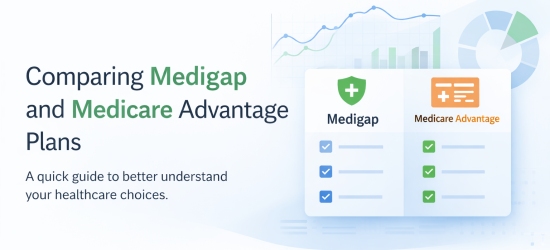
When comparing Medicare Advantage, Medigap, and Medicare Supplement plans, it’s essential to understand how these options differ financially. Each type of plan has unique features that influence overall costs, including premiums, copayments, deductibles, and out-of-pocket maximums.

Evaluating these factors can help Medicare beneficiaries make informed decisions based on their healthcare needs and budget. By carefully assessing the financial implications of each plan type, individuals can better position themselves to choose a Medicare option that aligns with their personal circumstances and provides value for their healthcare investment.

Key Highlights

  • Medicare Advantage offers comprehensive benefits, often including vision, hearing, dental, and prescription drugs under a single plan.
  • Medigap plans fill gaps in Original Medicare, covering costs like copayments, coinsurance, and deductibles.
  • Understanding plan differences is crucial; Medigap provides flexibility, while Medicare Advantage may limit provider choice.
  • Comparison analysis using tools like MedicarePartCPlans.org helps beneficiaries choose plans suited to their health and financial needs.
  • Medicare Advantage often has lower premiums but varying out-of-pocket costs; Medigap has consistent, predictable expenses.

Compare plans and enroll online

Understanding Medicare Advantage: An Overview

Medicare Advantage, also known as Medicare Part C, offers an alternative to Original Medicare by providing a range of health services within a single plan. This option often appeals to beneficiaries due to its comprehensive benefits and coverage flexibility. In this section, we’ll explore what Medicare Advantage entails, the key benefits it presents, and the costs associated. Whether you’re new to Medicare or reviewing your current plans, gaining insights into how these advantage plans work can help in making informed decisions about your healthcare coverage.

What is Medicare Advantage and How Does It Work?

Medicare Advantage, or Medicare Part C, is an alternative way for Medicare beneficiaries to receive their Part A and Part B benefits through private health plans. These advantage plans are offered by private insurance companies approved by Medicare.

They typically cover everything Original Medicare does, but many also include additional benefits like vision, hearing, dental, and even prescription drugs, making them an attractive option for many beneficiaries. These plans consolidate various health services under a single umbrella, often simplifying healthcare management for users.

Enrollment in Medicare Advantage plans typically occurs during specified enrollment periods. Anyone eligible for Original Medicare can choose to switch to a Medicare Advantage plan during their Initial Enrollment Period, the Annual Election Period, or during Special Enrollment Periods under certain circumstances.

These windows ensure that beneficiaries can review and adjust their coverage as needed, particularly when their health or financial situations change. Importantly, Medicare Advantage plans generally offer lower monthly premiums compared to other options, though costs can vary based on the plan chosen and the services provided.

The appeal of Medicare Advantage plans extends beyond just cost savings. Many beneficiaries find value in the extra benefits these plans provide. Preventive care, wellness programs, and personalized care coordination are often included, giving seniors greater support in managing their health. The integration of services within a single plan can reduce the administrative burden on beneficiaries, making healthcare more accessible and straightforward. For those managing multiple health needs, the managed care approach of many Medicare Advantage plans can also facilitate a more coordinated approach to patient care.

Understanding the structure of Medicare Advantage plans is crucial. These plans are divided mainly into Health Maintenance Organizations (HMOs) and Preferred Provider Organizations (PPOs). HMOs typically require members to use a network of doctors and hospitals and often necessitate a referral to see a specialist. PPOs offer more flexibility in choosing healthcare providers and don’t always require referrals. Knowing the difference between these structures can help beneficiaries decide which plan aligns best with their healthcare preferences and needs.

Key Benefits and Features of Medicare Advantage Plans

Medicare Advantage plans stand out due to their comprehensive care approach, which often includes additional benefits not found in Original Medicare. Besides the standard coverage for hospital and medical services, these advantage plans frequently offer extras like routine vision and dental care, wellness programs, and even gym memberships. For many beneficiaries, these added benefits enhance their healthcare coverage, promoting better health outcomes and improving quality of life.

One of the significant advantages of Medicare Advantage plans is their focus on preventive care. Many plans emphasize preventive health services by covering vaccinations, cancer screenings, and annual wellness exams without additional costs. This proactive approach helps detect health issues early, potentially reducing more severe health problems down the line. Furthermore, these plans aim to simplify care management for seniors by offering coordinated care through networks of healthcare providers.

Another critical feature of Medicare Advantage is the potential for reduced out-of-pocket costs. While Original Medicare includes a 20% coinsurance cost for many services, Medicare Advantage plans often have capped out-of-pocket expenses, providing financial predictability for beneficiaries. This cost control is particularly appealing for those on fixed incomes, as it helps protect against unexpected medical expenses.

Medicare Advantage plans also cater to individual needs and geographic locations, considering the specific health services and provider networks available in different areas. This localization ensures that beneficiaries have access to nearby healthcare providers, enhancing overall satisfaction and accessibility. When exploring these plans, beneficiaries can use resources like the free Medicare plans finder tool on MedicarePartCPlans.org, which helps compare plans based on location and specific health needs.

Ultimately, Medicare Advantage plans offer a holistic healthcare experience by integrating additional benefits with a managed care structure, thus addressing both the health and lifestyle needs of seniors. This combination of features assists beneficiaries in maintaining their health while managing their financial resources effectively.

When evaluating Medicare Advantage Plans, it is crucial to consider several factors to ensure the plan aligns with your healthcare needs and financial situation. Keeping these considerations in mind will help you make an informed decision:

  • Network Restrictions: Investigate whether your preferred healthcare providers and hospital facilities are included in the plan’s network.
  • Prescription Drug Coverage: Examine the plans formulary to ensure your medications are covered and assess any potential changes in costs or restrictions.
  • Out-of-Pocket Costs: Analyze the plans maximum out-of-pocket limit and cost-sharing structure to understand your potential financial responsibilities.
  • Supplemental Benefits: Consider any additional benefits offered, such as dental, vision, and hearing, and their potential impact on your overall healthcare.
  • Prior Authorization Requirements: Be aware of services that may require prior authorization to avoid unexpected delays or denial of coverage.
  • Customer Service and Support: Evaluate the plans reputation for customer service, ease of claims processing, and overall member satisfaction.
  • Plan Reputation and Ratings: Review independent ratings and member feedback to gauge the overall quality of the plan and its performance.

By considering these factors, you can choose a Medicare Advantage Plan that best meets your healthcare preferences and financial needs, ensuring comprehensive and cost-effective coverage.

Comparing Medigap and Medicare Advantage Plans

Costs Associated with Medicare Advantage Coverage

When considering Medicare Advantage plans, understanding the cost structure is essential for making informed decisions about your healthcare. Generally, Medicare Advantage plans offer lower monthly premiums compared to many other types of Medicare plans, though the overall costs can vary based on the specific plan and services selected. Some plans offer the appealing feature of often having no monthly premiums at all, making them highly attractive to beneficiaries on a budget.

However, it’s essential to consider other costs associated with Medicare Advantage plans, such as copayments, coinsurance, and deductibles. These costs can differ significantly from one plan to another and are influenced by factors like the type of services required and the specific healthcare providers used. Beneficiaries should also examine network restrictions, as seeing out-of-network providers often results in higher out-of-pocket expenses.

A significant aspect of Medicare Advantage plans is the out-of-pocket maximum, a feature not available in Original Medicare. This cap on expenses ensures that once you’ve reached a certain out-of-pocket limit for covered services, the plan covers 100% of the costs for the remainder of the year, providing financial protection and peace of mind for many enrollees. This aspect can be particularly beneficial for those who anticipate needing extensive medical care.

While Medicare Advantage plans offer lower upfront costs, the trade-offs can include a smaller network of preferred providers, which might limit choices regarding healthcare professionals and facilities.

Beneficiaries must balance monthly premiums against other costs, such as higher copayments or needing specialist care outside the plan’s network. Using resources like the MedicarePartCPlans.org tool can help beneficiaries compare these variables effectively, ensuring that the chosen plan aligns with both health needs and budget considerations.

Overall, the costs associated with Medicare Advantage plans are designed to provide affordable options for comprehensive healthcare coverage. By understanding these costs and utilizing available resources to compare plans thoroughly, beneficiaries can effectively manage their health care expenses while gaining access to a broad range of benefits.

Demystifying Medigap: Essential Insights

Medigap, also known as Medicare Supplement Insurance, serves as a vital resource for those looking to enhance their Original Medicare coverage. These plans, offered by private insurance companies, fill the “gaps” in healthcare expenses that Original Medicare doesn’t cover, such as copayments, coinsurance, and deductibles. As we explore the intricacies of Medigap, you’ll learn about its functionality, how it complements Original Medicare, and the diverse plan options available. Understanding these aspects can assist Medicare beneficiaries in making informed decisions about their supplemental insurance needs.

Introduction to Medigap Plans and Their Functionality

Medigap plans are designed to provide supplemental coverage that addresses the out-of-pocket costs not covered by Original Medicare. These plans offer a range of benefits aimed at reducing the financial burden associated with healthcare services, making them an attractive option for many seniors.

Medigap plans are standardized and identified by letters (Plan A through Plan N), and although the benefits under each plan are consistent across different providers, premiums may vary depending on the insurance company and state. These plans typically cover expenses such as the 20% coinsurance that Medicare Part B usually requires, additional hospital costs, and skilled nursing facility coinsurance, providing a more predictable healthcare expense structure for beneficiaries.

The primary function of Medigap plans is to bridge the financial gaps left by Original Medicare. This means covering costs such as deductibles, which can accumulate quickly, especially if you require frequent healthcare services. By offering coverage for copayments and coinsurance, Medigap helps manage the costs that Medicare Part A and Part B do not fully cover, thus preventing unexpected medical bills from overwhelming seniors on a fixed income.

To enroll in a Medigap plan, you must be enrolled in both Medicare Part A and Part B, and it’s important to note that Medigap does not cover prescription drugs, which means beneficiaries typically need to enroll in a separate Medicare Part D plan for this coverage. One of the significant advantages of Medigap is that the coverage travels with you, allowing beneficiaries to access care from any doctor or hospital that accepts Medicare, providing a level of flexibility not always available with other forms of Medicare coverage.

While Medigap plans provide robust coverage, they cannot be used in conjunction with Medicare Advantage plans. When choosing between Medigap and Medicare Advantage, it’s crucial to consider factors such as healthcare access, flexibility, and whether additional benefits, like vision or dental services, are essential to your healthcare needs. Resources like MedicarePartCPlans.org can help compare Medigap and Medicare Advantage plans, enabling beneficiaries to determine which setup best suits their healthcare preferences and financial situation.

How Medigap Coverage Complements Original Medicare

Understanding how Medigap complements Original Medicare will help you appreciate its value in a well-rounded healthcare strategy. Original Medicare, while comprehensive in its coverage for hospital and medical services, often leaves beneficiaries responsible for significant out-of-pocket costs, particularly for coinsurance, deductibles, and other shared expenses. This is where Medigap plays a crucial role by stepping in to cover these additional costs, ensuring that beneficiaries are not burdened by unexpected medical bills.

Medigap coverage is particularly effective in extending the protection offered by Original Medicare during times of high medical need. For example, should you require a lengthy hospital stay, Medicare Part A will cover the initial costs, but after 60 days, copayments become enforceable.

Medigap plans pick up where Medicare leaves off, covering these extended copayments and ensuring patients can focus on their recovery rather than finances. Similarly, for services like outpatient care, Medicare Part B coverage leaves beneficiaries accountable for 20% coinsurance, an amount that can be significant depending on the severity of the treatment required. Medigap plans cover this coinsurance entirely, offering peace of mind and financial predictability.

The synergy between Medigap and Original Medicare lies in the seamless coverage they offer together. By enrolling in Medigap, beneficiaries essentially create a complete healthcare package that minimizes out-of-pocket expenses across a range of services.

It’s capable of covering even more complex and costly procedures without financially crippling the beneficiary. Moreover, since Medigap policies are accepted nationwide by any healthcare provider that accepts Medicare, beneficiaries enjoy the freedom to receive care when and where they need it, whether it`s in their home state or while traveling across the U.S.

Medigap’s utility extends beyond just everyday care. For instance, for those who frequently require medical equipment, Medicare Part B covers 80% of the approved amount, leaving beneficiaries to manage the remaining 20%. Medigap plans alleviate this additional financial pressure by covering that percentage, making healthcare costs more predictable and manageable.

Through these comprehensive benefits, Medigap ensures that gaps left by Original Medicare are adequately filled, providing a financial safety net for seniors on a fixed income. As you consider your healthcare coverage options, understanding how Medigap complements Original Medicare can lead to more informed and financially secure healthcare decisions.

Find & Compare Plans Online

Speak with a licensed insurance agent

1-877-436-2343TTY 711

Mon-Fri: 8am-9pm ET

Medigap Plan Options: A Closer Look

Medigap plans, also known as Medicare Supplement plans, provide a suite of options tailored to bolster Medicare coverage in ways that suit individual health needs and budgets. Each Medigap plan is standardized and designated by a letter, ranging from Plan A to Plan N. While all Medigap plans offer the basics in filling the “gaps” of Original Medicare, such as covering coinsurance and copayments, each plan varies in the specifics of its coverage, allowing beneficiaries to choose based on their specific financial and healthcare priorities.

For starters, Medigap Plan F has long been one of the most popular choices due to its comprehensive coverage. It covers every possible out-of-pocket cost from Original Medicare, meaning that as long as a healthcare provider accepts Medicare, a Plan F enrollee might not pay anything out of pocket for approved medical services.

However, since January 2020, Plan F is no longer available to new Medicare beneficiaries, though existing enrollees may retain their coverage. For those new to Medicare after 2020, Plan G emerges as the closest alternative, offering identical coverage to Plan F, with the exception of not covering the Medicare Part B deductible.

Plan N is another option worth considering. It provides lower premiums than Plan F or Plan G because it includes cost-sharing features like copayments for doctors visits and emergency room visits that do not result in hospital admission. For those who do not require frequent medical attention, Plan N can be an economical choice while still offering robust coverage.

Plan K and Plan L are unique among Medigap plans because they include an annual out-of-pocket limit, potentially appealing to those looking for financial predictability after reaching a spending cap. These plan options render Medigap adaptable to diverse healthcare needs and financial considerations.

Deciding on the ideal Medigap plan should always involve considering personal health and financial circumstances. Beneficiaries are encouraged to utilize resources like MedicarePartCPlans.org to compare Medigap plans side-by-side with Medicare Advantage offerings, bearing in mind premiums, copayments, and other healthcare costs.

Each state’s regulations might slightly alter which plans are available or any rating methods for monthly premiums, so researching Medigap plan options based on location is crucial for understanding cost implications and ensuring the most suitable choice. Through careful selection, Medigap plans offer a path to enhanced Medicare coverage, allowing beneficiaries to manage healthcare costs more effectively and enjoy greater peace of mind.

Medicare Supplemental Insurance: Exploring the Options

Considering Medicare’s various pathways can seem daunting, but understanding your options for supplemental insurance is vital. Medicare Supplemental Insurance, or Medigap, offers essential assistance for those looking to cover out-of-pocket costs not addressed by Original Medicare. With various plans and benefits, understanding these alternatives can empower beneficiaries to make enlightened decisions regarding their healthcare. Let’s examine the role of Medicare Supplemental Insurance, distinguish between Medicare Advantage and Supplemental plans, and conduct a thorough comparison to guide your choices.

Understanding the Role of Medicare Supplemental Insurance

Medicare Supplemental Insurance, widely known as Medigap, serves a pivotal function for many Medicare beneficiaries by addressing the financial “gaps” left in Original Medicare coverage. These gaps often include expenses such as deductibles, copayments, and coinsurance that can accumulate over time, especially for those frequently using healthcare services. By strategically enrolling in a Medigap policy, beneficiaries can potentially shield themselves from unpredictable and often high out-of-pocket costs associated with healthcare services.

The value of Medigap plans stems from their ability to complement Original Medicare in a seamless manner. While Medicare provides the essential health services coverage under Part A (hospital insurance) and Part B (medical insurance), it falls short in covering everything, leaving beneficiaries responsible for certain significant costs. For instance, although Medicare Part B typically covers 80% of medical service costs, beneficiaries must pay the remaining 20%. Medigap plans step in to cover this shortfall, providing peace of mind by preventing unforeseeable medical expenses from straining the beneficiary’s finances.

These plans are standardized across most states, labeled from Plan A to Plan N, each offering different combinations of benefits to suit diverse financial needs and health priorities. For example, Plan F, popular before 2020, was revered for its comprehensive coverage but is no longer available to new enrollees. Instead, Plan G has taken precedence for newcomers, offering similar coverage except for the Medicare Part B deductible. This standardization means the coverage each plan offers is consistent regardless of the insurance company, although premiums may vary based on location and specific company policies.

Beyond standard coverage, Medigap offers valuable flexibility; beneficiaries can see any healthcare provider nationwide who accepts Medicare, without worrying about networks or referrals. This feature is crucial for those who travel or simply want the freedom to choose their healthcare providers without restrictions. To benefit from Medigap, individuals must be enrolled in both Medicare Part A and Part B, and it’s also important to note that these plans don`t cover prescription drugs, meaning a separate Medicare Part D plan would be necessary for medication coverage.

However, Medigap can’t be used in conjunction with Medicare Advantage plans. Individuals often weigh these options to ensure their choice aligns with their healthcare needs and financial capabilities. Resources provided by MedicarePartCPlans.org help in this crucial comparison, assisting beneficiaries in understanding how Medigap fills critical coverage gaps effectively, thus serving as a valuable asset in managing healthcare expenses.


Plan Type Coverage Features Flexibility and Networks Financial Considerations
Medigap Plan A Covers basic benefits, including coinsurance and hospital costs No network restrictions; choose any doctor that accepts Medicare Premiums vary; no network-specific costs
Medigap Plan N Covers basic benefits with additional hospital and skilled nursing facility coverage Freedom to choose providers; no network limits Moderate premiums; possible copayment for office visits and ER
Medicare Advantage (HMO) Includes hospital and medical coverage, often with additional services like dental or vision Network-based; must choose providers within HMO network Generally lower premiums; copayments and special conditions may apply
Medicare Advantage (PPO) Comprehensive coverage, includes hospital, medical, and often extra services More flexibility than HMO; can use out-of-network providers at a higher cost Variable premiums; potential for higher out-of-pocket costs

This table provides an overview of key aspects of Medicare Supplemental and Advantage plans, aiding beneficiaries in navigating their coverage options effectively.

Key Differences Between Medicare Advantage and Medicare Supplemental Plans

Navigating Medicare options requires a clear understanding of the differences between Medicare Advantage (Part C) plans and Medicare Supplemental Plans (Medigap). While both aim to enhance healthcare coverage, their structures and benefits are distinct, suiting different needs and preferences in healthcare management.

Medicare Advantage plans, available through private insurance companies approved by Medicare, provide an alternative to Original Medicare by bundling Medicare Part A, Part B, and often Part D (prescription drugs) into one comprehensive plan.

These plans frequently offer additional health services, like vision, dental, and hearing benefits, which aren’t covered by Original Medicare. Advantage plans are appealing due to their potential lower premium costs, but they operate within a network of specified providers and may require referrals for specialists, depending on whether they are Health Maintenance Organization (HMO) or Preferred Provider Organization (PPO) networks.

Medigap, on the other hand, supplements Original Medicare without replacing it. These plans cover out-of-pocket costs not addressed by Medicare Part A and B, like coinsurance and deductibles. Unlike Medicare Advantage, Medigap does not encompass additional healthcare services beyond what Original Medicare covers.

However, it provides the significant advantage of flexibility, as beneficiaries can visit any doctor nationwide that accepts Medicare, free from network constraints.

The choice between these plans also impacts other aspects of healthcare management, such as enrollment and costs. Medicare Advantage plans typically have annual enrollment periods and might offer varied costs based on the healthcare services accessed.

Conversely, Medigap plans usually have a one-time signup period beginning when a beneficiary turns 65 and enrolls in Medicare Part B. However, after this initial enrollment period, getting Medigap might be more challenging or costly due to potential medical underwriting.

Financially, Medicare Advantage plans often appeal due to their lower (or even $0) monthly premiums. Yet, the trade-offs might include higher copayments for services outside the plans network.

Medigap plans, though possibly requiring higher monthly premiums, provide substantial coverage assurance, effectively capping out-of-pocket costs and offering more predictable healthcare expenses. The absence of an out-of-pocket maximum in Original Medicare makes Medigap a prudent choice for those requiring extensive care and thus concerned about potential medical expenses.

Ultimately, deciding between Medicare Advantage and Medigap plans boils down to personal healthcare requirements and financial considerations. Beneficiaries should thoroughly analyze each plans benefits and limitations, using resources like MedicarePartCPlans.org to make educated decisions that align with their specific health needs and budget constraints.


compare medigap medicare

How to Conduct a Comparison Medicare Analysis for Informed Choices

Making informed decisions regarding your Medicare coverage involves conducting a comprehensive comparison analysis of available options. Whether you’re deciding between staying with Original Medicare, opting for Medicare Advantage, or considering a Medigap policy, a detailed evaluation is critical to aligning your healthcare coverage with your health and financial needs.

The first step in an effective comparison analysis involves identifying your specific healthcare requirements. Assessing your current health status, anticipated medical needs, and preferred healthcare providers will provide a foundational understanding of what each plan’s coverage should ideally include. This self-assessment is crucial as it influences the perceived value of additional services offered by Medicare Advantage plans, such as vision, dental, or prescription drug coverage, which aren’t provided by Original Medicare.

However, if your priority is minimizing the unpredictability of out-of-pocket expenses, especially for frequent healthcare usage, Medigap might offer a more stable financial outlook. Comparing the premiums, copayments, coinsurance, and deductibles of both Medicare Advantage and Medigap plans can highlight which option aligns better with your financial strategy.

When conducting your comparative analysis, consider geographic specifics. Both Medicare Advantage and Medigap plans may offer different coverage and premium rates based on location, as provider networks and plan availability can vary significantly. It`s worthwhile to use online resources, such as those offered by MedicarePartCPlans.org, to compare plans side-by-side, fostering a more granular examination of which plans offer optimal coverage in your area.

Using the free Medicare plans finder tool available at MedicarePartCPlans.org is highly beneficial for narrowing down your choices. This tool can compare benefits, costs, and coverage specifics across various plans, helping identify which plan fits seamlessly with your health needs and living circumstances. Additionally, understanding enrollment periods, important for both Medicare Advantage and Medigap, ensures opportunities to update or change your coverage align with eligibility windows without incurring penalties or facing availability issues.

For those assisting family members or making decisions as a caregiver, understanding these nuanced differences becomes even more vital. The goal should always be aligning selected coverage with a beneficiary’s holistic healthcare and financial situation. By systematically comparing options, incorporating insights from resources like MedicarePartCPlans.org, and considering individual and location-specific factors, Medicare beneficiaries can select coverage with greater confidence and precision.

Choosing the right Medicare coverage involves careful consideration of personal healthcare needs, budget, and long-term planning. Medicare Advantage plans can offer additional benefits at a potentially lower monthly premium, while Medigap policies typically provide extensive out-of-pocket protection.

Each option serves unique purposes, so compare details like network limitations and coverage areas. Utilize our free Medicare plans finder tool at MedicarePartCPlans.org to explore customized options and gain a clearer understanding of potential costs and benefits tailored to your situation. Making an informed decision can help ensure your healthcare needs are adequately met.

Compare plans and enroll online

Frequently Asked Questions

What is the difference between Medicare Advantage and Medigap plans?

Medicare Advantage, or Medicare Part C, provides an alternative to Original Medicare by bundling Part A, Part B, and often Part D in one plan through private insurers. Medigap, on the other hand, supplements Original Medicare by covering certain out-of-pocket costs such as copayments and deductibles.

How does Medicare Advantage manage costs differently than Medigap?

Medicare Advantage often has lower monthly premiums and could include more out-of-pocket costs, while Medigap provides more predictable expenses with higher premiums but covers most out-of-pocket costs.

Do Medicare Advantage plans include additional benefits?

Yes, Medicare Advantage plans frequently offer additional benefits not covered by Original Medicare, such as vision, hearing, dental, and prescription drug coverage, along with wellness programs.

Can I enroll in both Medicare Advantage and Medigap?

No, you cannot enroll in both Medicare Advantage and Medigap at the same time. Medigap is designed to work alongside Original Medicare and cannot be used to supplement a Medicare Advantage plan.

What should be considered when choosing between these plans?

Consider factors like healthcare needs, preferred providers, flexibility in accessing services, and financial implications. Utilize tools such as the free Medicare plans finder on MedicarePartCPlans.org to compare options.

Have Questions?

Speak with a licensed insurance agent

1-877-436-2343

TTY users 711

Mon-Fri: 8am-9pm ET

Find & Compare Plans Online

Speak with a licensed insurance agent

1-877-436-2343TTY 711

Mon-Fri: 8am-9pm ET

ZRN Health & Financial Services, LLC, a Texas limited liability company