As Medicare Open Enrollment season approaches, it’s essential to have a well-structured plan to navigate your options confidently. Our “NC Medicare Open Enrollment Checklist” aims to simplify the process for Medicare beneficiaries in North Carolina, highlighting key steps to help you make informed decisions about your healthcare coverage. This guide covers the essentials from evaluating current plans and understanding available changes to finding resources for personalized assistance. Whether you’re new to Medicare or reviewing existing options, this checklist is designed to equip you with the insights needed for a seamless enrollment experience.







NC Medicare Open Enrollment Checklist
Key Highlights
- Original Medicare, including Part A and Part B, forms the foundation of the government-provided health insurance program.
- Medicare Advantage (Part C) offers additional coverage options like vision, dental, and drug plans through private insurance.
- Medigap plans supplement Original Medicare by covering costs like deductibles, copayments, and coinsurance.
- Understand Medicare enrollment dates to avoid late penalties and ensure optimal coverage, especially in North Carolina.
- Resources like MedicarePartCPlans.org aid in comparing plan options for informed decision-making during enrollment.
Compare plans and enroll online
Understanding the Basics of Medicare
Grasping the essentials of Medicare is crucial for navigating the various health coverage options available to you. Original Medicare forms the foundation of this federal health insurance program, offering distinct benefits that cater to specific medical needs. In the following sections, we’ll break down the key aspects of Original Medicare and the benefits this health insurance offers. Whether you’re a new enrollee or a beneficiary reviewing your options, understanding these basics can empower you to make informed decisions regarding your health care and coverage, especially in the context of state-specific rules.
What is Original Medicare?
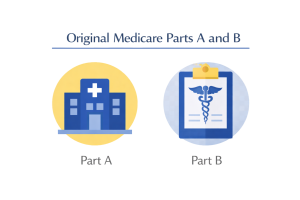
Original Medicare is the traditional government-provided health insurance program consisting of Part A and Part B, serving as the cornerstone of the Medicare system. Part A primarily covers inpatient hospital care, skilled nursing facility care, hospice, and some home health care services. This form of health coverage is often premium-free if you or your spouse has paid Medicare taxes for at least 10 years. Part B covers outpatient care, doctor visits, preventive services, and certain home health services.
Unlike Part A, Part B requires a monthly premium, which is adjusted based on your income level. Original Medicare doesn’t offer prescription drug coverage, known as Part D, highlighting the importance of Medicare drug plans that can be purchased separately. Beneficiaries need to consider whether to add a Medicare Supplement plan to help with out-of-pocket costs not covered by Original Medicare.
As you learn about these components, you’ll find that understanding your coverage needs and the benefits of supplemental options can significantly impact your health care experience, ensuring comprehensive protection and peace of mind.
Key Benefits and Coverage Options
Original Medicare offers a set of defined benefits that serve as a vital safety net for its beneficiaries. Among the primary advantages is its nationwide acceptance, allowing beneficiaries to access care from any doctor or hospital that accepts Medicare. This flexibility is crucial, especially when considering care across different states or during travel. Additionally, Medicare Part B provides coverage for preventive services, such as screenings and vaccines, with the intent to detect health issues early and maintain overall health.
While Original Medicare provides extensive coverage, it’s important to note that it doesn’t cap out-of-pocket expenses, which can be a concern for Medicare beneficiaries facing significant medical bills. To mitigate these costs, some beneficiaries consider enrolling in a Medicare Supplement plan, also known as Medigap, that helps cover deductibles, copayments, and coinsurance associated with Original Medicare.
Furthermore, for those requiring prescription drug coverage, a stand-alone Medicare drug plan (Part D) can be an important addition to your Original Medicare coverage. As you navigate the enrollment period, understanding these benefits and coverage options ensures that you select a plan tailored to your needs, addressing both your health requirements and financial considerations while utilizing resources like the MedicarePartCPlans.org finder tool for specific North Carolina Medicare Advantage plan comparisons.
Exploring Medicare Advantage Plans
Medicare Advantage plans, also known as Medicare Part C, are pivotal in broadening your health coverage options beyond Original Medicare. These plans are offered by private insurance companies approved by Medicare and encompass additional benefits like vision, dental, and prescription drug coverage. As you explore Medicare Advantage, it’s crucial to understand how these plans differ from Original Medicare and how they work in offering comprehensive healthcare solutions. By grasping these insights, you can make informed decisions during the open enrollment period to align with your specific healthcare needs and budgetary constraints.
Differences Between Medicare Parts A, B, and C
When exploring the intricacies of Medicare, understanding the differences between Medicare Parts A, B, and C is fundamental. Medicare Part A and Part B together constitute what is known as Original Medicare and lay the groundwork for a comprehensive health safety net. Part A primarily covers inpatient hospital benefits, including stays at skilled nursing facilities, hospice care, and some home health services.
If you’re eligible, you might not incur a monthly premium for Part A, which can be a significant financial relief. On the other hand, Part B includes medical insurance, which covers outpatient procedures, physician visits, and preventive services. An important point to remember is that Part B requires a monthly premium calculated based on your income, making it essential to factor into your financial planning.
Medicare Part C, or Medicare Advantage, stands apart by combining Part A and Part B coverage into a single plan through private health insurance providers. These plans not only deliver the basic hospital and medical insurance akin to Original Medicare but often go beyond by offering extra services like vision, dental, and even a drug plan, making them attractive to those seeking bundled, comprehensive care solutions.
Medicare Advantage plans may include additional health benefits, making it easier to manage your overall health care needs without juggling different insurance components separately. However, it’s important to weigh factors such as premiums, network restrictions, and the specifics of drug coverage compared to standalone Medicare drug plans (Part D).
Being well-informed about these differences enables you to strategically approach open enrollment, ensuring the health insurance coverage aligns with both current needs and future anticipations. Individuals often utilize resources like MedicarePartCPlans.org to compare plans by state and coverage specifics, aiding in the Medicare enrollment process and in evaluating whether a Medicare Advantage plan suits their lifestyle and health requirements.
Key Considerations for Understanding Medicare Parts A, B, and C
- Analyze premium costs for each part and factor them into overall budget planning.
- Investigate coverage specifics for inpatient and outpatient services under each plan.
- Compare Medicare Advantage plans to assess additional benefits like dental and vision.
- Evaluate provider network restrictions and how they might impact healthcare choices.
- Consider potential cost differences between Medicare Advantage and standalone Part D plans.
- Review available resources for comparing state-specific plans and benefits.
- Explore how each part aligns with personal health care needs and lifestyle choices.
These points should guide your exploration of Medicare options, ensuring tailored and informed decisions.
How Medicare Advantage Plans Work
Medicare Advantage plans, distinct from Original Medicare, are designed to offer all-encompassing health coverage through private insurance carriers. These plans are mandated to cover all services provided under Parts A and B, often wrapping in additional benefits such as prescription drug, vision, and dental coverage, which aren’t included in Original Medicare.
By opting for a Medicare Advantage plan, beneficiaries often find a seamless approach to managing their healthcare, as these plans consolidate various medical services under a single plan structure. This can simplify the claims process, making it appealing for those seeking streamlined medical benefits. One of the key elements of Medicare Advantage is its focus on preventive health measures.
Many plans provide incentives for beneficiaries to participate in wellness programs, regular screenings, and preventive care that can detect potential health issues early. The integration of drug plans into Medicare Advantage also means beneficiaries could have a single point of contact for both health care and drug coverage, aligning with the goal of convenient and comprehensive coverage.
However, it’s crucial to understand that these plans generally operate within specific networks of doctors and hospitals, meaning it’s imperative to verify that your preferred healthcare providers are included in the plan’s network to avoid any out-of-pocket surprises.
Another distinct aspect of Medicare Advantage is the variation in plan types, including Health Maintenance Organizations (HMOs), Preferred Provider Organizations (PPOs), and Private Fee-for-Service (PFFS) plans, among others. Each type comes with its own structure and rules regarding referrals, network coverage, and premium variations. This diversity allows Medicare beneficiaries greater choice but also necessitates a thorough review of each plan’s terms, especially during the Medicare open enrollment period.
Using helpful resources such as the Medicare Part C Plans finder tool can facilitate this process, ensuring that you select a plan that best meets your location-specific and personal health care needs.
| Plan Type | Coverage Aspects | Key Features | Premium Considerations |
|---|---|---|---|
| Original Medicare | Hospital, Medical | No network requirements, Basic preventive measures | Standard premiums, Potential income-based adjustments |
| Medicare Advantage HMO | Hospital, Medical, Vision, Dental, Drug | Requires network usage, Offers additional benefits | Variable premiums may include income-based adjustments |
| Medicare Advantage PPO | Hospital, Medical, Some Vision, Some Dental, Drug | Flexible network usage, Additional benefits provided | Higher premiums, Income-based possibilities |
| Medicare Advantage PFFS | Hospital, Medical, Possible Vision, Dental, Drug | Limited network requirements, Customizable benefits | Fluctuating premiums, Income considerations apply |
This table provides a structured overview of the distinctions between different Medicare plan types, highlighting coverage, features, and premium considerations essential for making informed healthcare choices.
Find & Compare Plans Online
The Role of Medigap Plans
Medigap plans, also known as Medicare Supplement Insurance, play a critical role in enhancing your healthcare coverage. These plans are designed to cover costs that Original Medicare doesn’t, such as deductibles, copayments, and coinsurance, providing a safety net for unforeseen expenses. In exploring Medigap, it’s key to understand how these plans differ from Medicare Advantage and how they integrate with Original Medicare. By grasping the nuances of Medigap, you can ensure that your healthcare plan offers the comprehensive coverage you need, mitigating out-of-pocket costs and enhancing your Medicare experience.
Medigap vs. Medicare Advantage: What to Know
Navigating the landscape of health insurance options can be challenging, especially when choosing between Medigap plans and Medicare Advantage. Medigap, or Medicare Supplement Insurance, acts as an add-on to Original Medicare, filling in the gaps by covering expenses like copayments and deductibles that aren’t covered by Original Medicare.
This coverage is crucial for those worried about high out-of-pocket costs, as Medigap plans offer a way to manage healthcare expenditures effectively. These plans provide flexibility, allowing beneficiaries to visit any doctor or hospital that accepts Medicare, with no network restrictions or referrals needed. This can be particularly beneficial if you’re planning to travel or reside in different locations.
In contrast, Medicare Advantage Plans, or Part C, provide an alternative way to receive Medicare benefits. These plans are offered by private insurance companies and must cover everything included in Original Medicare, with many plans offering additional benefits such as prescription drug coverage, vision, and dental care. However, these plans often have network restrictions, requiring you to select healthcare providers within a specific network, which can limit your choices.
The choice between Medigap and Medicare Advantage often depends on your healthcare needs, financial situation, and lifestyle preferences. Medigap might be ideal if maintaining comprehensive coverage without network restrictions is your priority. Conversely, if you’re looking for an all-in-one plan that may include extra benefits, Medicare Advantage could be more suitable.
Understanding these distinctions is vital as you evaluate your Medicare options during the enrollment period, ensuring you select the plan aligning with your specific health insurance requirements.
How Medigap Can Complement Your Coverage
Supplementing your Original Medicare with a Medigap plan can provide significant peace of mind, especially concerning healthcare costs and coverage gaps. Medigap plans enhance your security by covering Medicare-approved deductibles, coinsurance, and additional expenses not included in Part A and Part B. This type of health insurance is particularly beneficial for individuals who require frequent healthcare services or who desire predictable healthcare spending. With Medigap, there’s a level of financial predictability not typically available through Medicare Advantage plans, as you’re able to mitigate unexpected medical bills.
Furthermore, Medigap plans can be seamlessly integrated with your existing Medicare structure. Unlike Medicare Advantage plans, which replace Original Medicare altogether, Medigap acts as a supplement, maintaining the familiar framework of Original Medicare while extending its benefits. This integration ensures that beneficiaries remain under the umbrella of the federal Medicare program while enjoying enhanced protection against out-of-pocket expenses. It’s essential to understand, however, that Medigap policies do not cover everything, such as prescription drugs, which often require a separate drug plan like Part D.
Engaging with resources like MedicarePartCPlans.org can aid in comparing available Medigap policies, ensuring the selection of a plan that best suits your healthcare needs and financial considerations. By leveraging this comprehensive tool, you can explore a variety of plans with varying premiums and coverage levels, ultimately providing a tailored approach to your Medicare strategy. The integration of Medigap into your Medicare coverage signifies a proactive step towards comprehensive and effective health care management, assuring long-term confidence in your insurance decisions.
Navigating the Enrollment Period
Being aware of the Medicare enrollment period is crucial for making informed decisions about your health insurance coverage. During this time, beneficiaries have the opportunity to enroll in Original Medicare, change plans, or add additional coverage like a Medicare drug plan or Medigap. Understanding both initial enrollment and open enrollment can help you navigate the variety of choices available. In North Carolina, knowing the specific health insurance guidelines and crucial dates can guide your plan selection process effectively.
Important Enrollment Dates for North Carolina
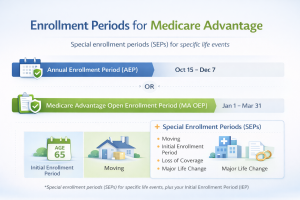
Navigating Medicare enrollment dates is essential to ensure you don’t miss out on critical health insurance coverage opportunities. In North Carolina, the Medicare enrollment period hinges on several key dates. The initial enrollment period is a seven-month window that begins three months before the month you turn 65, includes your birthday month, and extends three months after. During this time, you can sign up for Original Medicare Part A and Part B. Failing to enroll during your initial enrollment period could result in late penalties, making it crucial to mark these dates on your calendar.
Beyond your initial enrollment period, the open enrollment period, also known as the annual election period, is crucial for current Medicare beneficiaries. This spans from October 15 to December 7 each year and allows you to switch between Original Medicare and Medicare Advantage, join a Medicare drug plan, or change Medicare Advantage plans.
If you’re considering switching plans, keep in mind that any changes made during this period will take effect on January 1 of the following year. This is a prime time to assess whether your current plan meets your needs, especially if you’re eyeing additional benefits offered by Medicare Advantage that are not present in Original Medicare.
Other notable periods include the Medicare Advantage Open Enrollment Period, which runs from January 1 to March 31. During this time, beneficiaries already enrolled in a Medicare Advantage plan can switch to a different Medicare Advantage plan or to Original Medicare with or without a separate drug plan.
Keeping track of these significant dates in North Carolina can ensure you maintain optimal health insurance coverage and avoid missing the vital opportunity to align your healthcare to your evolving needs.
Steps to Change Your Medicare Plan
Switching your Medicare plan can seem daunting, but understanding the steps involved during the enrollment period can ease the process considerably. Start by evaluating your current health needs and comparing them to the benefits offered by your existing plan.
Consider whether the plan covers necessary services, such as a drug plan, and factor in any changes to your health or prescriptions over the past year. If you’re considering a switch to a Medicare Advantage plan or adding a Medigap policy for extra coverage, these decisions should be based on how well these options fit your healthcare needs and financial circumstances.
Once you’ve assessed your needs, use available resources to compare plans. Websites like MedicarePartCPlans.org offer tools to compare different plans based on coverage, costs, and your state-specific health insurance options in North Carolina.
During the Medicare enrollment period, prepare to review details like premiums, out-of-pocket costs, and network restrictions to ensure your preferred healthcare providers are included. If considering a switch from Original Medicare to a Medicare drug plan, ensure the plan you select covers your prescriptions.
To initiate the change, contact the specific plan provider to understand their enrollment process and make necessary arrangements. Use the Medicare Annual Open Enrollment Period to facilitate changes, as any adjustments to your plan will generally take effect on January 1.
Finally, once your new plan is in place, ensure you have all the required documentation and understand the terms of your new coverage, so there are no surprises. By thoroughly understanding these steps, you’ll seamlessly transition to a plan that best aligns with your health and budget needs during the open enrollment period.
Compare plans and enroll online
Resources for Caregivers
Caregivers play a vital role in helping Medicare beneficiaries navigate the complexities of health insurance options. Their support is crucial during decisions about Medicare, especially Medicare Advantage (Part C) and Medigap plans.
Caregivers need to have access to resources that can aid in understanding Medicare benefits, enrollment periods, and state-specific plans in North Carolina. First, familiarize yourself with Original Medicare, which includes Part A and Part B, providing foundational health coverage through federal health insurance. Understanding these basics enables caregivers to assist in evaluating additional coverage needs, such as a Medicare drug plan or a supplemental Medigap plan.
Utilizing online resources like MedicarePartCPlans.org can greatly enhance a caregiver’s ability to aid in the decision-making process. This independent educational site offers comprehensive explanations of Medicare Advantage plans, covering benefits and costs.
It even includes a free Medicare plans finder tool that compares different plans by state, enabling caregivers to explore the specific options available in North Carolina and how they might fit the coverage needs of their loved one.
During the Medicare enrollment period, caregivers should be proactive by marking key dates and ensuring no deadlines are missed. This period is critical for enrolling in or making changes to Medicare plans, such as switching from Original Medicare to a Medicare Advantage plan, reviewing current plan benefits, or ensuring a Medigap policy is in place to cover additional out-of-pocket costs.
Understanding these enrollment windows, including how they fluctuate year after year, will maximize the available health insurance benefits.
Another essential resource for caregivers is maintaining open communication with healthcare providers and understanding the implications of plan networks, especially in regard to Medicare Advantage plans. Since these plans often involve specific provider networks, verifying that the beneficiary’s preferred doctors and hospitals are included can avoid unexpected expenses.
By leveraging these resources and maintaining up-to-date knowledge about Medicare options, caregivers can empower themselves and their loved ones to make informed health insurance decisions that align with their needs and location-specific demands.
By utilizing this NC Medicare Open Enrollment Checklist, you can feel confident in navigating your Medicare options this enrollment period. Evaluating your current healthcare needs, understanding plan differences, and making informed decisions allows you to select a plan that aligns with your healthcare priorities.
Remember to leverage the resources available from MedicarePartCPlans.org, including our plan finder tool, to compare options specific to your needs and location. Staying informed and prepared ensures that your healthcare coverage remains aligned with your needs, offering peace of mind and empowerment on your Medicare journey.
Have Questions?
Speak with a licensed insurance agent
1-877-436-2343
TTY users 711
Mon-Fri: 8am-9pm ET
Find & Compare Plans Online
ZRN Health & Financial Services, LLC, a Texas limited liability company