As 2027 approaches, finding the right vision and dental insurance for seniors becomes paramount to maintaining overall health and well-being. Understanding the various senior dental coverage options available can help make informed decisions that align with specific needs and budgets. This guide delves into key features, benefits, and considerations of different insurance plans, aiming to empower seniors and caregivers to navigate the often-complex landscape of vision and dental coverage. By exploring these options, seniors can ensure they remain proactive in preserving their dental and vision health in the years ahead.







Best Vision and Dental Insurance for Seniors
Key Highlights
- MedicarePartCPlans.org helps seniors choose Medicare Advantage plans with vision and dental coverage.
- Dental insurance helps seniors afford essential and preventive care, impacting overall health.
- Vision plans for seniors cover routine exams and treatments for age-related eye conditions.
- Dental and vision packages offer seniors comprehensive, convenient care under one plan.
- Tools like MedicarePartCPlans.org’s plan finder simplify comparing insurance options for seniors.
Compare plans and enroll online
Understanding Medicare Advantage (Part C) and Its Benefits
Medicare Advantage, also known as Part C, is an all-in-one alternative to Original Medicare that offers a comprehensive coverage package. For seniors seeking a combination of healthcare benefits, these plans often include vision and dental coverage, making them an attractive choice. Medicare Advantage plans are offered by private insurance companies, approved by Medicare, and they provide all Medicare Part A and Part B services. Beneficiaries may also access additional benefits like fitness programs, hearing coverage, and more. MedicarePartCPlans.org guides seniors in understanding these benefits and choosing the right plan for their needs.

Exploring Medicare Advantage and Its Role for Seniors
Medicare Advantage plans, or Part C, are increasingly popular among seniors seeking to streamline their healthcare coverage. By integrating benefits from Medicare Part A and Part B, these plans offer a unified approach to healthcare services, also encompassing diverse extras like vision and dental coverage. As these plans are provided by private insurance companies, like Allstate, they’re diverse in offerings, allowing seniors to pick coverage that fits their unique needs and preferences.
Unlike Original Medicare, Medicare Advantage plans often bundle additional services that might include unique offerings such as wellness programs and healthcare concierge services, tailored for the senior population.
The inclusion of vision and dental benefits is a significant draw for Medicare Advantage plans. While Original Medicare doesn’t typically cover routine vision and dental care, choosing a plan that does can significantly ease the financial burden of maintaining these important aspects of health. Insurance companies craft plans to answer the needs of seniors, offering options that might otherwise require separate supplemental plans, known as Medigap. When considering what benefits the senior demographic gets from these plans, it’s essential to look at cost-effectiveness, access to preferred healthcare providers, and the breadth of coverage.
Moreover, Medicare Advantage plans often come with an edge in managing out-of-pocket expenses due to their capped limits, providing predictability in healthcare spending. Seniors can focus on maintaining their health without the worry of unpredictable costs that come with high expense services such as hospital stays and specialized healthcare needs. These plans have no underlying obligation to cover the same things as Medigap, so analyzing specific plan offerings through informed resources like MedicarePartCPlans.org can be truly beneficial.
This way, individuals can scrutinize additional features, ensuring their vision and dental coverage align with their medical needs and financial circumstances.
How MedicarePartCPlans.org Simplifies the Plan Selection Process
MedicarePartCPlans.org is a valuable educational resource designed to demystify the complexities associated with Medicare Advantage. For seniors, navigating the myriad of insurance plans, each with distinct coverage options and costs, can be daunting. This platform aids in breaking down these complexities by providing clear, unbiased information tailored to the specific needs of the Medicare beneficiary community. One of the key features of MedicarePartCPlans.org is its free Medicare plans finder tool, which allows seniors to compare multiple insurance company offerings based on location and personal coverage necessities.
Through comprehensive insights and easy-to-navigate resources, MedicarePartCPlans.org empowers seniors to make informed decisions by focusing on critical plan components, such as whether vision and dental coverage is included. The site delves into the nuances of senior dental and vision insurance, ensuring clarity on what each plan offers. This is crucial for understanding how these coverages can significantly optimize a senior’s healthcare experience.
For individuals and caregivers alike, having access to a tool that compares plans side by side based on benefits and costs, such as the inclusion of dental plans, can lead to better alignment with personal healthcare priorities.
MedicarePartCPlans.org dismantles the intricate layers of Medicare, showing seniors not only the practicalities of Part C plans but also enlightening them about hidden benefits they might not realize are available. Educational articles explain key differences between Original Medicare, Medicare Advantage, and supplemental plans, providing insights that go beyond surface-level understanding. The site reflects a commitment to being a supportive ally in the Medicare maze, offering seniors and their families straightforward, actionable guidance as they navigate insurance choices.
By focusing on the specific needs of senior users, MedicarePartCPlans.org ensures that each individual’s exploration of Medicare Advantage options is both comprehensive and reassuring, facilitating a smoother transition to these all-encompassing plans.
Importance of Dental and Vision Coverage for Seniors
As we age, maintaining oral and ocular health becomes crucial, emphasizing the need for comprehensive dental and vision coverage. Vision and dental coverage for seniors is an integral part of preserving overall health and well-being. Many seniors overlook the cumulative impact that dental and vision plans can have on their quality of life, which is where insurance for dental care and vision plans becomes essential. Prioritizing dental and vision insurance ensures seniors continue to enjoy a life free from potential health complications, underscoring how interlinked these benefits are to holistic senior healthcare.
Why Dental Insurance Matters in Senior Years
Dental insurance plays a pivotal role in guaranteeing that seniors have access to necessary dental care without financial strain. With age, dental issues such as tooth decay, gum disease, and tooth loss become increasingly common, elevating the importance of having suitable dental coverage. Dental insurance is designed to lower the cost burden associated with regular exams, preventive care, and more significant procedures. Seniors often face conditions that require immediate attention, and having insurance ensures access to necessary treatments, such as cleanings, fillings, and dentures, to maintain oral health.
Additionally, dental insurance often covers biannual exams and cleanings, encouraging regular checkups that can identify potential issues early, avoiding extensive procedures down the line. This preventive nature of dental insurance, especially through reputable providers like Delta Dental, instills a sense of security in seniors, knowing their dental health is being proactively managed. The coverage options available today range from basic plans covering essential services to more comprehensive packages that include orthodontics and restorative procedures.
The broader implications of dental health on overall wellness can’t be overstated. Research consistently links poor dental health to broader health concerns such as cardiovascular diseases and diabetes, which are especially pertinent to the senior demographic. By investing in robust dental insurance, seniors not only secure their oral health but also bolster their general health profile, reducing the risk of complicated conditions that can arise from neglected dental issues.
Furthermore, seniors sometimes encounter limitations in their vision plans that necessitate an added focus on dental coverage. As a component of a broader insurance strategy, dental plans that complement vision coverage are essential to comprehensive health care for seniors. MedicarePartCPlans.org provides a wealth of information on these topics, helping seniors make informed decisions regarding dental and vision insurance by comparing different plans and their benefits tailored to senior-specific needs.
The Role of Vision Coverage in Overall Health
Vision coverage significantly impacts seniors’ ability to maintain independence and quality of life. As visual acuity often deteriorates with age, having vision insurance becomes crucial for covering costs associated with routine exams, corrective lenses, and treatments for age-related eye diseases. Regular eye exams, typically included in most vision plans, help detect glaucoma, cataracts, and macular degeneration early, conditions that, if left unchecked, can significantly impair one’s quality of life.
Vision insurance often covers the expenses for frames, lenses, and contacts, which are essential for daily functioning. By providing financial assistance for corrective solutions, vision insurance plays a critical role in ensuring seniors can still engage with their environment fully. This coverage also extends to special procedures such as cataract surgery or laser treatments, which are crucial in managing eye health for seniors.
Furthermore, the link between vision health and overall well-being cannot be ignored. Poor vision has been associated with an increased risk of falls and fractures, depression, and cognitive decline. Thus, robust vision coverage helps mitigate these risks by facilitating regular, thorough eye care.
Vision insurance aligns with the holistic approach to senior health by addressing more than just the immediate need for vision correction; it supports a comprehensive health strategy that considers how vision impacts daily activities and overall health. MedicarePartCPlans.org is an invaluable resource for seniors looking to integrate vision plans with their existing Medicare Advantage or supplemental coverage. By focusing on personalized needs and location-specific options, seniors can find vision insurance that adequately supports their lifestyle, ensuring long-term visual and systemic health.
Types of Dental Insurance Available in 2027
Choosing the right dental insurance is crucial for seniors in 2027, balancing affordability and comprehensive care. With options ranging from Delta Dental to other major providers, understanding the plans available can help tailor coverage to individual needs. Dental insurance comes in various forms, such as dental health maintenance organizations (DHMOs), preferred provider organizations (PPOs), and indemnity plans. Each offers unique coverage benefits and cost structures. Navigating these options can be made simpler using resources like MedicarePartCPlans.org, guiding seniors to compare plans and make informed decisions.
Comparing Different Dental Plans for Seniors
Comparing dental plans for seniors involves understanding a variety of factors influencing both coverage and cost. The landscape in 2027 includes numerous types of dental insurance, each with its distinct characteristics and benefits. Preferred provider organizations (PPOs), for instance, offer flexibility in choosing dentists but might come with higher premiums and out-of-pocket costs.
This type often provides a wider network of dental professionals, granting seniors the liberty to choose within or outside the network, albeit at a different cost structure. Dental health maintenance organizations (DHMOs), on the other hand, typically present lower premiums and no deductibles. These plans, while more cost-effective, often require members to choose from a network of dentists to keep expenses minimal, encompassing both preventive care and more involved dental procedures.
Delta Dental is among the major insurance companies providing a variety of coverage options. Seniors must review what’s covered, including waiting periods for certain procedures. These waiting periods can vary significantly between plans. Understanding these periods helps in planning around potential dental care needs. For instance, a plan might cover preventive care immediately, but require a waiting period before major work, such as crowns or dentures, is covered.
Additionally, seniors should evaluate the coinsurance terms, what percentage of the dental care costs they are responsible for after meeting any deductibles. A critical aspect of purchasing dental insurance is also comparing the overall costs, including potential monthly premiums, and how they align with a senior’s budget.
To find the most suitable dental plans, seniors could significantly benefit from the tools offered by sites like MedicarePartCPlans.org. These tools allow users to assess dental plans side-by-side, helping in understanding the nuances of each option based on one’s location and specific dental needs.
By utilizing such resources, seniors are empowered with the knowledge to choose plans that comprehensively address their dental care requirements and financial considerations. This comparison not only elucidates coverage specifics but also ensures that seniors make well-informed, strategic choices about their healthcare.
Find & Compare Plans Online
Supplemental Dental Coverage: What It Offers
Supplemental dental coverage complements existing dental plans, providing an additional layer of security for seniors. It plays a pivotal role when standard dental insurance falls short of covering certain procedures or categories of dental care. This secondary insurance becomes significant, particularly when dealing with the high costs of dental treatments that might not be fully covered under primary dental insurance.
Supplemental plans often cater to needs such as restorative procedures or specialized care, which may otherwise incur substantial out-of-pocket expenses. For seniors seeking comprehensive dental treatments, having both primary insurance and supplemental coverage ensures that even extensive procedures remain financially accessible.
Understanding the distinctions between primary and supplemental coverage is essential. Supplemental dental insurance typically covers services that might be excluded from regular dental plans, such as certain periodontal treatments or complex oral surgeries. It helps manage high expenditure areas that might have limited coverage otherwise.
Seniors can expect these plans to potentially offer benefits immediately, although, much like primary plans, they might also impose waiting periods for certain high-cost procedures. Managing these components effectively demands a careful review of what each insurance company offers in terms of both basic and supplemental coverage options.
For those navigating Medicare, supplemental dental insurance proves indispensable, particularly when adding such coverage to Medicare Advantage plans, which might not include comprehensive dental options. Seniors benefit from tools that help break down coverage details, such as the resources provided by MedicarePartCPlans.org, guiding them through the intricacies of combining benefits across different insurance platforms. Engaging with these educational resources allows seniors to meticulously align their dental care needs with available insurance coverage, minimizing out-of-pocket costs while maximizing care access.
Vision Plans: Enhancing Your Healthcare in 2027
In 2027, vision plans continue to evolve, offering comprehensive coverage that addresses seniors’ unique healthcare needs. Vision coverage remains essential as it provides financial assistance for routine exams, frames, and corrective lenses, supporting overall wellbeing. As seniors age, maintaining vision health becomes increasingly important, and integrating dental and vision packages enhances convenience.
Seniors can explore low-cost options to ensure coverage fits their budget. Insurance providers are responding by offering flexible plans that include essential benefits. Understanding these options helps seniors make informed decisions about their vision healthcare needs.
Dental Vision Packages: Combining Coverage for Convenience
Integrating dental and vision coverage into a single package offers seniors a streamlined approach to managing their healthcare needs in 2027. These dental vision packages combine essential benefits, so seniors don’t have to deal with multiple policies. One of the main advantages of bundled dental vision packages is the convenience of having comprehensive coverage under one insurance company, therefore easing the burden of coordinating separate care plans.
With these packages, seniors benefit from cohesive care experiences involving dental exams, vision exams, frames, contacts, and a variety of other services. Dental vision insurance also tends to offer simplified billing processes and streamlined customer service, which seniors may find particularly useful as it reduces administrative confusion.
Beyond convenience, such combined packages often provide cost savings through shared administrative expenses and can potentially lower out-of-pocket costs. Seniors may find these packages especially appealing since dental care and vision care frequently complement each other in maintaining holistic health. For instance, regular eye exams can detect signs of diabetes, a condition that affects both oral health and vision.
It’s vital to recognize the range of coverage options available within these packages. Typically, they include coverage for dental procedures like cleanings and fillings, and vision expenses like eye exams, frames, and contacts. Waiting periods can vary depending on the insurance company, so reviewing these periods is crucial when planning how to meet healthcare needs.
With the ever-changing healthcare landscape, having clear, unbiased resources like MedicarePartCPlans.org helps seniors navigate different packages, compare options, and select coverage that truly aligns with their specific lifestyle and healthcare requirements. By choosing the right dental vision package, seniors not only manage costs but also enhance their access to preventive and necessary care, thus improving their lifelong wellness.
Essential Factors for Evaluating Dental Vision Packages for Seniors
- Coverage depth for dental procedures like cleanings and major treatments
- Vision coverage scope, including exams, frames, and lenses
- Availability and length of any waiting periods before benefits kick in
- Network size of dental and vision care providers
- Customer service quality and support availability
- Flexibility in adjusting coverage as healthcare needs evolve
- Online resources for easy plan management and understanding benefits
- Additional wellness benefits or services included in the package
These considerations can greatly aid seniors in making informed decisions that align with their health priorities.
Understanding Low Cost Vision Coverage Options
Understanding low-cost vision coverage options allows seniors to secure necessary eye care without financial strain. Low-cost vision plans focus on affordability while offering essential coverage like routine exams, frames, and contacts, which are crucial for maintaining good eyesight. Many seniors opt for these plans to manage routine care costs efficiently. Vision plans are often structured to balance affordability with a broad network of providers, ensuring seniors have access to quality care within their budget constraints.
Insurance companies offer various plan structures, including low-premium options, where services like eye exams and discounts on glasses or contacts are more accessible. Low-cost plans may involve higher coinsurance or co-pays, but they also offer cost management strategies like waiting periods for specific services that enable effective financial planning. Most plans aim to cover basic preventative care immediately, while more extensive treatments may require a waiting period.
Moreover, reviewing the detailed offerings of low-cost vision plans is essential. Seniors should evaluate whether frames, lenses, and contacts are adequately covered. Often, budget-friendly plans focus on providing essential services while allowing for additional purchases at a reduced cost. Exploring group options could also prove beneficial, where economies of scale might result in better pricing and coverage. As seniors consider low-cost vision plans, using tools like those on MedicarePartCPlans.org aids in understanding the array of available options.
These resources provide valuable insights into plan specifics, such as provider networks and coverage exceptions, allowing seniors to make informed decisions that support both their financial and healthcare preferences. By comprehensively reviewing and comparing plan details, seniors can ensure their vision care remains both affordable and effective, promoting lifelong eye health.
Guidelines for Individuals Choosing Insurance Plans
Choosing the right dental and vision insurance is essential for maintaining good health as a senior. With numerous options available, it can be daunting to find the right fit for your needs. This section provides helpful tools for comparing plans and outlines key considerations for individuals seeking dental and vision insurance. By understanding the cost structures, benefits, and insurance company offerings, seniors can ensure they select a plan that aligns with their healthcare priorities and financial situation.
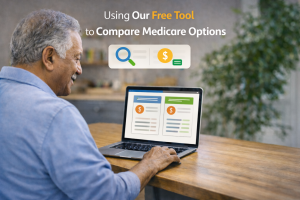
Practical Tools for Comparing Dental and Vision Plans
When it comes to comparing dental and vision plans, having access to the right tools can make a world of difference. Seniors looking to find the best insurance plan must consider both the benefits offered and the overall cost, including monthly premiums and out-of-pocket expenses. A practical starting point is utilizing online comparison platforms that allow you to filter and view different plans side-by-side based on your specific needs and location.
These tools often provide details on what each insurance plan covers, including dental coverage options, so you can see immediately which plans include essential services like exams, frames, and contacts without needing separate insurance company brochures.
One of the primary factors to consider while comparing plans is the network of providers covered. For instance, whether your preferred dentists and optometrists are within any given insurance company’s network can impact your choices significantly. Such networks determine whether you’ll incur additional costs or have limitations on service providers. Another important aspect is understanding the waiting periods associated with different insurance plans. Waiting periods can range from a few months to a year for certain services, and knowing these beforehand helps in planning for upcoming dental and vision care needs.
For seniors wishing to explore the best options, attention to details like frame and contact lens allowances, and any additional benefits tied to annual exams, becomes essential.
MedicarePartCPlans.org provides invaluable resources that allow seniors to compare Medicare Advantage plans that include vision and dental benefits. Here, seniors can examine how each plan stacks up against others in terms of cost and coverage. By engaging with these resources, seniors are better equipped to make informed decisions regarding their healthcare. This careful consideration entails scrutinizing what group insurance options might offer or how standalone plans match up, ensuring there are no surprise costs unexpectedly affecting the senior’s budget.
Ultimately, knowing how to effectively use these comparison tools can simplify the process of choosing authentic coverage, aligning both with individual care preferences and financial constraints.
Key Considerations for Individuals Seeking Dental and Vision Insurance
Before selecting dental and vision insurance, seniors need to carefully evaluate what coverage they actually require, considering both their health care needs and financial situation. Begin by assessing your medical history; understanding your previous and anticipated future needs can guide you toward picking a well-suited plan, especially if it means covering frequent eye exams or dental visits. For many seniors, maintaining oral and visual health is critical, and knowing what each insurance company provides regarding exams, frames, and dental procedures aids in this decision-making process.
It’s also essential to consider the cost implications, beyond just the monthly premium. Seniors should inquire about overall out-of-pocket costs, including copayments and any coinsurance that might apply for specific services. Understanding how these costs accumulate over time allows seniors to better anticipate their monthly financial commitments. Cost isn’t the only factor; evaluating the presence of any waiting periods is integral. Some plans require waiting before certain services are covered, such as major dental work or acquiring new eyeglasses, and knowing these stipulations prevents unexpected expenses.
Researching the insurance company’s reputation and customer service record can also impact your choice. Seniors are encouraged to look at reviews and speak with friends or family to gather insights into how different companies handle claims and customer interactions. Additionally, considering whether there are herbal discounts on contacts, frames, or special promotions accompanying exams or specific treatments might offer additional financial relief.
Having comprehensive information accessible becomes key in navigating this environment; platforms like MedicarePartCPlans.org simplify this process by offering comparative analysis tools and resources tailored to the unique needs of seniors.
By thoughtfully evaluating these considerations, seniors can align their dental and vision coverage appropriately, ensuring access to quality care that meets their health requirements without causing financial strain. This thorough approach to choosing insurance helps maintain both bodily independence and mental peace, as it directly influences the ease with which seniors manage their healthcare expenses.
| Comparison Tools | Network and Coverage | Cost Considerations | Waiting Periods | Consumer Insights |
|---|---|---|---|---|
| Use online platforms such as Medicare.gov, insurance company websites, and third-party comparison tools like eHealth or Healthcare.com to compare dental and vision plans. | Check if preferred doctors and providers are in-network, and review what services (e.g., routine exams, specific treatments) are covered under each plan. | Evaluate monthly premiums, deductibles, and out-of-pocket expenses. Ensure the plan fits within budget while providing necessary coverage. | Understand the timeframes for services like major dental procedures and new vision prescriptions to avoid unexpected waiting periods. | Research the insurance company’s reputation, review customer feedback, and assess satisfaction ratings to ensure reliable service. |
This summary table helps senior citizens navigate and select dental and vision insurance plans that cater to their specific healthcare needs and financial limits, ensuring peace of mind.
When navigating senior dental coverage options, it’s important to carefully evaluate plans based on your specific needs and potential out-of-pocket costs. Consider how plan details align with your current dental care routine and overall health requirements, as this can greatly affect your satisfaction with coverage.
By thoroughly understanding available options, seniors can make informed decisions tailored to their unique circumstances. Utilize resources like our Medicare plans finder tool to compare plans and ensure you receive the coverage that best suits your location and medical needs.
Compare plans and enroll online
Frequently Asked Questions
What is Medicare Advantage and how does it differ from Original Medicare?
Medicare Advantage, also known as Medicare Part C, is a comprehensive plan offered by private insurance companies approved by Medicare. These plans bundle together the benefits of Medicare Part A and Part B, and often include additional services such as vision and dental coverage, which are not typically covered by Original Medicare.
How can Medicare Advantage plans contribute to better dental and vision care for seniors?
Medicare Advantage plans often include dental and vision benefits, facilitating broader access to these important health services. Routine dental care and vision exams, which help to prevent serious conditions and maintain overall well-being, are usually covered under such plans.
What's the role of MedicarePartCPlans.org in assisting seniors with Medicare Advantage plans?
MedicarePartCPlans.org provides educational resources to help seniors understand Medicare Advantage plans and their benefits. The website also offers a plan finder tool to compare insurance options based on location and coverage needs, supporting informed decision-making.
How do Medigap plans differ from Medicare Advantage in terms of coverage?
Medigap, or Medicare Supplement Insurance, is designed to cover costs not fully paid by Original Medicare, such as copayments, coinsurance, and deductibles. Unlike Medicare Advantage plans, Medigap does not typically include additional benefits like vision and dental services.
What factors should seniors consider when choosing between dental insurance providers?
Seniors should evaluate the types of plans available, such as DHMOs, PPOs, and indemnity plans, considering each plan’s coverage specifics, cost structures, and in-network providers. Resources like MedicarePartCPlans.org help compare these options based on individual needs and financial situations.
Have Questions?
Speak with a licensed insurance agent
1-877-436-2343
TTY users 711
Mon-Fri: 8am-9pm ET
Find & Compare Plans Online
ZRN Health & Financial Services, LLC, a Texas limited liability company