The Costs Associated with Dental Insurance
Understanding the costs associated with dental insurance is essential for seniors when comparing their options. Dental insurance can vary greatly in terms of pricing based on several factors, and knowing these can help in selecting the right plan.
From coverage limits to deductibles, these cost considerations directly impact the plan’s affordability. Investigating how dental insurance costs integrate into your overall healthcare coverage is crucial for maintaining a balanced spending strategy.
Highlighted here are key aspects that affect the cost of dental plans and strategic insights on how to incorporate dental insurance into your broader coverage strategy effectively.
Factors Influencing the Cost of Dental Plans
When considering dental plans, it’s important to understand how different factors influence the cost associated with these services. For one, the type of coverage an insurance company offers significantly impacts the pricing structure of its dental plans.
Comprehensive plans that include a wide range of services, such as cleanings, exams, and advanced procedures like crowns and bridges, tend to have higher premiums due to the extensive coverage provided.
Conversely, basic plans that only cover preventive care may cost less but offer a limited scope when you need more extensive work.
Another crucial factor is the deductible, which is the amount you’ll need to pay out of pocket before your insurance begins to cover the costs. Plans with lower deductibles generally have higher monthly premiums.
Thus, balancing the deductible against premium costs is essential to ensure you’re not overspending on healthcare. Additionally, the waiting periods associated with certain treatments can influence the cost.
Plans with no waiting periods might be more expensive but allow immediate access to needed care, whereas plans with longer waiting periods might initially cost less but delay access to necessary procedures.
The insurance company’s network of dentists also plays a pivotal role in the costs of dental plans. If your preferred dentist is out-of-network, you could face higher out-of-pocket costs, even if the procedure is covered.
Therefore, it’s advantageous to check if your current dentist is in the plan’s network before making a choice.
Furthermore, specific factors such as your location can affect pricing, as dental costs can vary widely across different regions. Seniors living in areas with high healthcare costs might find that premiums, deductibles, and fees are correspondingly higher.
Finally, age and overall oral health can also indirectly dictate the cost of dental insurance. Seniors may find plans tailored specifically for older adults, reflecting common dental health needs faced during retirement.
Insurance companies consider the risk of more frequent dental issues in seniors when setting premiums.
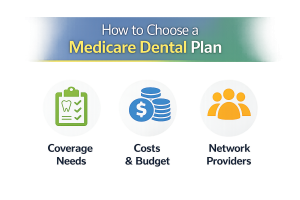
As you compare options, consider utilizing MedicarePartCPlans.org’s resources, which provide a comprehensive view of what’s available in your area and help you to measure costs against benefits effectively. When evaluating dental plans, consider the following key factors to ensure you make an informed decision:
- Network of Dentists: Check if your preferred dental care providers are included in the plan’s network.
- Coverage Details: Understand which types of dental procedures are covered and the extent of that coverage.
- Cost Sharing: Review deductibles, copayments, and coinsurance to estimate your potential out-of-pocket expenses.
- Annual Maximum: Be aware of the annual benefit limit of the plan to avoid unexpected costs.
- Waiting Periods: Investigate any waiting periods for specific treatments to ensure immediate needs are met.
- Flexibility and Portability: Consider if the plan allows changes to your coverage or if it can travel with you.
- Customer Service: Evaluate the insurer’s reputation for handling claims and customer inquiries efficiently.
By considering these factors, you can choose a plan that best fits your dental health needs.
How Dental Insurance Fits into Your Overall Coverage Strategy
Incorporating dental insurance into your overall healthcare strategy can enhance your financial planning and safeguard your health.
Dental health is integral to overall well-being, and by ensuring you have the right dental coverage, you can prevent costly dental emergencies down the line.
The benefits of including dental insurance in a broader coverage strategy extend beyond cost savings; they also encompass peace of mind and comprehensive health management.
For many seniors, dental insurance is not just about covering regular cleanings or check-ups. It serves as a guard against potential high expenses from unexpected dental surgeries or complicated procedures.
By having dental coverage as part of your healthcare plan, you’re better prepared to handle what may arise as oral health challenges increase with age.
This proactive stance on dental care helps to integrate and streamline healthcare management, reducing stress and providing financial predictability.
It’s also important to consider dental insurance as part of a holistic healthcare strategy that includes medical, vision, and dental needs. Medicare Advantage plans often offer integrated solutions, which might include dental insurance as a key component.
This bundled approach allows for simplified administration and reduces the complexity of managing multiple health policies. As such, choosing an insurance company that offers a seamless and cohesive plan that meets all health requirements can be advantageous.
Moreover, dental insurance’s fit into your coverage strategy should be informed by an understanding of how different plans work in conjunction.
For example, your deductible in dental shouldn’t stretch your budget but complement your expenses covered under Medicare or additional health policies.
Tools like the Medicare plans finder on MedicarePartCPlans.org can aid in the comparison of these interactions, ensuring that each element of your health coverage is aligned and efficient.
In conclusion, while the cost may often be a determining factor, the overall integration of dental insurance into a comprehensive coverage strategy provides crucial support for maintaining health as you age.
Evaluating plans through a knowledgeable and resourceful platform can help guide these decisions, ultimately ensuring that you’re not only financially secure but also equipped with the necessary tools for complete healthcare coverage.