Navigating the Medicare Advantage landscape can be complex, especially when seeking to switch plans for 2027. Understanding the process is crucial to ensuring your health coverage meets your needs. This guide provides comprehensive insights into changing your Medicare Advantage plan, including key enrollment dates, required steps, and factors to consider. By exploring various options and utilizing our free Medicare plans finder tool, you can make informed choices tailored to your healthcare requirements and budget. Whether you’re a new Medicare enrollee or reviewing existing coverage, our resources support your journey to optimal healthcare solutions.







How to Switch Medicare Advantage Plans for 2027
Key Highlights
- Medicare Advantage Plans consolidate Parts A, B, and often D, offering additional benefits through private insurers.
- Open Enrollment from October 15 to December 7 is crucial for switching Medicare plans without penalties.
- Evaluate your current plan’s coverage, network, and costs annually to adjust according to changing health needs.
- Use the Medicare Plan Finder and consult experts for informed plan comparison and selection during open enrollment.
- Understand special enrollment periods triggered by life events for flexibility in changing Medicare Advantage plans.
Understanding Medicare Advantage and When to Change Plans
Medicare Advantage plans, also known as Medicare Part C, offer an alternative to Original Medicare by providing additional benefits through private health insurance companies. When considering a switch, it’s essential to understand the various options available, the timing involved, and the potential implications of changing Medicare Advantage plans. This section will explore what a Medicare Advantage Plan encompasses and outline the critical considerations before making a switch, ensuring you’re well-informed about your healthcare choices.

What is a Medicare Advantage Plan?
A Medicare Advantage Plan functions as an alternative to Original Medicare, offering a comprehensive package that includes Part A, Part B, and often Part D (prescription drugs). These plans are provided by private insurance companies and may cover additional services beyond Original Medicare, such as vision, hearing, dental, and wellness programs. Understanding the fundamentals of a Medicare Advantage Plan is crucial, as it consolidates multiple types of health coverage into one plan, which can streamline your healthcare management. It’s worthwhile noting, however, that the specifics of each plan can vary depending on the provider and location, making it vital to compare your options carefully.
When you enroll in a Medicare Advantage Plan, you’ll receive coverage that Medicare doesn’t directly offer. This can include reduced deductibles or out-of-pocket costs for services. The focus is often on preventive care, emphasizing health maintenance and early disease detection. Beneficiaries might also experience network restrictions, meaning you’ll need to use doctors and hospitals affiliated with your Medicare Advantage Plan. Understanding these restrictions is vital for receiving the full benefits of your plan without incurring unexpected costs. Therefore, potential enrollees need to consider whether the plan’s network aligns with their preferred healthcare providers.
This integration of services brings both convenience and complexity. A thorough evaluation of personal health needs, alongside a careful analysis of any potential advantages of remaining under Original Medicare, can aid in determining whether a switch to Medicare Advantage is beneficial. If one’s circumstances change significantly, such as moving to a new location or facing new health challenges, considering a change in Medicare Advantage plans might be beneficial to optimize coverage. Remember, understanding the balance between coverage and network restrictions forms the foundation of making an informed choice about pursuing a Medicare Advantage Plan.
Key Considerations Before You Switch Medicare Advantage Plans
Switching Medicare Advantage plans isn’t just about changing your current plan. It involves a comprehensive assessment of your healthcare needs as they evolve over time. Before opting to switch, you should understand the critical considerations that can impact your decision. This involves evaluating coverage, the special enrollment periods, and possible penalties that could affect your healthcare costs and accessibility.
The special enrollment periods provide flexibility to change Medicare Advantage plans outside the typical open enrollment period. Qualifying events, such as moving to a new service area, qualifying for Medicaid, or your plan terminating its service, grant eligibility for special enrollment. During these windows, you can switch to another Medicare Advantage plan or return to Original Medicare, allowing members to adapt their health insurance coverage to best suit individual needs. This change ensures you won’t incur penalties typically associated with changing outside designated periods, but understanding each event’s impact is crucial.
When evaluating a potential Medicare Advantage plan, you should consider whether your preferred hospitals, physicians, and pharmacies are within the plan’s network to avoid unexpected out-of-network costs. It’s also important to analyze the services included, like vision, dental, and wellness programs, to see if they fit your current and anticipated health needs. Keep an eye out for any changes in premiums, deductibles, or copayments, as these financial elements can significantly influence your healthcare budget. The plan’s annual changes, which could include benefits modifications or pricing adjustments, must align with your current health status and financial expectations for optimal coverage.
You should also review the plan’s formulary if prescription drugs are a significant expenditure, ensuring your prescribed medications are covered to avoid elevated out-of-pocket costs. Reflect on any recent changes in your health or lifestyle, like a new diagnosis or move, as these could necessitate more comprehensive coverage or different plan structures. By staying informed and proactive, you can make well-founded decisions regarding whether to switch your Medicare Advantage plan, allowing you to manage your healthcare needs effectively and without disruption.
Medicare Open Enrollment: A Key Period for Plan Changes
Understanding Medicare Open Enrollment is crucial for Medicare beneficiaries who wish to switch their Medicare Advantage plans effectively. It provides an annual opportunity to evaluate your current healthcare coverage and explore new options, making it a pivotal time to reconsider plan selections based on changing healthcare needs. In this section, we’ll explore how to maximize your advantage during Medicare Open Enrollment and outline the key deadlines and dates to ensure you’re well-prepared for any adjustments in your healthcare plan.
| Enrollment Period | Key Considerations | Evaluation Factors | Important Dates |
|---|---|---|---|
| October 15 – December 7 | Review Coverage Needs | Cost Comparison | October 15: Start |
| Assess Medication Changes | Provider Networks | December 7: End | |
| Understand Plan Types | Plan Benefits | January 1: Coverage Begins | |
| Verify Provider Lists | Prescription Coverage |
This table concisely organizes the critical aspects of the Medicare Open Enrollment period, emphasizing the timeline, decision-making factors, and plan evaluation criteria. It guides beneficiaries in strategically reviewing their options, considering any recent changes to their health or medication needs, and ensuring that all actions align with the open enrollment deadlines. Such structured insight empowers enrollees to make informed decisions regarding their healthcare coverage.
How to Use the Medicare Open Enrollment to Your Advantage
Medicare Open Enrollment, occurring annually from October 15 to December 7, is your opportunity to assess and alter your Medicare Advantage plan if needed. During this period, you can compare various plans to decide which best suits your health and budgetary needs. This strategic timeframe allows beneficiaries to switch from Original Medicare to a Medicare Advantage plan, alter an existing Medicare Advantage plan, or even change to a different Part D prescription drug plan. The availability of diverse options can be overwhelming, but understanding your specific needs and previous experiences with your Medicare Advantage plan can guide you in making a beneficial switch.
Before exploring new options during open enrollment, evaluate past year’s experiences with your current plan. Consider whether the plan met your healthcare needs, or if there were unanticipated costs or coverage gaps that affected your plan satisfaction. Also, examine the network of healthcare providers associated with the plan, if it satisfactorily includes your preferred doctors and specialists, or you need to consider options with broader access. Tools like the Medicare Plan Finder can aid in simplifying this comparison process, helping you weigh the costs, benefits, and network coverage pragmatically.
Additionally, keep an eye on any scheduled changes in 2027 that can influence your plan’s structure or costs. Medicare Advantage plans may alter their premiums, deductibles, and out-of-pocket expenses annually, potentially impacting your future healthcare finances. With careful analysis and planning, the open enrollment becomes a strategic period to optimize your Medicare Advantage plan coverage, ensuring alignment with health developments or financial shifts. It’s also the perfect moment to learn more about new benefits or options that could enhance your coverage like gym memberships or wellness incentives, encouraging a proactive investment in your health during the enrollment period.
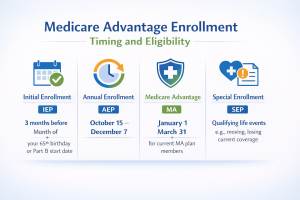
Deadlines and Important Dates You Need to Know
For those considering making a change to their Medicare Advantage plan, adherence to key dates during the enrollment period is essential. Medicare Open Enrollment, starting October 15 and ending December 7 each year, is the primary window to apply necessary changes to your Medicare health or drug coverage for the upcoming year. Beyond this period, modifications to your Medicare Advantage plan are strictly limited to qualifying special enrollment circumstances, making this annual timing critical.
During the open enrollment period, it’s important to submit all necessary paperwork and plan selections by December 7, as changes made during this phase take effect on January 1 the following year. Failure to act within the enrollment window may lead to missed opportunities to improve your plan or reduce unforeseen healthcare costs. Being well-organized and prompt ensures that your new coverage begins without interruptions, safeguarding against potential medical coverage lapses.
Outside the general open enrollment period, beneficiaries may still have options through special enrollment periods. These are triggered by specific life events, such as moving out of your plan’s service area, qualifying for extra assistance, or experiencing changes in Medicaid eligibility. Understanding the parameters and qualifying life events for these special enrollment periods ensures flexibility in switching your Medicare Advantage plan if your circumstances change unexpectedly.
While Medicare communications offer reminders and detailed instructions about open enrollment, it’s crucial to begin preparations early. This proactivity includes reviewing the annual changes each Medicare Advantage plan undergoes, as any revisions can affect coverage and costs, potentially necessitating a switch. Utilizing available resources like Medicare’s online tools and seeking advice from Medicare insurance educators can help demystify the process, ensuring that you make informed decisions aligned with your long-term health and financial goals.
Steps to Effectively Switch and Change Your Medicare Options
Navigating the complexities of Medicare Advantage plans can be daunting, especially when contemplating a switch. However, understanding the framework of enrollment periods, plan evaluations, and necessary transitions can make this process smoother. Switching plans involves more than just selecting another Medicare Advantage plan. It requires evaluating your current health needs, scrutinizing plan differences, and making informed choices. This section will provide insights on how to navigate these transitions effectively, ensuring that your healthcare coverage is aligned with your evolving needs and preferences.
How to Navigate the Transition Between Plans
Switching Medicare Advantage plans involves several strategic steps that ensure a smooth transition while maintaining optimal coverage. First, it’s crucial to identify the enrollment period that allows you to make changes without penalties. The Medicare Open Enrollment period, occurring annually from October 15 to December 7, is the prime opportunity to switch plans. During this time, you can reassess your health insurance needs and explore other options, such as changing Medicare Advantage plans or adjusting your drug coverage. Special Enrollment Periods also provide a chance to switch due to life events like moving or changes in Medicaid eligibility. These periods offer flexibility, allowing you to adapt your policy to better meet your health needs. Once you’ve chosen a new plan, ensure you’re familiar with its specific coverage, including potential network restrictions. Verify that your current doctors, hospitals, and other services are covered under the new plan to avoid any unexpected out-of-pocket expenses. Also, check how the plan handles prescription drug coverage, a significant factor that can impact your healthcare costs. Utilize resources like the Medicare Plan Finder to consolidate information about different plans and compare them effectively.
When you’re ready to switch, contact the new plan provider directly to understand their process for enrollments and ensure a smooth transition. Keep track of any communications regarding your current policy and the new plan you intend to enroll in, as this will help in managing any overlapping coverage periods. It’s also advisable to consult with a Medicare insurance educator who can offer personalized advice tailored to your unique circumstances. At MedicarePartCPlans.org, we aim to simplify this process by providing clear and unbiased information. Our free Medicare plans finder tool can guide you through the options that match your location and specific coverage needs, helping to ensure a seamless transition to another Medicare Advantage plan. By understanding and closely following these guidelines, you can effectively manage your Medicare Advantage plan changes, ensuring continual and appropriate health coverage.
Here’s a concise checklist to streamline your transition to a new Medicare Advantage plan:
- Define your healthcare priorities and coverage needs before exploring plan options.
- Carefully review any changes in plan networks, especially concerning preferred healthcare providers.
- Compare prescription drug coverage to avoid unexpected expenses and manage costs effectively.
- Contact potential new providers to clarify enrollment procedures and specific plan details.
- Use available online tools for comparing and evaluating plan options based on your needs.
- Keep a record of all communications related to your current and prospective plans.
- Seek advice from Medicare insurance educators for personalized insights and guidance.
By keeping these tips in mind, you can ensure a smooth and informed transition to your new plan.

Learn More: Helpful Resources for Making Informed Decisions
When navigating the complexities of Medicare options, it’s crucial to utilize resources that provide clear, unbiased information. Choosing between Medicare Advantage, Medigap, or reverting to Original Medicare can be daunting, especially with consideration of policy nuances, coverage changes, and enrollment periods. MedicarePartCPlans.org serves as an invaluable educational resource, offering insights into the intricacies of Medicare Advantage plans, known as Part C. Here, you can grasp the unique benefits and potential coverage overlaps of these plans compared to Original Medicare, ensuring your decision-making is well-informed.
Healthcare decisions often hinge on understanding the timing of enrollment periods. The open enrollment period, from October 15 to December 7, is critical for switching plans. Special enrollment periods further offer flexibility for qualifying life events, like moving or changes in Medicaid status. Each period comes with its rules and nuances, and being aware of these can prevent penalties or lapses in your health coverage. Resources that clarify these timelines can aid in planning effectively and proactively, ensuring seamless transitions.
For those managing significant health expenses, verifying how a plan handles prescription drugs is crucial. With various plans covering different medications under diverse terms, understanding your potential out-of-pocket costs is paramount. The Medicare Plan Finder tool can help align your prescriptions with plan options, revealing which plans incorporate your necessary drugs in their formularies. This ensures your medications are covered without unnecessary financial surprises. Additionally, exploring Medigap options can reveal valuable supplemental coverage for gaps often left by traditional Medicare, enhancing your overall healthcare package.
Tools and educators from MedicarePartCPlans.org can guide you further. Our platform simplifies plan comparisons by location and specific coverage needs, presenting educational content and the free Medicare plans finder tool. This resourceful guide can alleviate confusion, assisting not just beneficiaries but their caregivers in navigating the options. Engage with these tools to learn meticulously about each plan’s member benefits, health services, and costs, ensuring an optimal choice for 2027 and beyond.
Making changes to your Medicare Advantage plan for 2027 involves careful assessment of your healthcare needs and understanding new benefits available to you. Stay informed about Annual Enrollment Period dates, explore different plan options using our free Medicare plans finder tool, and ensure your coverage suits your current medical requirements and budget. We encourage you to take advantage of available resources and speak with a Medicare expert to help guide your decision, ensuring a smooth transition tailored to your needs. Feel confident in your ability to make informed choices that support your well-being and healthcare objectives.
Frequently Asked Questions
What is Medicare Advantage, also known as Medicare Part C?
Medicare Advantage, or Medicare Part C, is an alternative to Original Medicare. It consolidates Parts A and B, and often Part D, into a single plan offered through private insurance companies. These plans may include additional benefits like vision, hearing, dental, and wellness programs.
When can I switch my Medicare Advantage plan?
The primary period to switch your Medicare Advantage plan is during the Open Enrollment Period from October 15 to December 7 annually. Additional options may be available during Special Enrollment Periods triggered by life events such as moving or changes in eligibility.
What should I consider before changing my Medicare Advantage plan?
It’s important to evaluate your current health needs, preferred healthcare providers, network restrictions, and costs like premiums, deductibles, and copayments. Considering these factors can help ensure your chosen plan aligns with your healthcare and financial requirements.
What role do Special Enrollment Periods play in switching plans?
Special Enrollment Periods offer flexibility for switching plans when you experience life changes such as moving to a new area, losing current plan coverage, or qualifying for Medicaid. These periods allow you to adjust your coverage outside of the standard Open Enrollment window.
Are there tools available to help me compare Medicare Advantage plans?
Yes, tools like the Medicare Plan Finder and resources from MedicarePartCPlans.org can assist you in comparing different plans. These tools help you analyze plan coverage, costs, and provider networks to make informed decisions tailored to your healthcare needs and budget.
ZRN Health & Financial Services, LLC, a Texas limited liability company