Choosing between Medicare Advantage and Medicare Supplement Plan G can be a complex decision for many Medicare beneficiaries. Both options provide valuable coverage, but they differ significantly in terms of benefits, costs, and flexibility. Understanding these differences is crucial for making an informed choice that aligns with your healthcare needs and lifestyle. On this page, we’ll explore the key distinctions between these plans, helping you navigate the nuances of Medicare to better assess which one suits your situation. Whether you’re new to Medicare or considering a plan change, gaining insight into these options can aid in your decision-making process.







Medicare Advantage Vs Supplemental Plan G
Key Highlights
- Medicare Advantage offers Part A and B benefits with additional services like dental and vision through private insurers.
- Plan G complements Original Medicare by covering out-of-pocket expenses like coinsurance, promoting cost predictability.
- Medicare Advantage caps annual out-of-pocket expenses, offering financial predictability but may have provider network limits.
- Supplement Plan G allows provider access anywhere Medicare is accepted, without network restrictions, unlike Medicare Advantage.
- Choosing between plans depends on healthcare priorities, like additional benefits or lower out-of-pocket costs.
Compare plans and enroll online
Understanding Medicare Basics for Beginners
Are you new to Medicare or unsure about its different parts? Understanding the foundation of Medicare is vital for making informed healthcare decisions. Original Medicare, consisting of Part A and Part B, covers hospital and outpatient services, respectively. Yet, some gaps may exist, prompting exploration of additional plans. Medicare Advantage, an alternative offered through private insurers, may cover extra benefits. Familiarizing yourself with these options enhances decision-making, helping to identify the right coverage to fit your needs. Let’s dive into the essentials of Medicare and how Medicare Advantage plays a pivotal role in your healthcare journey.
Introduction to Medicare and Its Parts
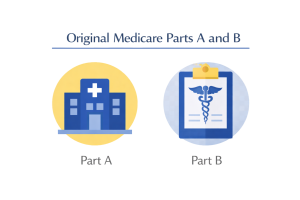
Medicare is a federal program providing healthcare coverage primarily to people aged 65 and older, as well as some younger individuals with disabilities. Original Medicare consists of two main parts: Part A, which helps cover inpatient hospital stays, care in skilled nursing facilities, hospice care, and some home health care; and Part B, which covers certain doctors’ services, outpatient care, medical supplies, and preventive services. It’s important to note that Original Medicare doesn’t cover everything; it requires beneficiaries to pay a share of the costs, often referred to as out-of-pocket costs.
For those seeking additional coverage to fill the gaps left by Original Medicare, Medigap plans can be purchased. These supplemental plans, like Plan G, generally do not offer additional coverage benefits such as dental or vision, but can help cover costs like copayments, coinsurance, and deductibles. Meanwhile, some might consider options beyond Original Medicare, such as Medicare Advantage. This brings us to how these plans offer comprehensive coverage beyond standard Medicare. By understanding these foundational elements, individuals can better assess their healthcare needs and options.
The Role of Medicare Advantage in Healthcare
Medicare Advantage plans, also known as Medicare Part C, serve as an alternative to Original Medicare, providing all Part A and Part B benefits and often including additional services. These plans are offered by private insurance companies approved by Medicare and might include coverage for services not under Original Medicare, like dental, vision, and wellness programs. Health Maintenance Organizations (HMOs) and Preferred Provider Organizations (PPOs) are among the popular types of Medicare Advantage plans available.
One distinct advantage of Medicare Advantage plans is that they often come with an annual out-of-pocket maximum, offering a cap on what you pay for your Medicare services. This can be a significant relief from potential high costs associated with unexpected medical needs. However, joining a Medicare Advantage plan usually requires understanding the rules, such as needing referrals for specialists or ensuring your healthcare providers are in-network. Deciding whether Medicare Advantage is right for you involves weighing how these plans complement Original Medicare and how they address specific health needs.
At MedicarePartCPlans.org, we provide unbiased resources to help compare these plans, understand their offerings, and determine if they align with your healthcare needs, using our tools to explore these options effectively.
What Is Medicare Supplement Plan G?
If you’re considering options to supplement your Original Medicare coverage, Medicare Supplement Plan G might be a choice to consider. Known for its comprehensive coverage, Plan G helps pay for out-of-pocket costs such as copayments and coinsurance, which Original Medicare doesn’t fully cover. This plan is part of a suite of Medigap plans designed to fill the gaps in coverage left by Medicare Parts A and B. By integrating Plan G with your Original Medicare, you can potentially reduce unexpected expenses and enjoy more predictable healthcare costs.
Benefits and Coverage Offered by Plan G
Medicare Supplement Plan G provides a robust solution for those looking to manage their healthcare costs more effectively. This plan covers a wide array of benefits that complement Original Medicare. Primarily, it helps pay for hospital coinsurance and allows you up to a full year of coverage beyond what Medicare Part A offers. With Plan G, coinsurance costs for Medicare Part B services such as doctor visits and medical supplies are also covered, relieving you from significant out-of-pocket medical expenses. Additionally, Plan G covers the first three pints of blood needed for a medical procedure, hospice care coinsurance, and skilled nursing facility coinsurance.
A notable advantage of Plan G is that, unlike some other Medigap plans, it even covers Part B excess charges, which can be a crucial benefit if you expect to frequently need specialist services or go to healthcare providers that do not accept the fees set by Medicare. Embarking on Plan G can be a strategic move to ensure you’re not caught off guard by unexpected healthcare costs, making it a helpful ally in managing your health finances.
How Plan G Complements Original Medicare
Plan G is highly regarded as one of the comprehensive Medigap plans that ideally complements Original Medicare. While Original Medicare covers a significant portion of your healthcare costs, it isn’t exhaustive and leaves several gaps. This is where Plan G steps in to bridge those deficiencies. One of the key ways Plan G complements Original Medicare is by covering all Part A deductible costs, which can be quite substantial, for instance, several hundreds of dollars each time you are admitted to the hospital. Moreover, it tackles Part B expenses, like copayments and coinsurance, preventing these from straining your financial resources.
By pairing Plan G with Original Medicare, you’re essentially weaving a safety net that adds a layer of predictability and security to your healthcare expenses. Furthermore, choosing a Medigap policy like Plan G doesn’t entangle you in network restrictions often associated with Medicare Advantage plans, giving you the freedom to see any doctor or specialist who accepts Medicare. Ultimately, Plan G not only ensures comprehensive coverage but also supports peace of mind, knowing you’re protected against many unforeseen medical costs. Consider evaluating your healthcare requirements to see how Plan G might offer a pragmatic solution for your needs.
Exploring Medicare Advantage Plans
Medicare Advantage plans, often referred to as Part C, provide an alternative to Original Medicare. These plans are offered by private insurance companies and cover all Medicare Part A and Part B services. They frequently include additional benefits such as dental and vision care, which are not typically covered under Original Medicare. Exploring these plans can help you identify the specific coverage options that best suit your healthcare needs. By understanding key features and how these plans offer coverage, you can better assess whether a Medicare Advantage plan is the right fit for you.
Find & Compare Plans Online
Key Features of Medicare Advantage Options
Medicare Advantage plans come with several key features that make them appealing options for many beneficiaries. One significant feature is the inclusion of prescription drug coverage. Unlike Original Medicare, where you have to enroll in a separate Part D plan for drug coverage, many Medicare Advantage plans bundle this service within their offerings. This integration simplifies the process and ensures cohesive coverage.
Additionally, Medicare Advantage plans often provide additional benefits such as dental, vision, and even hearing services, areas where Original Medicare falls short. Many Advantage plans also include wellness programs, offering health-focused incentives that can aid in maintaining a healthier lifestyle.
Health Maintenance Organizations (HMOs) and Preferred Provider Organizations (PPOs) are some common types you may encounter when evaluating plan options. While HMOs require you to choose healthcare providers within a network, PPOs offer more flexibility but might come with higher costs. Plans can help lower your medical expenses significantly, especially if your chosen network aligns well with your healthcare preferences.
Understanding these features, along with their annual out-of-pocket maximums, can guide you in making an informed decision. It’s crucial to weigh these elements against your personal health needs to ensure coverage that aligns with your lifestyle.
| Feature | Description | Additional Benefits | Plan Types |
|---|---|---|---|
| Coverage | Includes Part A (Hospital Insurance) and Part B (Medical Insurance) | May include prescription drug coverage (Part D) and other health-related services | HMO, PPO, PFFS, SNP |
| Network Restrictions | May require the use of network providers for non-emergency care | Potential access to nationwide networks | HMO, PPO, PFFS |
| Cost | Monthly premiums vary; may have out-of-pocket spending limits | Potential reduction in overall healthcare costs | HMO, PPO, PFFS, SNP |
| Enrollment | Available to those eligible for Original Medicare | Open enrollment periods are available for switching plans | HMO, PPO, PFFS, SNP |
| Flexibility | Varies by plan type and provider network | Plan sponsors may offer wellness programs and services | HMO, PPO, PFFS |
This table highlights the diverse features and benefits of Medicare Advantage Plans, allowing beneficiaries to consider options that align with their healthcare needs.
How Medicare Advantage Plans Offer Coverage and Benefits
Medicare Advantage plans offer comprehensive coverage that extends beyond the basic services of Original Medicare. The nature of these plans allows them to address various needs through structured benefits. A standout aspect is how these plans manage to offer coverage for routine and preventive services, such as wellness check-ups and screenings, which can play a critical role in early detection and prevention of health issues. This inclusive coverage can significantly help lower the long-term medical expenses for beneficiaries.
Another way these plans offer benefits is through the integration of healthcare services, which can lead to improved coordination between different medical providers. This becomes particularly beneficial for those managing multiple health conditions. For example, Medicare Advantage plans can often streamline processes that make accessing specialists easier, often without the steep copayments associated with Original Medicare. Additionally, the drug coverage feature embedded in most plans can reduce the hassle of managing separate policies for prescription medications.
Ultimately, choosing a Medicare Advantage plan means an all-in-one solution that could simplify healthcare management for beneficiaries. It’s essential to understand the network providers, such as those from Blue Cross or other insurance companies, and how their plans can meet your health needs. Using these advantages effectively can ensure you’re covered comprehensively, making Medicare Advantage a compelling choice for many Medicare beneficiaries.
Comparing Medicare Advantage and Supplement Plans
Navigating the complexities of Medicare involves understanding the distinctions between Medicare Advantage and Supplement Plans. Medicare Advantage, also known as Part C, offers plans through private companies that combine benefits of Medicare Parts A and B, often with additional coverage. Conversely, Supplement Plans, such as Medigap Plan G, complement Original Medicare by covering gaps like copayments and deductibles.
While both aim to enhance the beneficiary experience, each presents unique advantages and limitations. By comparing these options, beneficiaries can better align their healthcare choices with their personal health needs and financial situations.
Pros and Cons of Medicare Advantage vs. Supplement Plans
Understanding the pros and cons of Medicare Advantage versus Supplement Plans is crucial for making informed decisions. Medicare Advantage plans often attract enrollees with additional benefits like dental, vision, and wellness programs that Original Medicare doesn’t cover. They typically operate within a network of providers and might require referrals for specialists, which can limit flexibility but also centralize care coordination, leading to potentially lower medical expenses.
The inclusion of prescription drug coverage in many Medicare Advantage plans simplifies having to enroll in a separate Part D policy. However, the trade-off includes network restrictions, potential out-of-network costs, and adhering to plan rules.
On the other hand, Supplement Plans like Plan G offer a different set of benefits. They allow beneficiaries to visit any doctor who accepts Medicare, offering a broader choice of providers without referral requirements. Plan G is particularly appealing for covering most out-of-pocket costs not included in Original Medicare, such as coinsurance and excess charges for Part B services. Although Supplement Plans typically don’t cover dental or vision and lack prescription drug coverage, they offer predictability in costs by minimizing unexpected medical expenses.
Choosing between these options depends on individual priorities, such as the desire for additional benefits versus the freedom to choose healthcare providers without network constraints.
Out-of-Pocket Medical Expenses: Understanding the Differences
Understanding the differential effects on out-of-pocket medical expenses can greatly impact your choice between Medicare Advantage and Supplement Plans. Medicare Advantage plans often come with an annual out-of-pocket maximum, setting a cap on costs for covered services, which provides the peace of mind against high medical expenses. However, how much you pay out-of-pocket depends on the plan’s specifics, network compliance, and geographic location, as costs can vary with each company or policy type.
Supplement Plans, like Medigap Plan G, are structured to lower uncertainty by covering most out-of-pocket costs left by Original Medicare. Plan G is particularly renowned for this, as it covers hospital and skilled nursing facility coinsurance and Medicare Part B copayments. This predictability can be instrumental in budgeting healthcare expenses, allowing beneficiaries to better manage their health finances. Plus, with Plan G, accessing healthcare doesn’t require referrals, nor does it restrict to network providers, thereby offering coverage that’s consistent across any location where Medicare is accepted.
When weighing options, consider how each plan aligns with your expected healthcare usage and financial strategy. Whether you anticipate regular specialist visits or rely on routine medication, understanding these expense differences helps in crafting a plan that supports your health needs comprehensively. Leveraging resources like the plan finder tool at MedicarePartCPlans.org can aid in comparing them efficiently, ensuring that your chosen coverage aligns with your healthcare and financial requirements.
To further explore how out-of-pocket expenses play into your healthcare plan decisions, consider these important factors when evaluating your options:
- Examine the variety of services each plan covers to determine adequate healthcare support.
- Analyze any additional benefits or perks offered beyond basic medical coverage.
- Consider the flexibility in choosing healthcare providers and accessing services.
- Review how each plan handles emergency care scenarios and coverage requirements.
- Check how medications are managed and what prescription coverage is included.
- Determine travel coverage, especially if you often seek care outside your home area.
- Investigate the ease of switching plans if your healthcare needs change over time.
Reflecting on these considerations can help ensure you’re making a well-informed decision that aligns with your health priorities.

Choosing the Right Plan for Your Needs
Finding the right Medicare plan involves understanding your specific healthcare needs and costs. Medicare Advantage and Supplement Insurance like Plan G have distinct benefits, making them suitable for different scenarios. Considering factors such as coverage options, out-of-pocket expenses, and the flexibility of provider access is crucial. Medicare Advantage plans often offer drug coverage, which Supplement plans do not. However, selecting the right plan for your needs requires evaluating how each option addresses gaps in your current Medicare coverage. This guide will help you make informed decisions based on your healthcare priorities.
Factors to Consider When Selecting a Medicare Plan
Selecting the right Medicare plan means weighing several factors that align with your healthcare needs and financial situation. Are you looking for a plan that offers additional benefits like dental and vision care, often covered by Medicare Advantage, or are you more interested in minimizing out-of-pocket costs, where a Supplement Plan G might be advantageous? Consider how often you visit doctors, whether you need specialist services, and the importance of choosing providers without network restrictions. These are facts to keep in mind when evaluating Medicare Advantage versus Supplement Insurance.
Original Medicare plus Supplement plans like Plan G can help cover those unexpected costs, making them attractive if predictability is a priority.
Another crucial element is the potential for travel. Medicare Advantage plans can be restrictive with network-based services; however, Supplement plans allow for more freedom, enabling you to visit any doctor across the U.S. who accepts Medicare. If you frequently travel or live in multiple locations throughout the year, this flexibility might be essential. Additionally, policy changes and annual costs can impact your finances. Understanding that Supplement plans like Plan G typically do not offer drug coverage can shift your plan consideration towards selecting a comprehensive Medicare Advantage plan with bundled drug services.
Lastly, acknowledging network limitations when considering Medicare Advantage can help you stay prepared. Plans can help lower out-of-pocket costs through coordinated care, but might restrict provider choices. Comparing and finding plans that align with your lifestyle is vital in making an informed decision. Look at policy details and enrollment periods carefully, as your choice will significantly impact how you pay for healthcare. The MedicarePartCPlans.org tool can assist in finding and comparing plans to meet your specific healthcare needs.
Comparing Medicare Advantage and Supplemental Plan G involves understanding each plan’s unique features and coverage benefits. Consider factors like out-of-pocket limits, network restrictions, and additional benefits when selecting a plan that suits your healthcare needs. Remember, what works for one person may not be suitable for another, so it’s crucial to assess your medical requirements and financial situation before making a decision. Utilize our Medicare plans finder tool to explore available options in your area, helping you make informed choices about your Medicare coverage.
Compare plans and enroll online
Frequently Asked Questions
What is the primary difference between Medicare Advantage and Medigap Plan G?
Medicare Advantage plans, also known as Part C, are offered by private companies providing all Part A and B benefits, often with additional services like dental and vision. Medigap Plan G, on the other hand, supplements Original Medicare by covering most out-of-pocket expenses like copayments and coinsurance but does not typically include additional benefits.
How does Medicare Advantage offer financial predictability?
Medicare Advantage plans provide financial predictability through an annual out-of-pocket maximum. This means there’s a cap on how much you will pay for covered services each year, unlike Original Medicare.
Can I see any doctor with Medicare Supplement Plan G?
Yes, with Medicare Supplement Plan G, you have the flexibility to see any doctor who accepts Medicare, as it doesn’t have network restrictions like some Medicare Advantage plans.
What additional services might Medicare Advantage plans cover?
Medicare Advantage plans may cover additional services not included under Original Medicare, such as dental, vision, and wellness programs. Plans may also bundle prescription drug coverage.
Is prescription drug coverage included in Medigap Plan G?
No, Medigap Plan G does not include prescription drug coverage. Beneficiaries would need to enroll in a separate Medicare Part D plan for prescription medications.
Have Questions?
Speak with a licensed insurance agent
1-877-436-2343
TTY users 711
Mon-Fri: 8am-9pm ET
Find & Compare Plans Online
ZRN Health & Financial Services, LLC, a Texas limited liability company