Enrollment Rules for Medicare Advantage

The enrollment process for Medicare Advantage plans is structured to ensure that beneficiaries have ample opportunities to select the plan best suited to their needs.
Initially, individuals can enroll in a Medicare Advantage plan during their Initial Enrollment Period (IEP), which coincides with the timeframe leading up to and including their 65th birthday month.
This period also includes the 3 months prior to and 3 months following this month, providing a seven-month window to make decisions. For those already receiving Social Security, Medicare enrollment is automatic, but selecting an Advantage plan requires active choice.
In addition to the IEP, there are specific periods, such as the Annual Election Period (AEP) from October 15 to December 7, which allows beneficiaries to switch from Original Medicare to a Medicare Advantage plan, switch between Medicare Advantage plans, or opt out and return to Original Medicare.
Special Enrollment Periods (SEPs) may also apply under certain conditions, like moving out of a plan’s service area or changes in eligibility for Medicaid and other assistance programs.
This flexibility highlights the importance of understanding each period’s rules to ensure uninterrupted coverage and to take advantage of plans that offer more than Original Medicare, including additional benefits like vision or dental.
MedicarePartCPlans.org serves as a valuable resource in this process, providing the necessary tools and information to compare Medicare plans available in your area.
This support is crucial as plan availability and benefits can differ by location, potentially impacting both the choice and the cost of the plan.
Utilizing these resources effectively can make the difference in selecting a plan that fits both your healthcare and financial goals, ensuring a smooth transition and optimal coverage under Medicare Advantage.
Cost Considerations for Advantage Plans
When considering a Medicare Advantage plan, understanding the cost structure is critical for making an informed decision. Plans typically charge a monthly premium, which can vary widely depending on the benefits and the private insurance provider offering the plan.
The monthly premium is in addition to the Part B premium, which is still required even when enrolled in Medicare Advantage.
However, some plans might offer a $0 premium option, depending on their structure and regional availability, making them an attractive choice for those looking to manage costs effectively.
Beyond the premiums, beneficiaries must consider out-of-pocket expenses such as copayments, coinsurance, and deductibles.
Medicare Advantage plans often have lower out-of-pocket costs compared to Original Medicare, and they include an out-of-pocket maximum, which provides financial protection by capping the total expenses incurred in a year for covered services.
This cap can offer significant appeal, especially to those worried about unexpected medical costs, which may not have a similar limitation under Original Medicare.
Another financial aspect to evaluate is the cost-benefit ratio of additional services that Medicare Advantage plans offer.
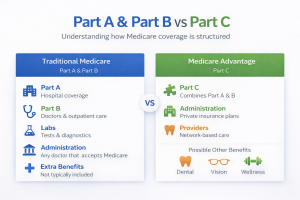
While these plans must cover all the same services that Original Medicare does, many include extra benefits like vision, dental, and hearing, as well as gym memberships and wellness programs.
It’s essential to weigh these added benefits against any additional costs to determine how these plans might offer better overall value compared to sticking with standard Medicare coverage.
By utilizing MedicarePartCPlans.org’s free plan finder tool, you can effectively compare plans based on these financial factors, ensuring you select a plan that aligns with both your healthcare needs and budget, thus optimizing your Medicare experience and coverage.
| Plan Type |
Premiums |
Out-of-Pocket Costs |
Provider Network |
Enrollment Period |
| HMO |
Varies by plan |
Costs for out-of-network services are typically higher |
Limited to network providers except in emergencies |
Annual enrollment periods |
| PPO |
Varies by plan |
Higher out-of-pocket limits for out-of-network care |
Greater flexibility with provider choice |
Annual enrollment periods |
| PFFS |
Varies by plan |
Dependent on plan terms |
Flexibility with any Medicare-approved provider |
Annual enrollment periods |
| SNP |
Varies by plan |
Designed for specific needs |
Similar to HMOs, network restrictions apply |
Annual enrollment periods and special circumstances |
This table provides a concise overview of important considerations when evaluating Medicare Advantage plan costs and enrollment, emphasizing the range of options available to beneficiaries.
Navigating Medicare Advantage and understanding its diverse plan options can be pivotal in enhancing your healthcare experience.
With comprehensive coverage often including prescription drugs and additional benefits like vision and dental, these plans are worth considering based on your individual healthcare needs and preferences.
It’s important to compare different plans and consider factors such as network restrictions, out-of-pocket costs, and specific benefits to make an informed decision.
Utilize our free tools on MedicarePartCPlans.org to evaluate your options and tailor a plan that aligns with your unique health and financial requirements.